Captain Experiences makes booking a fishing guide quick and easy. Search for your next trip below:

Fishing report from Matt F. in Sarasota, Florida

Fishing report from Carlos A. in Miami, Florida

Fishing report from Dan C. in Bay Pines, Florida Book a trip with Captain Dan here.
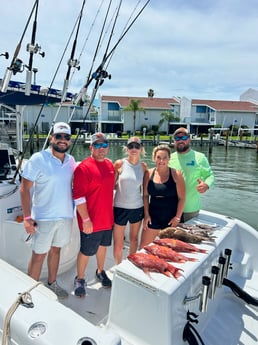
Fishing report from Jason C. in Key Largo, Florida

Fishing report from Johnny M. in Marathon, Florida Book a trip with Captain Johnny here.
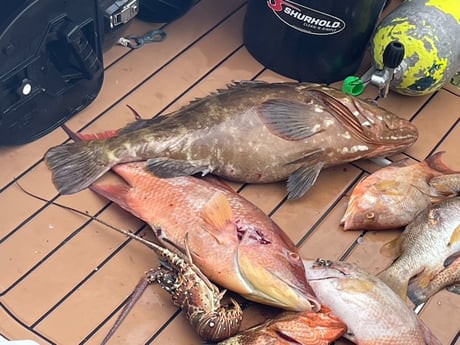
Fishing report from Ron F. in Tierra Verde, Florida

Fishing report from Dan C. in Bay Pines, Florida Book a trip with Captain Dan here.

Fishing report from Vasiliy O. in Sarasota, Florida Book a trip with Captain Vasiliy here.

Fishing report from Tony Y. in Islamorada, Florida
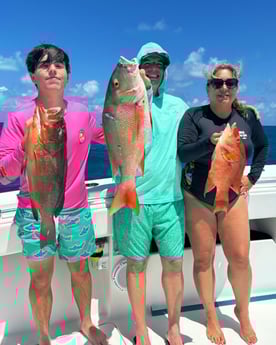
Fishing report from Hunter L. in Key West, Florida Book a trip with Captain Hunter here.
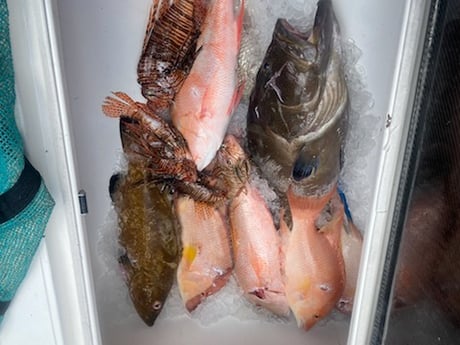
Fishing report from Kevin T. in Crystal River, Florida Book a trip with Captain Kevin here.

Fishing report from Carlos A. in Miami, Florida

Fishing report from Jayson P. in Cedar Key, Florida

Fishing report from Hunter L. in Key West, Florida Book a trip with Captain Hunter here.

    Hogfish are open in Florida and we have excellent spots to spear one! Water visibility is very good in the summer in Key West. Half, 3/4 and full day spearfishing trips available.

Fishing report from Ron F. in Tierra Verde, Florida

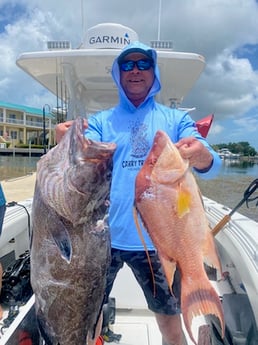
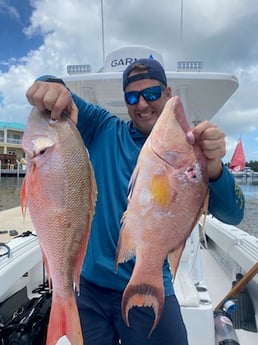
    Hogfish is one of the more exotic-looking reef fish encountered when offshore fishing. A large bottom-feeder, Hogfish are targeted in areas just inshore and offshore of the main reef locations. Hog Snapper, or Hogfish, is a large species of wrasse that is easily identified by its long, hog-like snout and extendable mouth, which allow the fish to feed on bottom-dwelling mollusks and crustacea. Larger individuals will generally occur in the main reef area, with smaller fish residing among the patch reefs. Hogfish have a strong, flat body that makes even small fish exceptional fighters, and they are considered to be a delicacy in the Florida Keys. Flaky texture and a sweet-rich flavor similar to Scallops have earned the Hogfish a place on the menus of most restaurants. Hogfish have become a highly coveted species for traditional anglers over the last several years. Luckily for us on the gulf side of Florida, Hogfish season is open year-round. In order to be able to keep your catch the Hogfish’s fork length must be at least 14”. The daily bag limit in the Gulf of Mexico is 5 hogfish per harvester. This species is one of the most underrated when it comes to food. However, anyone who has eaten one of their catches knows how delicious they are. Some argue that hogfish may even be tastier than a snapper or flounder fillet.
    Hogfish is one of the more exotic-looking reef fish encountered when offshore fishing. A large bottom-feeder, Hogfish are targeted in areas just inshore and offshore of the main reef locations. Hog Snapper, or Hogfish, is a large species of wrasse that is easily identified by its long, hog-like snout and extendable mouth, which allow the fish to feed on bottom-dwelling mollusks and crustacea. Larger individuals will generally occur in the main reef area, with smaller fish residing among the patch reefs. Hogfish have a strong, flat body that makes even small fish exceptional fighters, and they are considered to be a delicacy in the Florida Keys. Flaky texture and a sweet-rich flavor similar to Scallops have earned the Hogfish a place on the menus of most restaurants. Hogfish have become a highly coveted species for traditional anglers over the last several years. Luckily for us on the gulf side of Florida, Hogfish season is open year-round. In order to be able to keep your catch the Hogfish’s fork length must be at least 14”. The daily bag limit in the Gulf of Mexico is 5 hogfish per harvester. This species is one of the most underrated when it comes to food. However, anyone who has eaten one of their catches knows how delicious they are. Some argue that hogfish may even be tastier than a snapper or flounder fillet.
    Hogfish is one of the more exotic-looking reef fish encountered when offshore fishing. A large bottom-feeder, Hogfish are targeted in areas just inshore and offshore of the main reef locations. Hog Snapper, or Hogfish, is a large species of wrasse that is easily identified by its long, hog-like snout and extendable mouth, which allow the fish to feed on bottom-dwelling mollusks and crustacea. Larger individuals will generally occur in the main reef area, with smaller fish residing among the patch reefs. Hogfish have a strong, flat body that makes even small fish exceptional fighters, and they are considered to be a delicacy in the Florida Keys. Flaky texture and a sweet-rich flavor similar to Scallops have earned the Hogfish a place on the menus of most restaurants. Hogfish have become a highly coveted species for traditional anglers over the last several years. Luckily for us on the gulf side of Florida, Hogfish season is open year-round. In order to be able to keep your catch the Hogfish’s fork length must be at least 14”. The daily bag limit in the Gulf of Mexico is 5 hogfish per harvester. This species is one of the most underrated when it comes to food. However, anyone who has eaten one of their catches knows how delicious they are. Some argue that hogfish may even be tastier than a snapper or flounder fillet.

Fishing report from Jason Y. in Destin, Florida

Fishing report from Joe B. in Holmes Beach, Florida

    Micro tarpon bite has been on fire for the 8hr trips

Fishing report from Ray C. in St. Petersburg, Florida

    The nearshore bite been really good, hogfish, kingfish, Cobia and Bonita. Depending on the weather.
    The nearshore bite been really good, hogfish, kingfish, Cobia and Bonita. Depending on the weather.

Fishing report from Michael O. in Fort Lauderdale, Florida

Fishing report from Ron F. in Clearwater, Florida

    The Best Snapper Species Snappers are a fish family that need no introduction. Anglers from all over the world come to Florida to Target & catch them and love them for a variety of reasons. They’re usually easy to locate, are abundant in population, and provide a tasty treat. Just the names “Mangrove Snapper” and “Red Snapper” get every saltwater fisher’s heart racing. But before you think about cooking one up for a tasty treat, we will get U locked & loaded to land a boat load full. We are very fortunate on the West Coast Florida Gulf of Mexico with the Mangrove and the Red Snapper. But other common species include the Cubera Snapper, Lane Snapper, Mutton Snapper, and Yellowtail Snapper. There are actually a total of 125 Snapper species that inhabit the earth’s oceans! Mangrove Snapper These guys have a red or pinkish tint that covers their small, rough scales. And don’t be fooled by their little teeth – they’re seriously sharp! To know where to find these fish, take a hint from their name. You’ll find them in mangrove islands but you can also find them hanging around docks, piers, grass flats, and more. Red Snapper Next up we have one of the largest and most favorable Snapper species, the Red Snapper. This species puts up a tough fight in offshore waters and can weigh up to 50 pounds! They’re also among the best-tasting fish species, period. Unfortunately, though, they’ve been overfished in many places, so there are strict seasons in place, especially here in Florida. Cubera Snapper The Cubera Snapper is another large Snapper species, with the biggest recorded weighing 120 pounds. They can be harder to find and make more of a rare appearance. But that just makes it more exciting when you catch one! These fish are more commonly found in deeper wrecks and reefs. Lane Snapper Next up we have Lane Snapper. A step down from Cubera Snapper, these little guys reach maximum lengths of 20 inches. But what they lack in size, they make up in strength. Lane Snapper will try and take any bait you present, even if that means grabbing it before a larger fish can. They have a pretty mix of white, yellow, and pink to create a tropical-looking fish. And, as with most Snappers, their fillets are quite delicious as well. Mutton Snapper The Mutton Snapper almost looks like a mix of the Mangrove and Lane Snapper, except they’re quite a bit larger. These guys range in size and you catch smaller ones or large ones out on the reefs. Yellowtail Snapper Last on the list, we have Yellowtail Snapper. Another fish on the smaller side, these fish are cute and can be recognized easily by their yellow tails – hence their name. They heavily populate southern Florida, where anglers can constantly rip them up and head home with a small but delicious treat! Snapper Fishing Rules and Regulations Now that you’re aware of common Snapper species, let’s talk about rules and regulations. As mentioned, there are tons of Snapper species out there. That means there are different types of rules for different types of fish, including maximum and minimum lengths, bag limits, and more. It’s very important that you know the difference in regulations for each species. We have You fully covered. We have the Federal Pelagic Species's Permits & NOAA Reef Permits to legally land any/all these snapper Species including ARS - American Red Snapper during the Federal Regulation Season Gulf of Mexico June - Aug We are Fully Credentialed to both Target & Deliver the Snapper Species you deserve & desire.
    The Best Snapper Species Snappers are a fish family that need no introduction. Anglers from all over the world come to Florida to Target & catch them and love them for a variety of reasons. They’re usually easy to locate, are abundant in population, and provide a tasty treat. Just the names “Mangrove Snapper” and “Red Snapper” get every saltwater fisher’s heart racing. But before you think about cooking one up for a tasty treat, we will get U locked & loaded to land a boat load full. We are very fortunate on the West Coast Florida Gulf of Mexico with the Mangrove and the Red Snapper. But other common species include the Cubera Snapper, Lane Snapper, Mutton Snapper, and Yellowtail Snapper. There are actually a total of 125 Snapper species that inhabit the earth’s oceans! Mangrove Snapper These guys have a red or pinkish tint that covers their small, rough scales. And don’t be fooled by their little teeth – they’re seriously sharp! To know where to find these fish, take a hint from their name. You’ll find them in mangrove islands but you can also find them hanging around docks, piers, grass flats, and more. Red Snapper Next up we have one of the largest and most favorable Snapper species, the Red Snapper. This species puts up a tough fight in offshore waters and can weigh up to 50 pounds! They’re also among the best-tasting fish species, period. Unfortunately, though, they’ve been overfished in many places, so there are strict seasons in place, especially here in Florida. Cubera Snapper The Cubera Snapper is another large Snapper species, with the biggest recorded weighing 120 pounds. They can be harder to find and make more of a rare appearance. But that just makes it more exciting when you catch one! These fish are more commonly found in deeper wrecks and reefs. Lane Snapper Next up we have Lane Snapper. A step down from Cubera Snapper, these little guys reach maximum lengths of 20 inches. But what they lack in size, they make up in strength. Lane Snapper will try and take any bait you present, even if that means grabbing it before a larger fish can. They have a pretty mix of white, yellow, and pink to create a tropical-looking fish. And, as with most Snappers, their fillets are quite delicious as well. Mutton Snapper The Mutton Snapper almost looks like a mix of the Mangrove and Lane Snapper, except they’re quite a bit larger. These guys range in size and you catch smaller ones or large ones out on the reefs. Yellowtail Snapper Last on the list, we have Yellowtail Snapper. Another fish on the smaller side, these fish are cute and can be recognized easily by their yellow tails – hence their name. They heavily populate southern Florida, where anglers can constantly rip them up and head home with a small but delicious treat! Snapper Fishing Rules and Regulations Now that you’re aware of common Snapper species, let’s talk about rules and regulations. As mentioned, there are tons of Snapper species out there. That means there are different types of rules for different types of fish, including maximum and minimum lengths, bag limits, and more. It’s very important that you know the difference in regulations for each species. We have You fully covered. We have the Federal Pelagic Species's Permits & NOAA Reef Permits to legally land any/all these snapper Species including ARS - American Red Snapper during the Federal Regulation Season Gulf of Mexico June - Aug We are Fully Credentialed to both Target & Deliver the Snapper Species you deserve & desire.
    The Best Snapper Species Snappers are a fish family that need no introduction. Anglers from all over the world come to Florida to Target & catch them and love them for a variety of reasons. They’re usually easy to locate, are abundant in population, and provide a tasty treat. Just the names “Mangrove Snapper” and “Red Snapper” get every saltwater fisher’s heart racing. But before you think about cooking one up for a tasty treat, we will get U locked & loaded to land a boat load full. We are very fortunate on the West Coast Florida Gulf of Mexico with the Mangrove and the Red Snapper. But other common species include the Cubera Snapper, Lane Snapper, Mutton Snapper, and Yellowtail Snapper. There are actually a total of 125 Snapper species that inhabit the earth’s oceans! Mangrove Snapper These guys have a red or pinkish tint that covers their small, rough scales. And don’t be fooled by their little teeth – they’re seriously sharp! To know where to find these fish, take a hint from their name. You’ll find them in mangrove islands but you can also find them hanging around docks, piers, grass flats, and more. Red Snapper Next up we have one of the largest and most favorable Snapper species, the Red Snapper. This species puts up a tough fight in offshore waters and can weigh up to 50 pounds! They’re also among the best-tasting fish species, period. Unfortunately, though, they’ve been overfished in many places, so there are strict seasons in place, especially here in Florida. Cubera Snapper The Cubera Snapper is another large Snapper species, with the biggest recorded weighing 120 pounds. They can be harder to find and make more of a rare appearance. But that just makes it more exciting when you catch one! These fish are more commonly found in deeper wrecks and reefs. Lane Snapper Next up we have Lane Snapper. A step down from Cubera Snapper, these little guys reach maximum lengths of 20 inches. But what they lack in size, they make up in strength. Lane Snapper will try and take any bait you present, even if that means grabbing it before a larger fish can. They have a pretty mix of white, yellow, and pink to create a tropical-looking fish. And, as with most Snappers, their fillets are quite delicious as well. Mutton Snapper The Mutton Snapper almost looks like a mix of the Mangrove and Lane Snapper, except they’re quite a bit larger. These guys range in size and you catch smaller ones or large ones out on the reefs. Yellowtail Snapper Last on the list, we have Yellowtail Snapper. Another fish on the smaller side, these fish are cute and can be recognized easily by their yellow tails – hence their name. They heavily populate southern Florida, where anglers can constantly rip them up and head home with a small but delicious treat! Snapper Fishing Rules and Regulations Now that you’re aware of common Snapper species, let’s talk about rules and regulations. As mentioned, there are tons of Snapper species out there. That means there are different types of rules for different types of fish, including maximum and minimum lengths, bag limits, and more. It’s very important that you know the difference in regulations for each species. We have You fully covered. We have the Federal Pelagic Species's Permits & NOAA Reef Permits to legally land any/all these snapper Species including ARS - American Red Snapper during the Federal Regulation Season Gulf of Mexico June - Aug We are Fully Credentialed to both Target & Deliver the Snapper Species you deserve & desire.

Fishing report from Keith N. in Madeira Beach, Florida

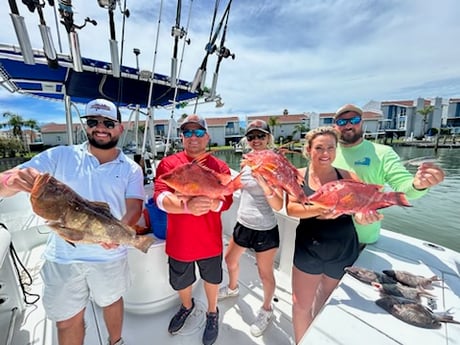
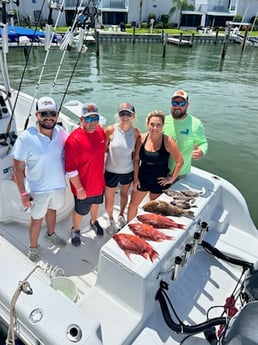
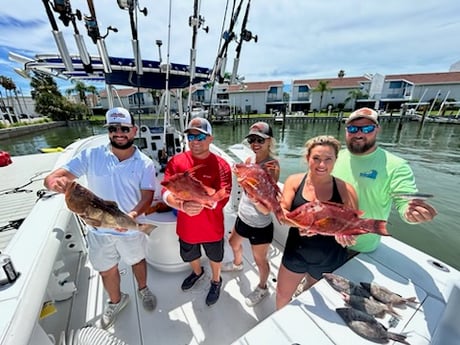
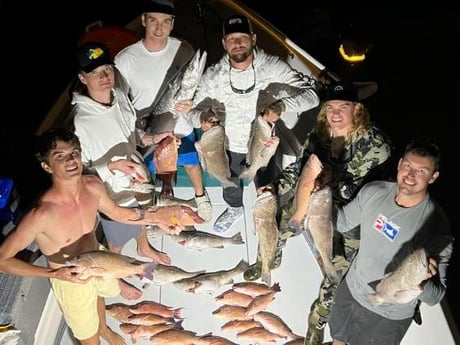
    Last 2 trips hogfish have been on fire
    Last 2 trips hogfish have been on fire
    Last 2 trips hogfish have been on fire
    Last 2 trips hogfish have been on fire
    Last 2 trips hogfish have been on fire

Fishing report from Jim V. in Clearwater, Florida Book a trip with Captain Jim here.
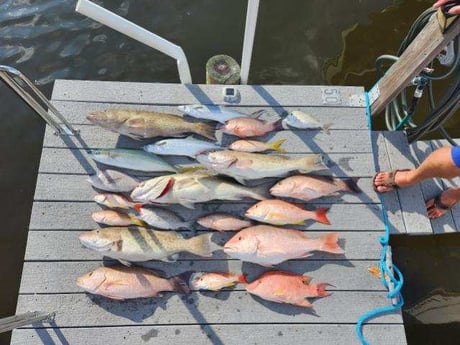
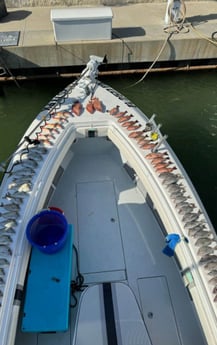
    Offshore the gags, mangos, red snapper are chewing. Hogfish are starting to bite. Inshore redfish, trout, and black drum are heating up.

Fishing report from Michael O. in Fort Lauderdale, Florida

Fishing report from Ron F. in Clearwater, Florida
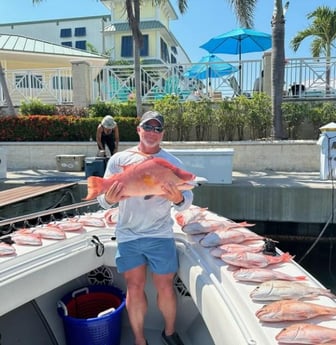
Fishing report from Ron W. in Port Aransas, Texas
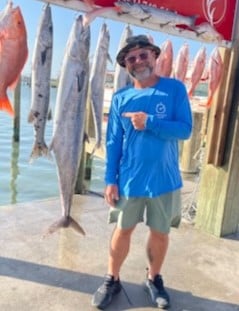
    Bill busters
Don't see your location? Sign up for expansion updates:

Enter to Win a

$500 DAMN GOOD GIFT CARD

Gift Card

Sign up to win $500 towards ANY trip. Winners drawn monthly.

By subscribing, you agree to receive marketing communications from Captain Experiences. To opt-out, click the unsubscribe button at the bottom of our emails. Privacy Policy and Terms & Conditions