Recently Booked Invasive Species Hunting Guides In Miami Beach, Fl
Invasive Species in Miami Beach
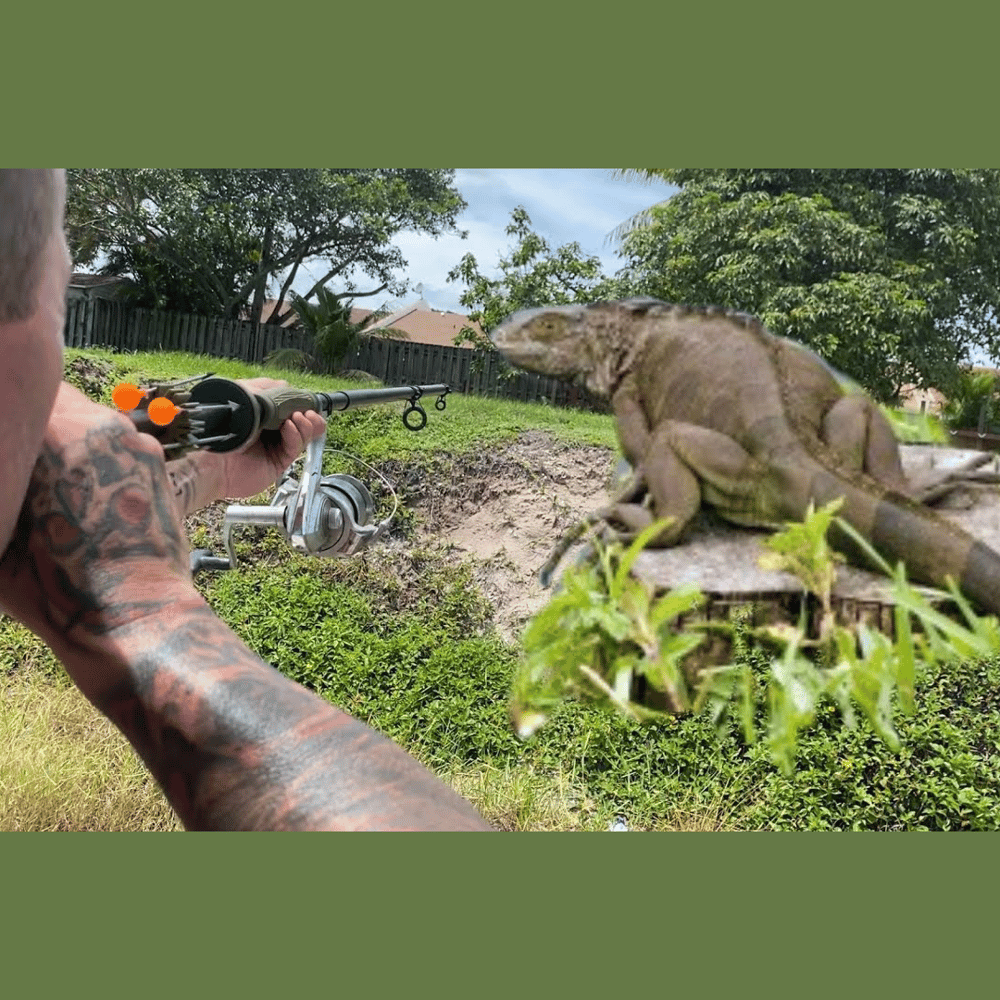
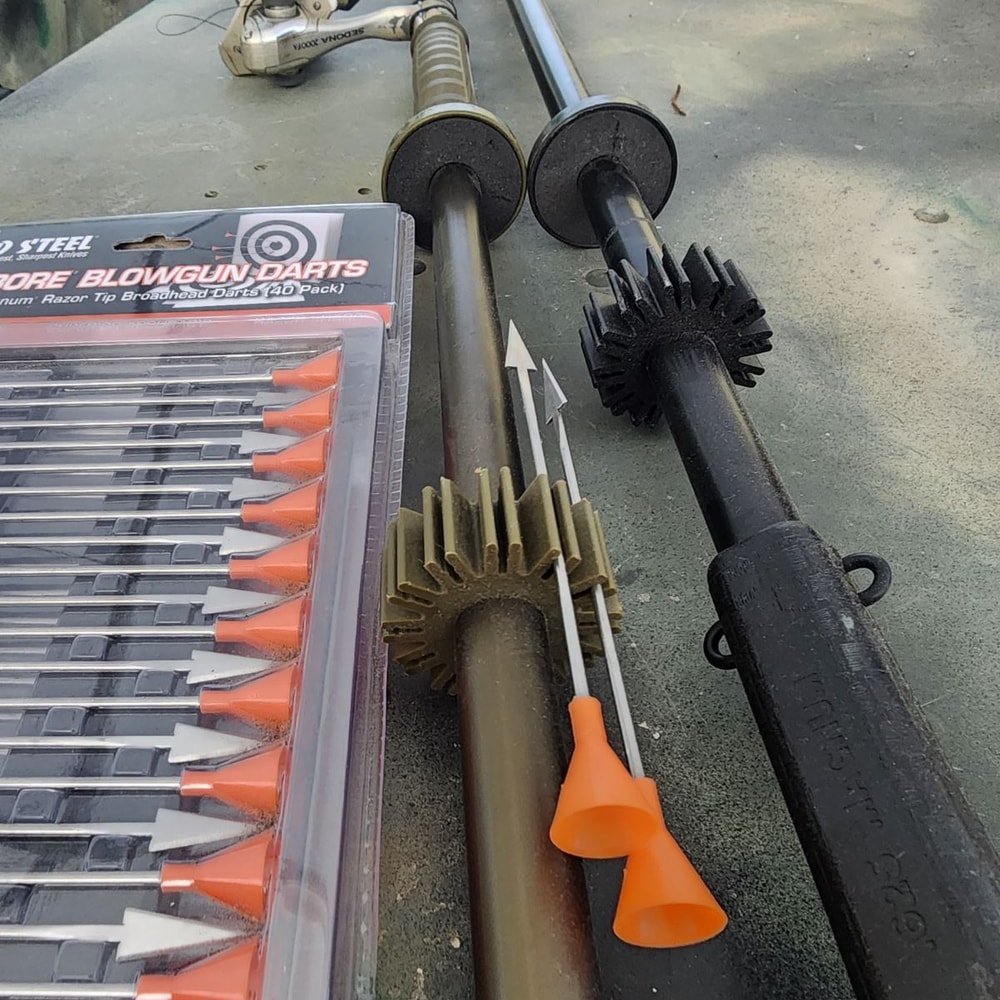
Iguana Blowgun Thriller!
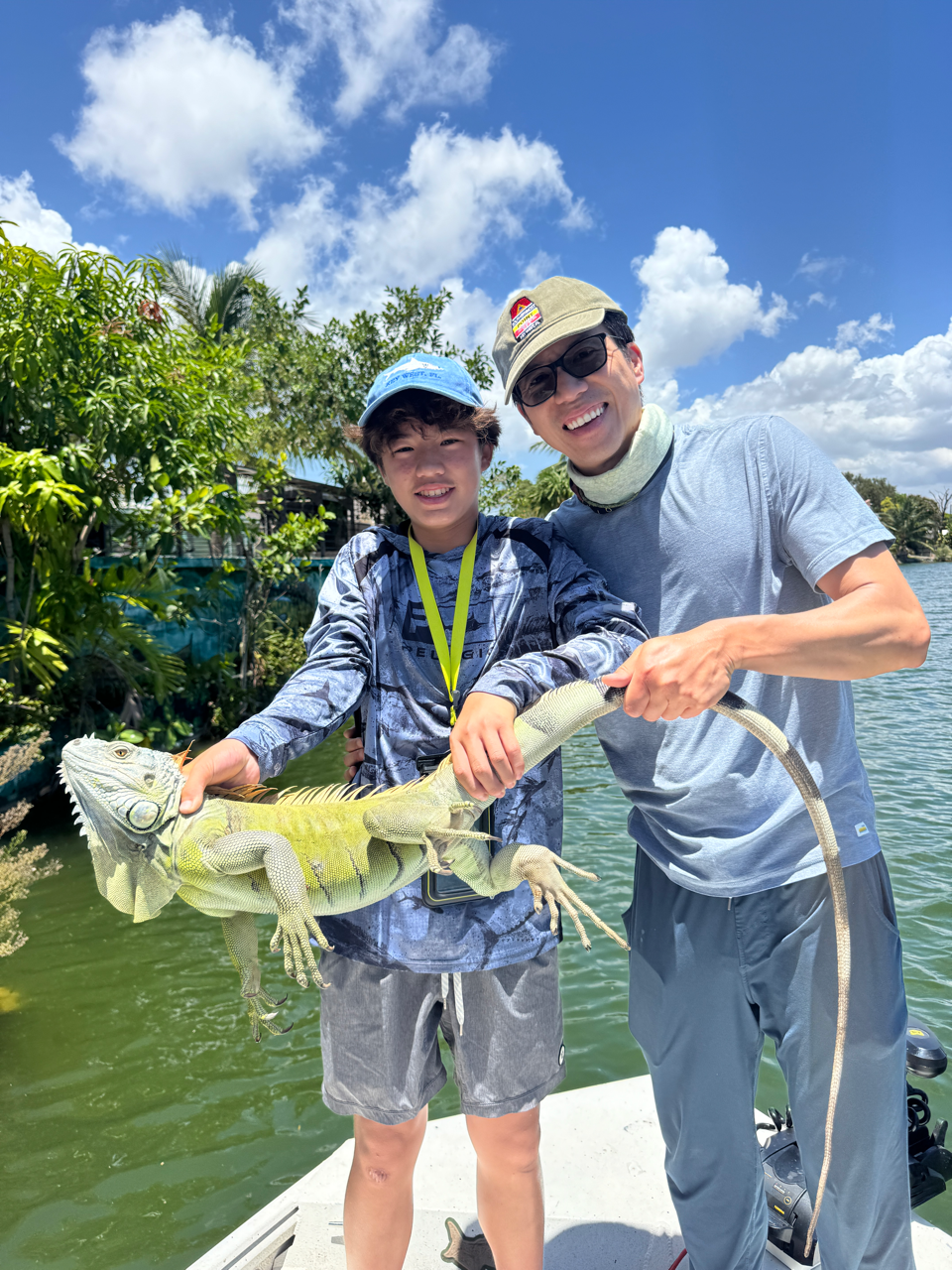
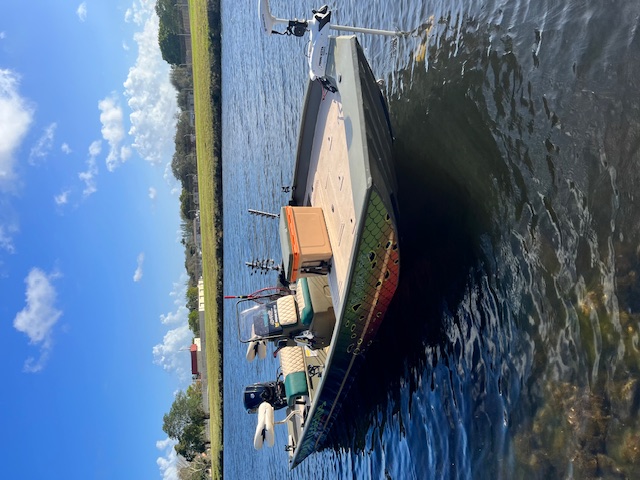
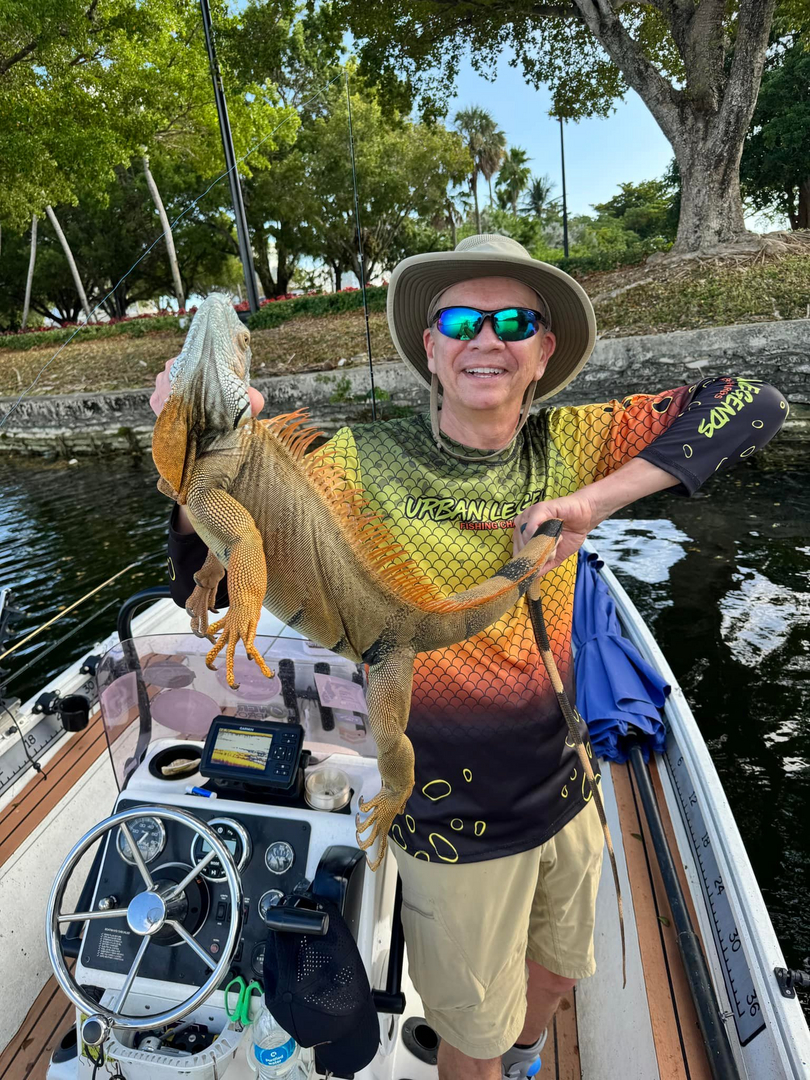
Invasive Species Hunting in Miami
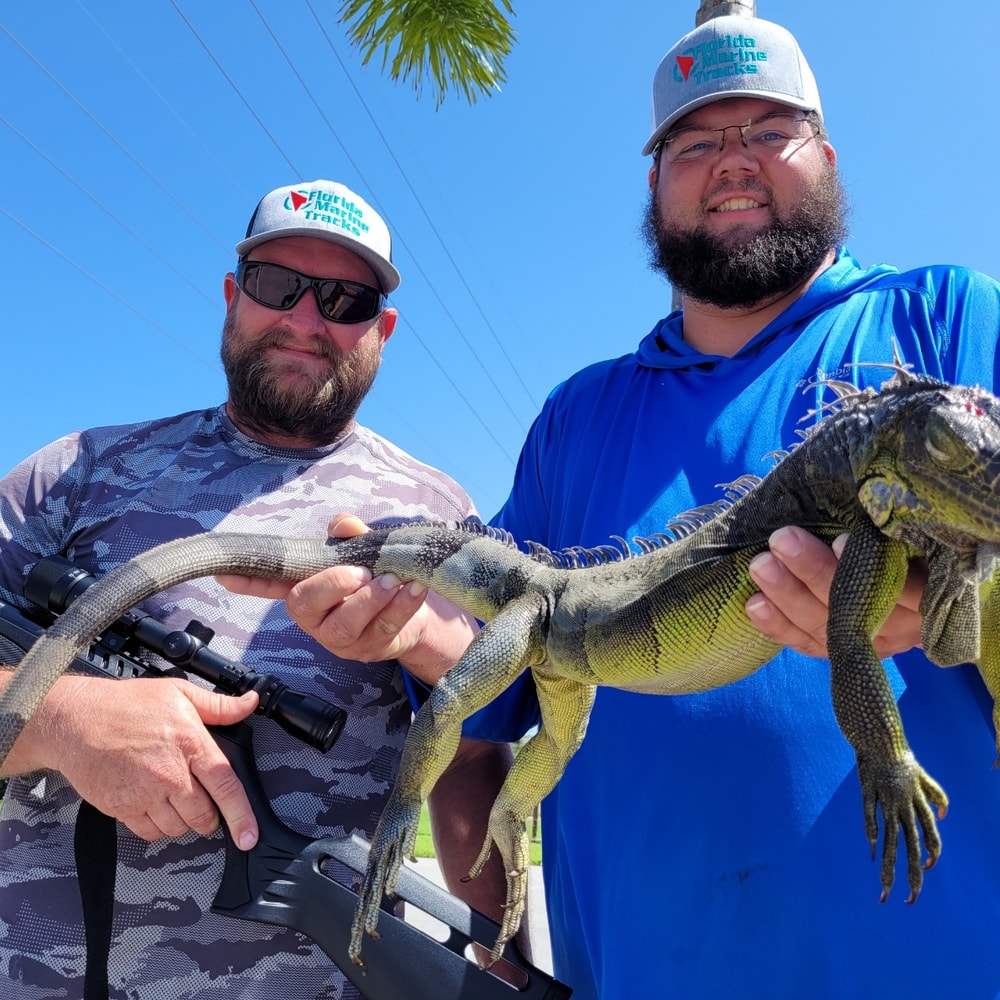
Iguana Hunting With Snagging
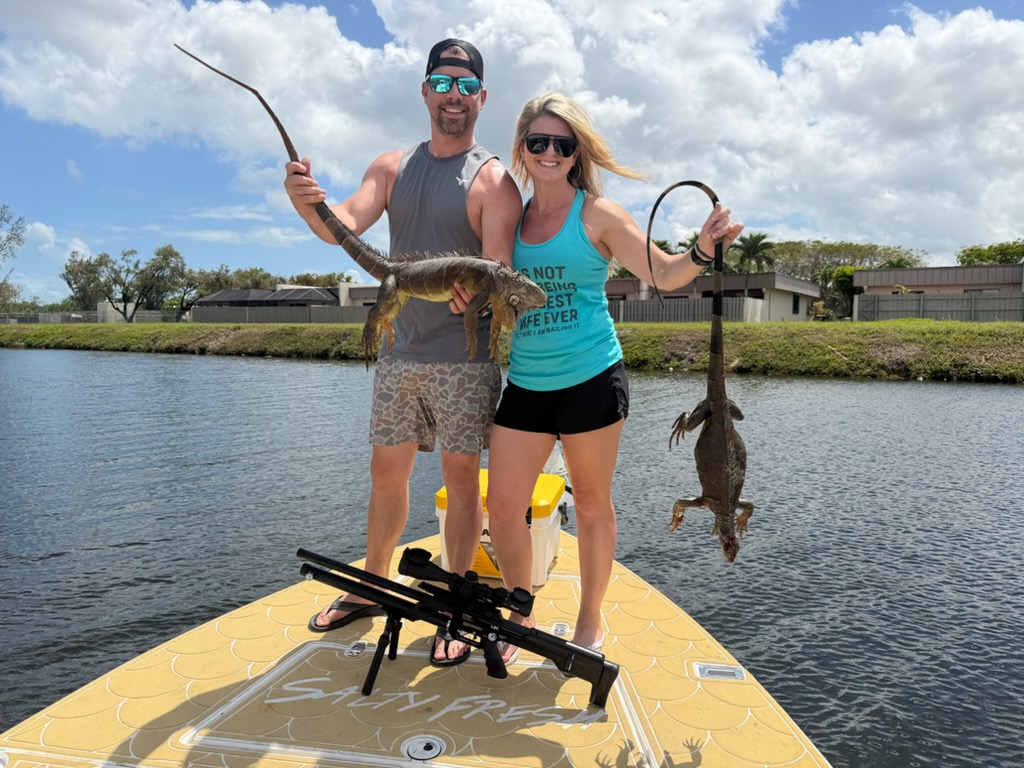
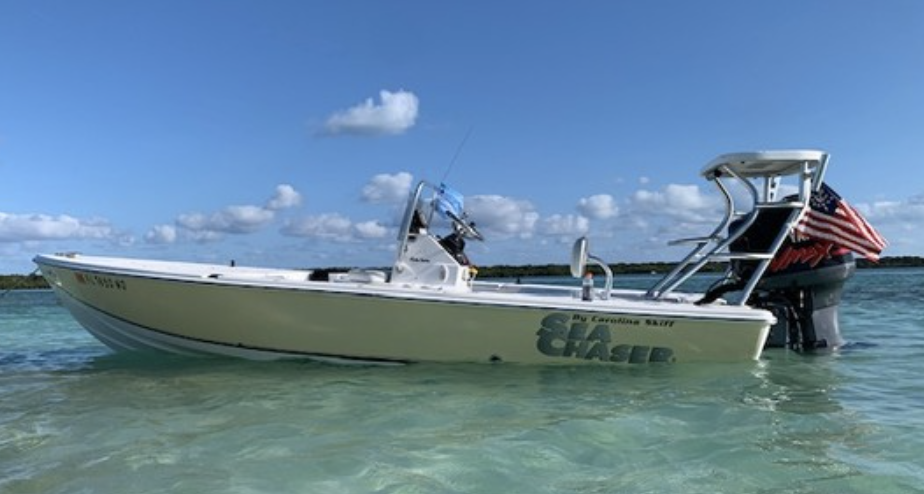
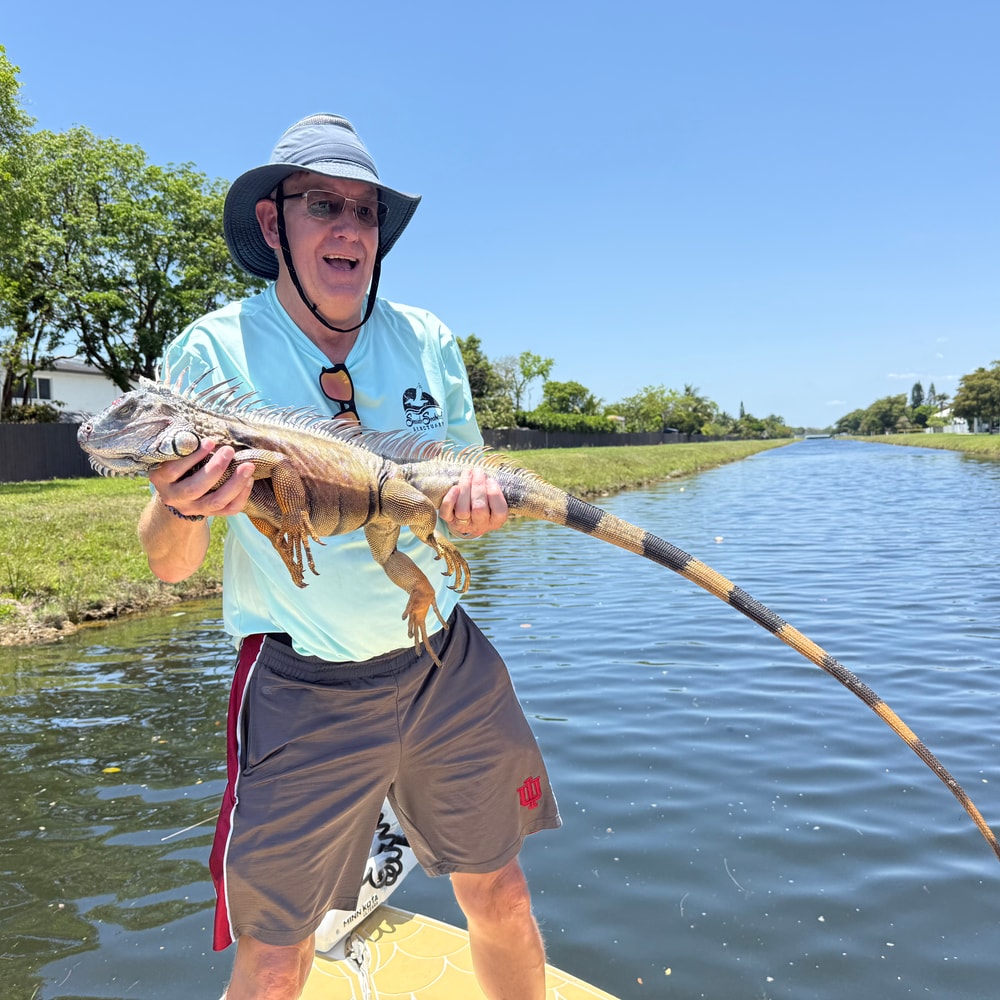
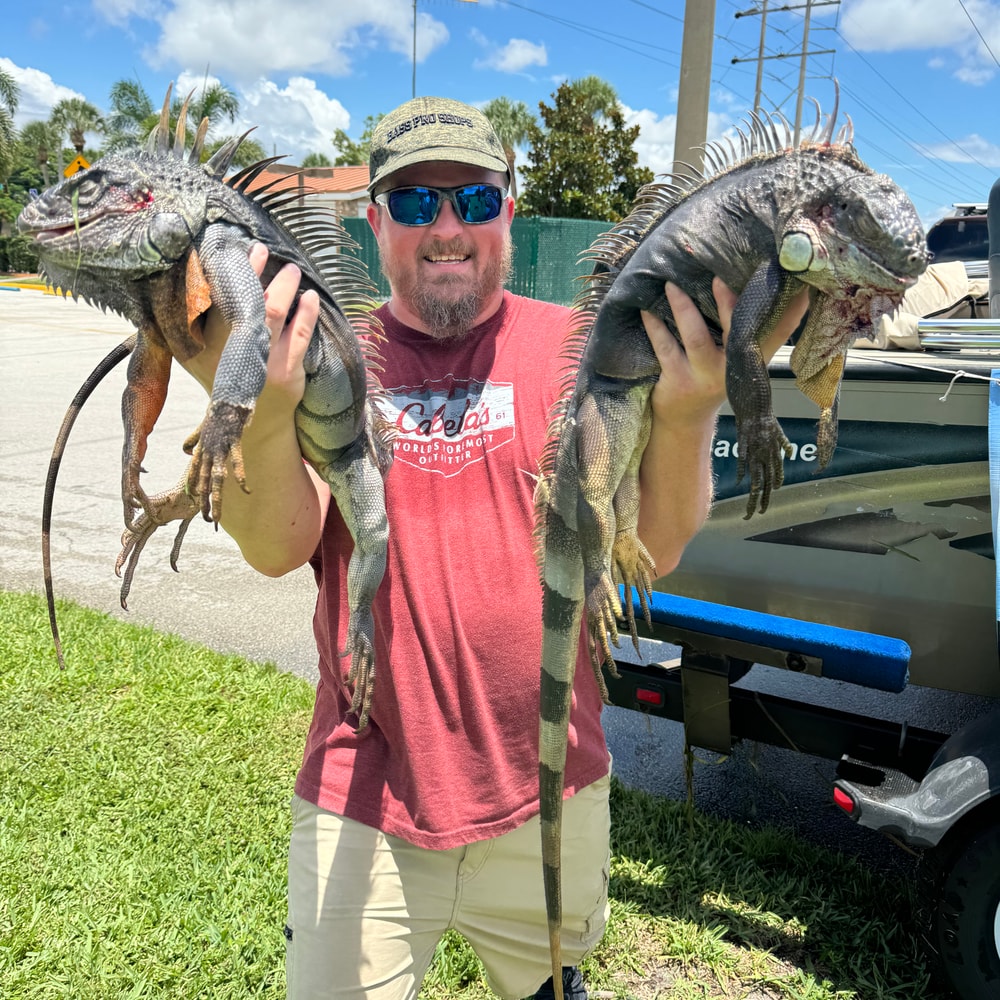
Iguana Hunt
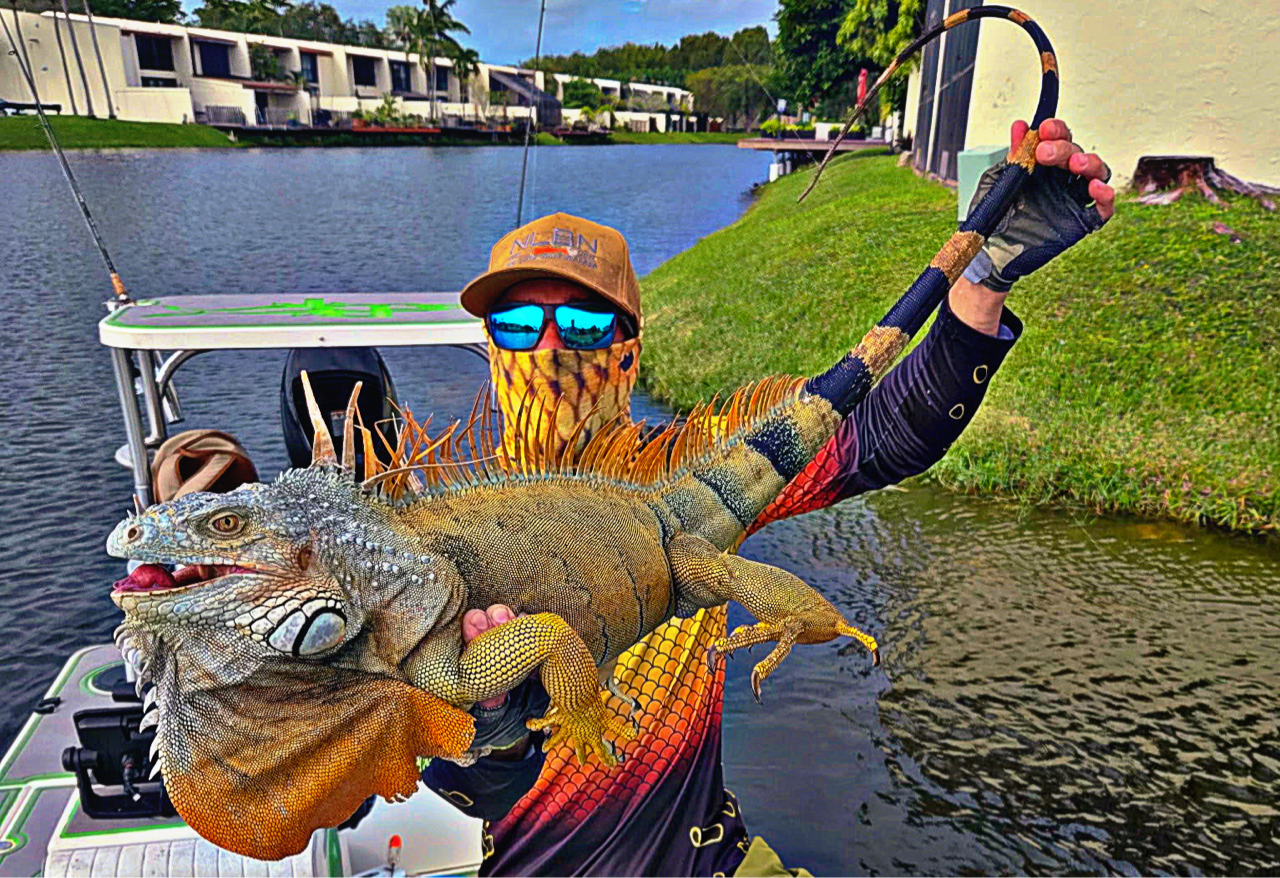
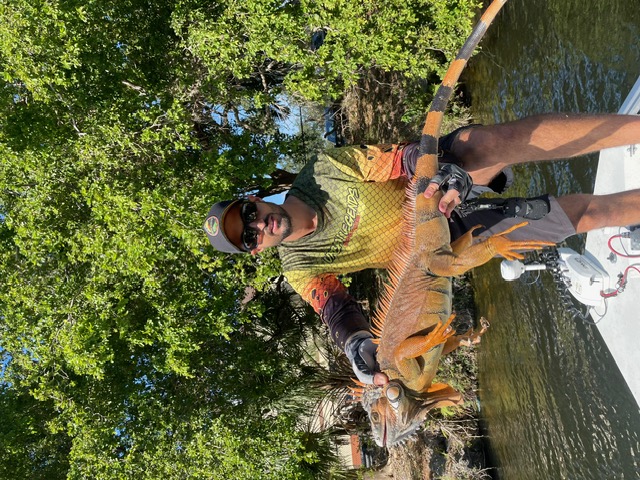
Invasive Species Hunting in Miami
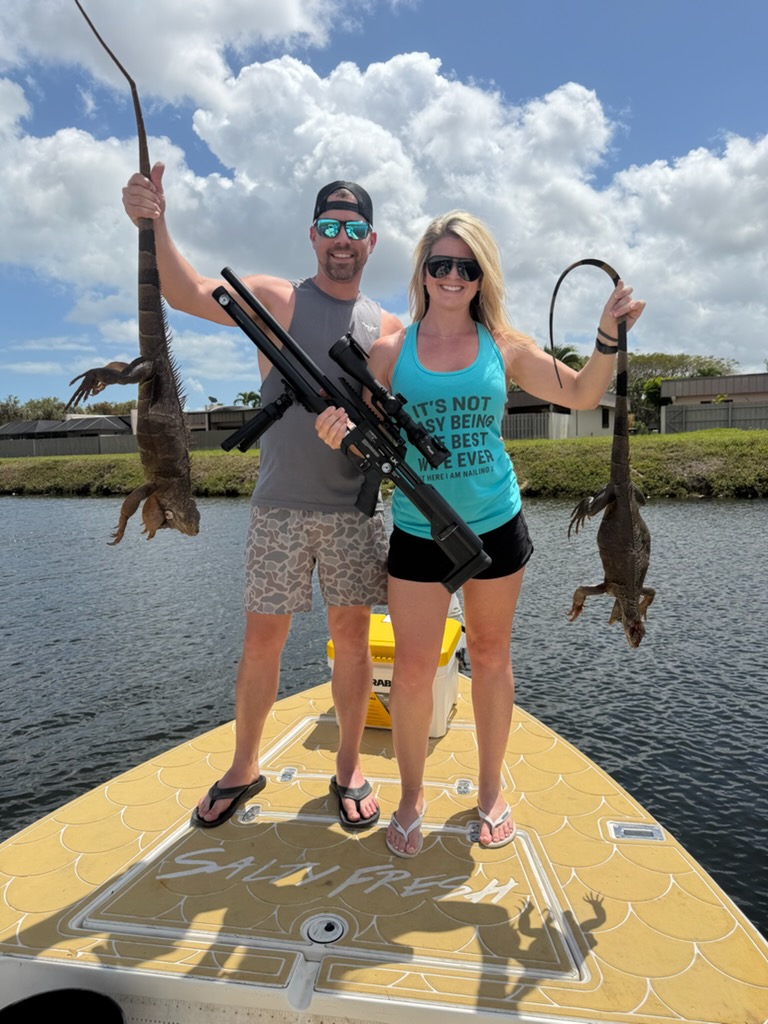
Iguana Hunt With Airguns
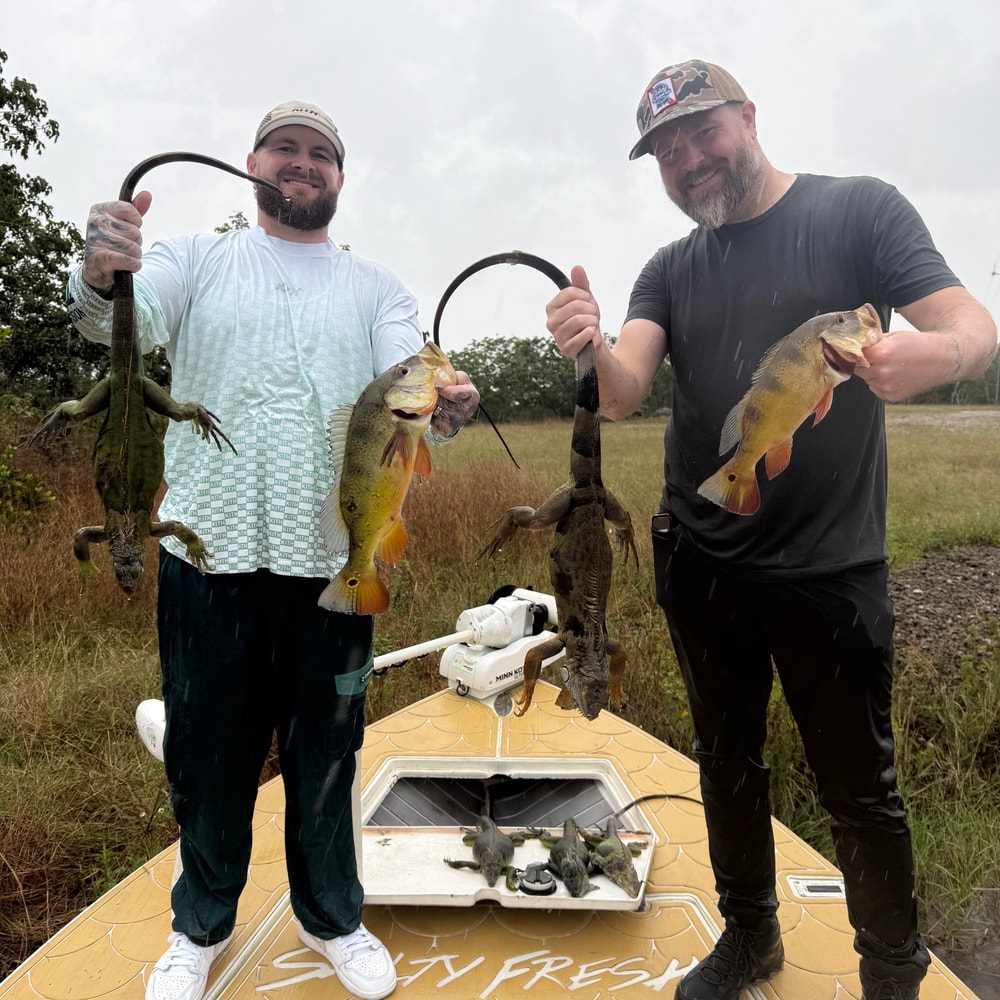
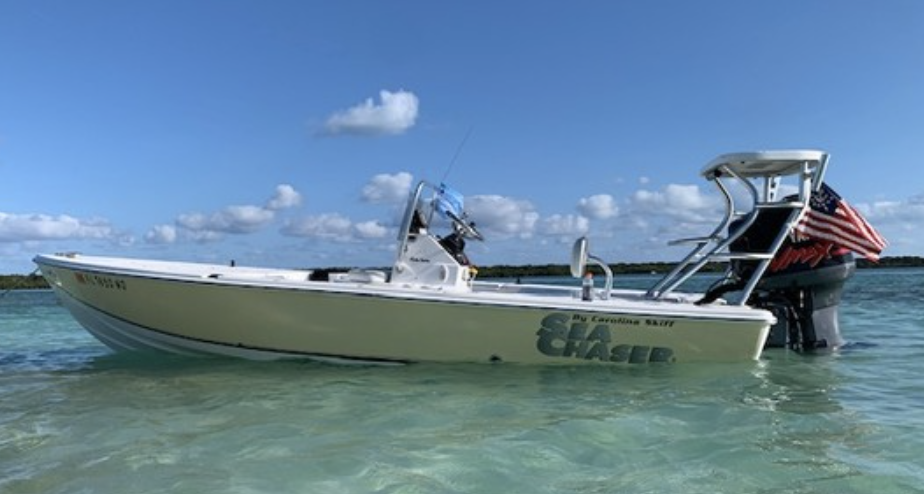
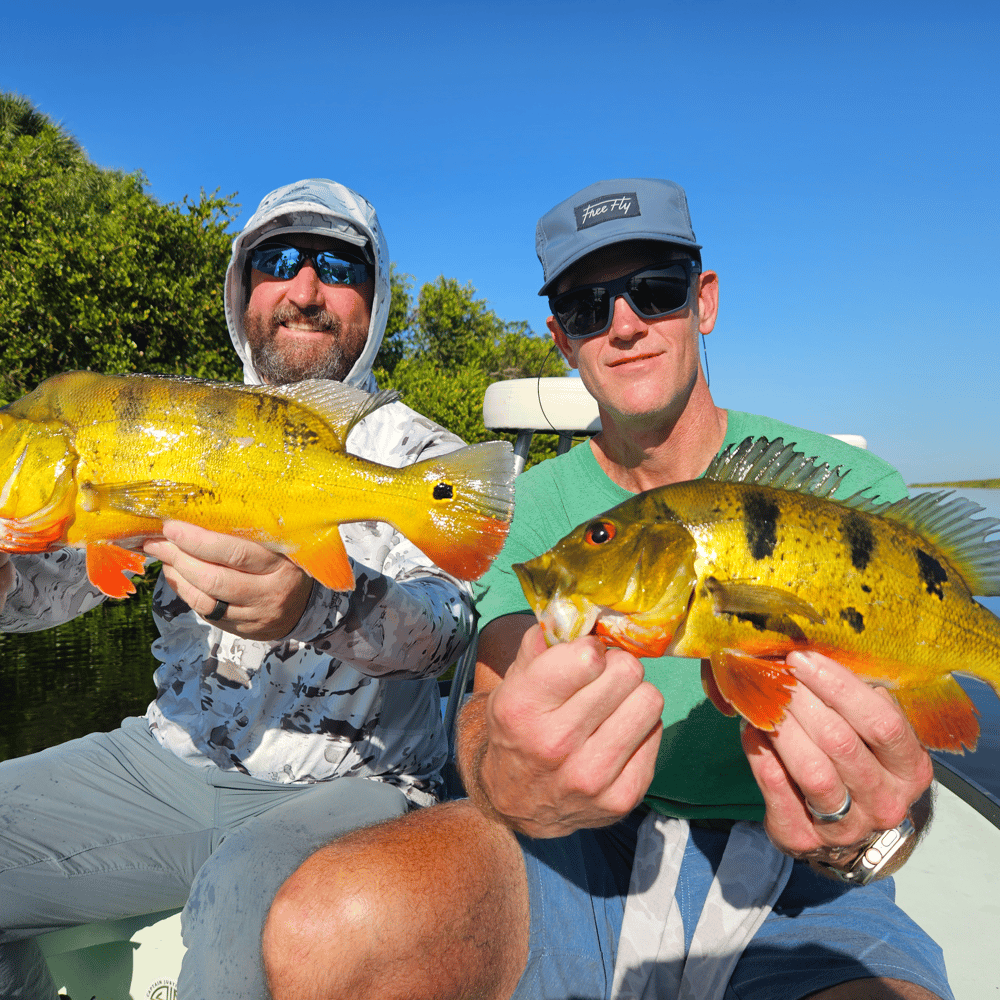
Peacock Bass + Iguana Cast & Blast
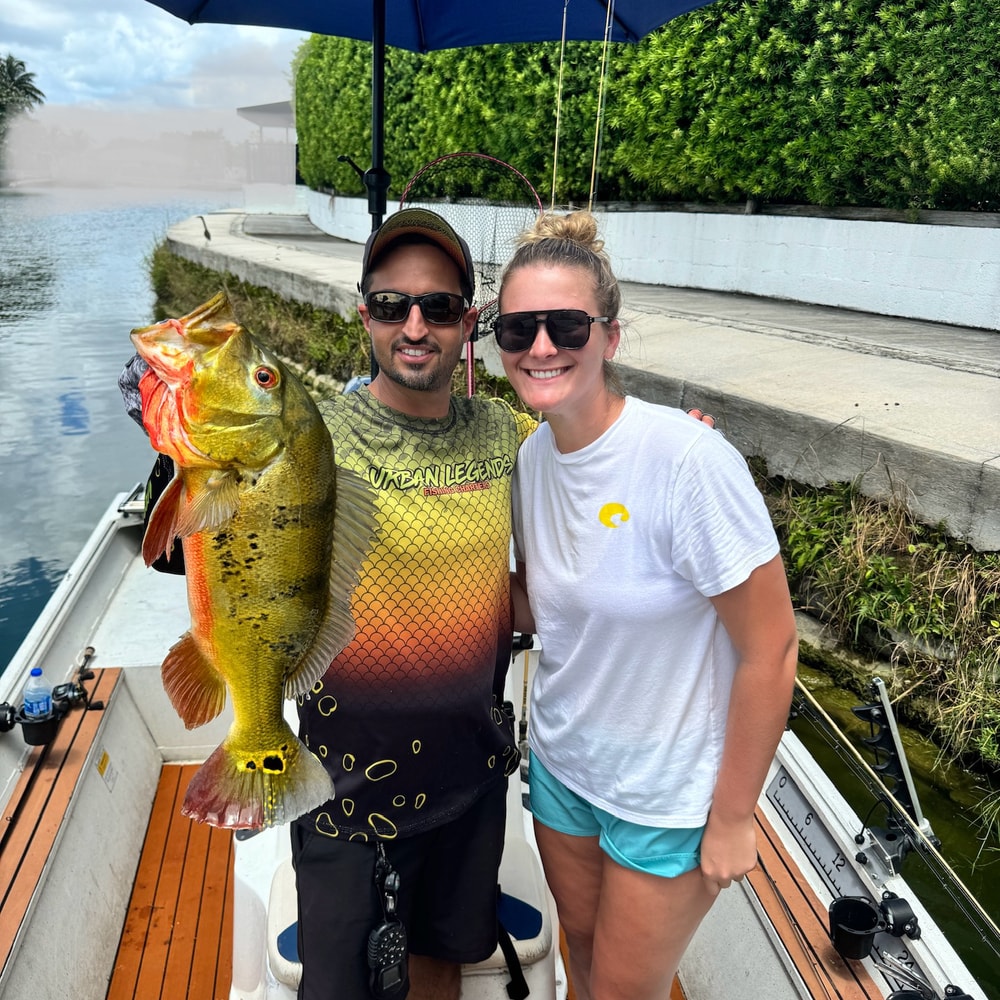

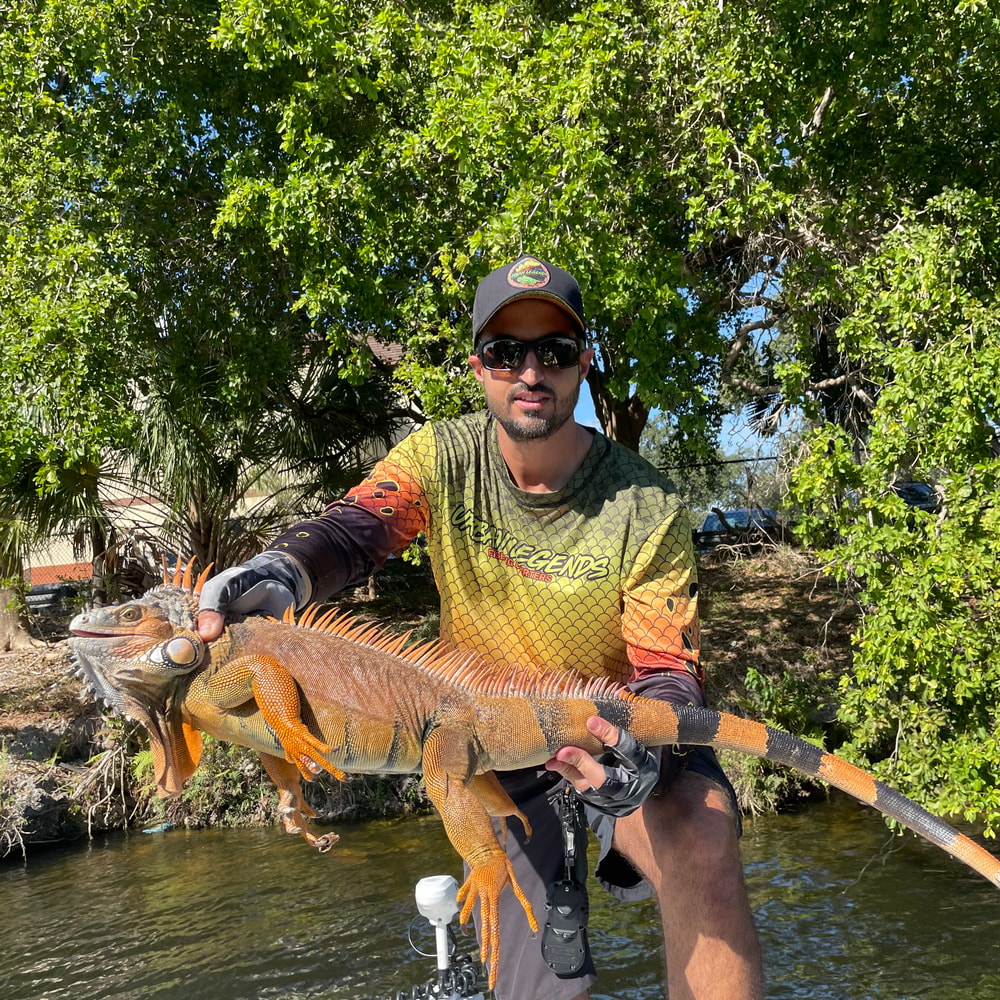
Peacock Bass + Iguana Charter
What makes Captain Experiences Damn Good?
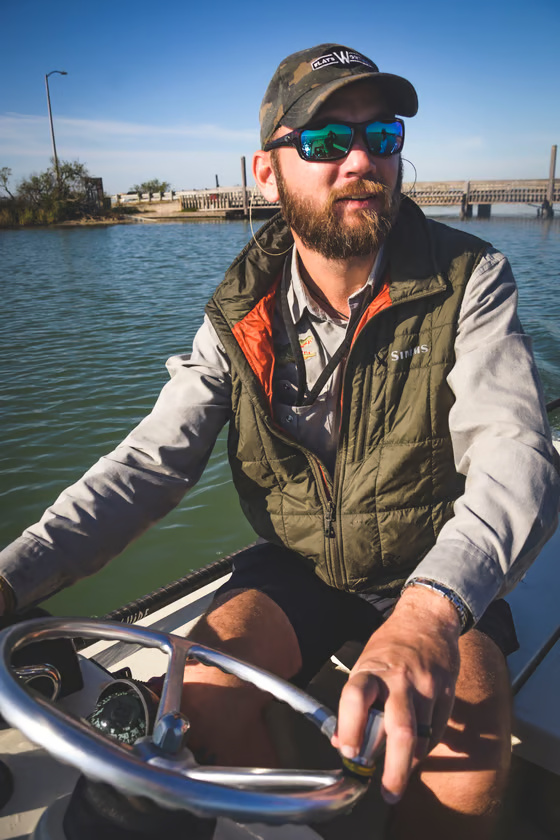
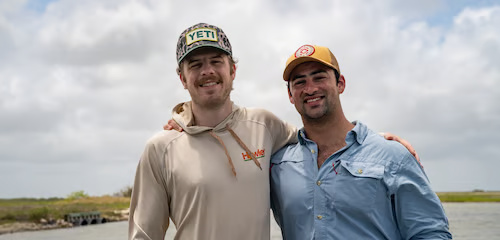
Damn Good Guides
You will only find quality, vetted guides on Captain Experiences, and we know them all on a first-name basis.
Experts Available 24/7
Our US-based team is available 24/7 to help you with any questions or concerns.
100% Weather Guarantee
We want to keep everyone safe, so if the weather is bad we'll work with you to reschedule at no cost.
4.9 / 5 Average Rating
We hand pick our Damn Good Guides, and our network spans across North America and beyond.
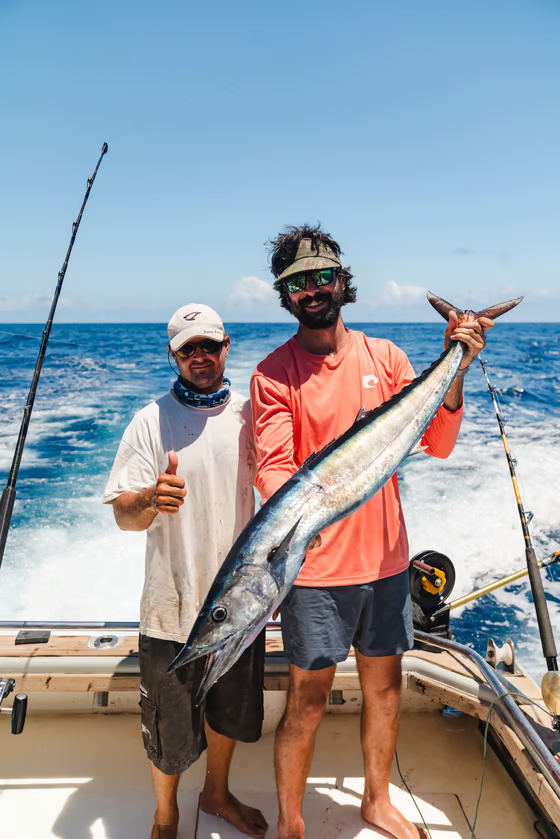
“Our Damn Good Guides go above and beyond, and we've handpicked every single one. We're passionate about the outdoors and look forward to getting you out on the trip of a lifetime, every time.”
Jonathan and Attison | Co-founders | Austin, Texas
All Target Species in Miami Beach
- Get it while it's HOT!
- This species is in play.
- You might get lucky (as long as things are in-season).
- Couldn't tell ya! (no data)
More Invasive Species Hunting Guides In Miami Beach, Fl
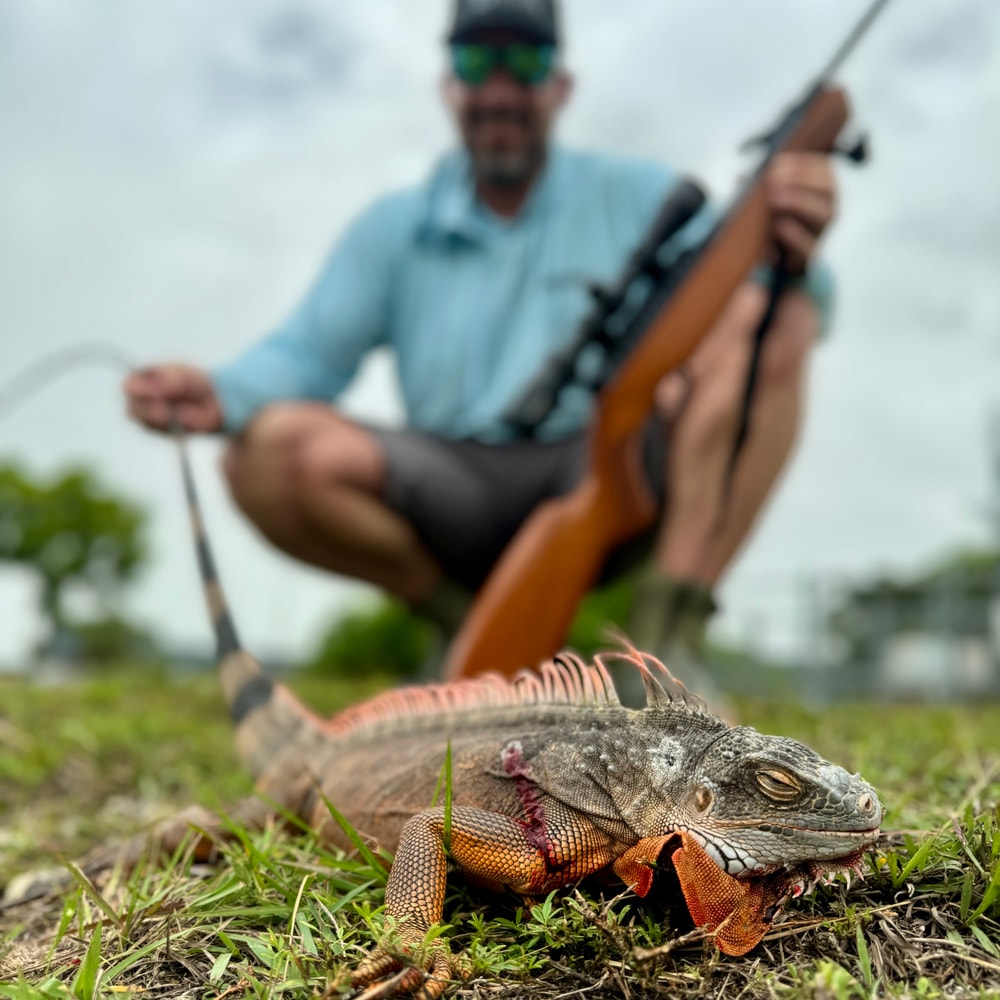
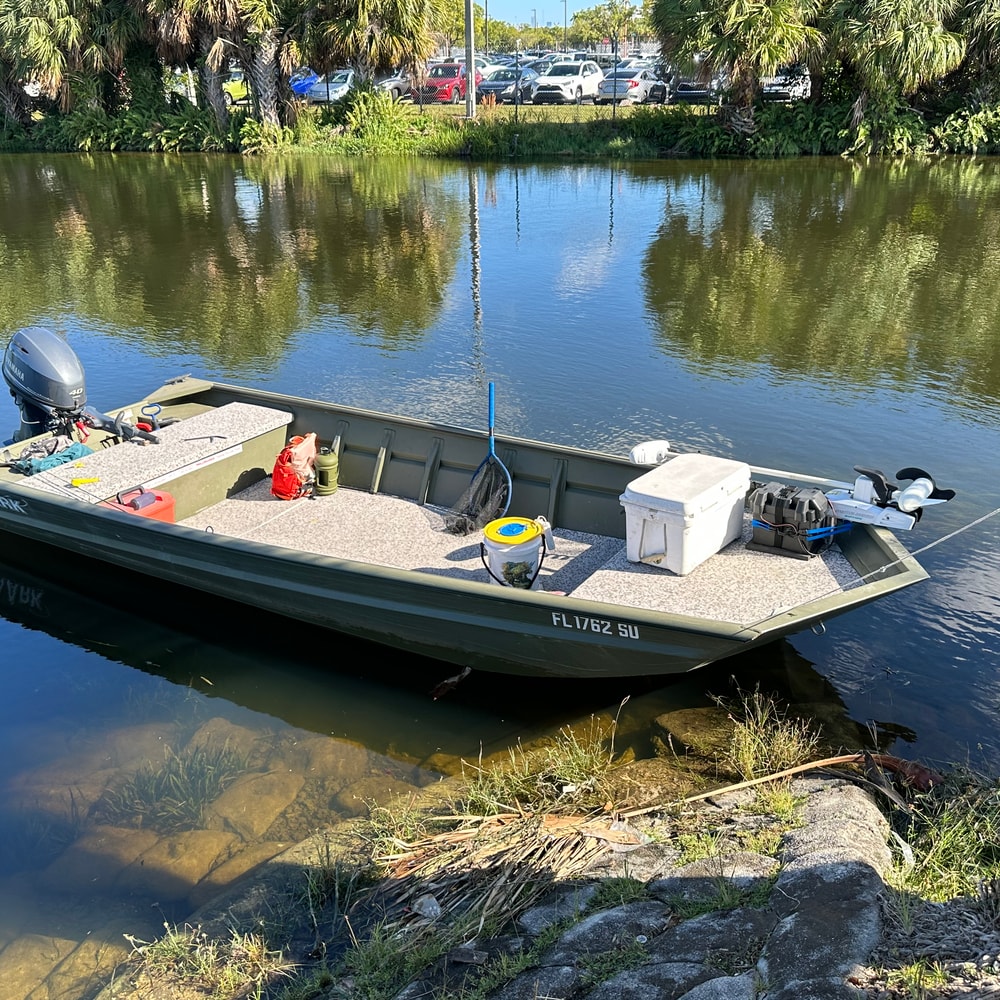
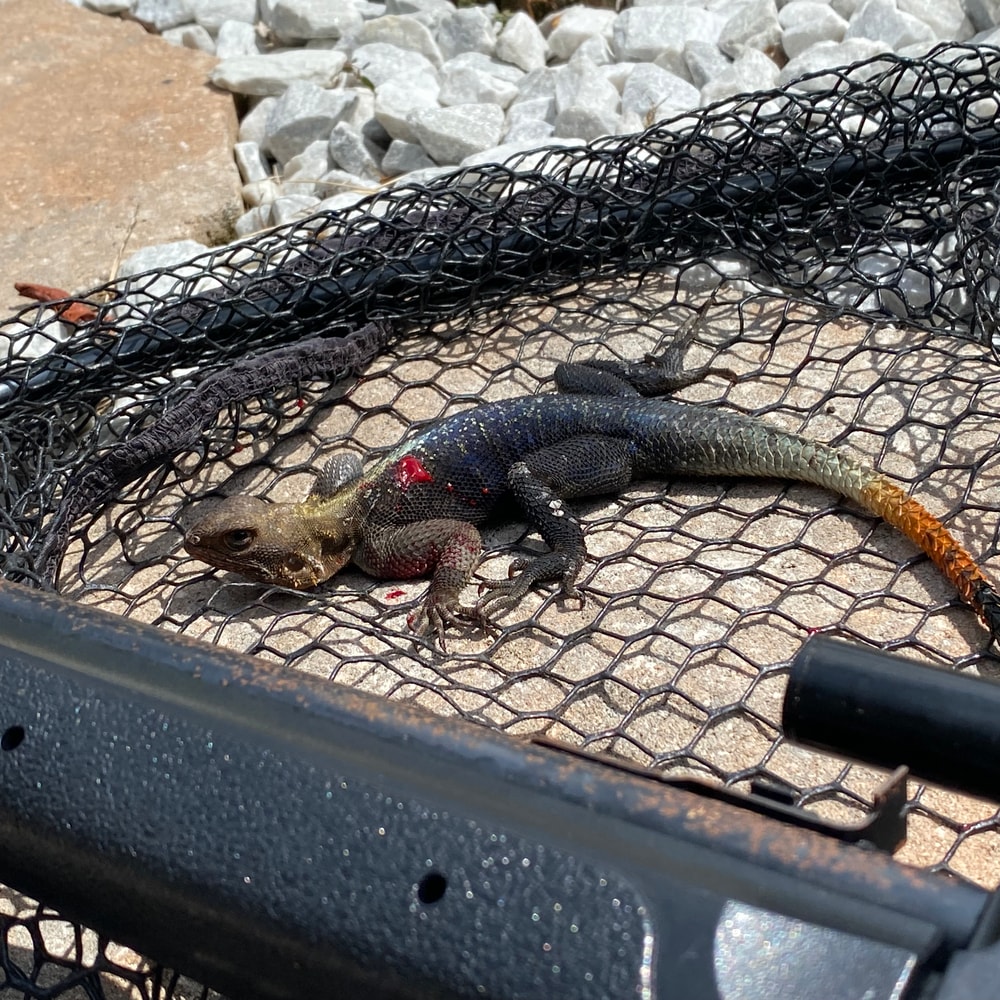
Miami Hook & Boom Trip
Cast & Blast in Fort Lauderdale
Iguana Hunting / Peacock Bass Combo
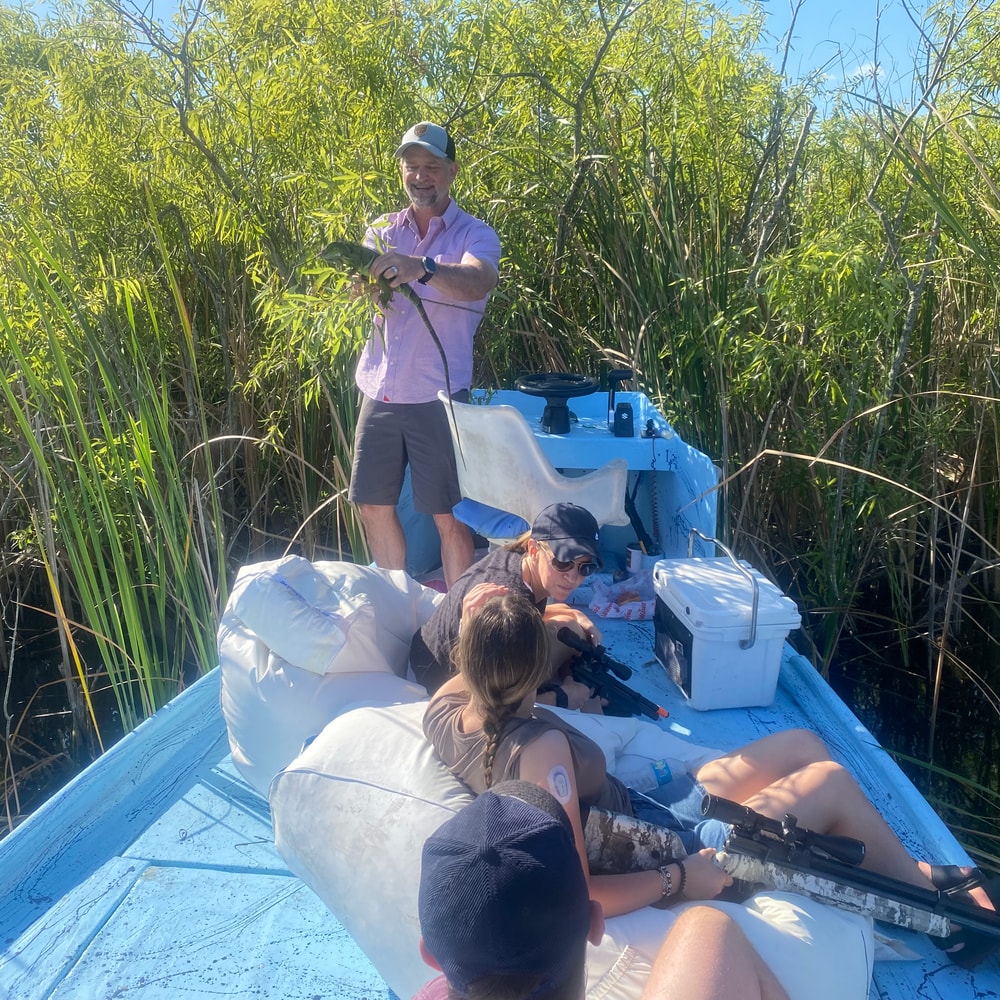
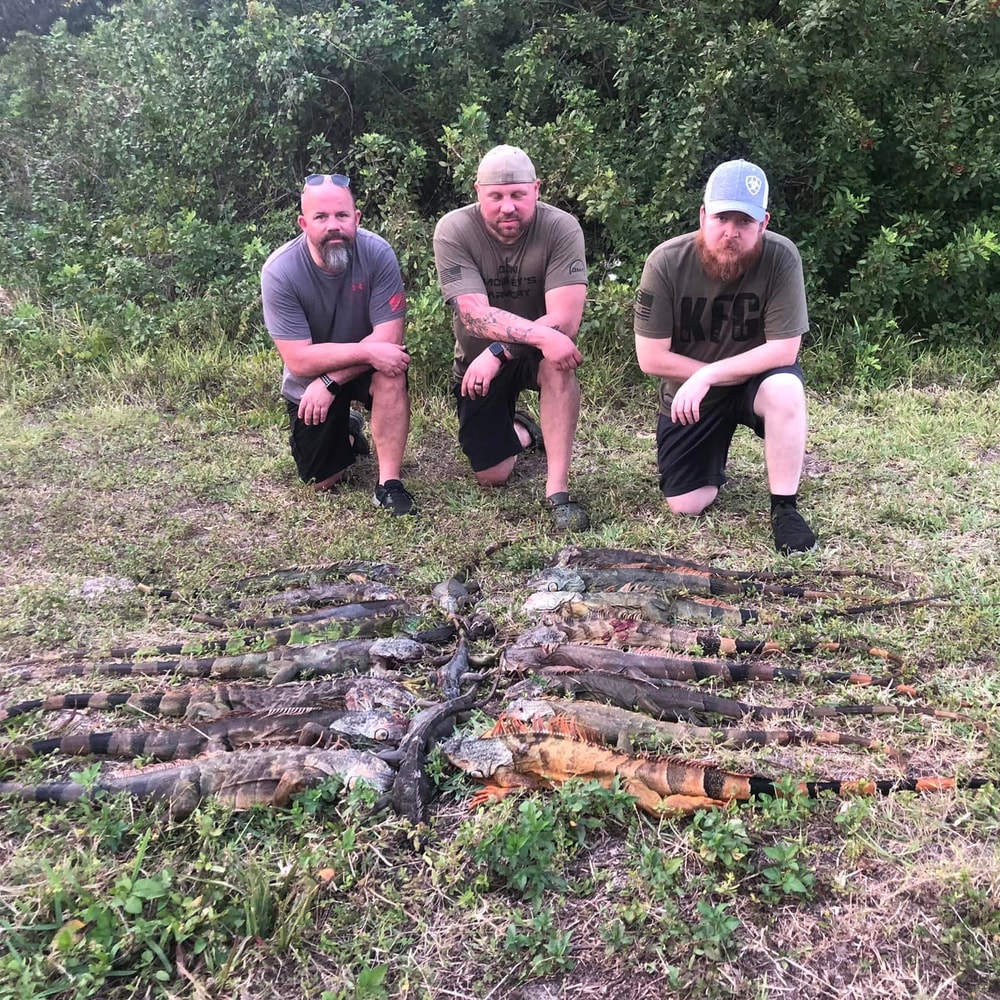
Invasive Species Hunting in Fort Lauderdale
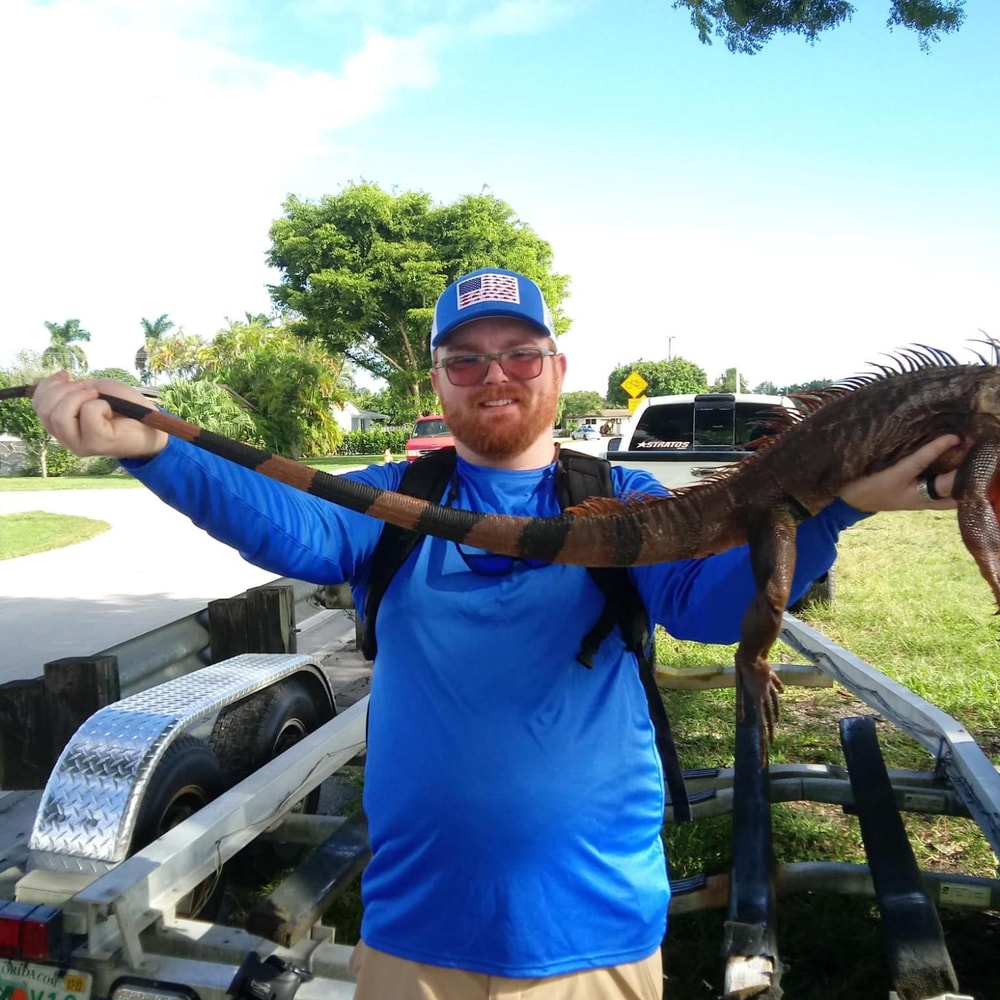
Iguana Hunting Insanity FL
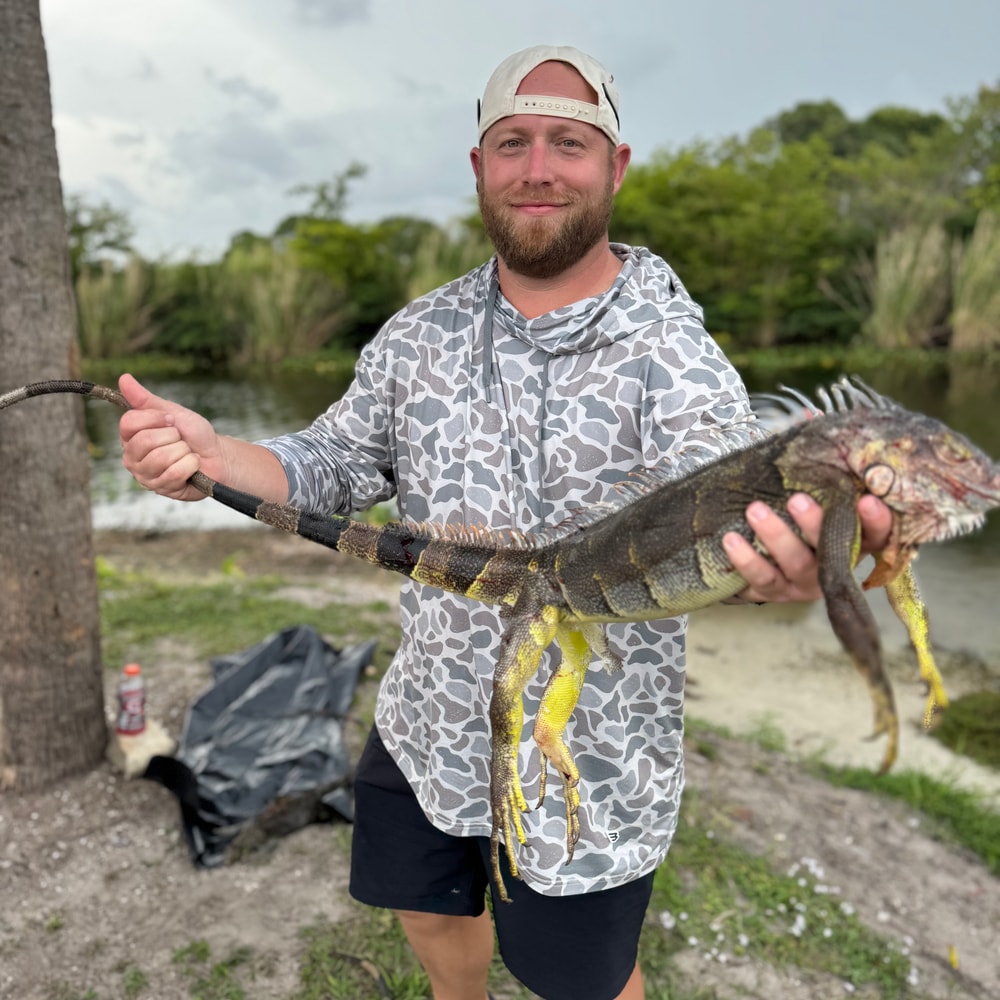
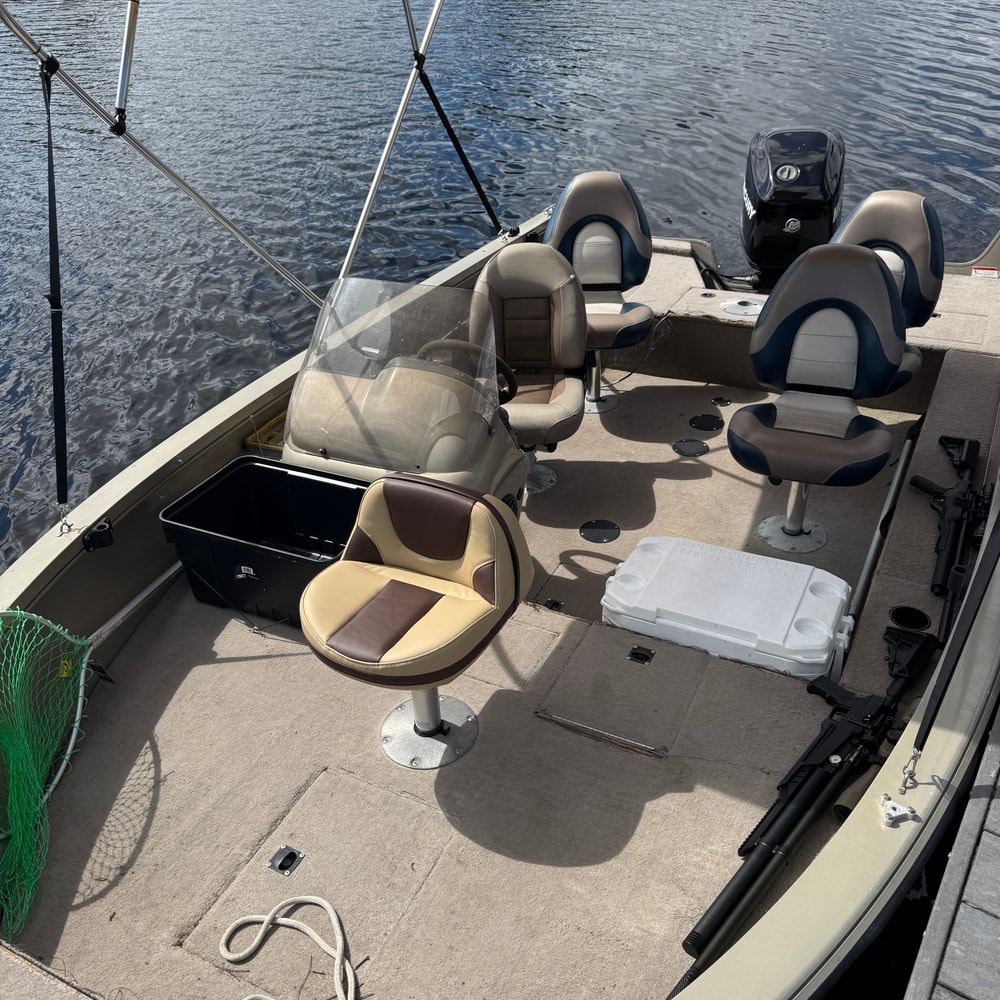

Cast & Blast in Fort Lauderdale
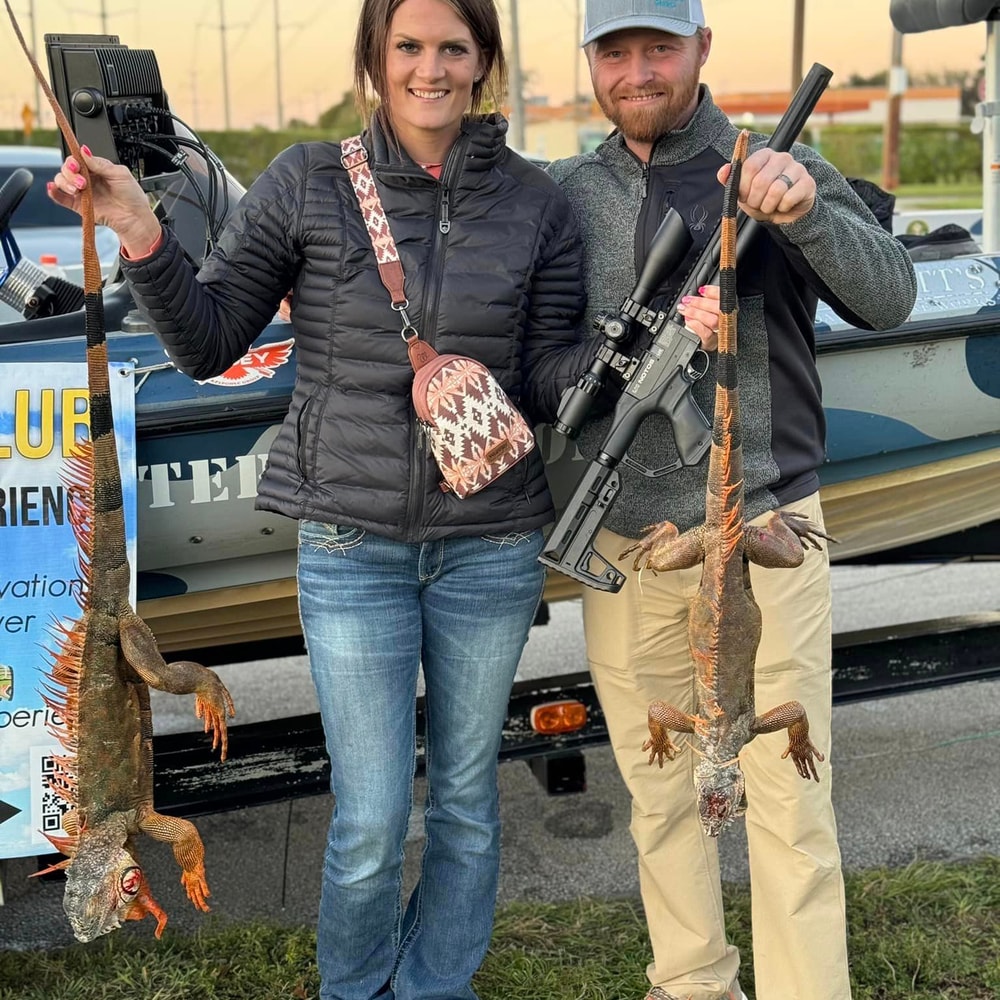
Cast And Blast Combo!
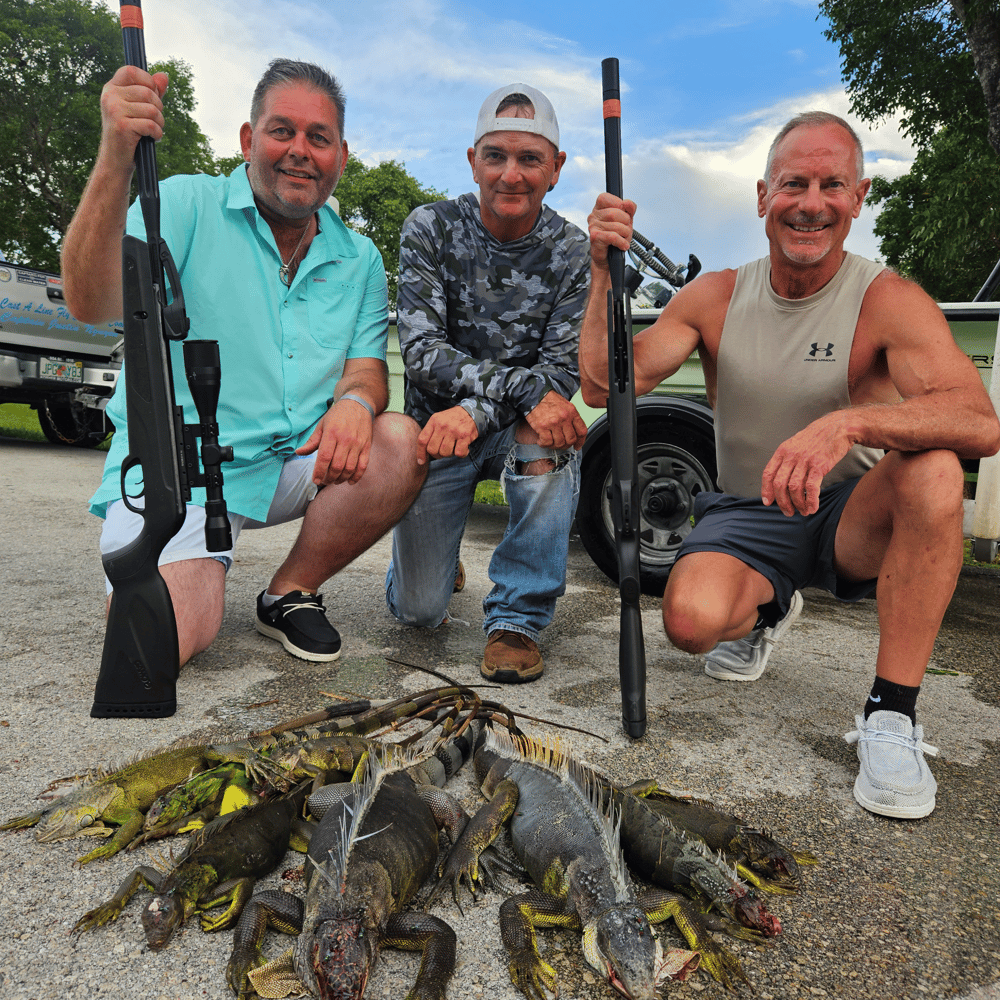
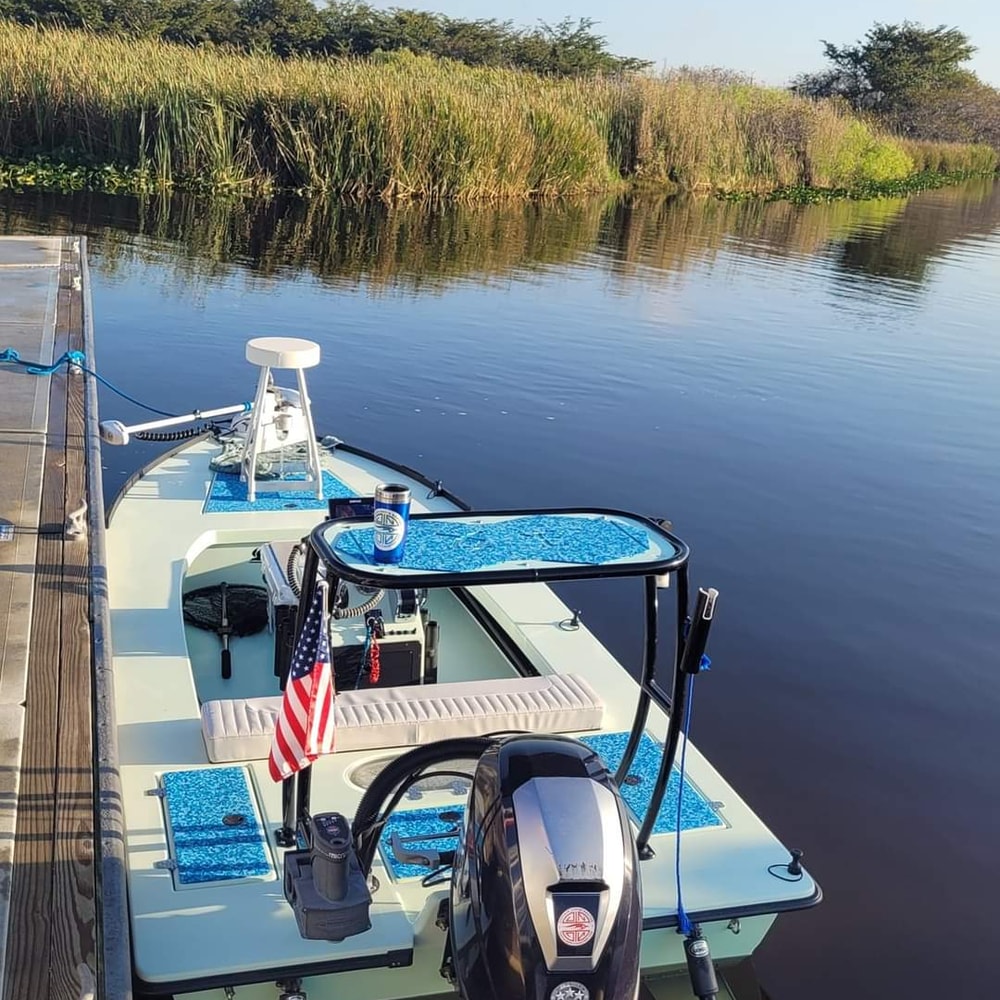
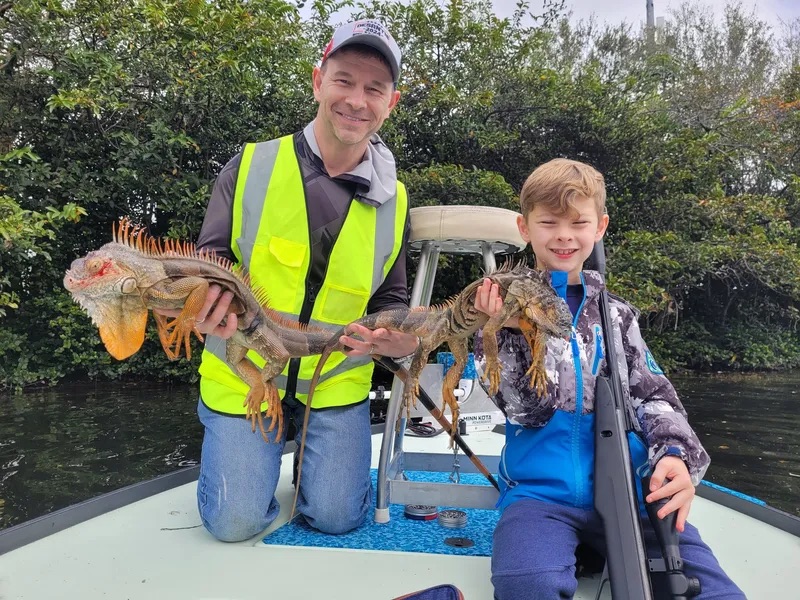
Invasive Species Hunting in Fort Lauderdale
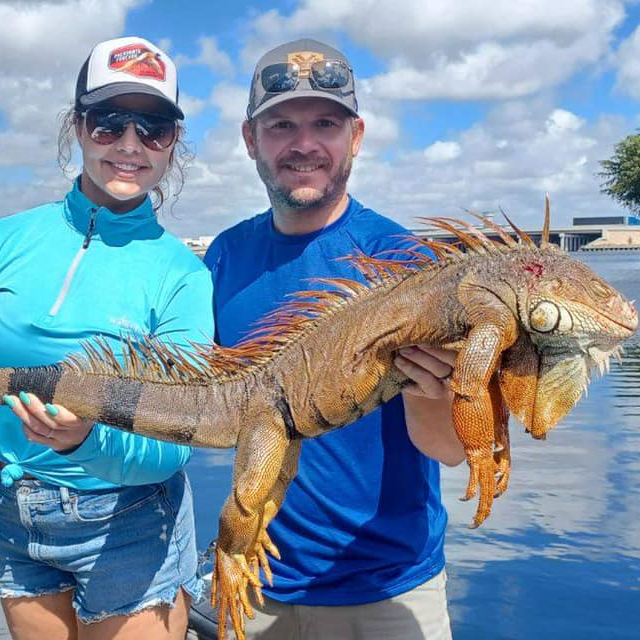
Iguana Hunting Fort Lauderdale
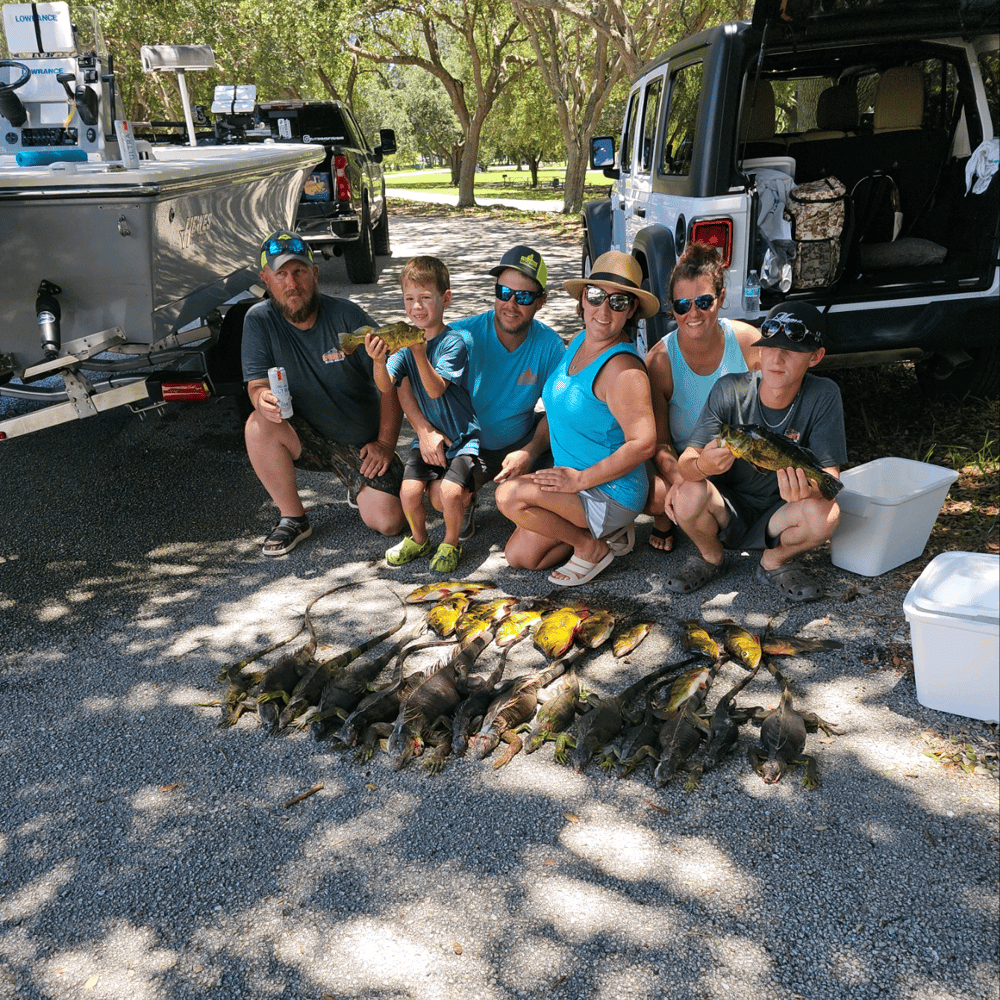
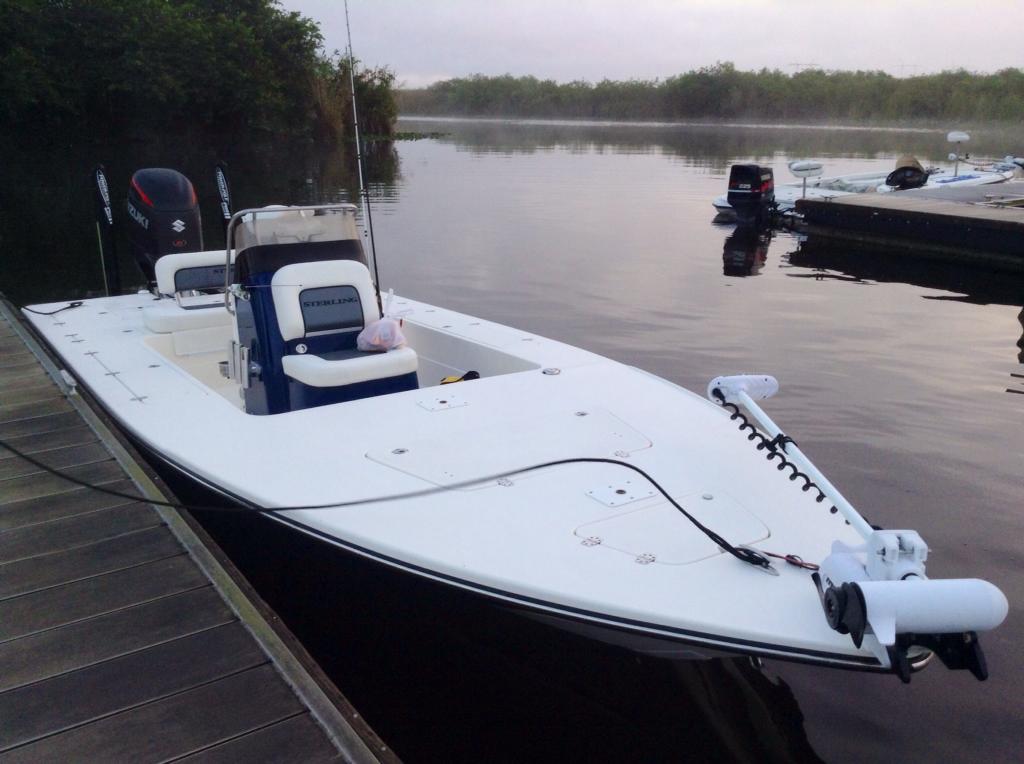
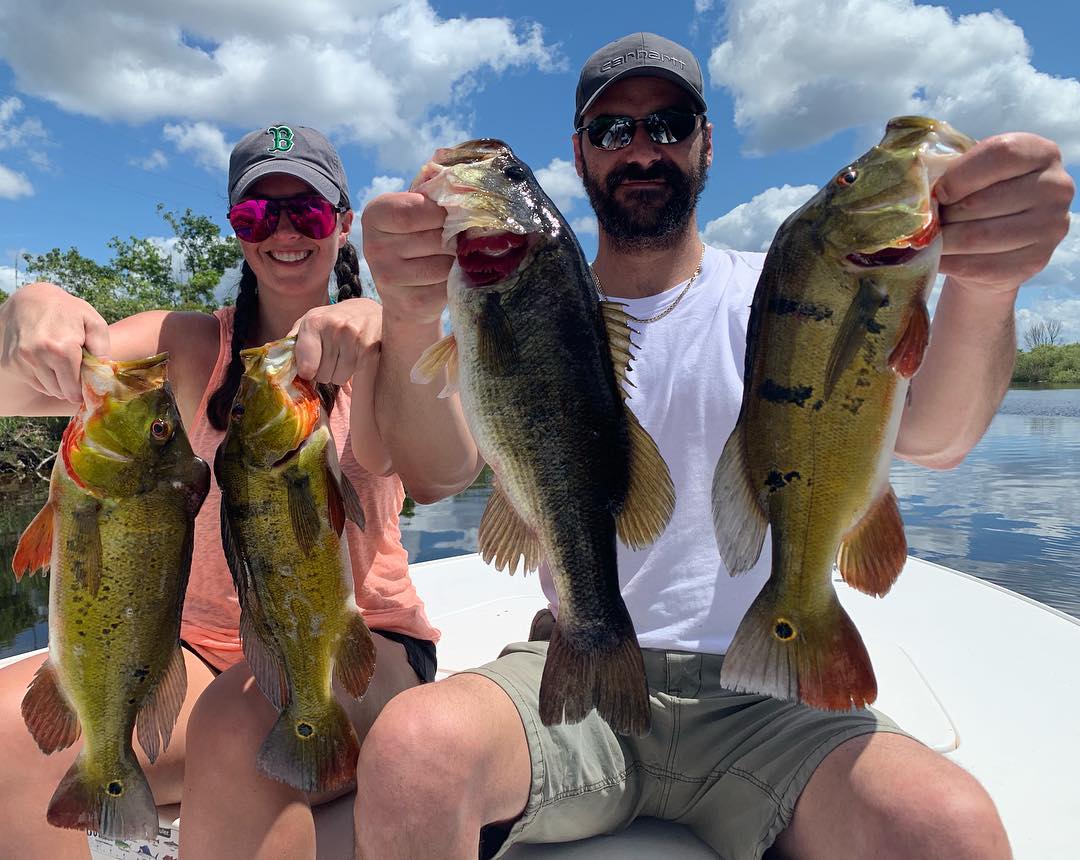
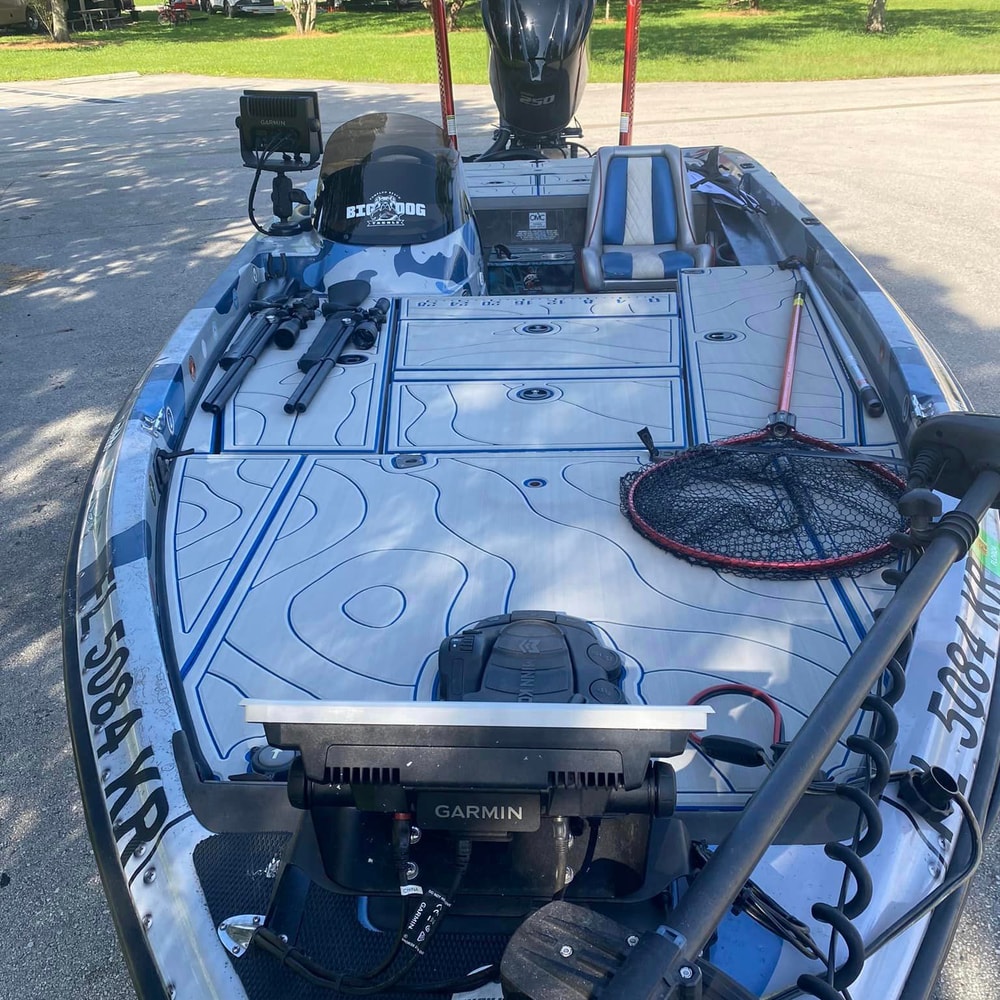
Peacock Bass & Iguana Cast & Blast
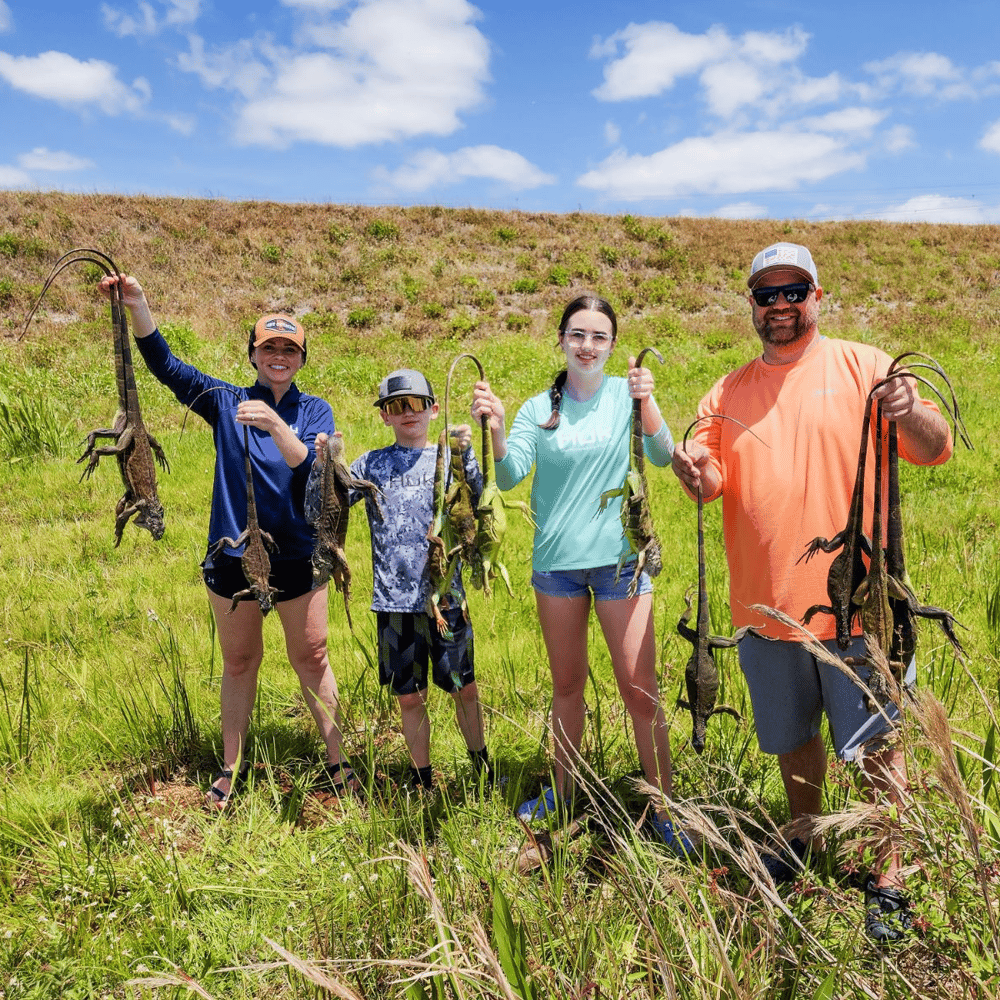
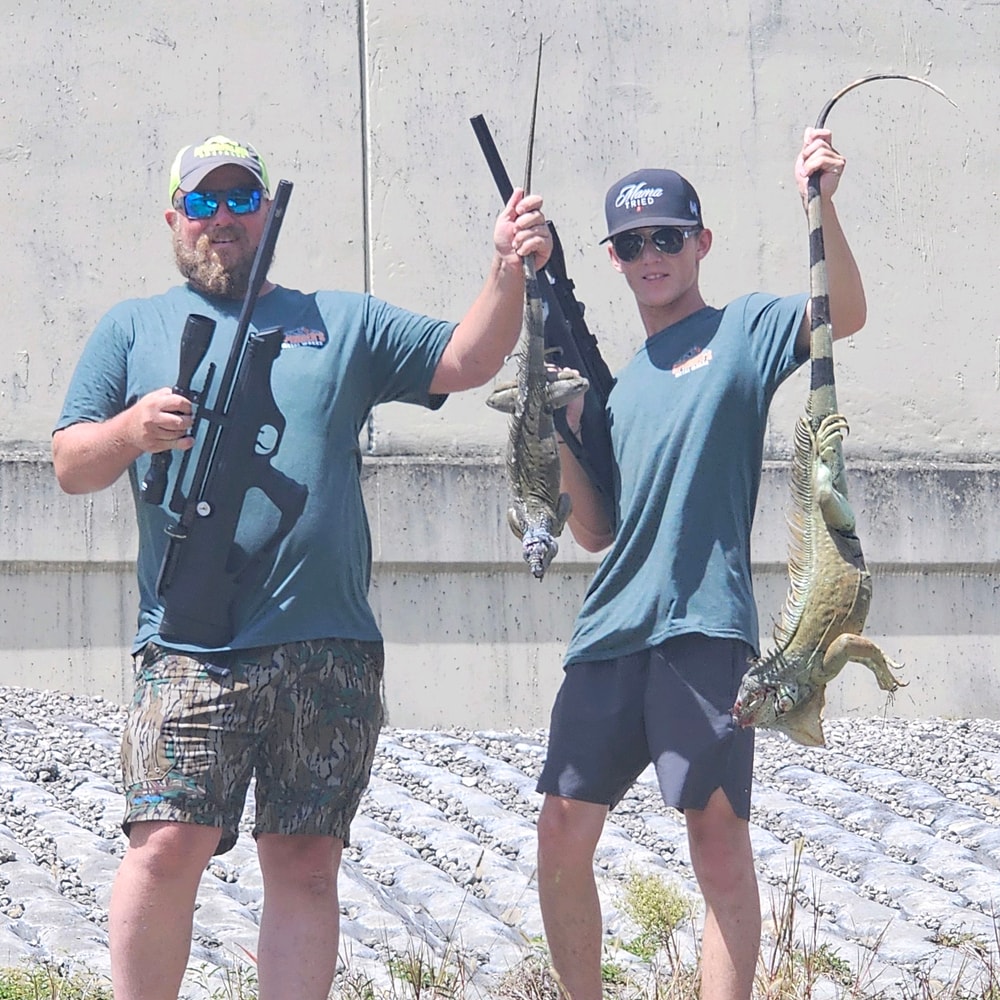


Didn't Find What You Were Looking For?
Our guides are Damn Good Guides, which means they’re vetted by our team of outdoor experts who know them on a first-name basis. We hand pick each and every one of them, and our network spans all across the US and beyond.
The proof is in the pudding, and we’re incredibly proud of our 4.9 / 5 average review score. Hit the button below to see more trip options:
Everything to Know About Booking a hunting trip in Miami Beach
What are the best invasive species hunting trips in Miami Beach?
The best invasive species hunting trips in Miami Beach are:
- Glades Jet guided by Jose C.
- Salty Fresh Fishing Charters guided by Charles O.
- Hunting Iguanas and Fishing Exotics guided by Gene P.
- Urban Legends Fishing Charters guided by Michael T.
- StayFishy Inc guided by Diego P.
Why should I book an invasive species hunting trip in Miami Beach with Captain Experiences?
Our Damn Good Guides currently offer 18 invasive species trips in Miami Beach, and the most popular trips in the area are Iguana Blowgun Thriller! guided by Ariel, Iguana Hunting With Snagging guided by Michael, and Iguana Hunt guided by Charles.
Our guides in Miami Beach are rated a 4.88 out of 5 based on 9498 verified reviews on Captain Experiences.
All guides on Captain Experiences are vetted by our team. You can access their reviews, click through trip photos, read bios to get to know them, and preview trip details like species, techniques, group sizes, and more.
Looking for kid friendly invasive species guides in Miami Beach? Check out our beginner and family friendly invasive species guides in Miami Beach.
What types of invasive species hunting trips are common in Miami Beach?
The most commonly sought after species for invasive species hunting is iguana.
How much does a Miami Beach invasive species hunting trip cost?
Prices for invasive species hunting in Miami Beach can range anywhere from about $650 to $2,500, but the average price for a half day trip for invasive species hunting in Miami Beach is $1,207. The average price for a full day trip for invasive species hunting in Miami Beach is $1,672.
Is booking a hunting guide worth the money?
Hiring a guide provides a number of benefits and many choose to book a hunting guide for a combination of experience, local knowledge, convenience, and cost-effectiveness.
Working with experienced hunting guides who know the best local spots and techniques can dramatically increase your odds of a great day. Having someone who is outside every day and knows the area like the back of their hand is going to give you the best chances of success.
Booking a guide is also more cost effective, especially if you only get out a handful of times per year. When you consider all of the costs you would incur on your own such as the price of a boat, maintenance, insurance, gas, high-quality gear, repairs, and more, you’ll find that DIY is sometimes not worth the expense.
Even if you’ve got a great setup already in your backyard, booking a guide also provides a great opportunity to experience new techniques, new locations, or even a chance at a new target species to knock off the bucket list.
What month is best for invasive species hunting in Miami Beach?
The most popular season for invasive species hunting in Miami Beach is spring, and most hunters book their trips 42 days in advance.
Where can I look through all Captain Experiences trips?
See here to browse all the trips we offer.
What is invasive species hunting in Miami Beach all about?
Invasive species hunting in Miami Beach, Florida, is a critical conservation effort aimed at managing non-native species that threaten local ecosystems. One of the primary targets for hunters in this coastal city is the Burmese python. These large constrictors, originally from Southeast Asia, have established populations in nearby natural areas like the Everglades. Pythons prey on a variety of native wildlife, including small mammals and birds, disrupting the delicate balance of the ecosystem. Hunting seasons for pythons typically coincide with cooler months, from late fall through early spring, when these reptiles are more active during daylight hours. Hunters utilize specialized techniques such as nighttime searches using thermal imaging devices and trained dogs to locate and capture pythons in their habitats, such as wetlands and marshy areas. Removing pythons helps mitigate their impact on local biodiversity and protects native species from predation.
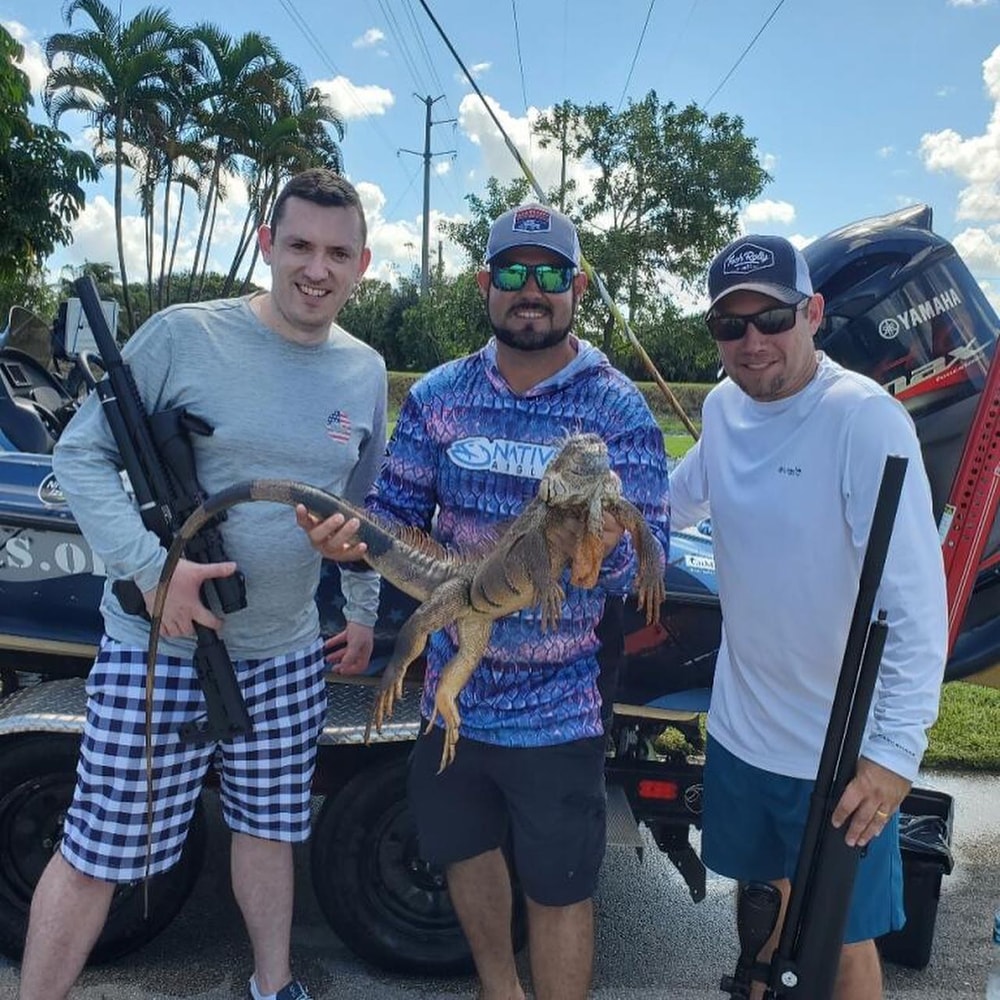
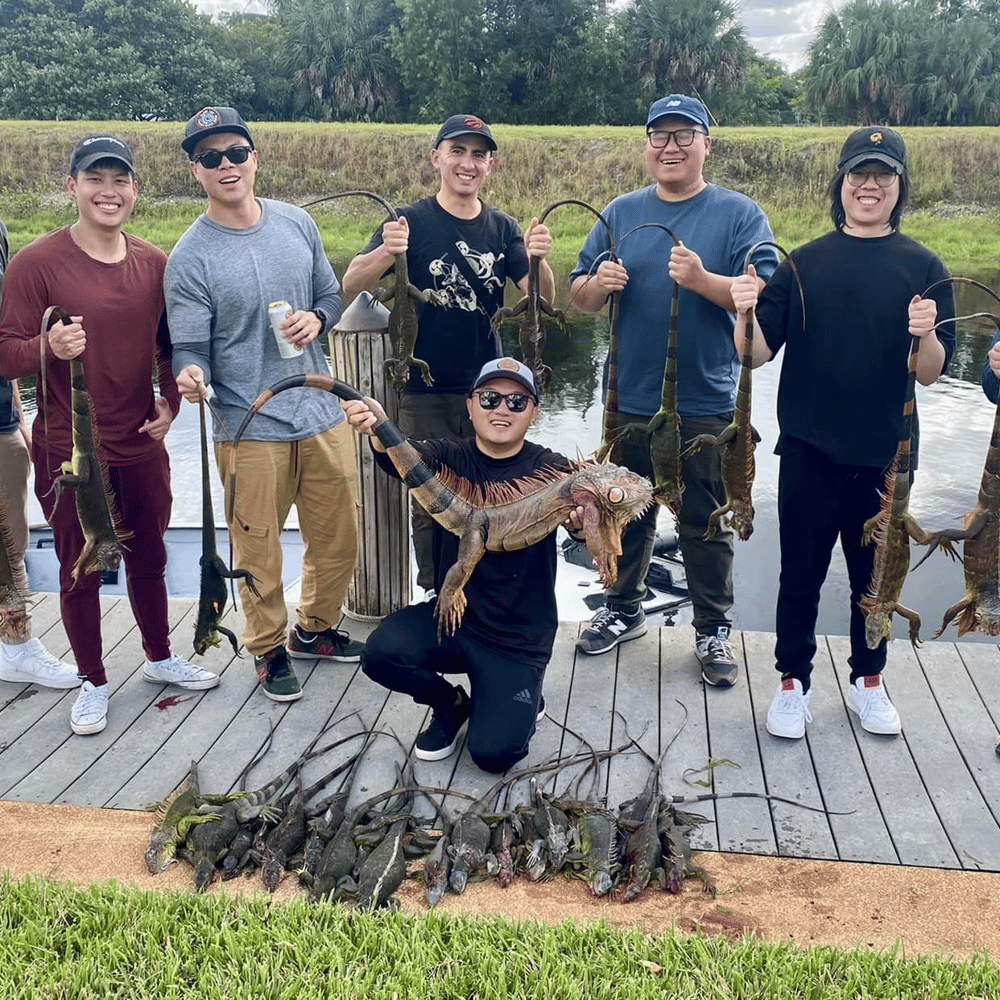
Green iguanas are also a significant focus of invasive species hunting efforts in Miami Beach. These reptiles, native to Central and South America, have thrived in Florida's subtropical climate and urban environments, where they feed on vegetation and compete with native wildlife for resources. Hunters employ methods such as air rifles and traps to capture green iguanas, especially during periods when they are most active, basking in the sun or foraging for food. Managing the green iguana population is crucial for preserving local flora and reducing damage to landscaping and infrastructure caused by their feeding habits.
In the marine environment, invasive species hunting includes efforts to control populations of lionfish. These predatory fish, originally from the Indo-Pacific, have invaded the Gulf of Mexico and pose significant threats to native fish species and coral reefs. Divers play a vital role in spearfishing lionfish around reefs, wrecks, and rocky outcrops where they are commonly found. This method allows for targeted removal of lionfish, which helps restore balance to marine ecosystems and protect native marine life. Community involvement through organized hunts and tournaments raises awareness and promotes conservation efforts to safeguard Miami Beach's coastal habitats and biodiversity.
What are the most popular months to go invasive species hunting in Miami Beach?
In Miami Beach, Florida, invasive species hunting seasons are strategically planned to maximize effectiveness in controlling non-native species that threaten local ecosystems. One of the primary targets during these seasons is the Burmese python, which has established populations in nearby natural areas like the Everglades. Hunting for pythons typically occurs during the cooler months, from late fall through early spring, when these cold-blooded reptiles are more active and easier to detect. Hunters employ specialized techniques such as nighttime searches using thermal imaging devices and trained dogs to locate pythons in their habitats, such as wetlands and marshy areas. Removing pythons during these seasons helps reduce their impact on native wildlife by curbing predation and competition for resources.
Green iguanas are also a focus of invasive species hunting efforts in Miami Beach, with hunting seasons often spanning throughout the year. These reptiles, native to Central and South America, have adapted well to Florida's subtropical climate and urban environments, where they feed on vegetation and compete with native wildlife. Hunters use methods such as air rifles and traps to capture green iguanas, targeting them during periods when they are most active basking in the sun or foraging for food. Managing the green iguana population is essential for protecting local flora and minimizing damage to landscaping and infrastructure.
In the marine environment, invasive species hunting includes efforts to control lionfish populations in the Gulf of Mexico. Lionfish, originally from the Indo-Pacific, have become established predators in local reefs and coastal waters, posing significant threats to native fish species and coral reefs. Spearfishing for lionfish is often conducted year-round, with heightened efforts during warmer months when lionfish are more active around reefs, wrecks, and rocky outcrops. Divers participate in organized hunts and tournaments to remove lionfish from marine ecosystems, promoting community involvement and conservation awareness. Coordinating hunting efforts with the seasonal behaviors of invasive species ensures more effective management and conservation of Miami Beach's natural habitats and marine biodiversity.
What techniques are popular for invasive species hunting in Miami Beach?
Invasive species hunting in Miami Beach, Florida, employs a range of specialized techniques to effectively manage and reduce populations of non-native species that threaten local ecosystems. One of the primary methods used is targeted hunting for Burmese pythons, large constrictors that have invaded nearby natural areas like the Everglades. Hunters utilize tools such as thermal imaging devices and trained dogs to locate pythons in their preferred habitats, such as wetlands and marshy areas. These efforts are particularly effective during cooler months when pythons are more active during daylight hours. Once located, pythons are carefully captured to minimize harm to both the hunters and the snakes, helping to protect native wildlife from their predatory impact.
Green iguanas are another focus of invasive species hunting in Miami Beach, especially given their destructive impact on local vegetation and urban environments. Hunters employ methods such as air rifles and traps to capture green iguanas, targeting them in areas where they are most abundant, such as residential neighborhoods and parks. These methods are typically implemented during periods when iguanas are most active, such as sunny days when they bask in exposed areas. Managing the green iguana population is crucial for preserving native plants and mitigating the economic and ecological consequences of their presence.
In the marine environment, invasive species hunting includes efforts to control populations of lionfish, predatory fish that have invaded the Gulf of Mexico. Divers play a critical role in spearfishing lionfish around reefs, wrecks, and rocky outcrops where they congregate. This method allows for precise targeting and removal of lionfish, which helps restore balance to marine ecosystems and protect native fish populations. Organized events and community-driven initiatives often mobilize participation in lionfish removal efforts, promoting awareness and conservation efforts in Miami Beach. Employing a variety of hunting techniques ensures a comprehensive approach to managing invasive species and safeguarding the city's natural habitats and biodiversity.
What species are popular for invasive species hunting in Miami Beach?
Invasive species hunting in Miami Beach, Florida, targets several key species that have become established threats to the local environment and native biodiversity. One primary focus is the Burmese python, a large constrictor snake that has proliferated in nearby natural areas like the Everglades. These pythons prey on a variety of native wildlife, including small mammals and birds, disrupting the delicate balance of the ecosystem. Hunters employ specialized techniques such as thermal imaging devices and trained dogs to locate pythons in their habitats, such as wetlands and marshy areas. The cooler months, when pythons are more active during daylight hours, are typically preferred for hunting these elusive snakes to enhance detection and removal efforts.
Green iguanas are also a significant target for invasive species hunting efforts in Miami Beach. These reptiles, originally from Central and South America, have adapted well to Florida's subtropical climate and urban environments, where they feed on vegetation and compete with native wildlife. Hunters use methods like air rifles and traps to capture green iguanas, particularly during periods when they are most active basking in the sun or foraging for food. Managing the green iguana population helps protect local flora and reduces damage to landscaping and infrastructure caused by their feeding habits.
In the marine environment, invasive species hunting includes efforts to control populations of lionfish. These predatory fish, native to the Indo-Pacific, have invaded the Gulf of Mexico and pose significant threats to native fish species and coral reefs. Divers participate in spearfishing activities to remove lionfish from marine ecosystems, targeting them around reefs, wrecks, and rocky outcrops where they congregate. This method allows for precise removal of lionfish, which helps restore balance to marine ecosystems and protect native marine life. Community involvement through organized hunts and tournaments fosters awareness and engagement in marine conservation efforts in Miami Beach.