Recently Booked Nearshore Fishing Charters In Trinity River (Tx)
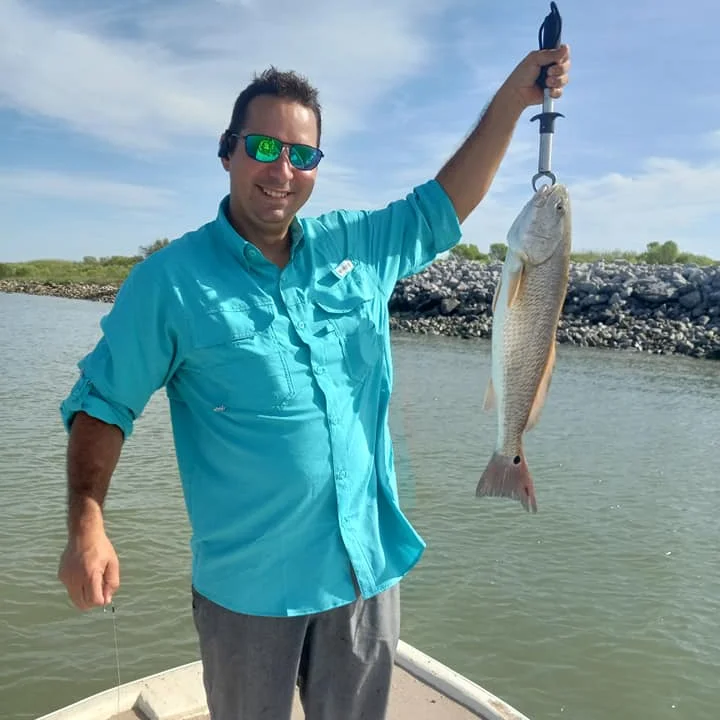
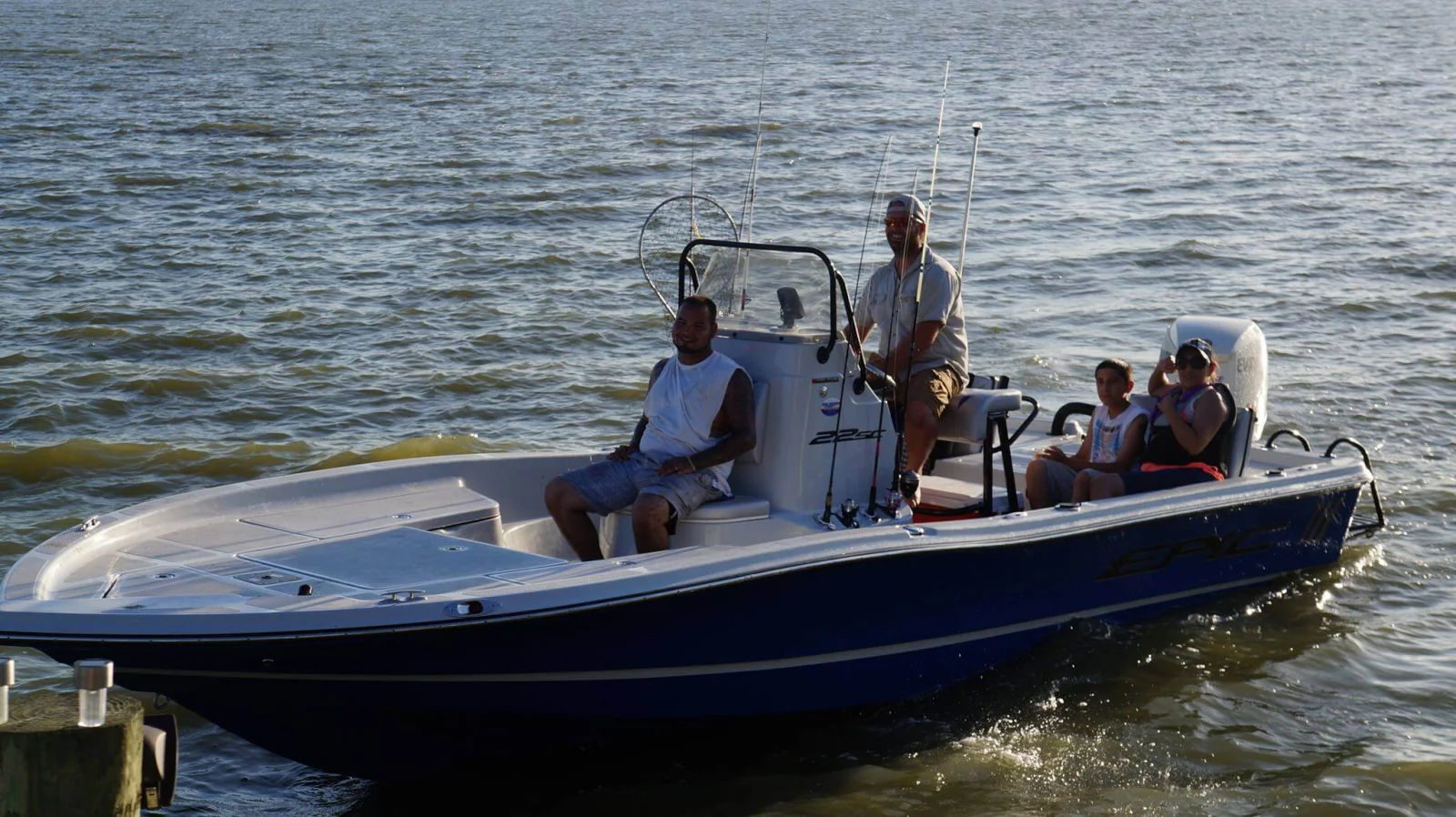
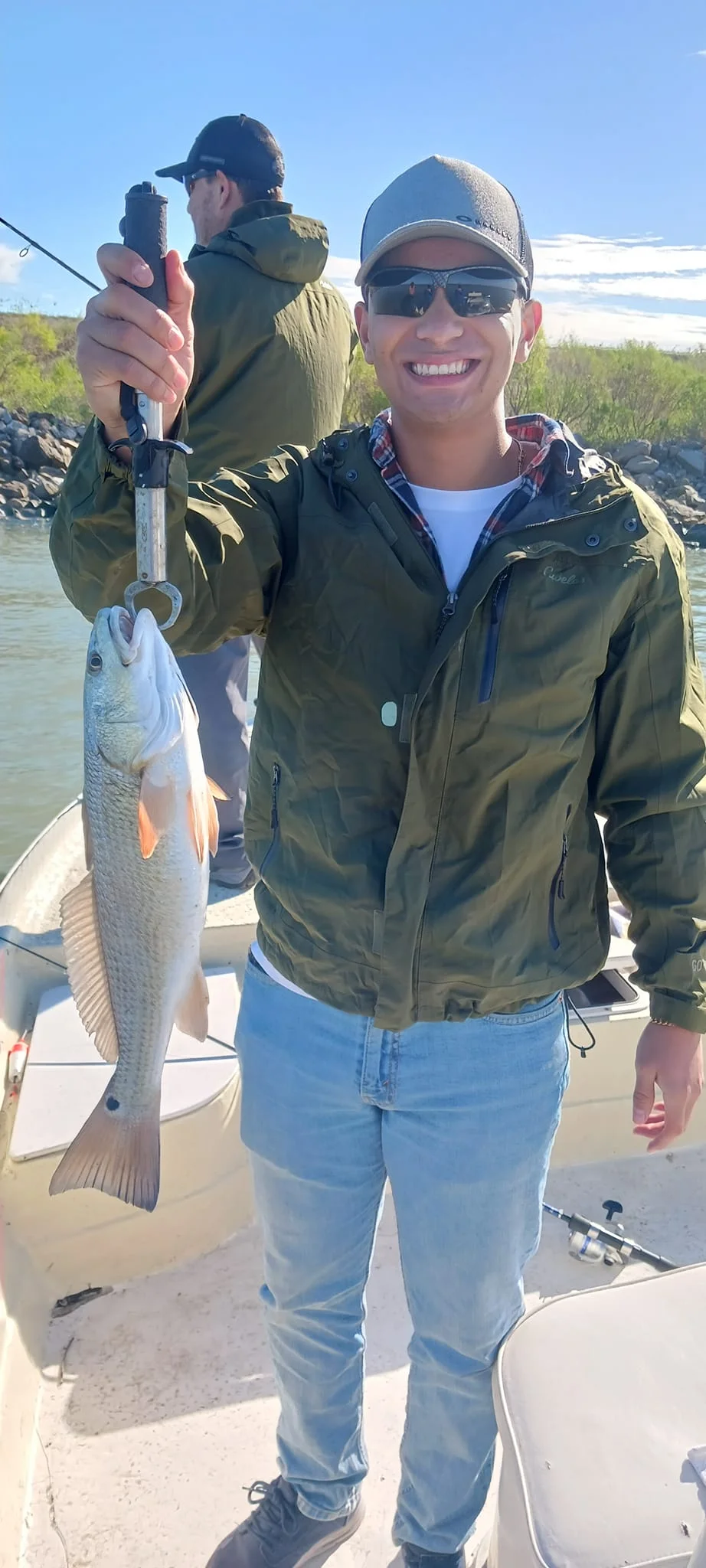
Baytown Hook And Shoot
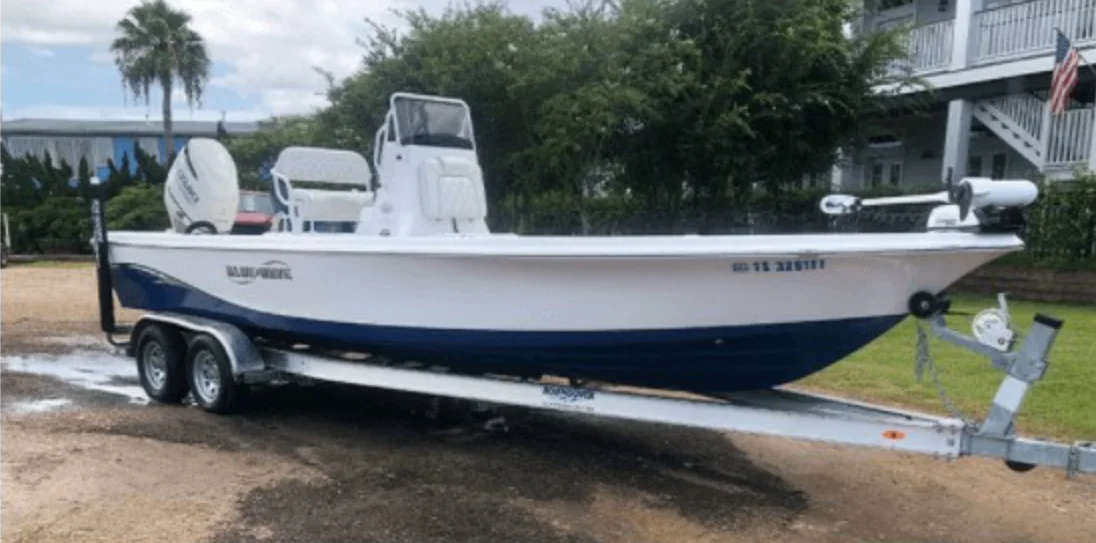
Nearshore Fishing in Texas City
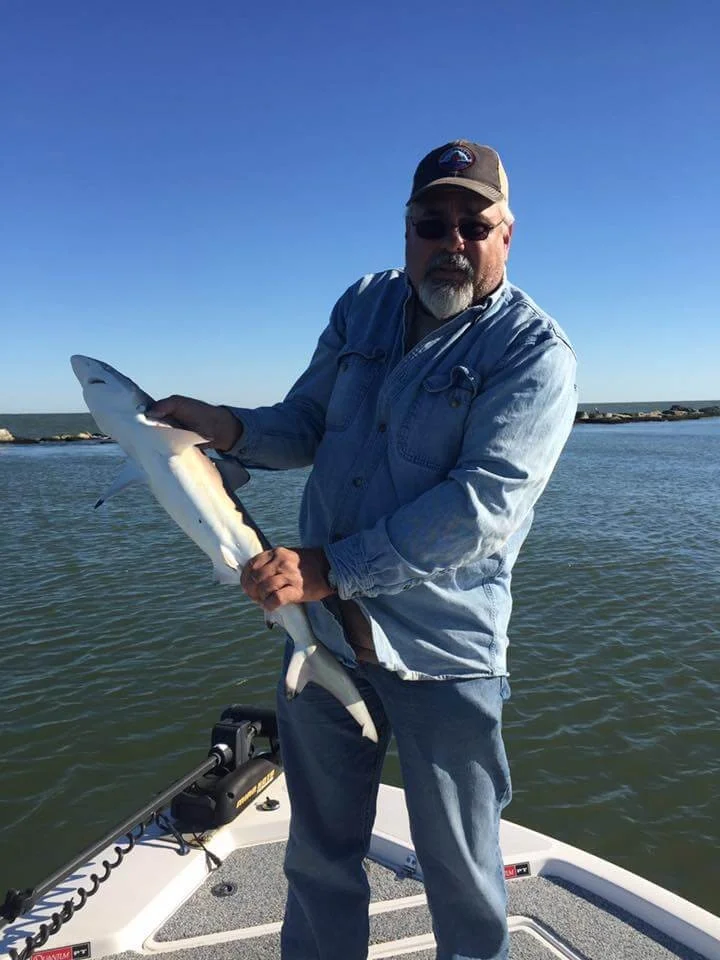
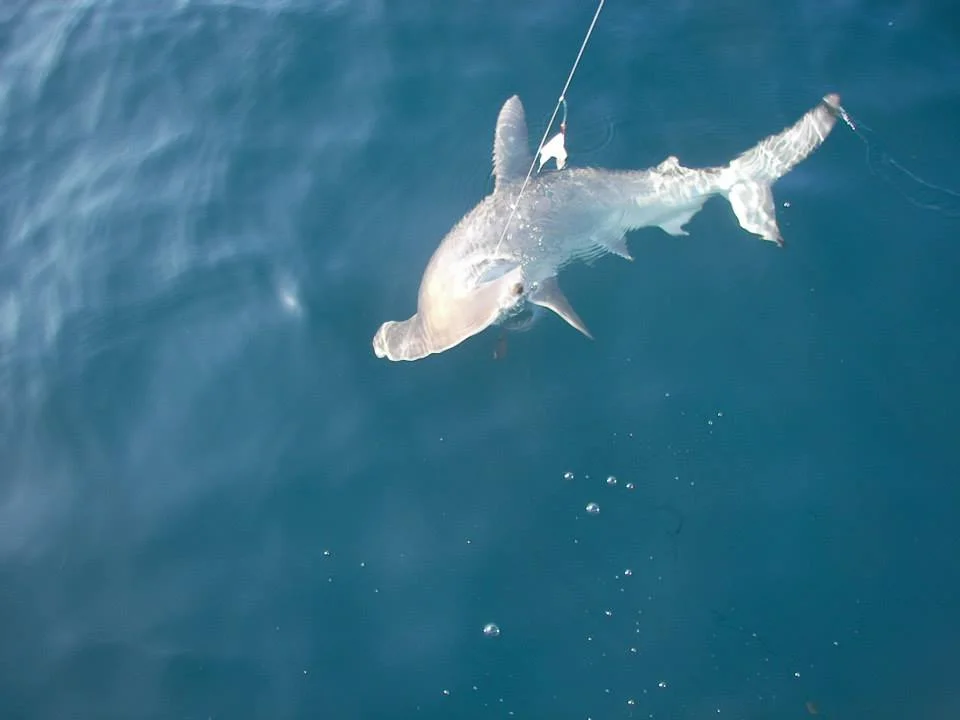
Shark Quest With Captain Derek
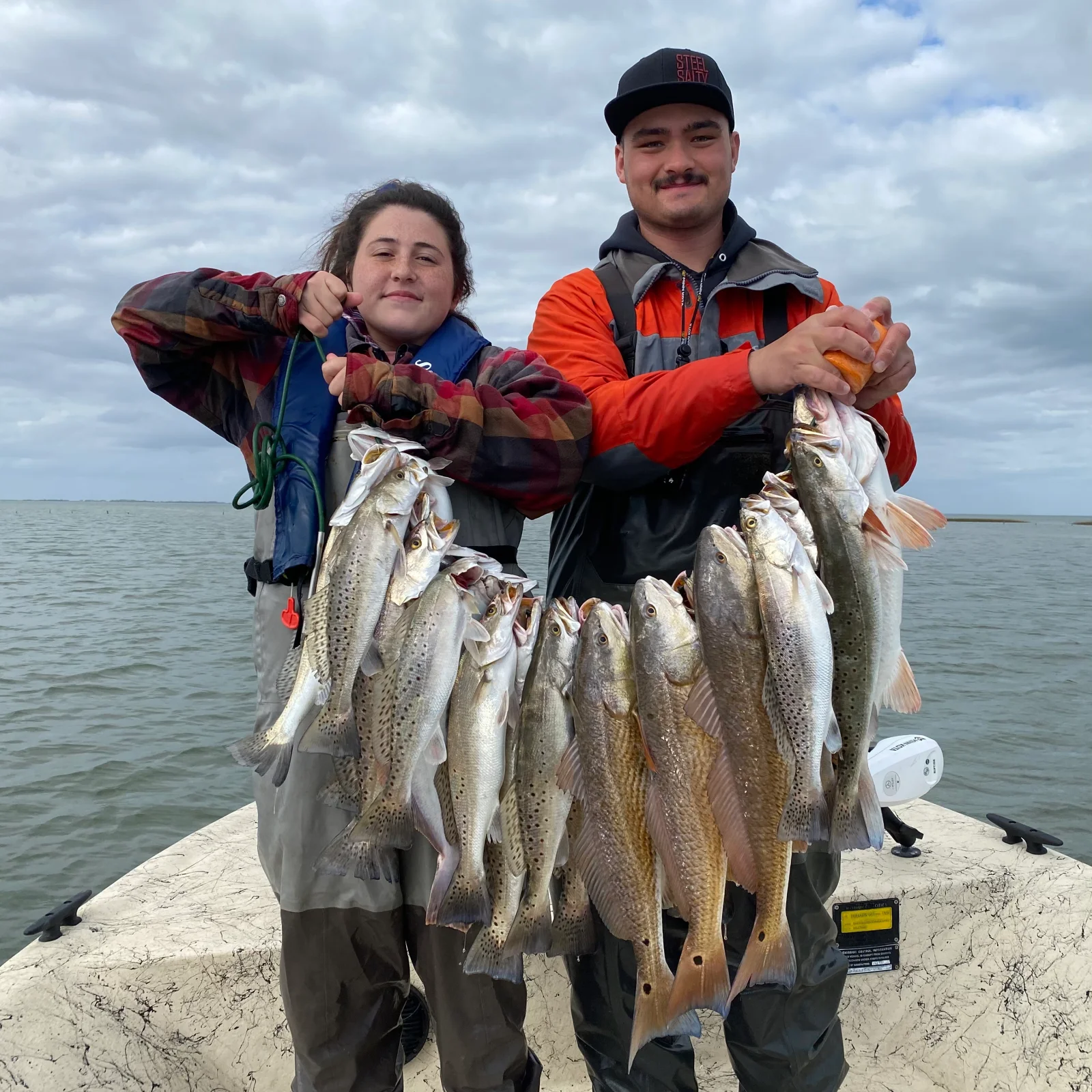
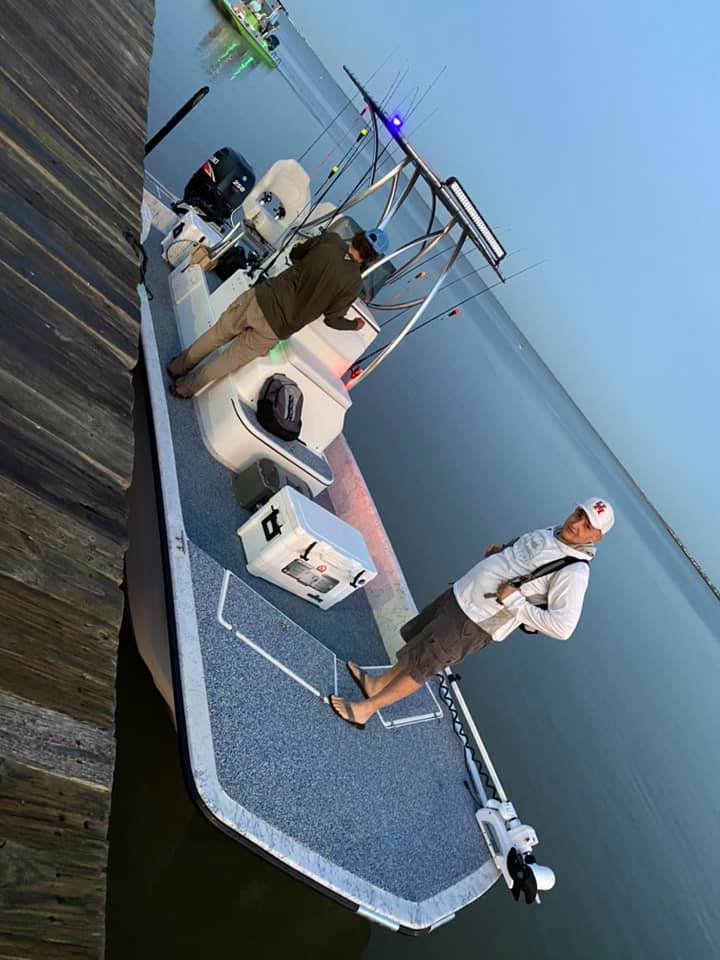
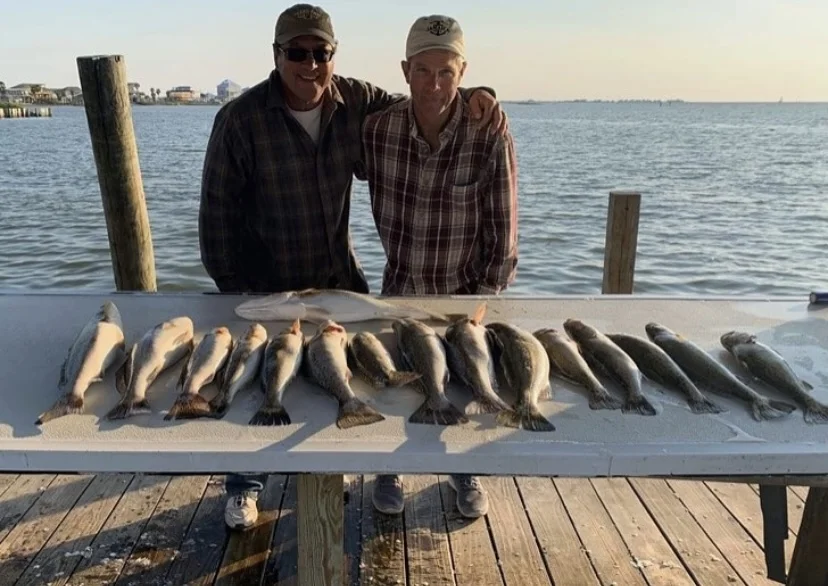
Inshore, Nearshore, Jetty in Texas City
Galveston Bay Grab Bag
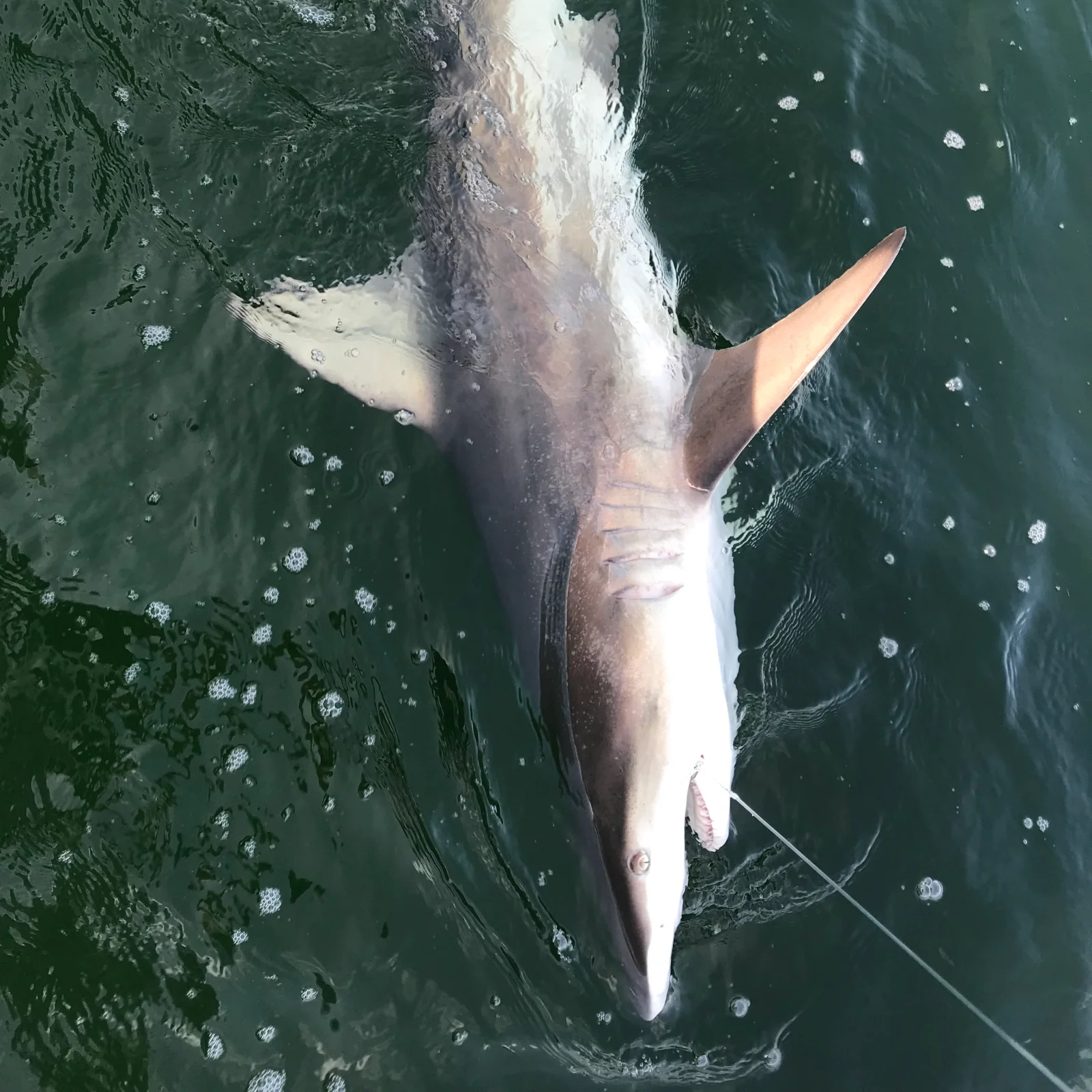
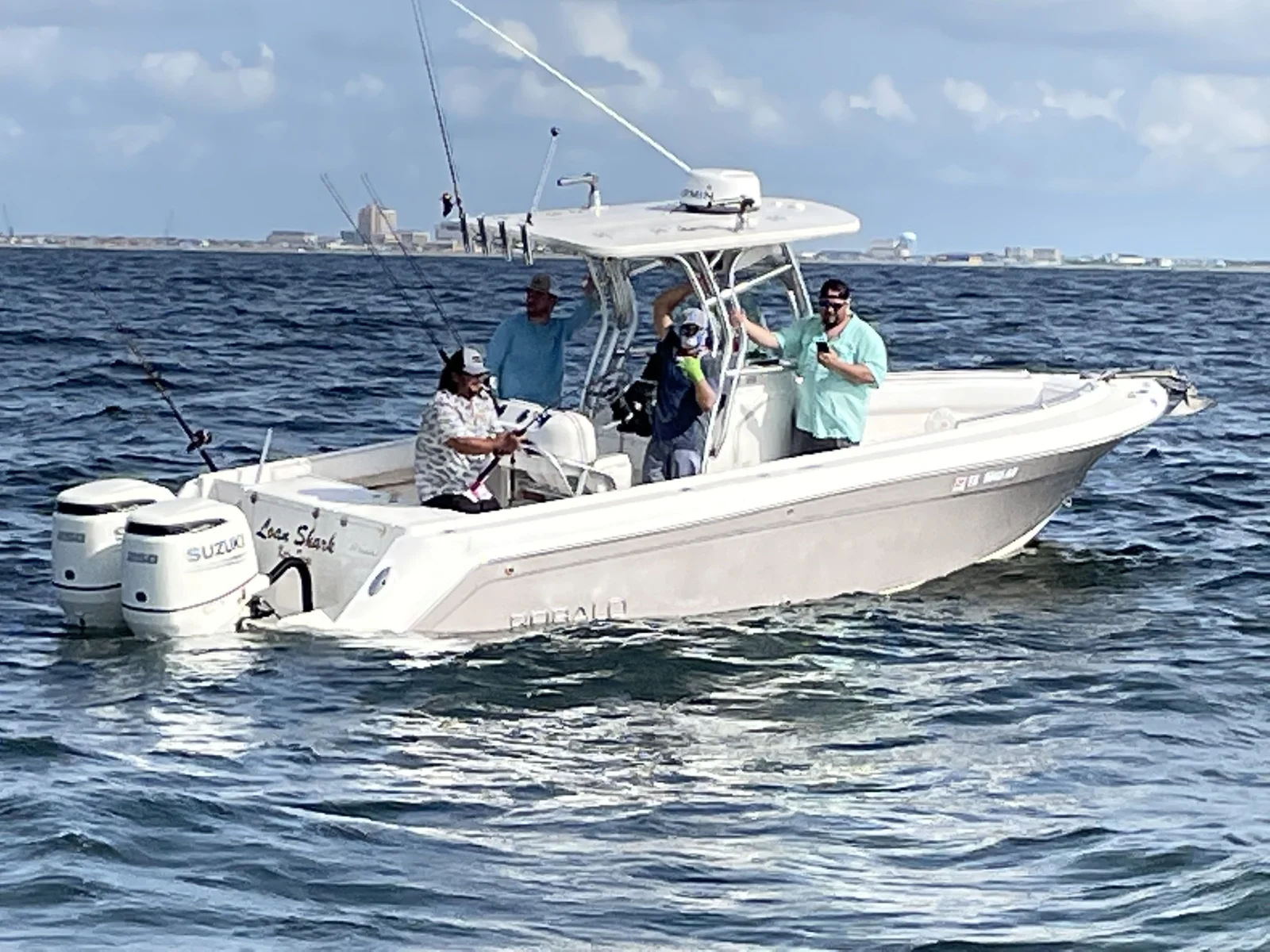
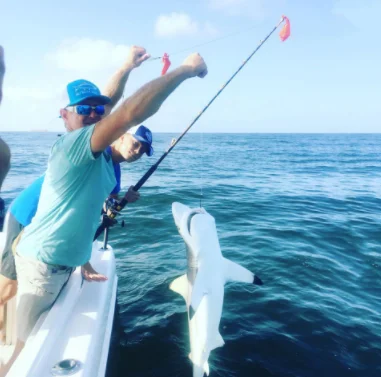
Nearshore, Jetty Fishing in Galveston
Shark Trip – Nearshore/Offshore
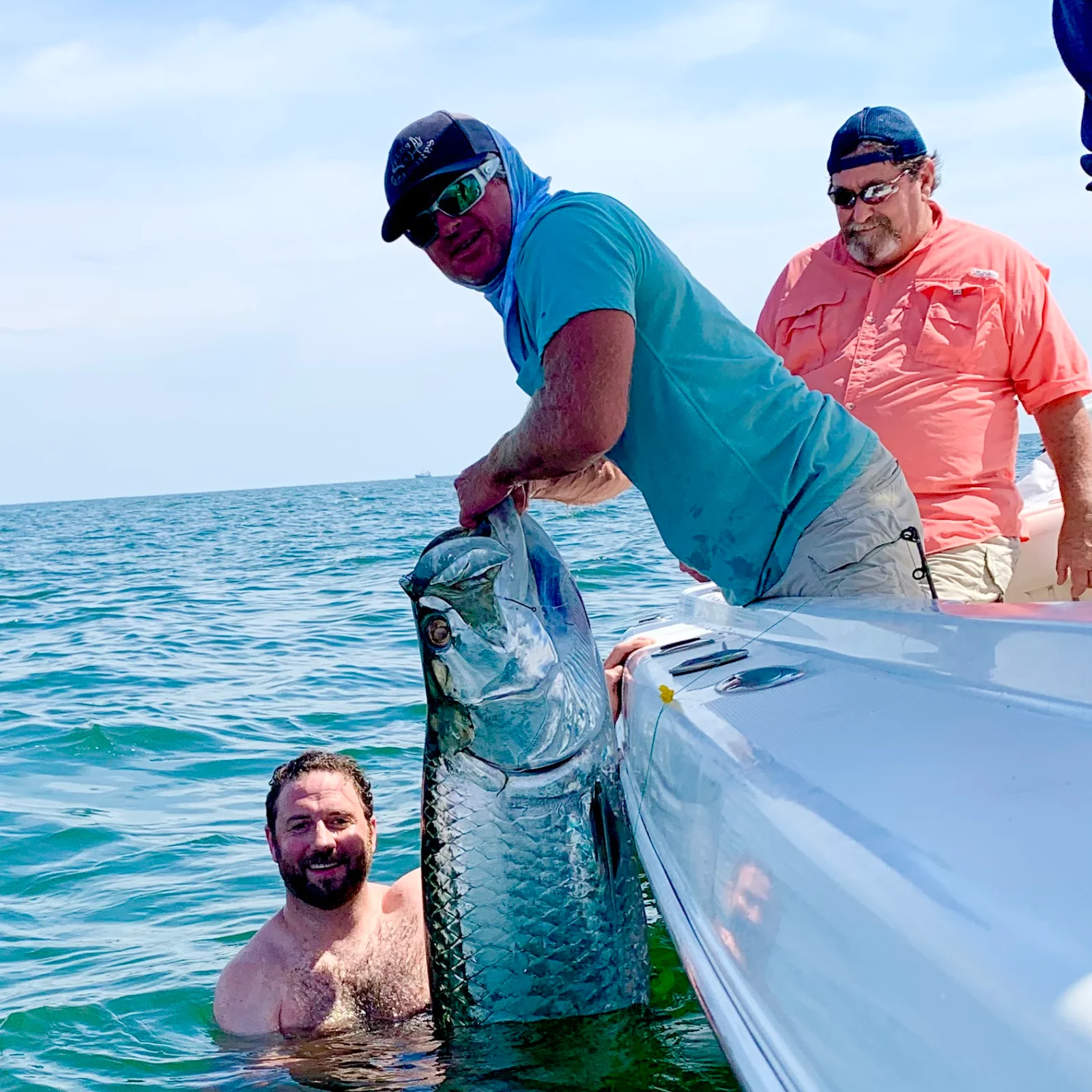
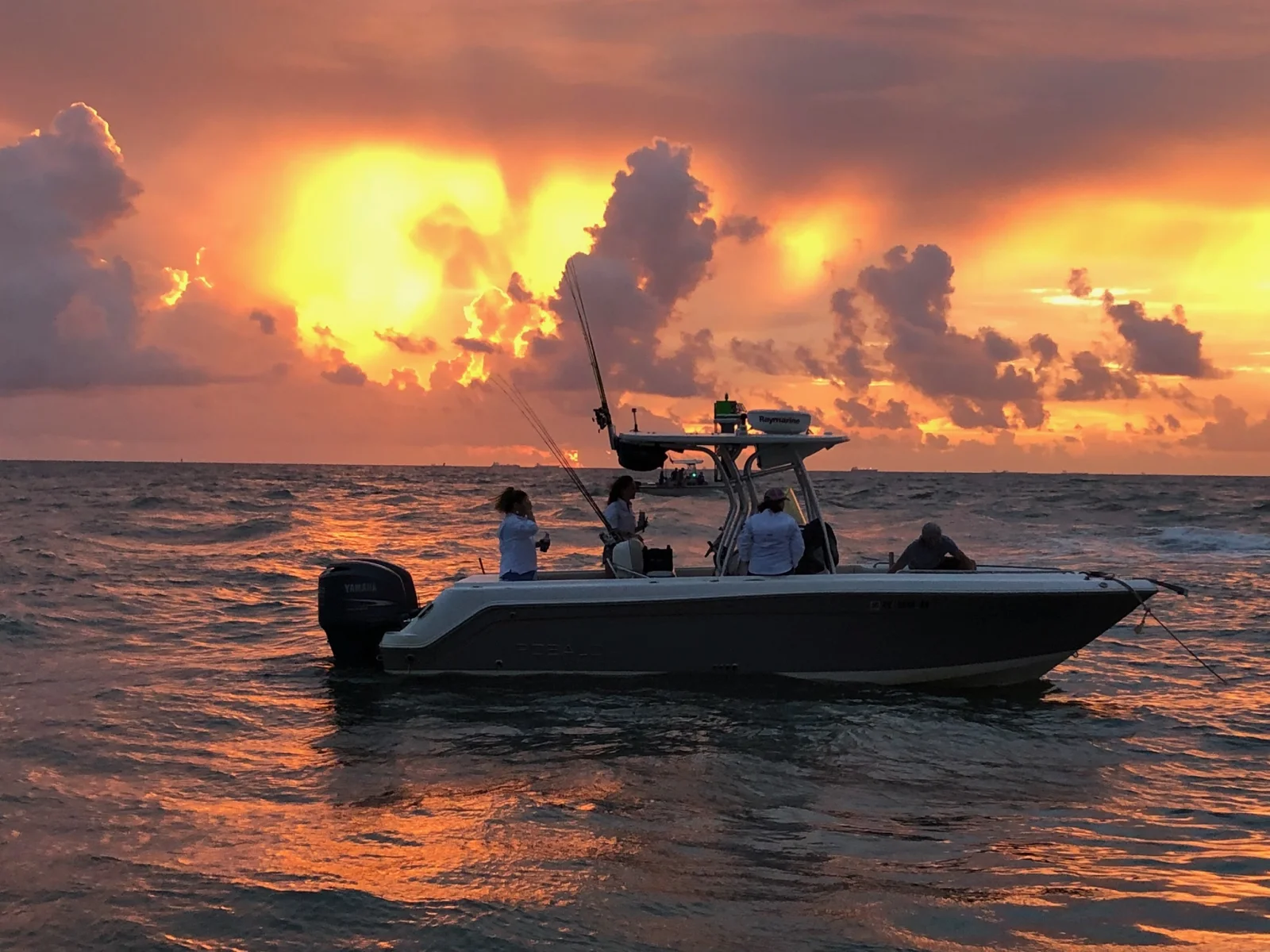
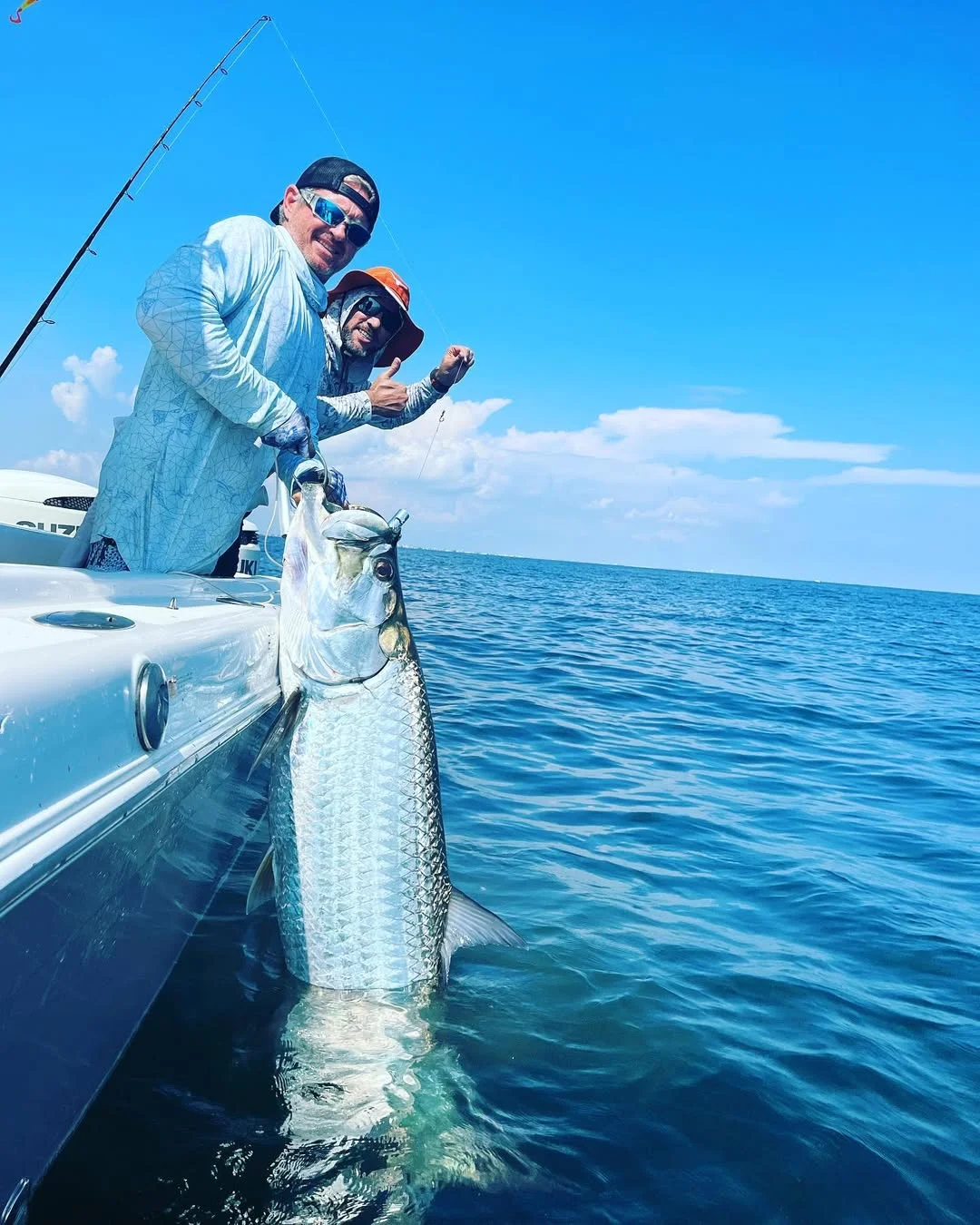
Nearshore Fishing in Galveston
8 Hour Tarpon Trip
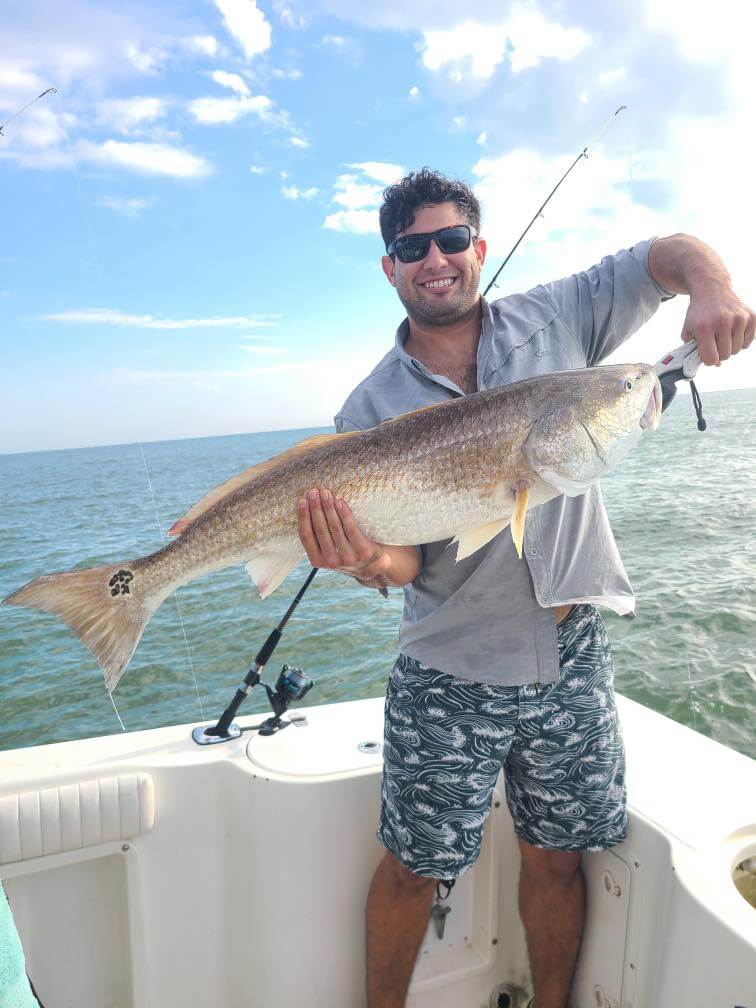
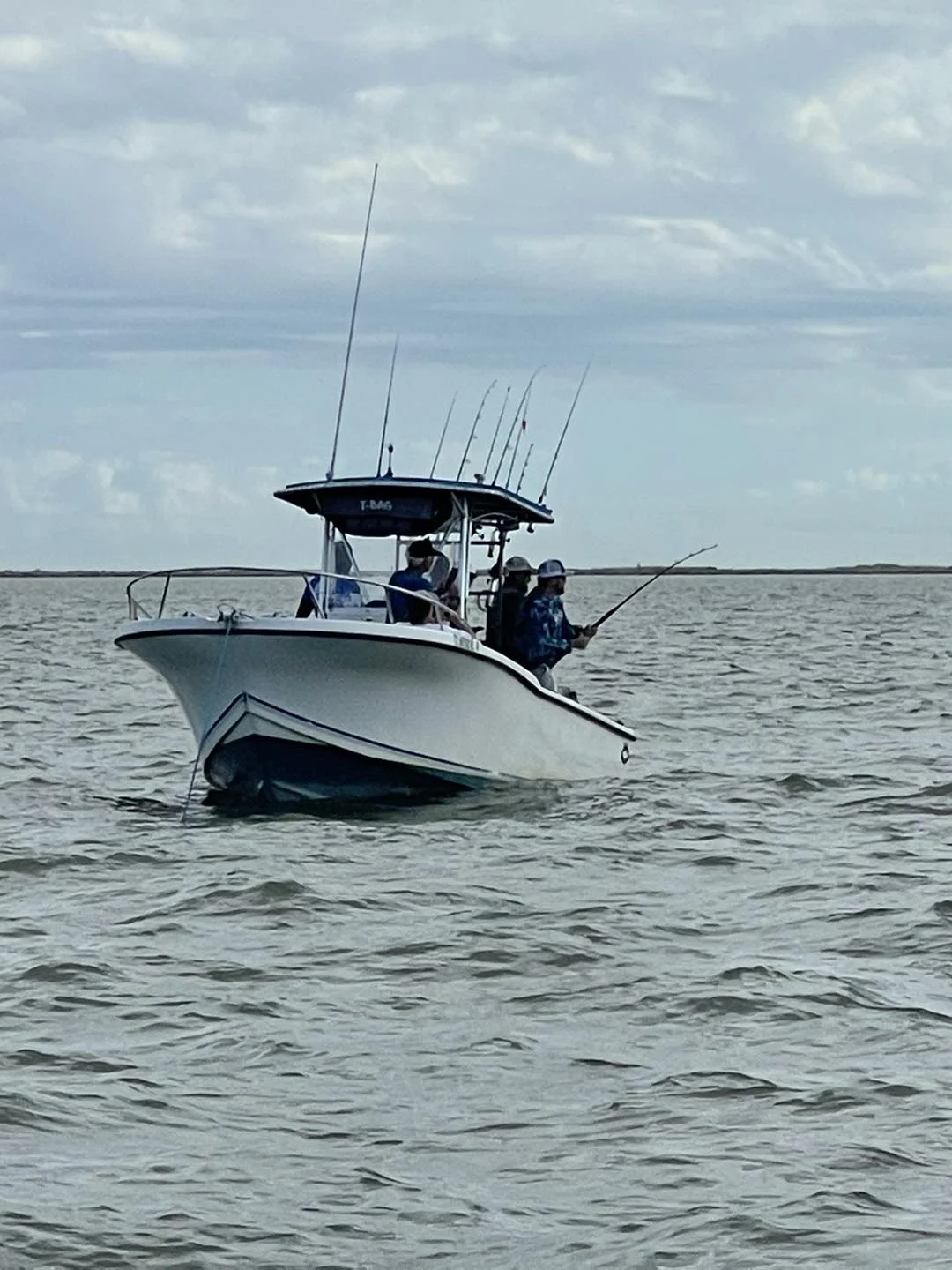
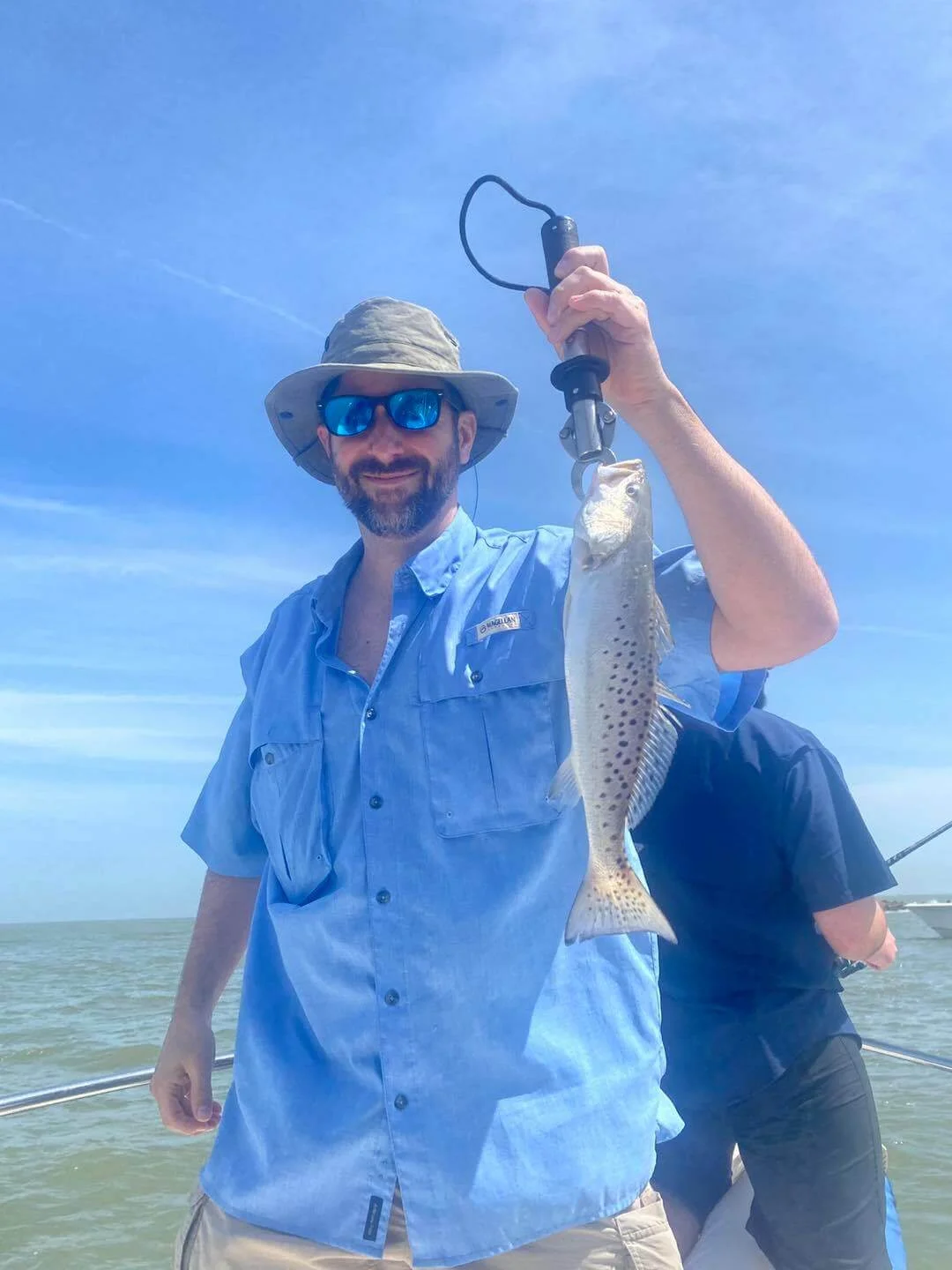
Inshore, Nearshore Fishing in Galveston
Ultimate Combo Trip
What makes Captain Experiences Damn Good?
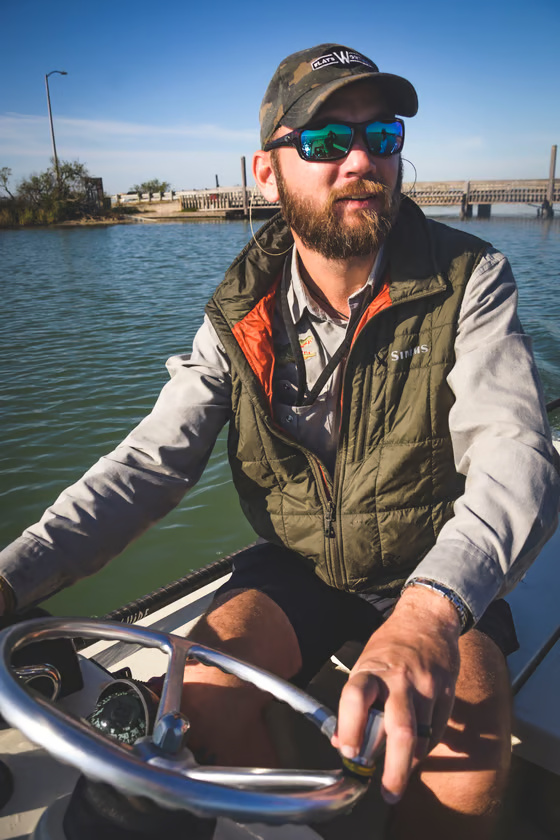
Damn Good Guides
You will only find quality, vetted guides on Captain Experiences, and we know them all on a first-name basis.
Experts Available 24/7
Our US-based team is available 24/7 to help you with any questions or concerns.
100% Weather Guarantee
We want to keep everyone safe, so if the weather is bad we'll work with you to reschedule at no cost.
4.9 / 5 Average Rating
We hand pick our Damn Good Guides, and our network spans across North America and beyond.
“Our Damn Good Guides go above and beyond, and we've handpicked every single one. We're passionate about the outdoors and look forward to getting you out on the trip of a lifetime, every time.”
Jonathan and Attison | Co-founders | Austin, Texas
Top Species for Nearshore Fishing in Trinity River (TX)




More Nearshore Fishing Charters In Trinity River (Tx)
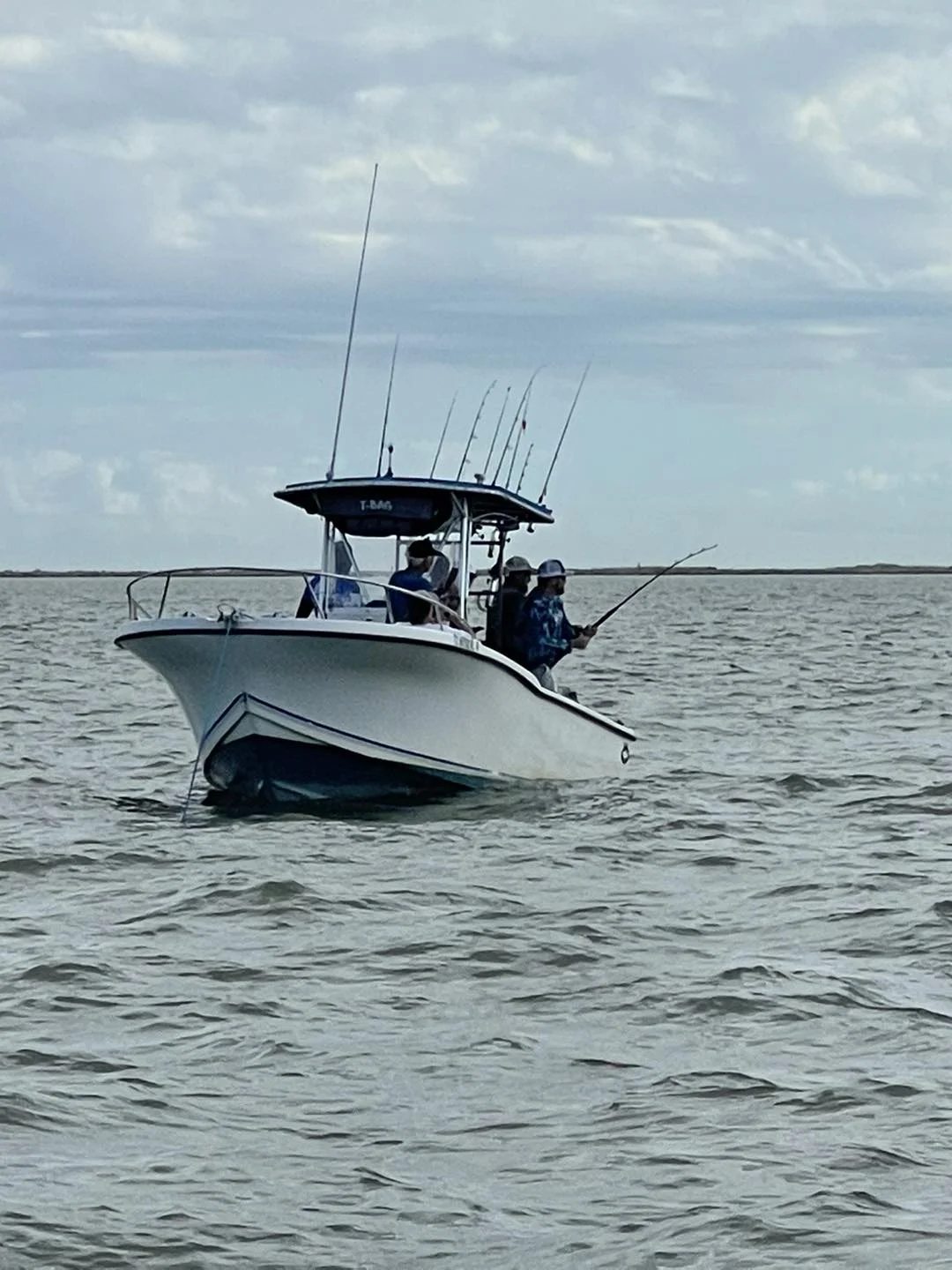
Nearshore Fishing in Galveston
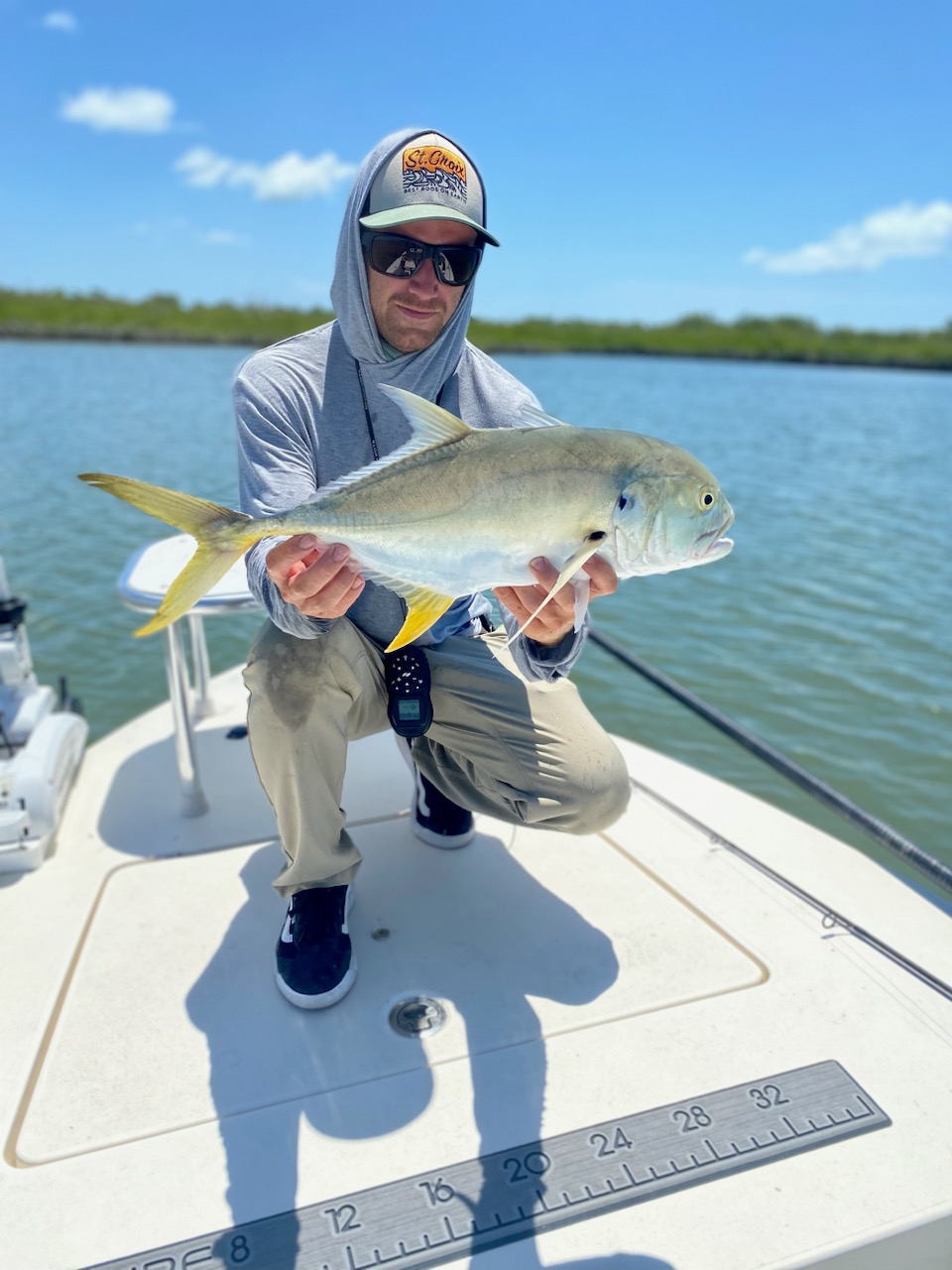
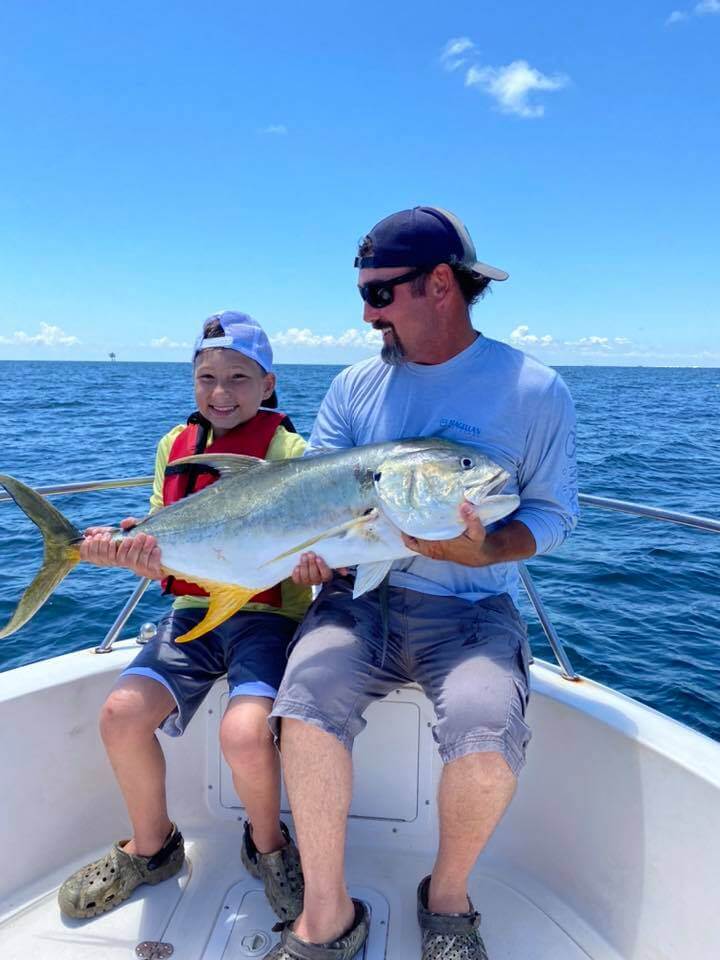
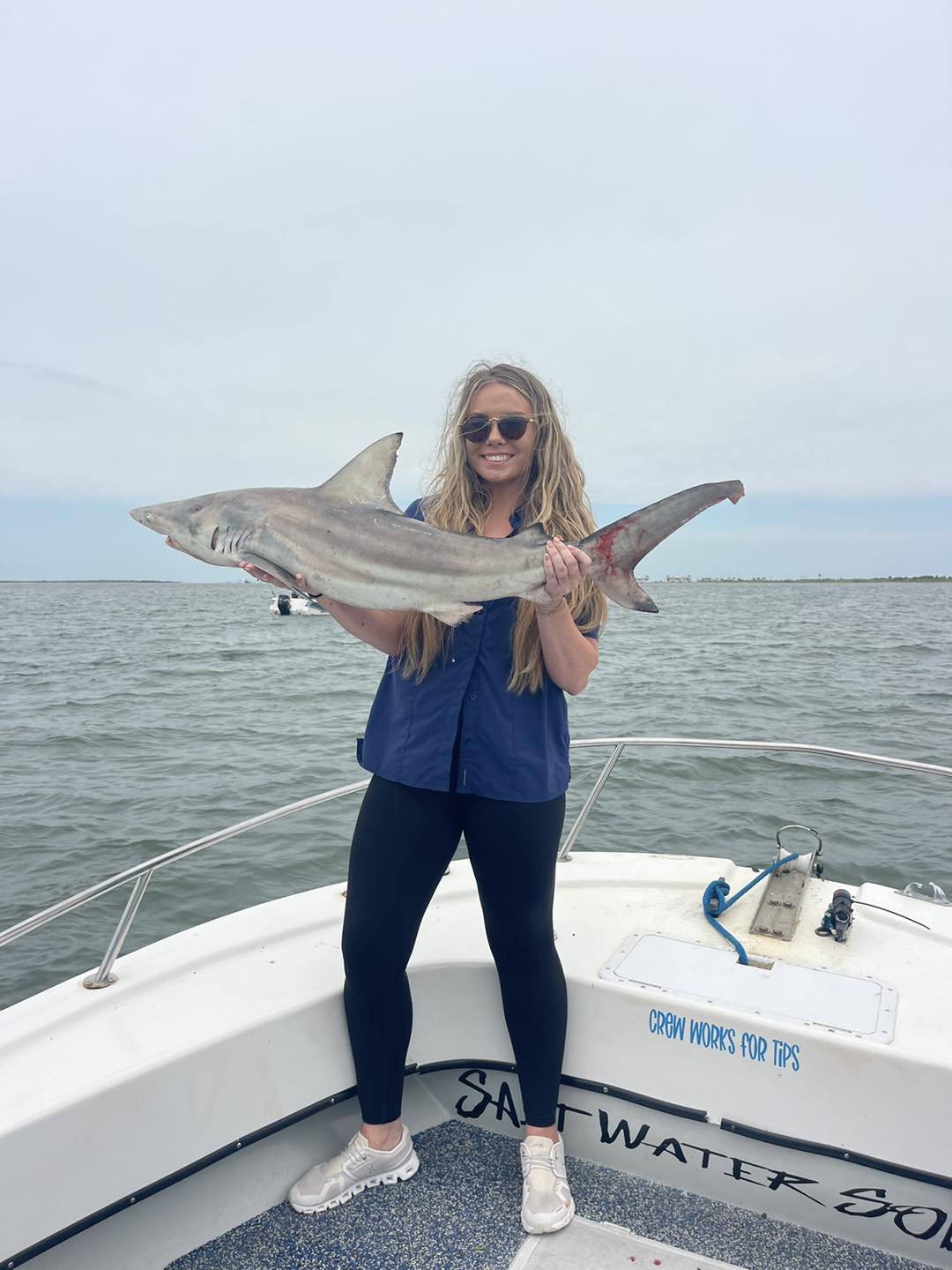
State Water Sharks & Jacks
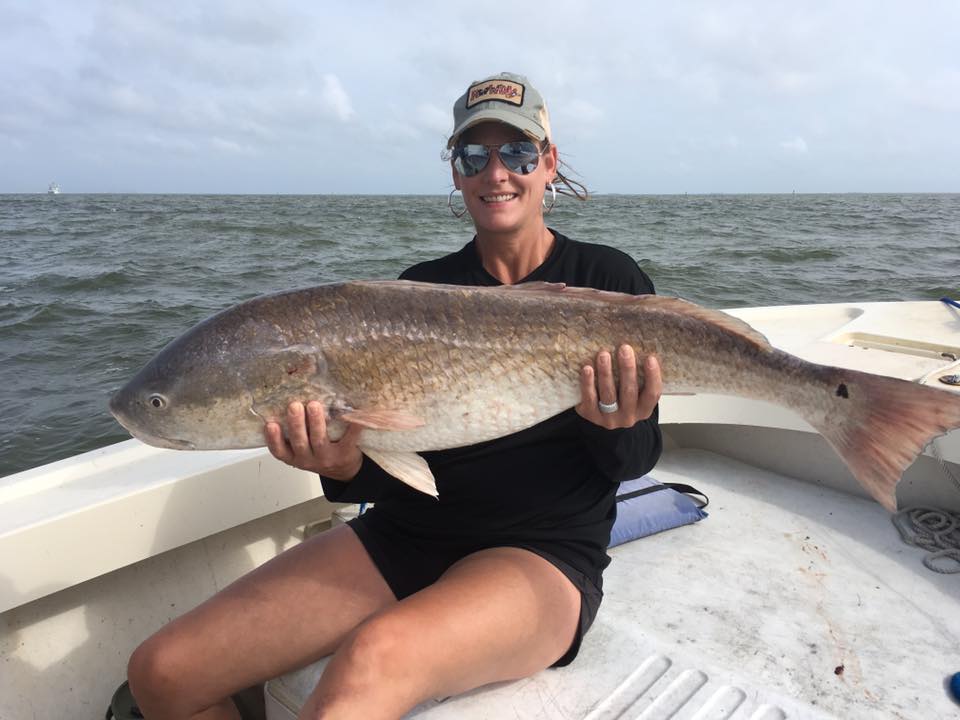
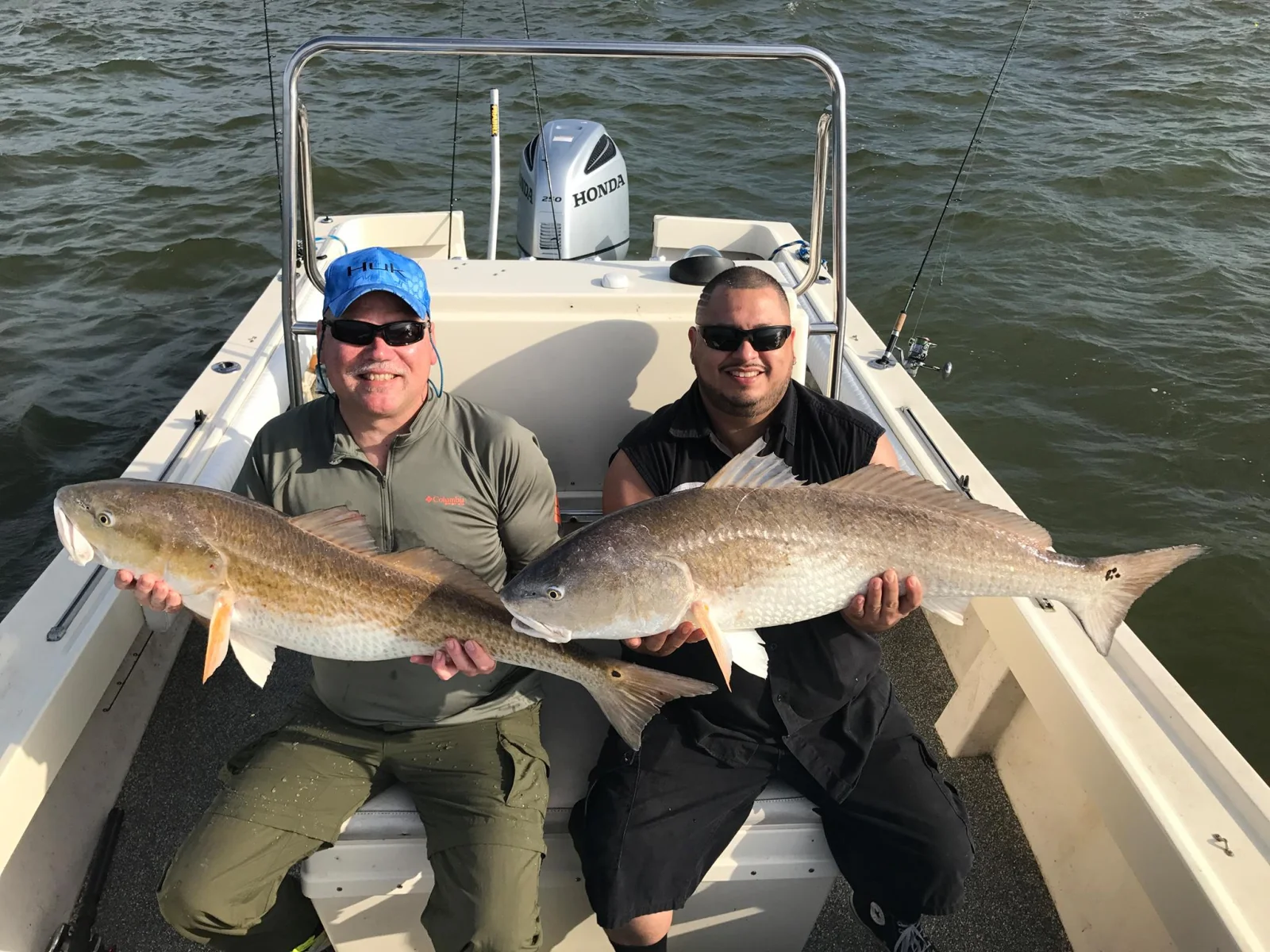
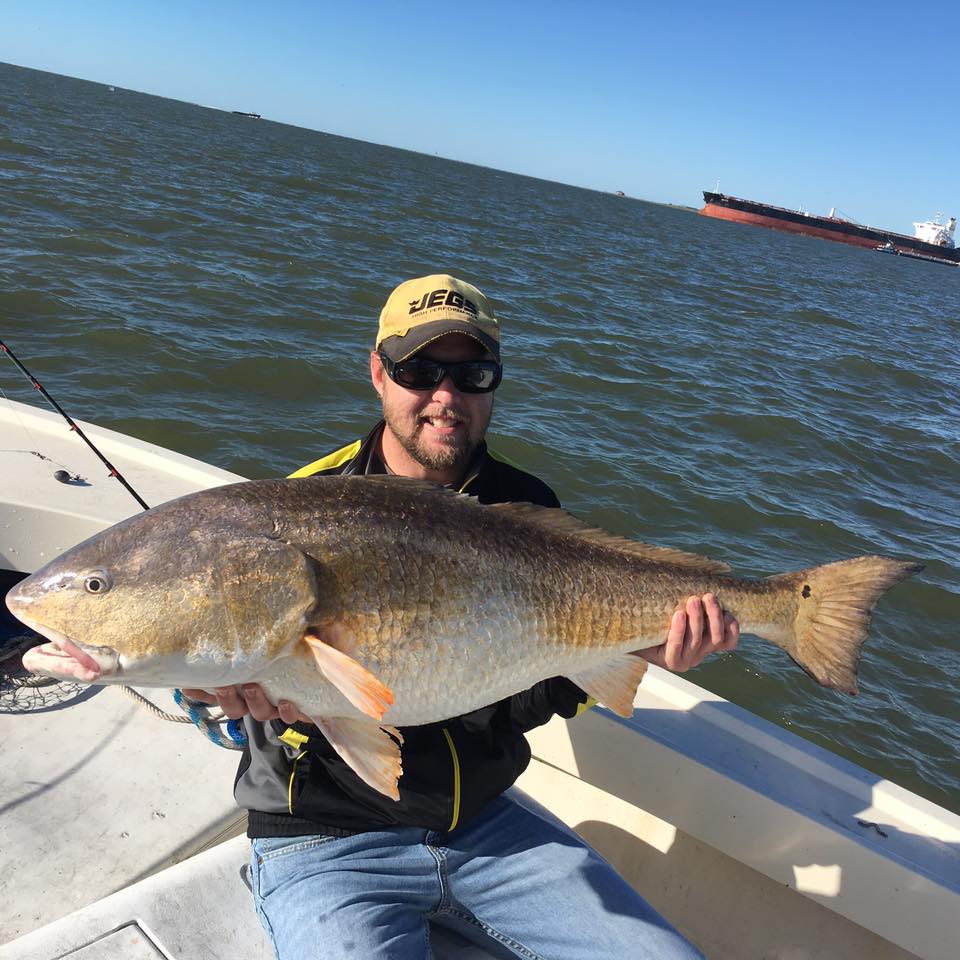
Inshore, Nearshore Fishing in Galveston
Galveston Jetty Trips
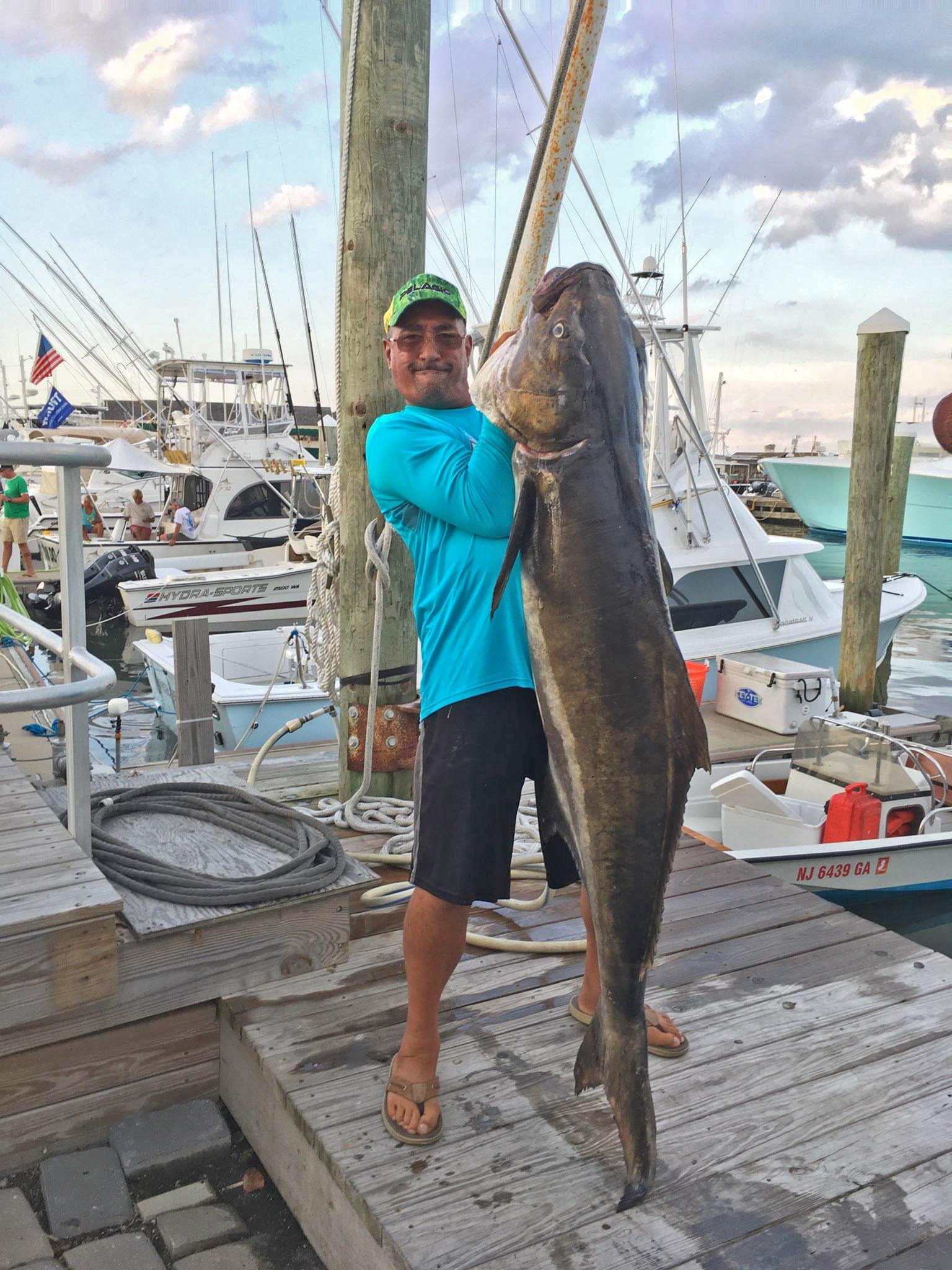
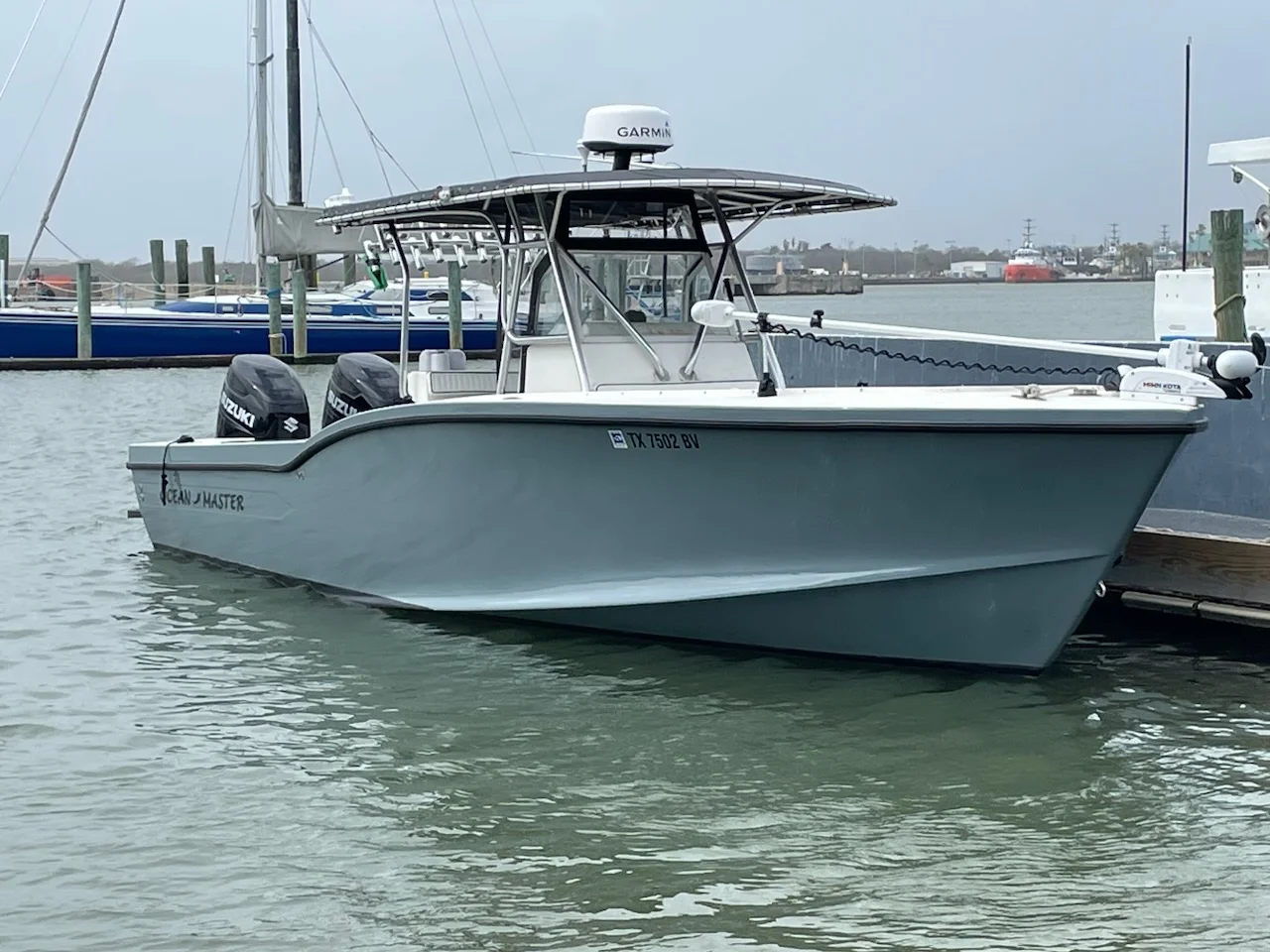
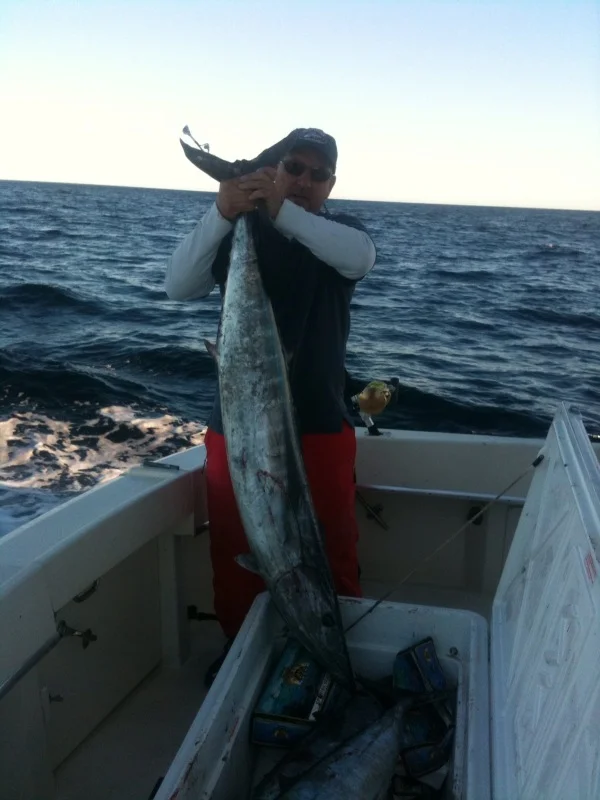
Nearshore Fishing in Galveston
Nearshore Trophy Thrills
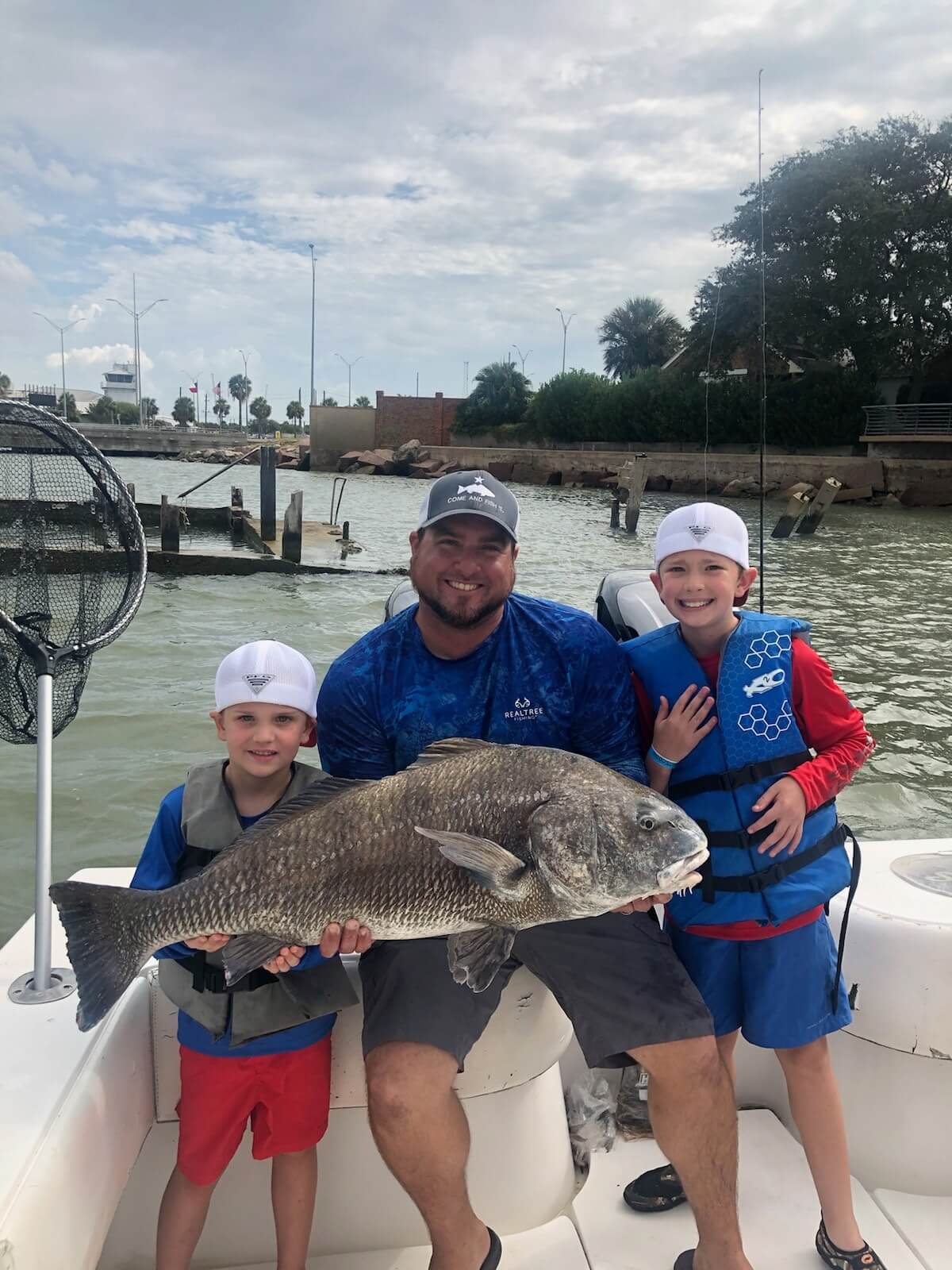
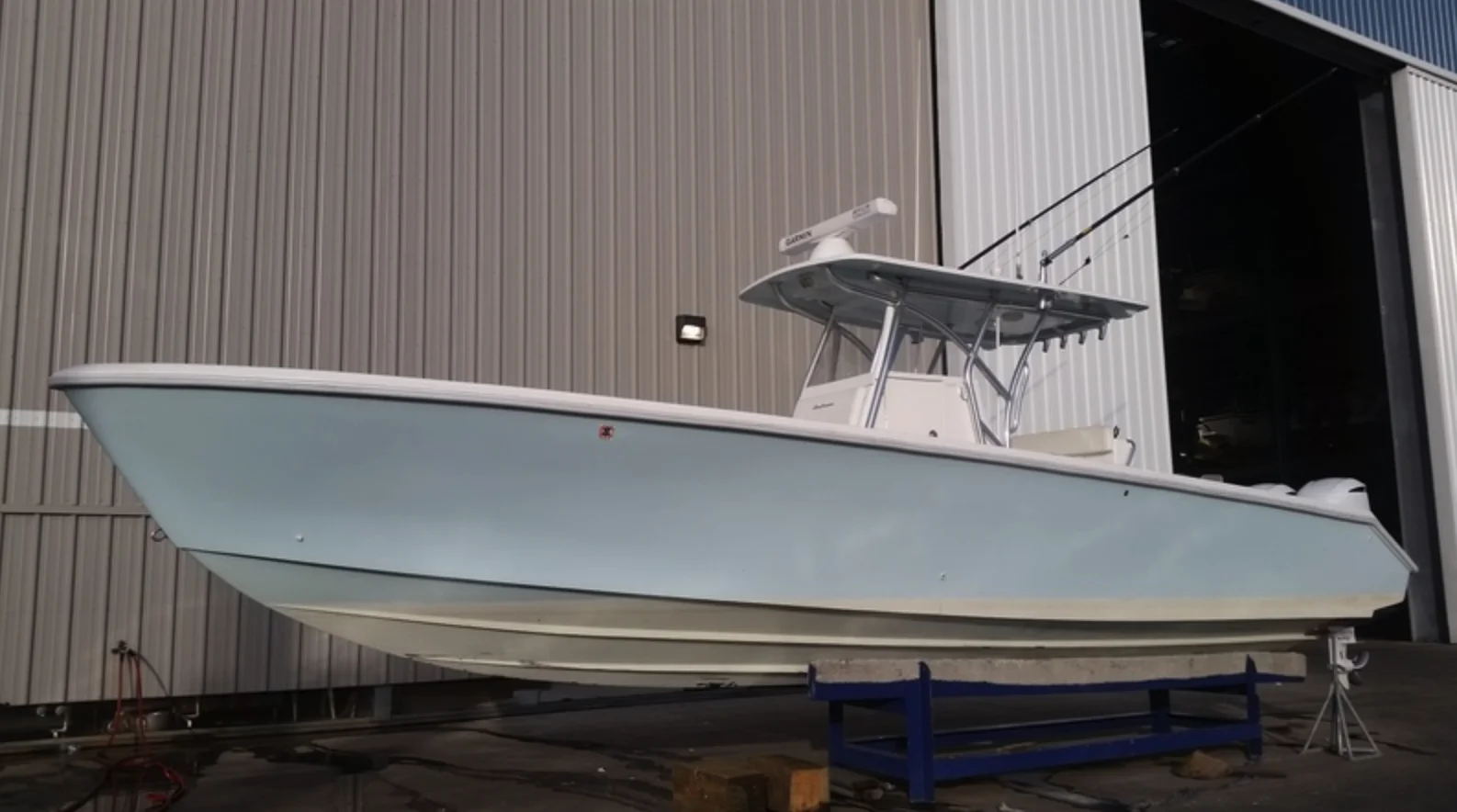
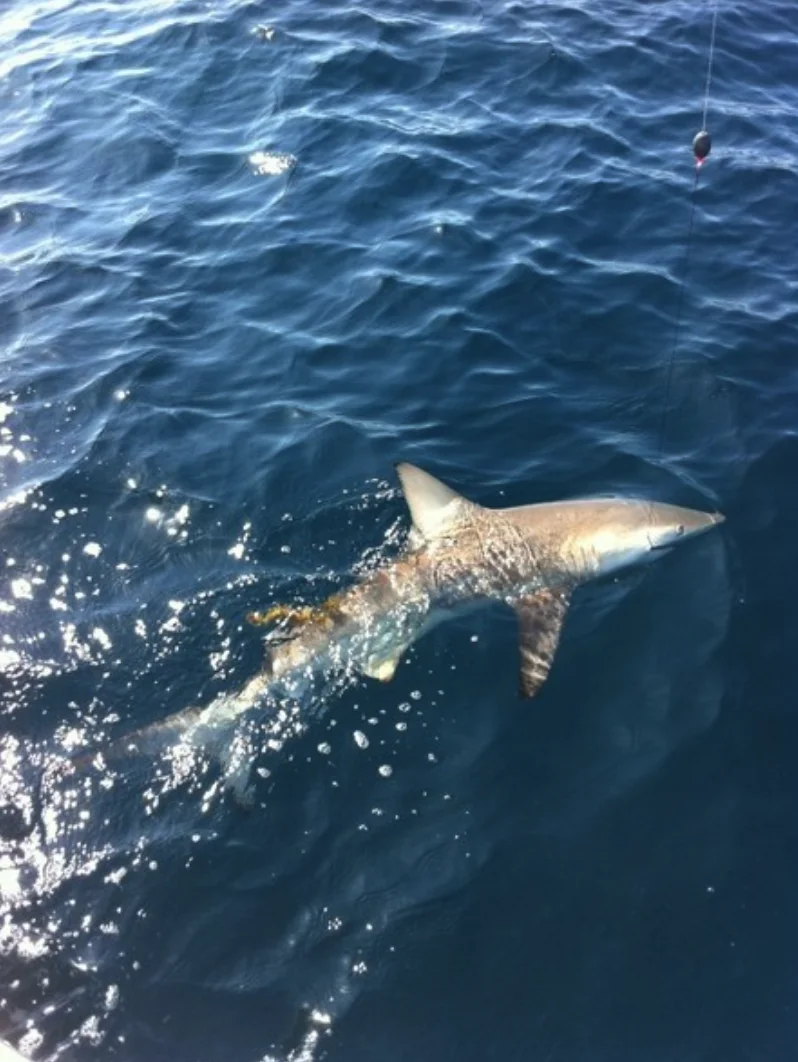
Nearshore, Jetty Fishing in Galveston
Shark And Bull Drum Trip
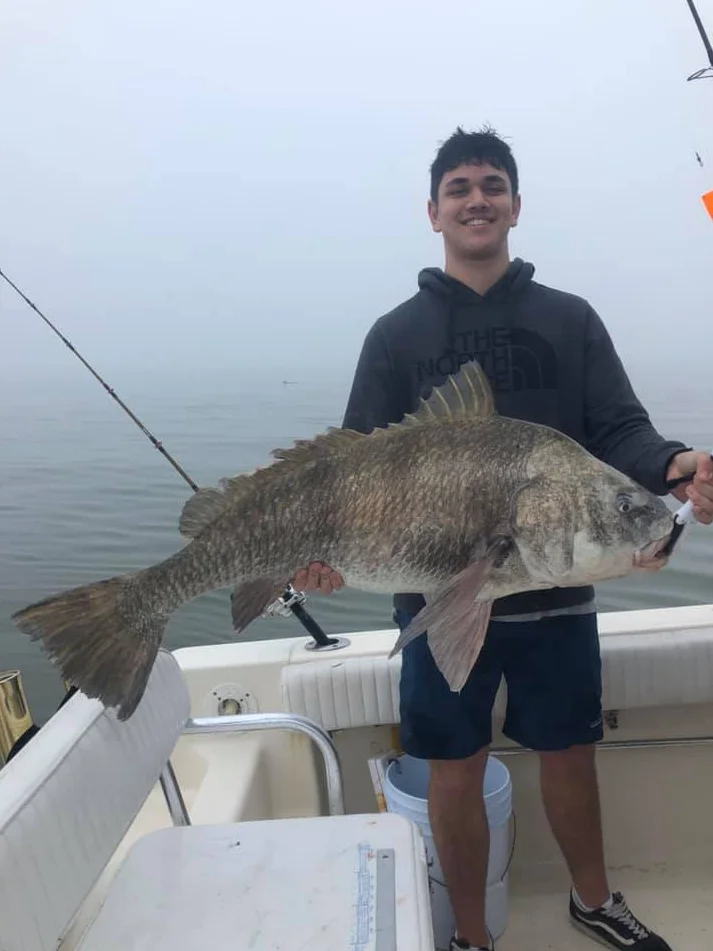
Nearshore Fishing in Galveston
State Water Slam
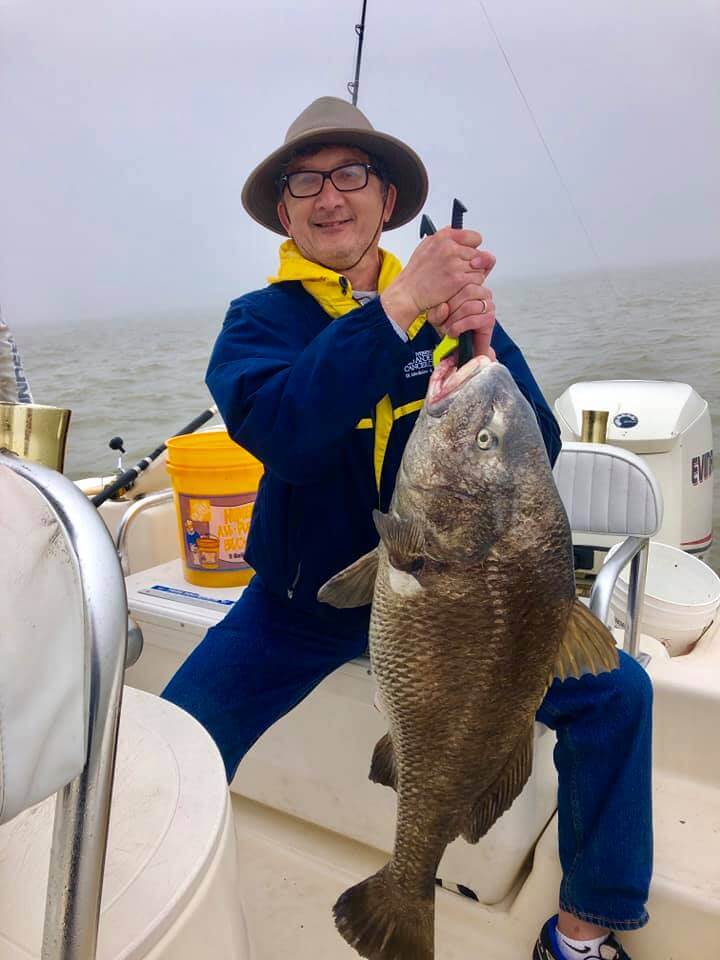
Nearshore, Jetty Fishing in Galveston
Bay And Jetty Fishing
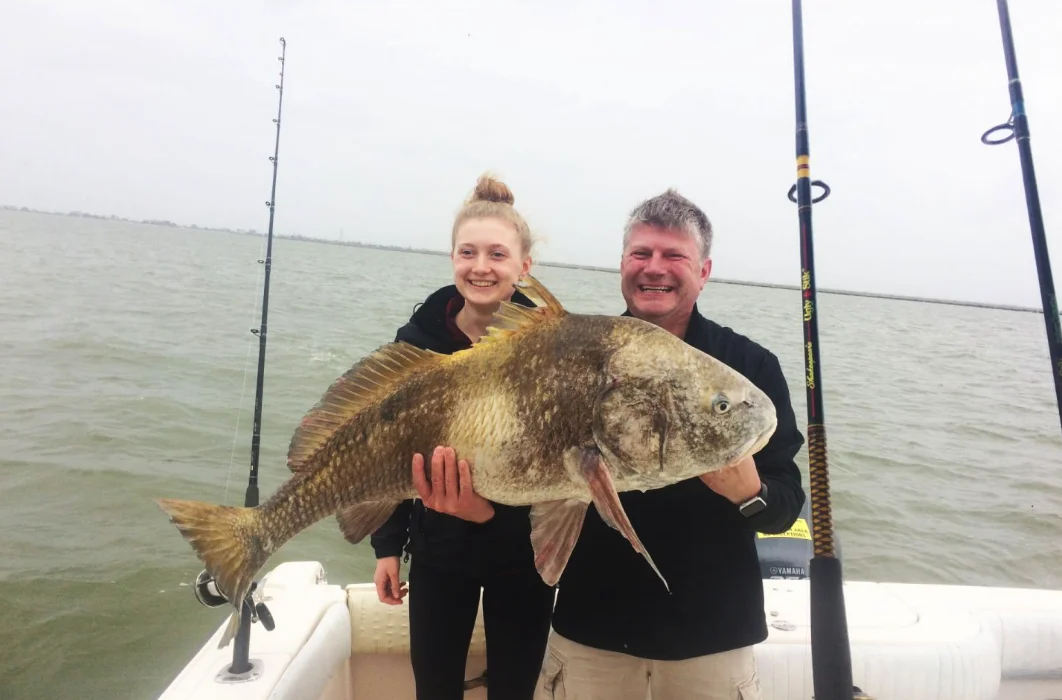
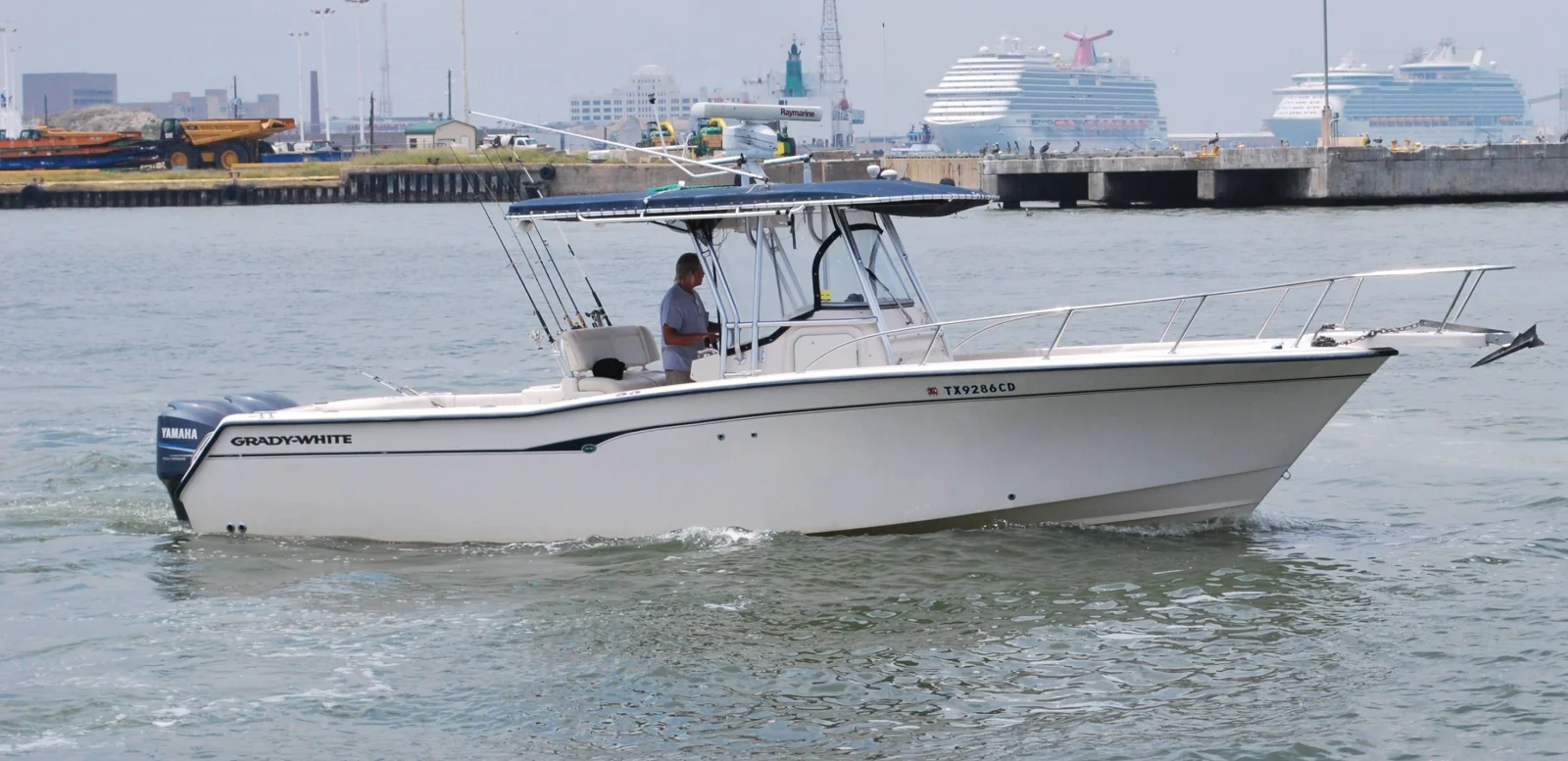
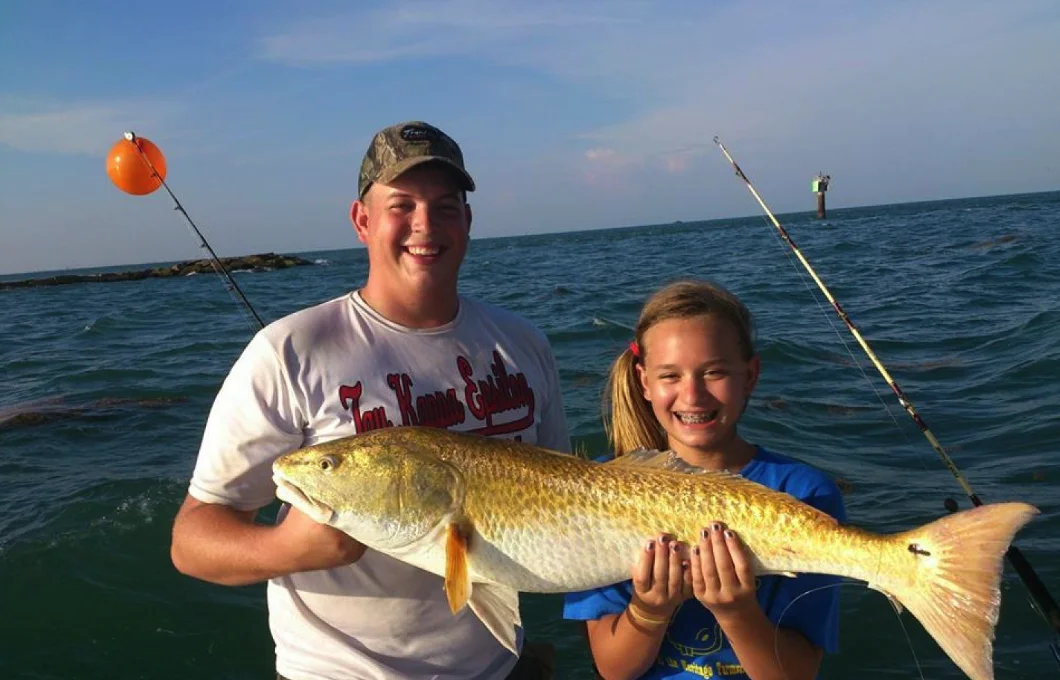
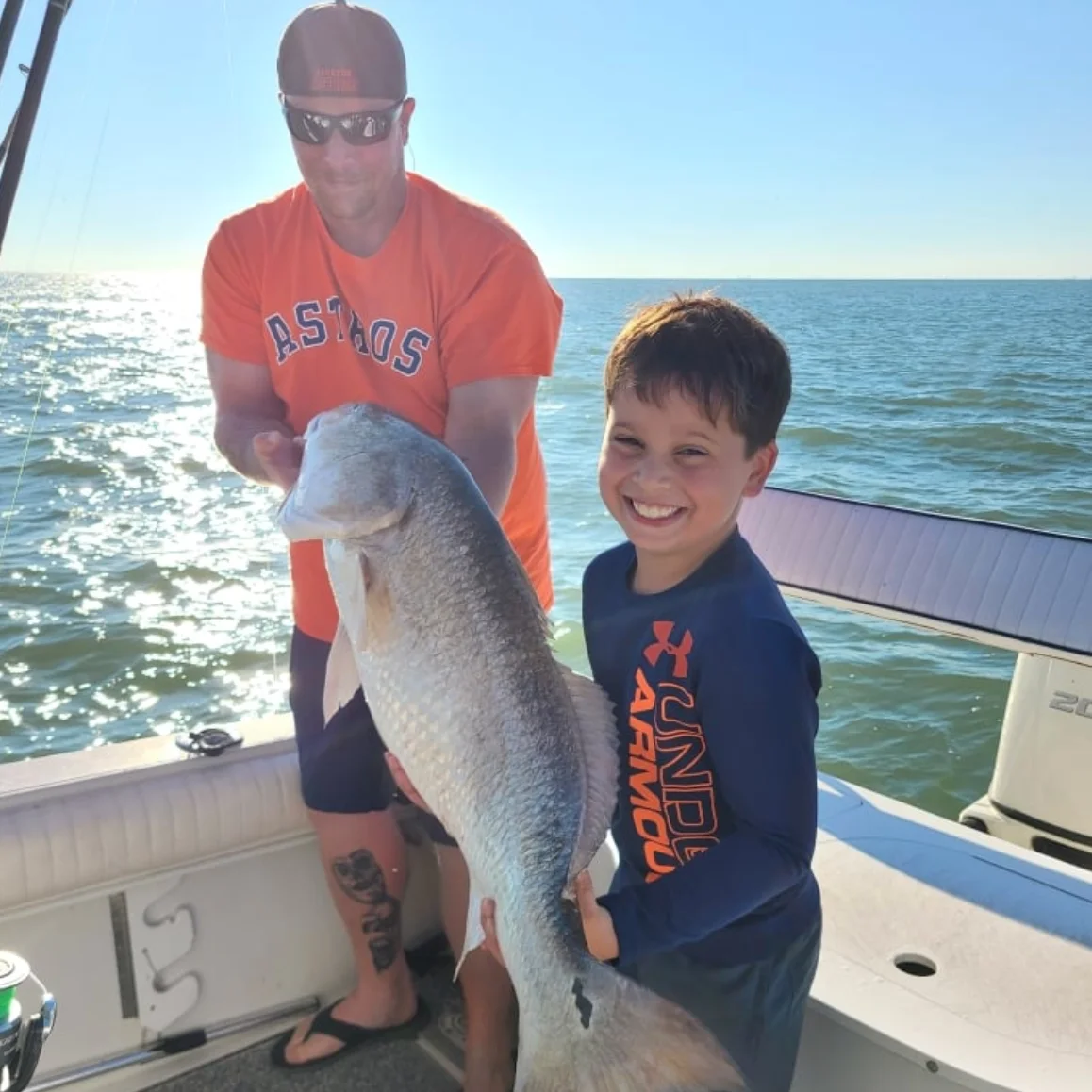
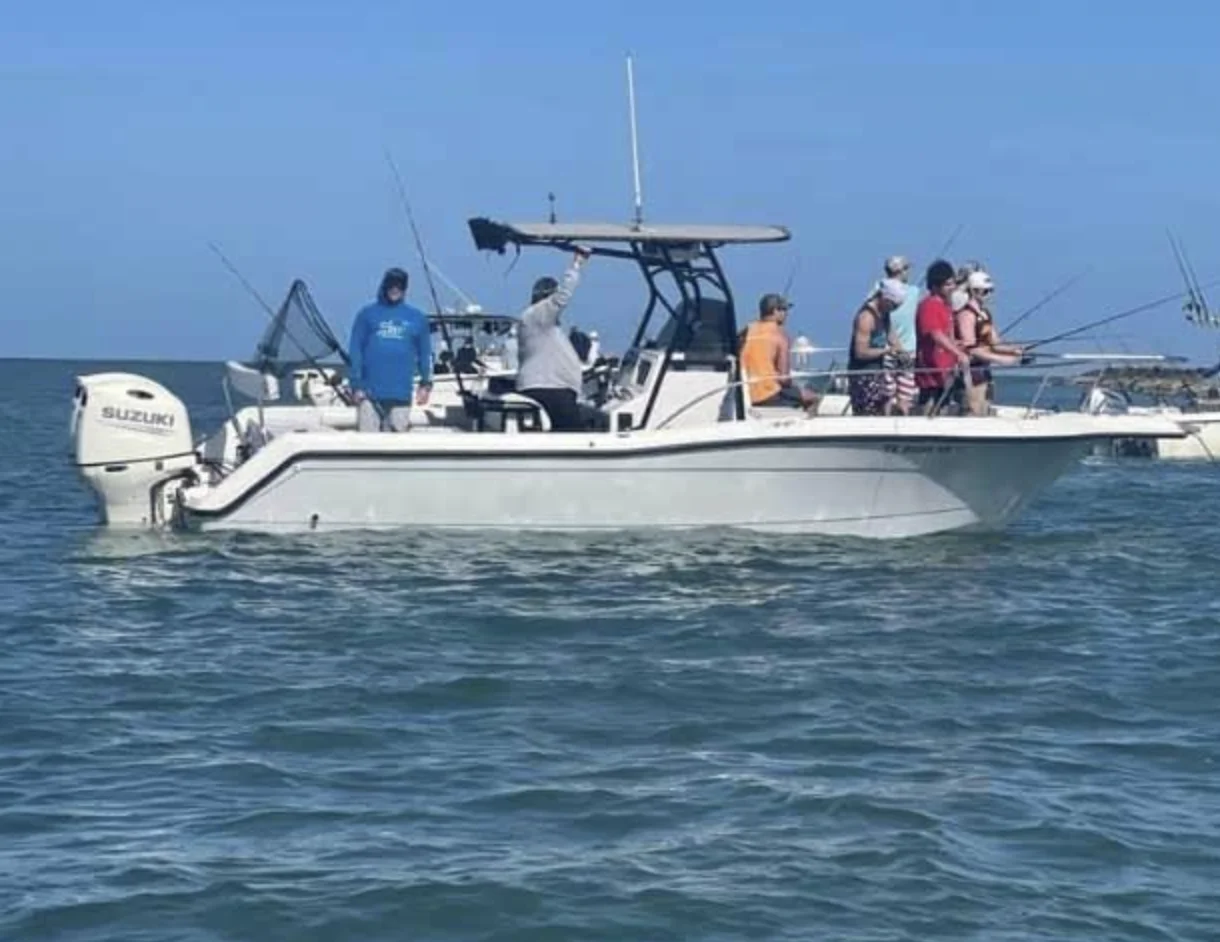
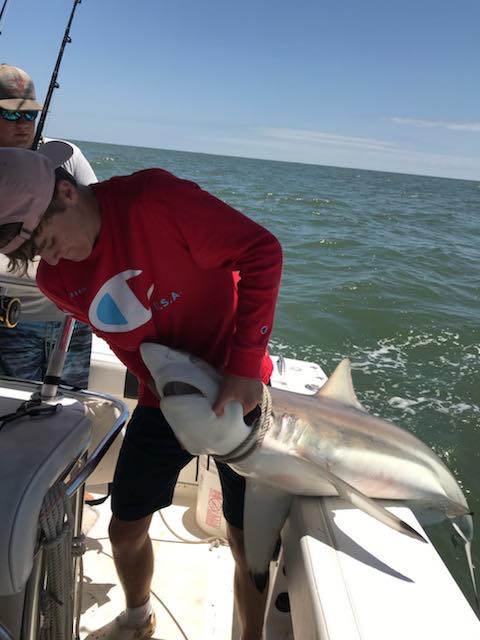
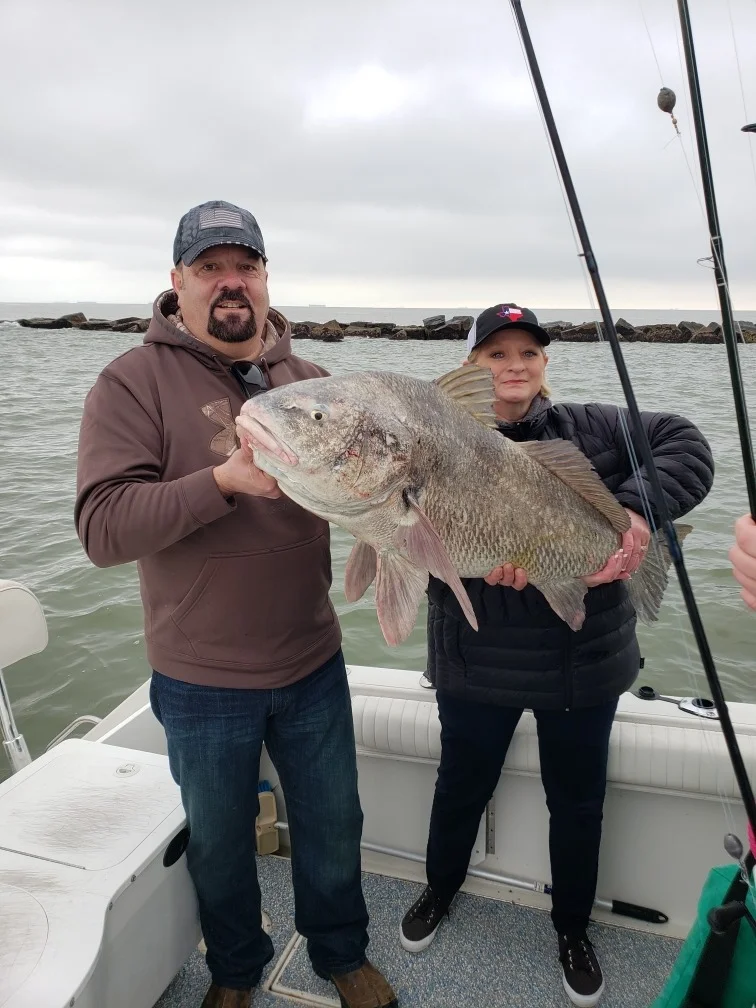
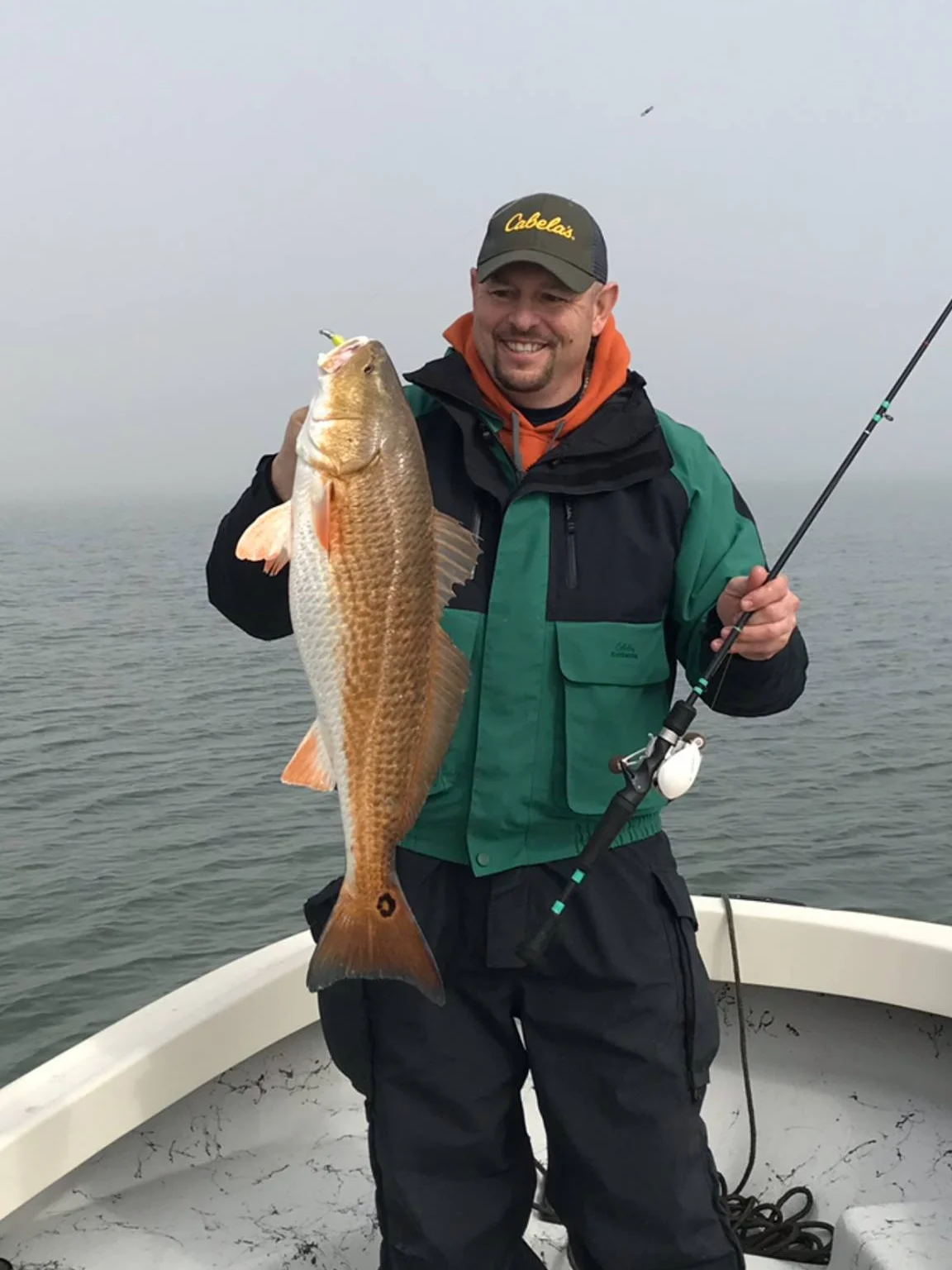
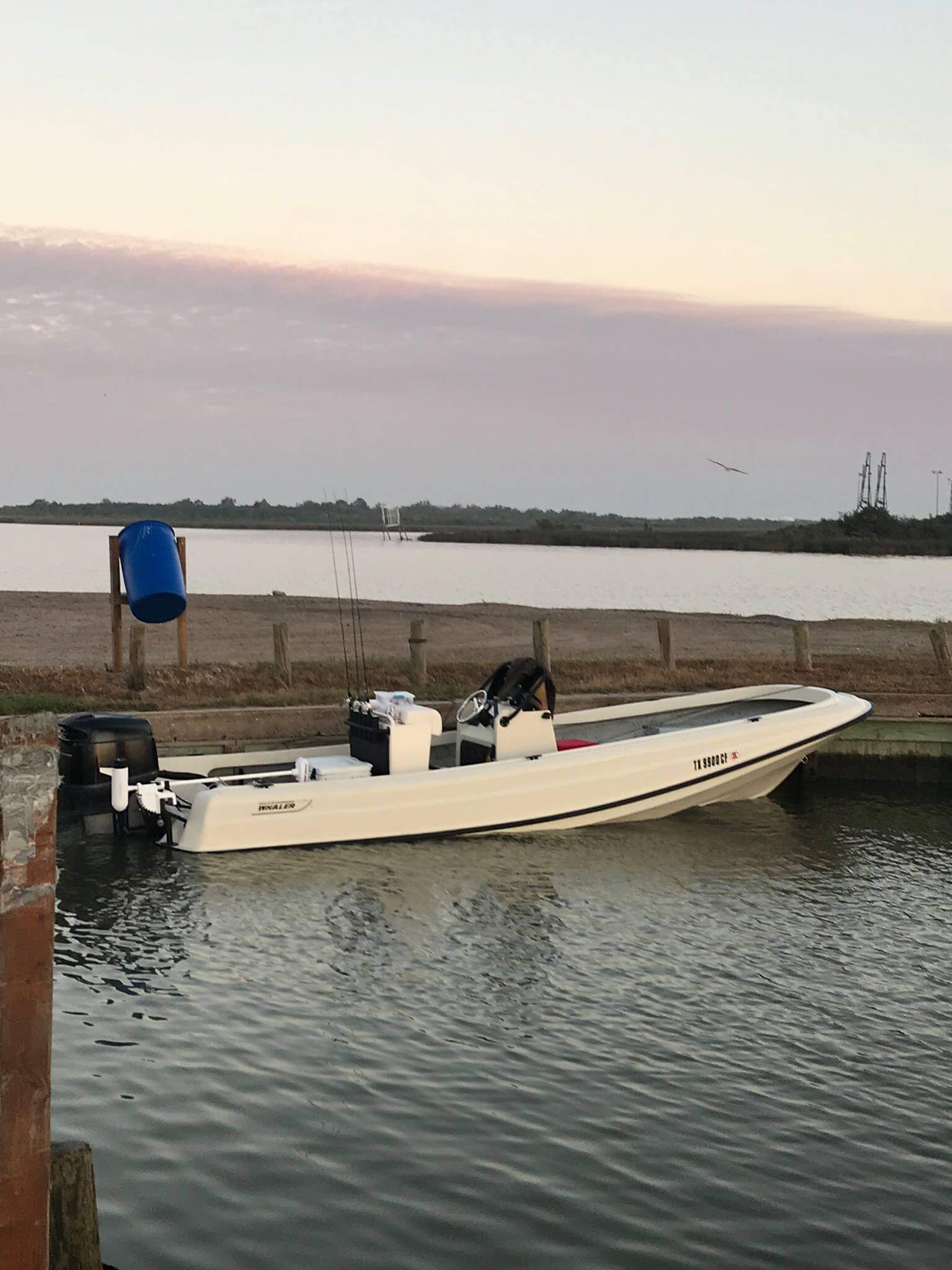
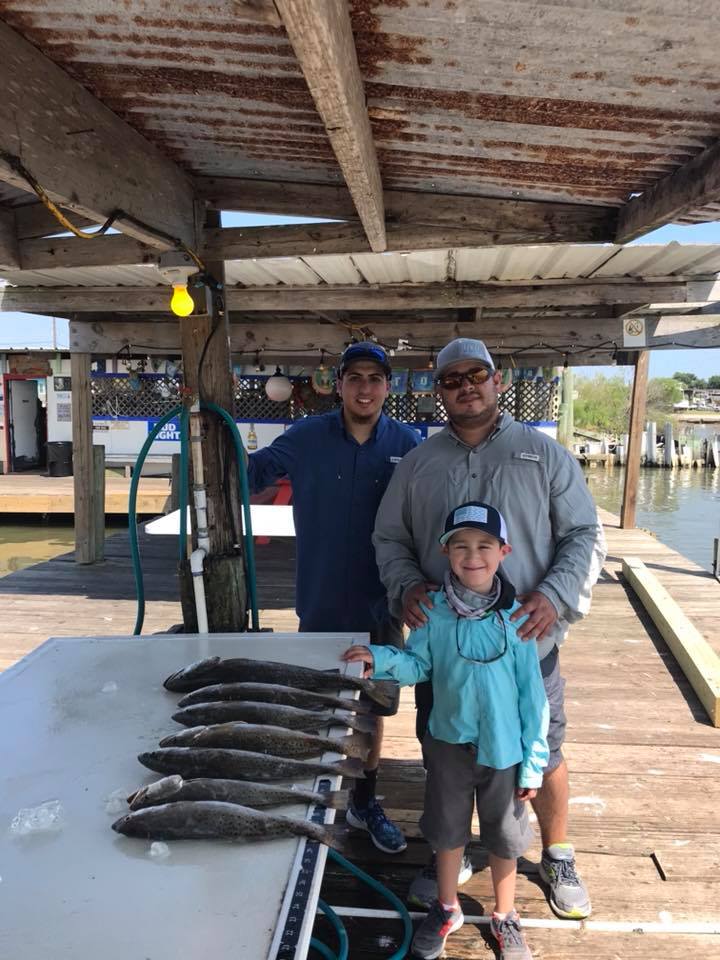
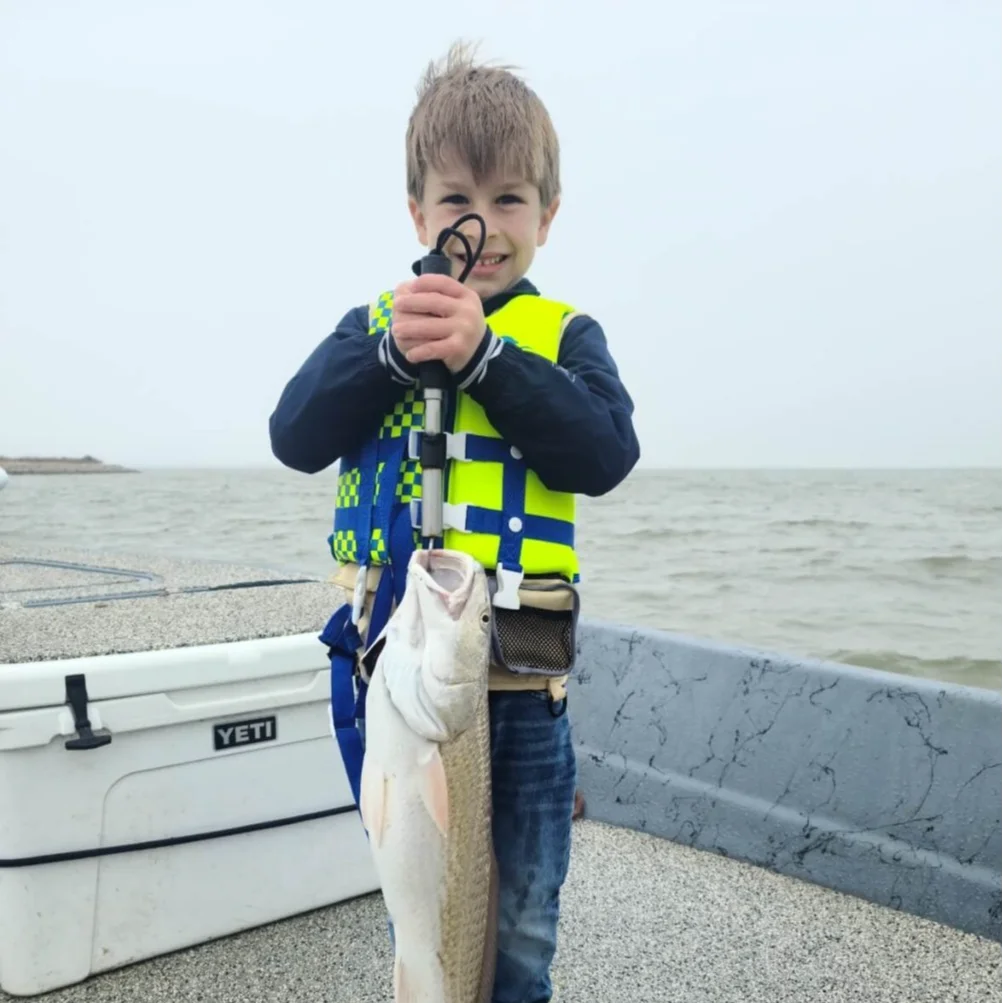
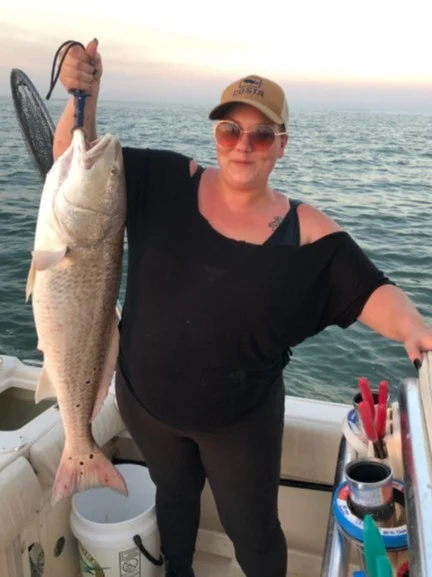
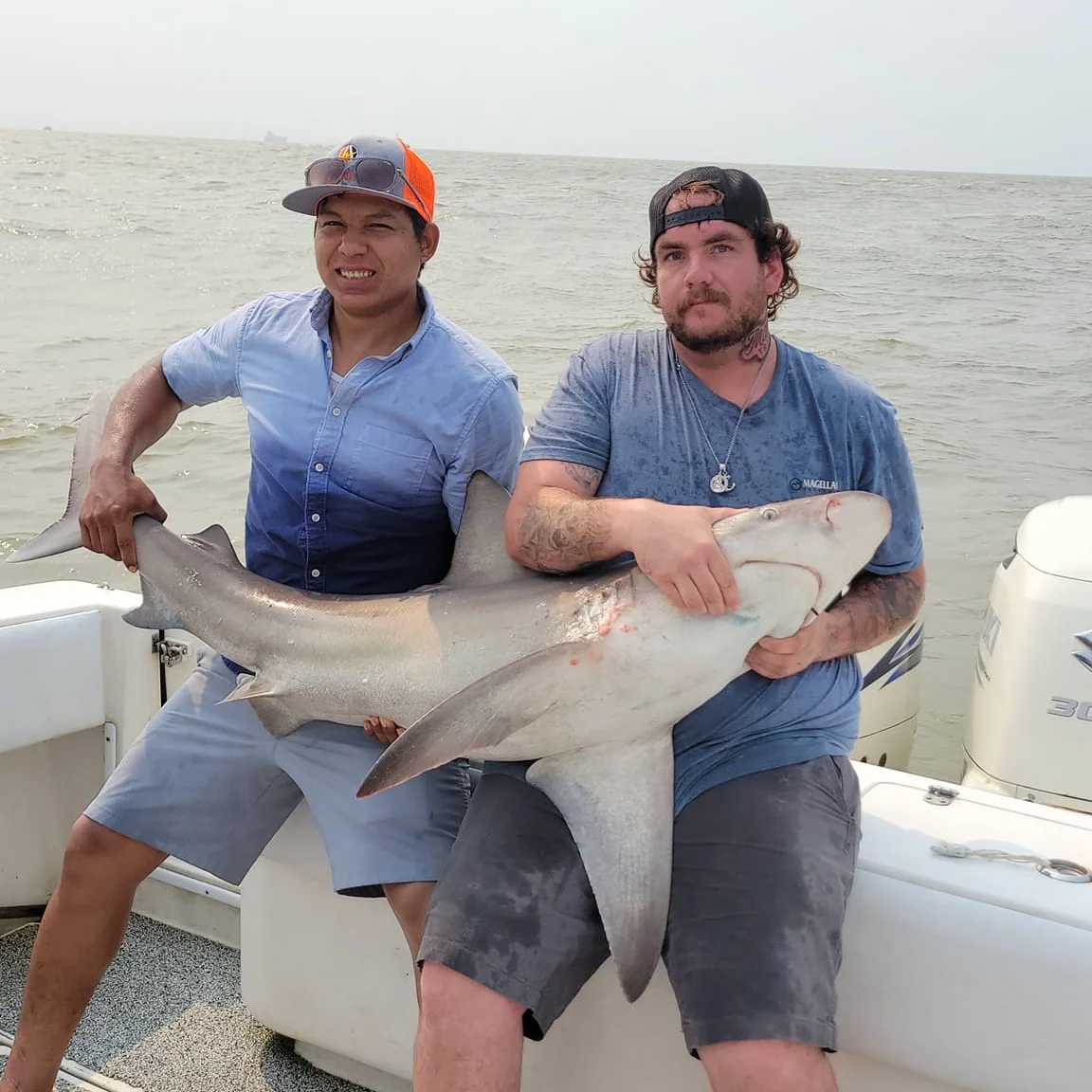
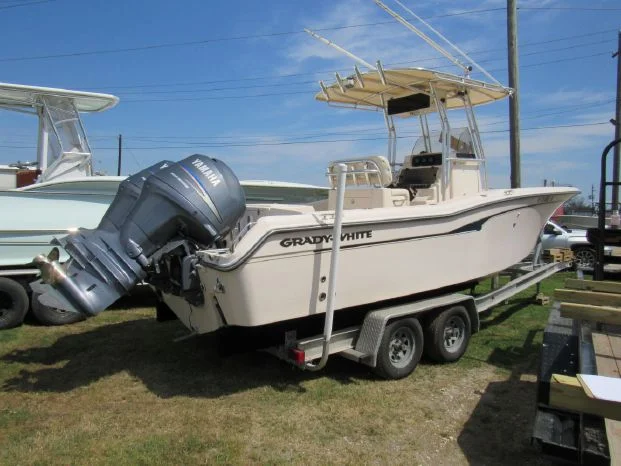
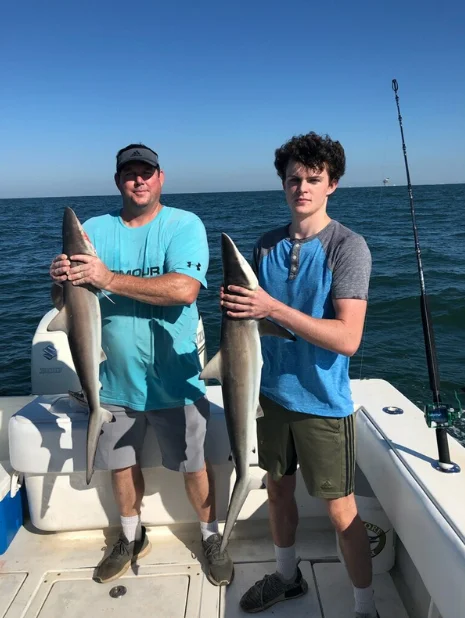
Didn't Find What You Were Looking For?
Our guides are Damn Good Guides, which means they’re vetted by our team of outdoor experts who know them on a first-name basis. We hand pick each and every one of them, and our network spans all across the US and beyond.
The proof is in the pudding, and we’re incredibly proud of our 4.9 / 5 average review score. Hit the button below to see more trip options:
Everything to Know About Booking a Trinity River (TX) nearshore fishing charter
What are the best nearshore fishing charters in Trinity River (TX)?
The best nearshore fishing charters in Trinity River (TX) are:
- Reel Smooth Guide Service guided by Michael M. with 32 years of experience
- Steel Salty Charters guided by Colton C.
- Bow to Stern Fishing Tours guided by David R. with 16 years of experience
- Gulf Coast Yaker’s LBSF Charter guided by Steven C.
- Captain Mike's Guide Service guided by Mike E.
Why should I book a nearshore fishing charter in Trinity River (TX) with Captain Experiences?
Our Damn Good Guides currently offer 22 nearshore trips in Trinity River (TX), and the most popular trips in the area are Baytown Hook And Shoot guided by David, Shark Quest With Captain Derek guided by Derek, and Galveston Bay Grab Bag guided by Colton.
Our guides in Trinity River (TX) are rated a 4.94 out of 5 based on 9585 verified reviews on Captain Experiences.
All guides on Captain Experiences are vetted by our team. You can access their reviews, click through trip photos, read bios to get to know them, and preview trip details like species, techniques, group sizes, boat specs and more.
Looking for kid friendly nearshore guides / fishing lessons in Trinity River (TX)? Check out our beginner and family friendly nearshore guides in Trinity River (TX).
What types of nearshore fishing charters are common in Trinity River (TX)?
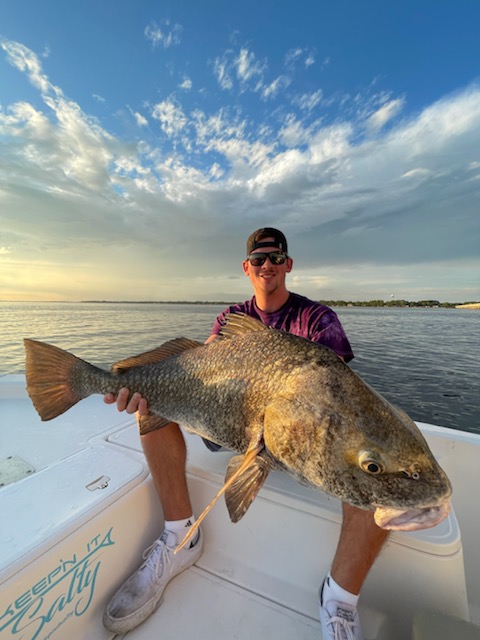
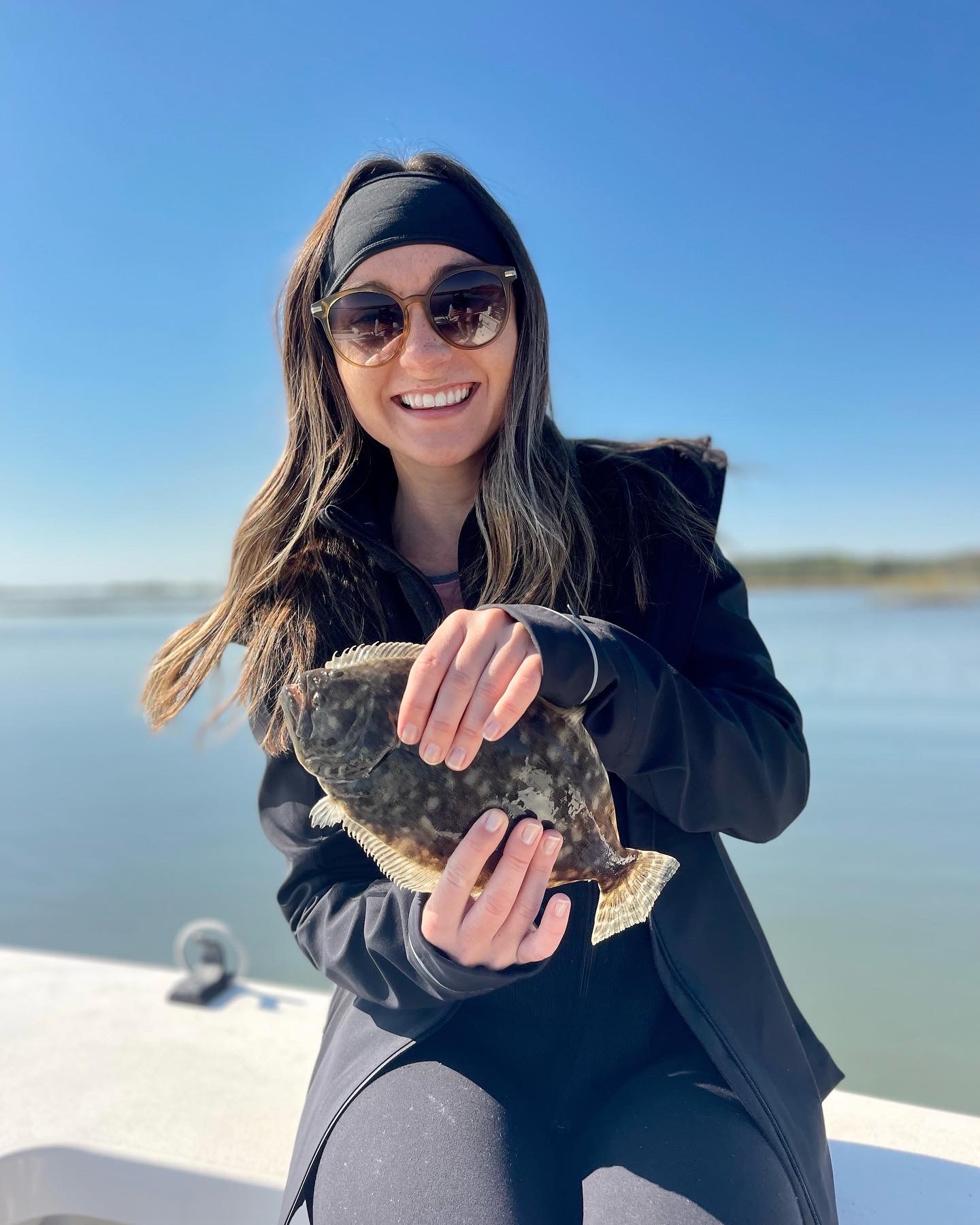
The most commonly sought after species for nearshore fishing are: 1. blacktip shark, 2. redfish, 3. black drum, 4. flounder, and 5. hammerhead shark.
The most common fishing techniques in Trinity River (TX) are light tackle fishing, heavy tackle fishing, and bottom fishing but live bait fishing and trolling are popular as well.
How much do Trinity River (TX) nearshore fishing charters cost?
Prices for nearshore fishing in Trinity River (TX) can range anywhere from about $575 to $1,686, but the average price for a half day trip for nearshore fishing in Trinity River (TX) is $811. The average price for a full day trip for nearshore fishing in Trinity River (TX) is $1,230.
Is booking a fishing guide worth the money?
Hiring a guide provides a number of benefits and many choose to book a fishing guide for a combination of experience, local knowledge, convenience, and cost-effectiveness.
Working with experienced fishing guides who know the best local spots and techniques can dramatically increase your odds of a great day. Having someone who is on the water every day and knows the area like the back of their hand is going to give you the best chances of success.
Booking a guide is also more cost effective, especially if you only get out a handful of times per year. When you consider all of the costs you would incur on your own such as the price of a boat, maintenance, insurance, gas, high-quality gear and tackle, repairs, and more, you’ll find that DIY is sometimes not worth the expense.
Even if you’ve got a great setup already in your home waters, booking a guide also provides a great opportunity to experience new techniques, new locations, or even a chance at a new target species to knock off the bucket list.
What month is best for nearshore fishing in Trinity River (TX)?
The most popular season for nearshore fishing in Trinity River (TX) is summer, and most anglers book their trips 9 days in advance.
Do I need a Trinity River (TX) fishing license and what are the bag limits in Trinity River (TX)?
See here for more information on fishing licenses in Trinity River (TX), bag limits for target species, and fishing season regulations in Trinity River (TX). When in doubt, your guide will always know all the relevant rules and regulations in Trinity River (TX).
What is lake fishing in Trinity River all about?
Fishing in the Trinity River offers a rewarding experience for anglers due to its diverse habitats and fish species. Stretching through various regions of Texas, the Trinity River provides opportunities for both novice and experienced anglers. The river's mix of flowing waters, pools, and shallow areas creates an ideal environment for different fishing techniques. Whether you prefer casting from the riverbanks or using a boat to explore the deeper sections, the Trinity River accommodates a wide range of fishing styles and preferences.
One of the most sought-after species in the Trinity River is the catfish. The river's ample supply of baitfish and other food sources makes it an excellent habitat for both channel and blue catfish. Anglers often use live bait such as shad or cut bait, and fishing during the cooler parts of the day, such as early mornings or late evenings, can enhance success. Catfish are known for their strong fight and delicious taste, making them a popular target for those looking for a rewarding catch.
Another prominent species in the Trinity River is the largemouth bass. The river's various structures, including submerged logs and rocky areas, provide ideal cover for bass, making it a prime location for fishing. Techniques such as jigging, using plastic worms, or employing crankbaits can be effective in enticing largemouth bass. Spring and early summer are particularly good times for targeting bass, as they are more active and aggressive during their spawning season. Overall, the Trinity River's diverse fishing opportunities and abundant species make it a notable destination for anglers seeking a dynamic fishing adventure.
What are the most popular months to go lake fishing in Trinity River?
Fishing in the Trinity River varies significantly with the changing seasons, each offering its own set of opportunities and challenges for anglers. Spring is one of the best times to fish in the Trinity River, as the warming temperatures trigger increased fish activity. During this season, species like largemouth bass become more active as they move into shallower waters to spawn. Anglers can take advantage of this by using a variety of lures and baits, such as plastic worms and crankbaits, to catch these aggressive fish. Spring also sees the arrival of catfish, which become more active and can be caught using live bait or cut bait.
Summer fishing in the Trinity River presents different conditions, with higher temperatures and increased water levels affecting fish behavior. Largemouth bass tend to seek cooler, deeper waters during the hotter months, making early morning or late evening fishing more productive. Anglers might need to adapt their techniques, focusing on deeper pools and shaded areas where bass are more likely to be found. Catfish remain a popular target during the summer, as they continue to be active and are often found in the river’s deeper, slower-moving sections. Night fishing can be particularly effective for catfish during this time.
As fall approaches, the Trinity River experiences a shift in fishing dynamics. Cooler temperatures bring a resurgence in activity among fish species, making it a good time to target both bass and catfish. Largemouth bass begin to move back towards shallower waters, feeding aggressively in preparation for winter. This period can be ideal for using a range of baits and lures, as bass are more willing to bite. Fall also marks the start of the catfish’s increased feeding activity, with fish becoming more voracious and easier to catch. Winter fishing in the Trinity River is less popular due to cooler temperatures, but dedicated anglers can still find success by targeting deeper, slower-moving sections where catfish and other species remain active.
What techniques are popular for lake fishing in Trinity River?
Fishing in the Trinity River offers a variety of techniques suited to its diverse environment and the species found within it. One popular method is bank fishing, which is particularly effective for targeting species like catfish and largemouth bass. Anglers often use live bait such as shad or cut bait for catfish, placing it in areas with slow-moving or deep water where catfish tend to congregate. For largemouth bass, using artificial lures like plastic worms, spinnerbaits, or crankbaits around structures like submerged logs and rocks can yield excellent results. Bank fishing provides accessibility and allows anglers to explore different spots along the river’s length.
Another effective technique in the Trinity River is boat fishing, which enables access to deeper and more remote areas of the river. This method is ideal for targeting largemouth bass, especially during the warmer months when these fish seek cooler, deeper waters. Using a fish finder can help locate underwater structures and schools of fish, improving the chances of a successful catch. Techniques such as jigging, trolling, or casting with various lures can be employed depending on the conditions and targeted species. Boat fishing allows for greater mobility and the ability to cover more water, increasing the likelihood of finding active fish.
Fly fishing is also a popular technique in the Trinity River, particularly for those looking to catch species like bass and panfish. This method involves using lightweight flies that mimic the natural prey of fish. Casting techniques such as the roll cast or overhead cast are commonly used to present the fly in a natural manner. Fly fishing can be especially effective in the river’s shallower sections and around vegetative cover. Anglers can experiment with different types of flies, including streamers, nymphs, and dry flies, to match the feeding patterns of the fish. Overall, Trinity River’s varied fishing techniques cater to different preferences and provide opportunities for a rewarding fishing experience.
What species are popular for lake fishing in Trinity River?
The Trinity River is home to a diverse range of fish species, making it a popular destination for anglers. One of the primary targets for many fishermen is the largemouth bass. Known for their challenging fight and impressive size, largemouth bass are prevalent in the river, particularly around structures like submerged logs, rocks, and weed beds. Spring and early summer are prime times to catch largemouth bass as they move into shallower waters to spawn. Using a variety of lures such as plastic worms, crankbaits, and spinnerbaits can be particularly effective for enticing these aggressive predators.
Catfish are another popular species in the Trinity River, attracting anglers with their strong fight and tasty meat. Both channel catfish and blue catfish are common in the river, thriving in its deep pools and slower-moving sections. Anglers targeting catfish often use live bait like shad or cut bait, and fishing during the night or early morning can increase the chances of a successful catch. Catfish are generally more active during warmer months, making summer and early fall the best times for targeting these bottom-dwellers.
The Trinity River also supports a variety of panfish species, including crappie and bluegill. These smaller fish are a great option for anglers looking for a fun and less strenuous fishing experience. Crappie, known for their tasty fillets, can be found around submerged structures and in deeper pools, especially during the spring and fall when they are more active. Bluegill are typically found in shallower, more vegetated areas of the river and can be caught using live bait like worms or small jigs. Both crappie and bluegill offer a rewarding experience for anglers of all skill levels and are abundant throughout the river.