Recently Booked Invasive Species Hunting Guides In Alabama
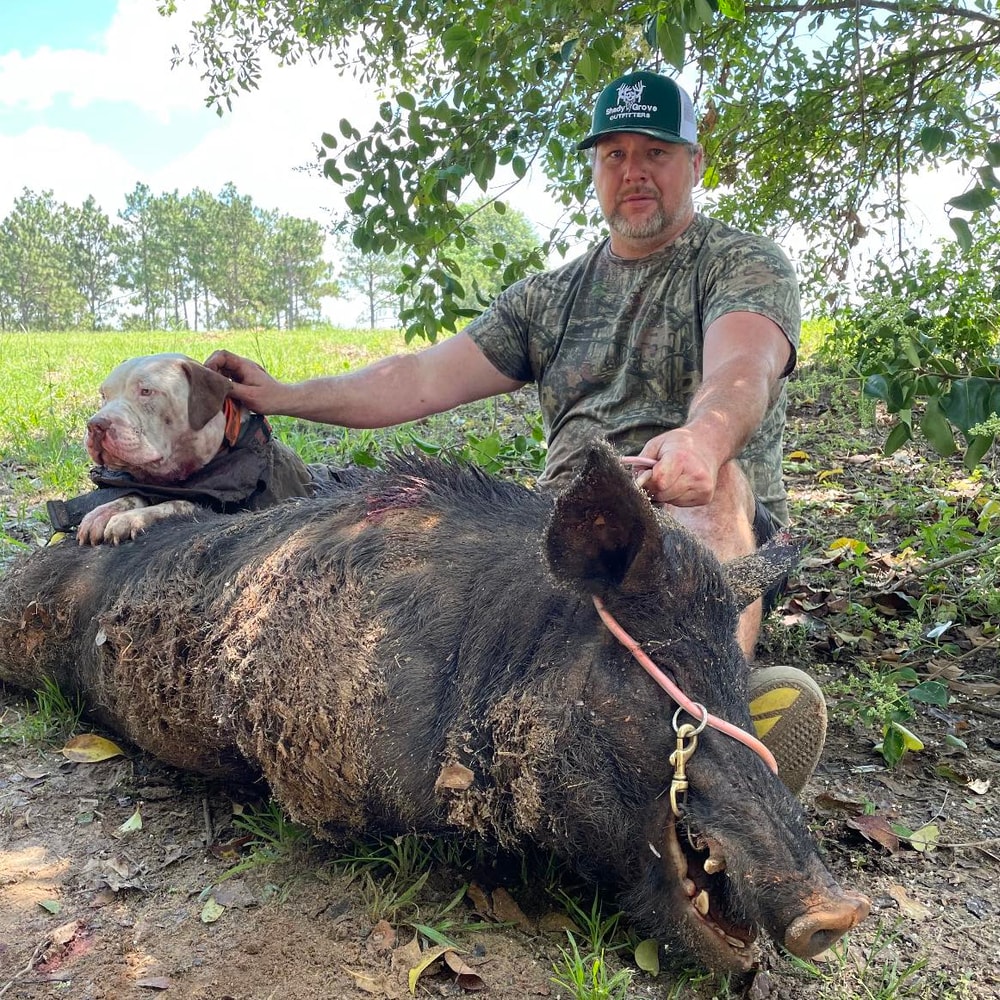
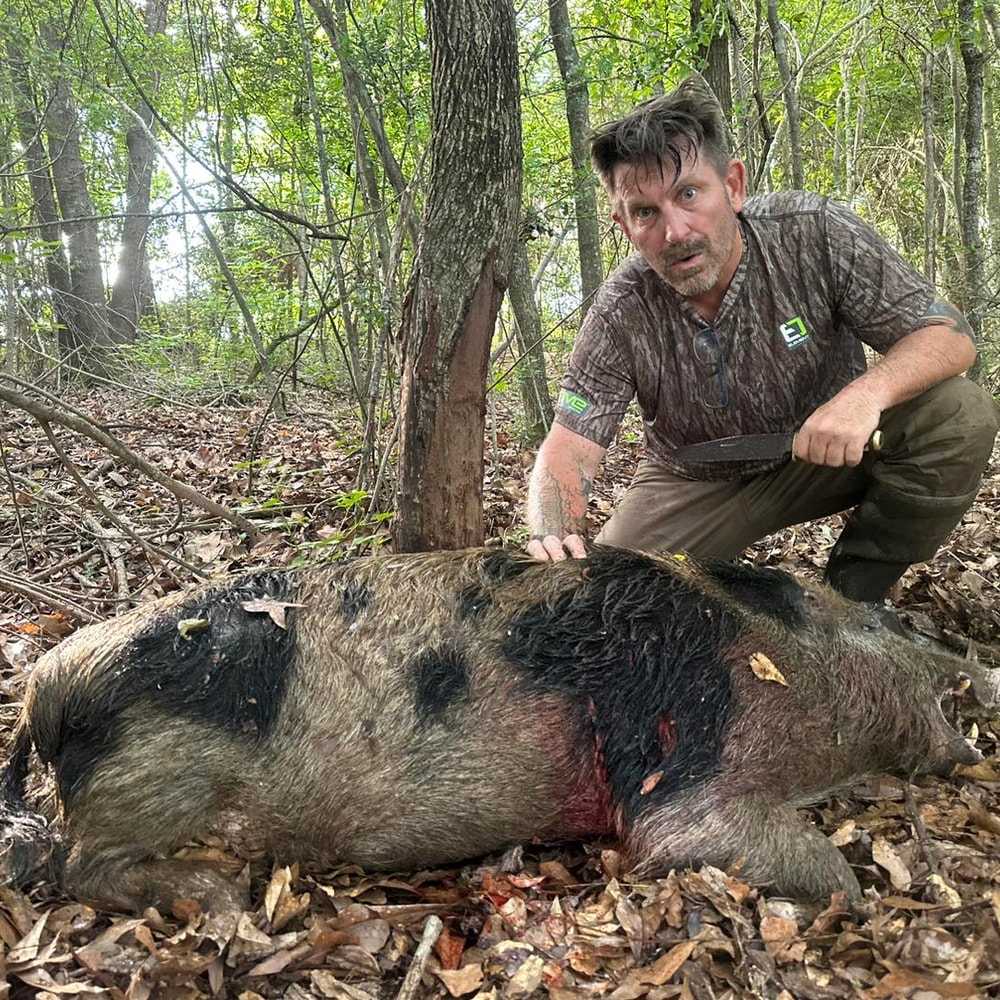
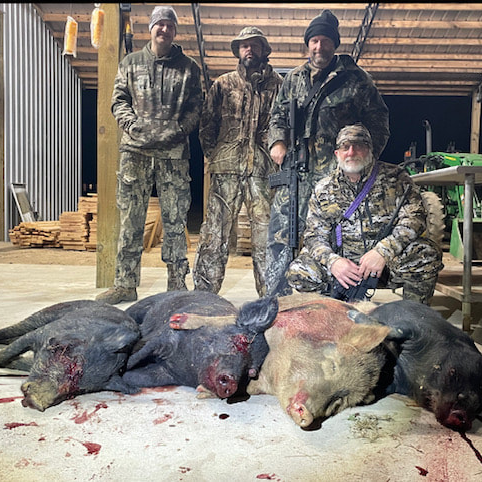
Invasive Species Hunting in Ansley
Thermal Hog Hunt Fun
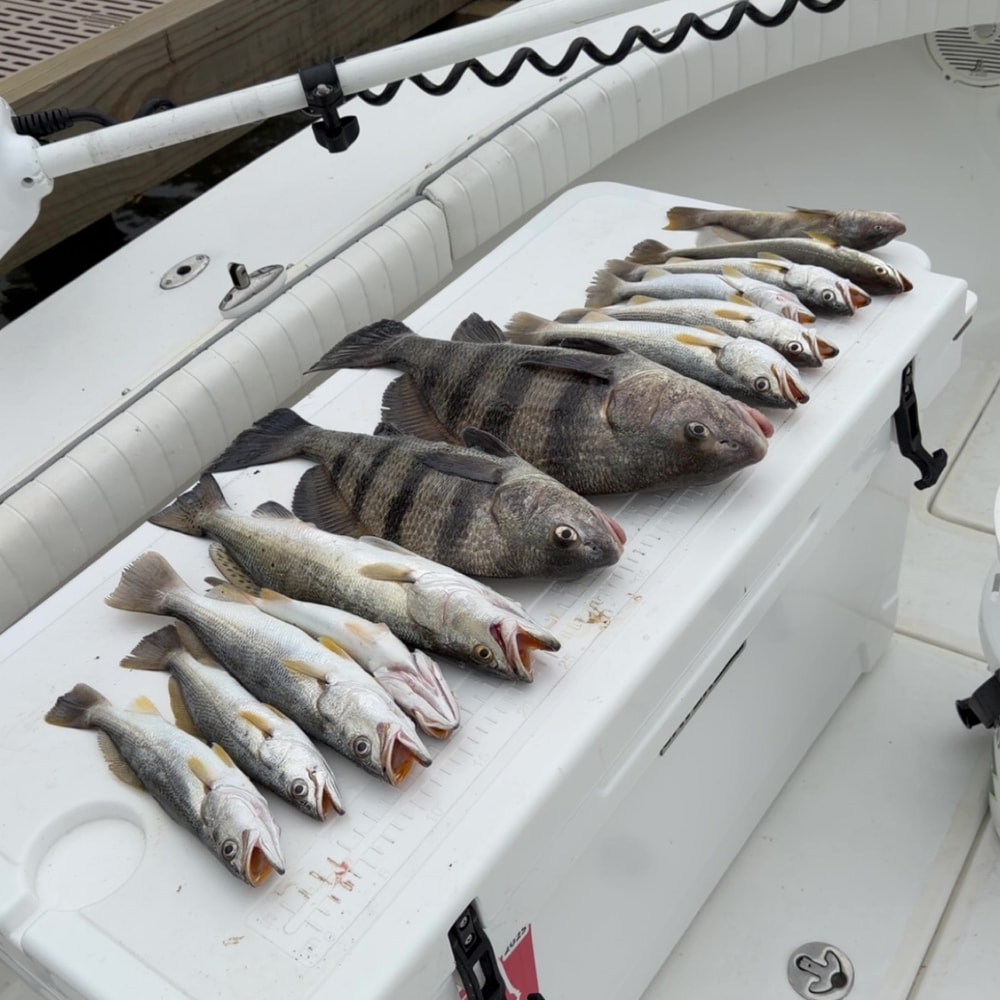
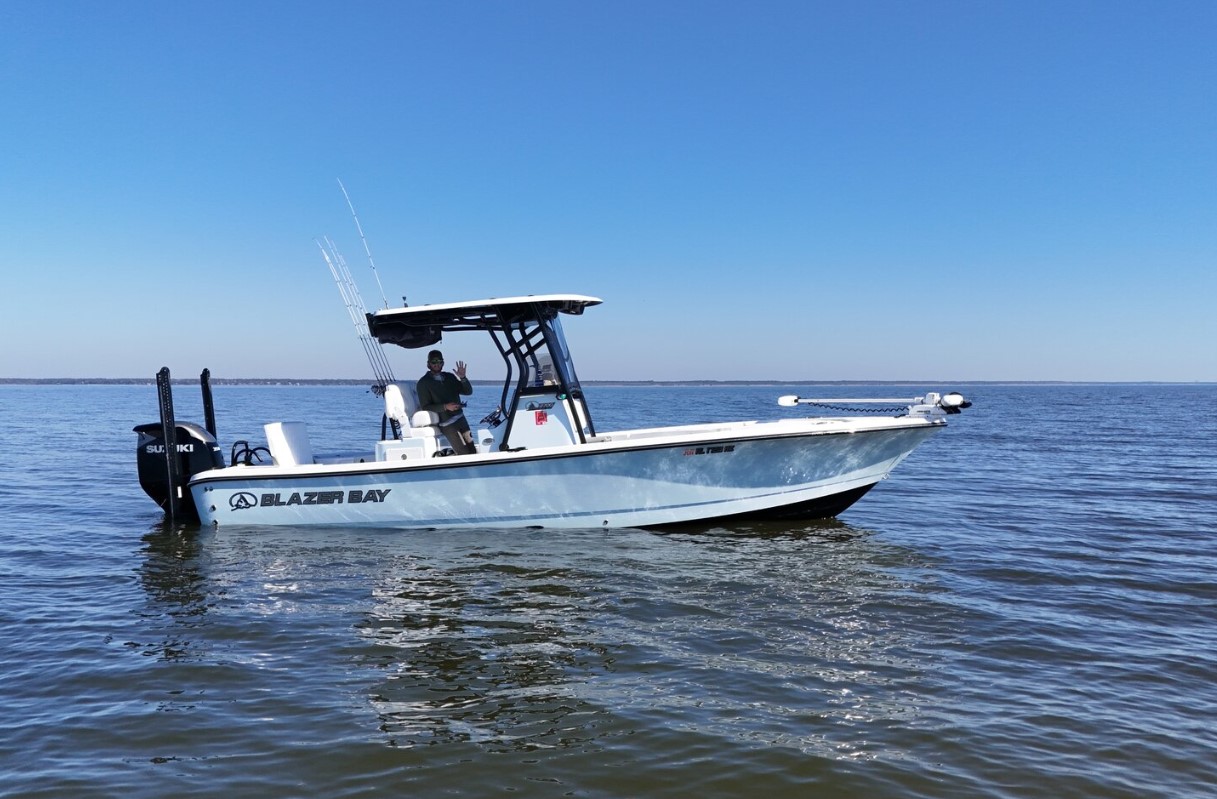
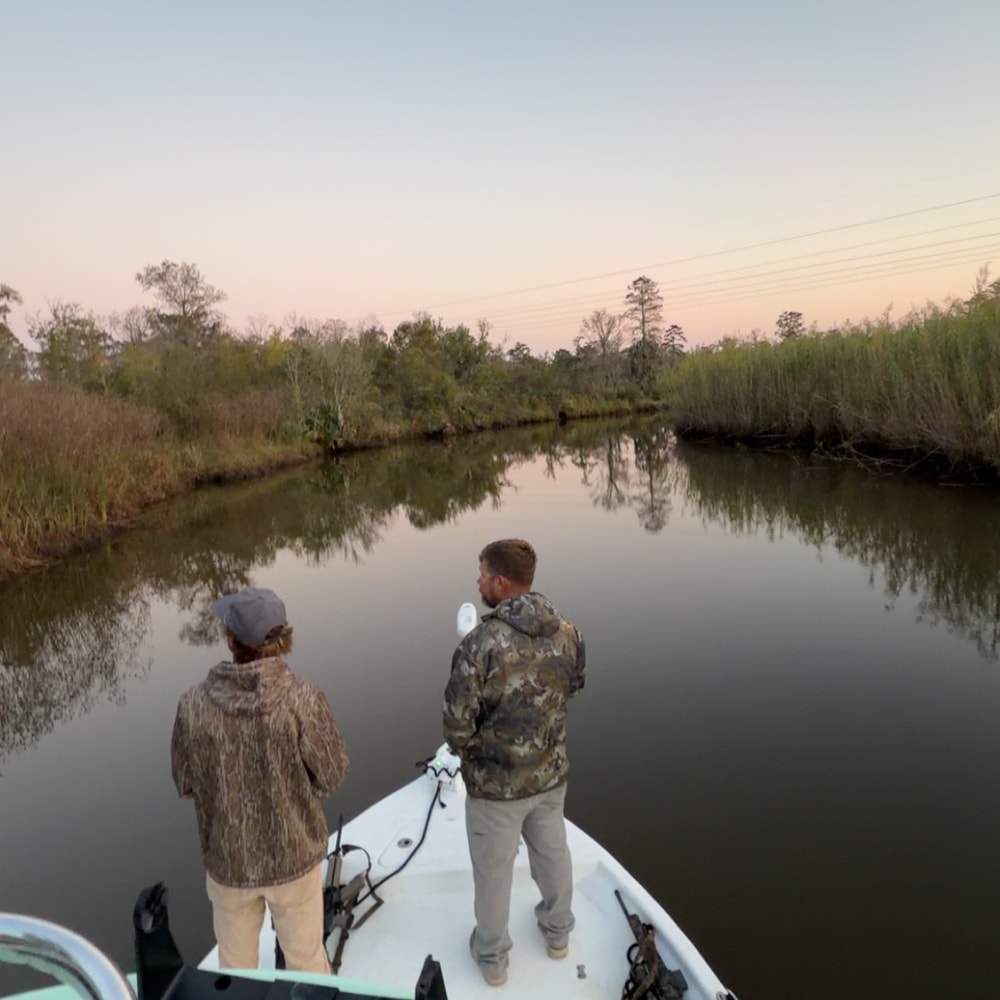
Delta Inshore Fishing/ Hog Hunt
What makes Captain Experiences Damn Good?
Damn Good Guides
You will only find quality, vetted guides on Captain Experiences, and we know them all on a first-name basis.
Experts Available 24/7
Our US-based team is available 24/7 to help you with any questions or concerns.
100% Weather Guarantee
We want to keep everyone safe, so if the weather is bad we'll work with you to reschedule at no cost.
4.9 / 5 Average Rating
We hand pick our Damn Good Guides, and our network spans across North America and beyond.
“Our Damn Good Guides go above and beyond, and we've handpicked every single one. We're passionate about the outdoors and look forward to getting you out on the trip of a lifetime, every time.”
Jonathan and Attison | Co-founders | Austin, Texas
Other Captain Experiences Trips in Alabama
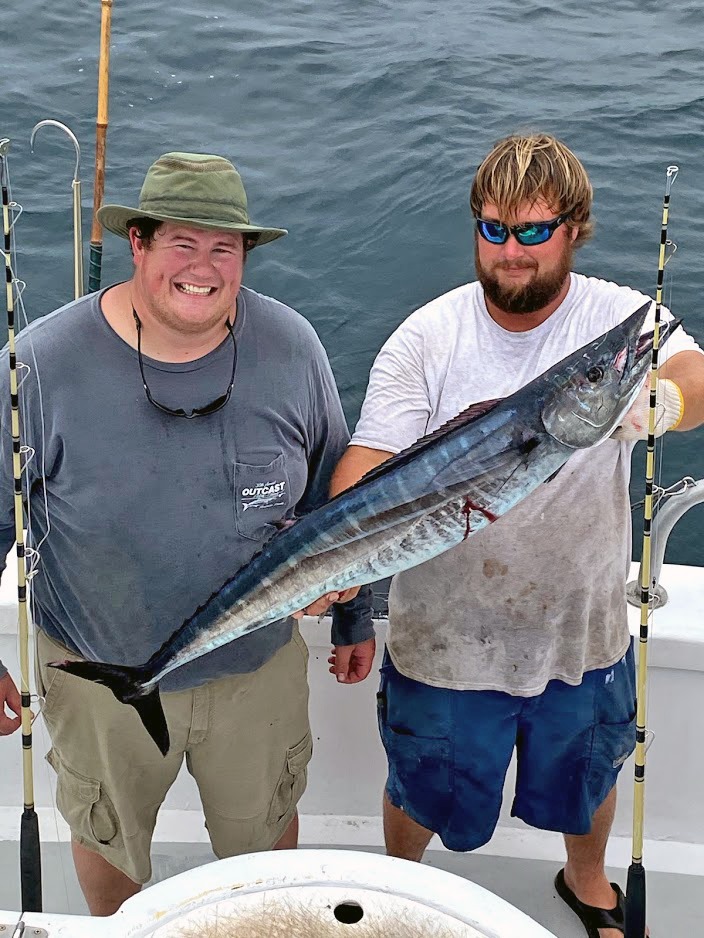
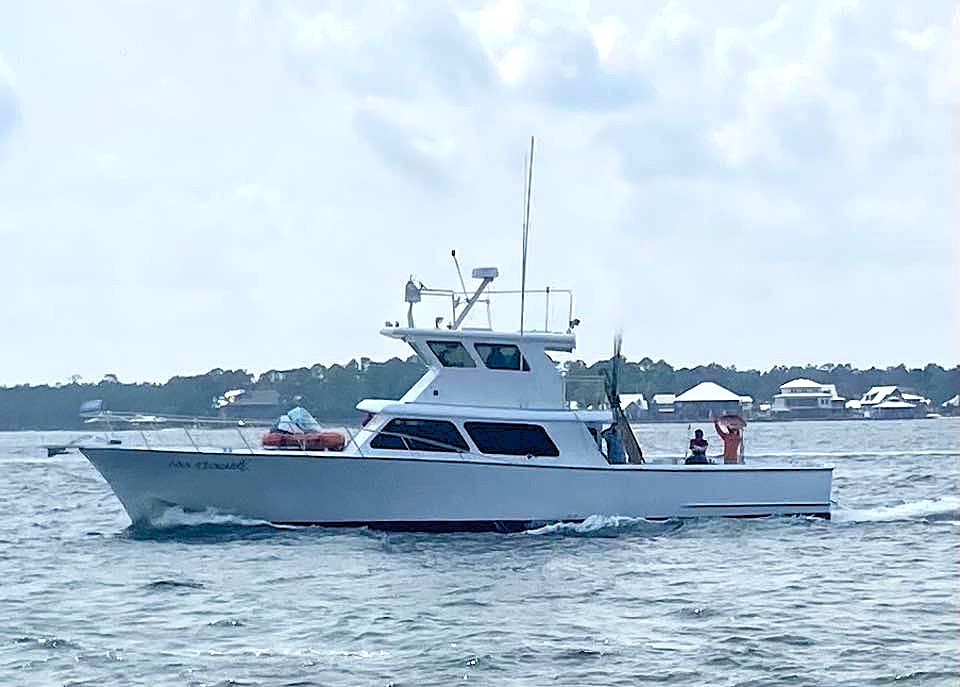
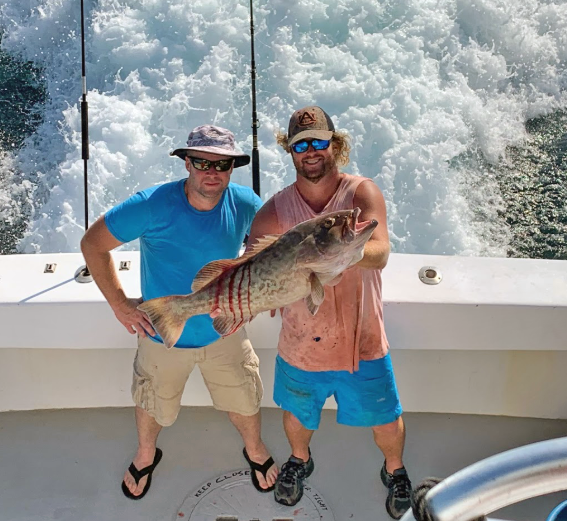
Deep Sea Fishing in Gulf Shores
10 Hour Bottom Fishing/Trolling
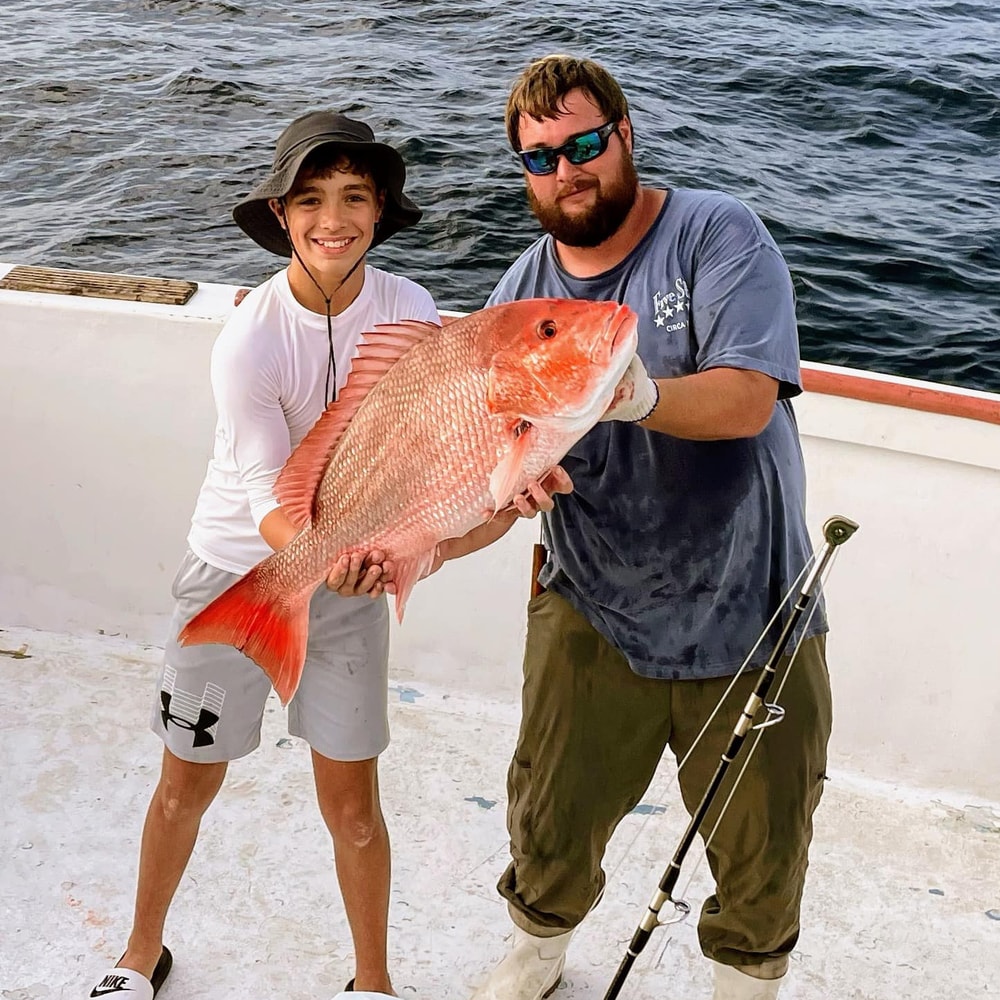
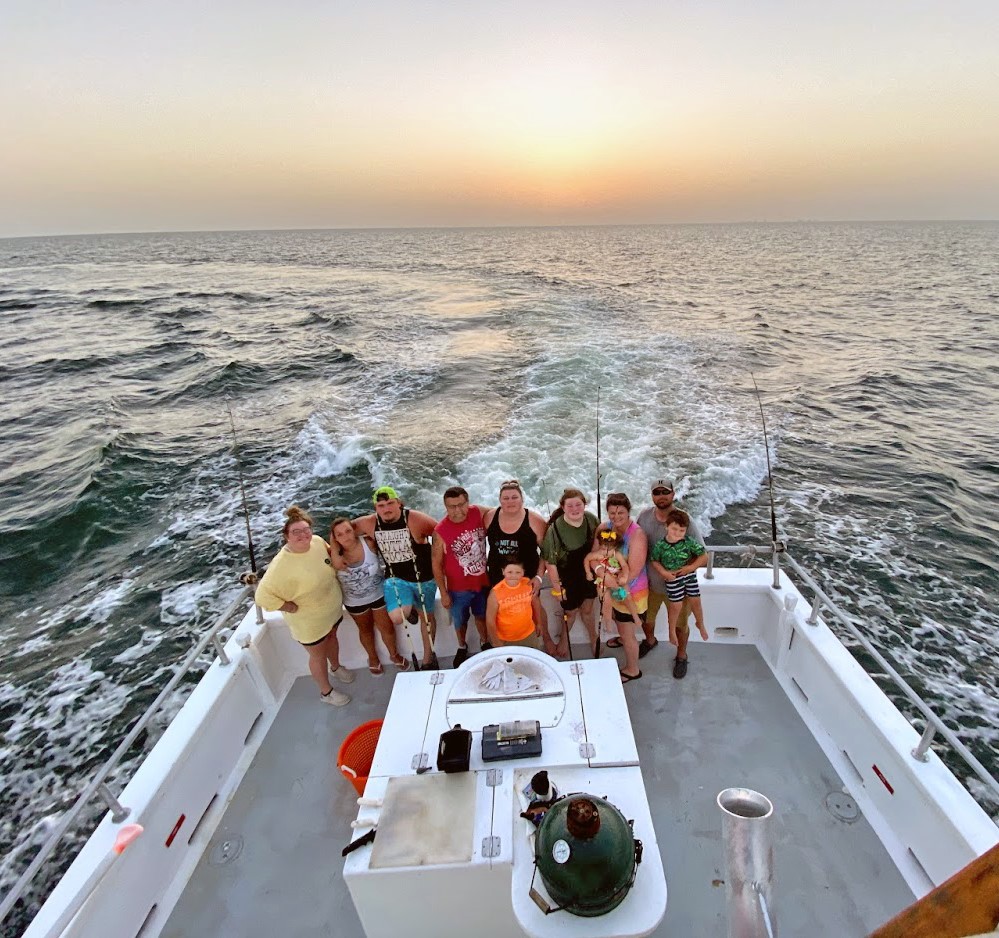
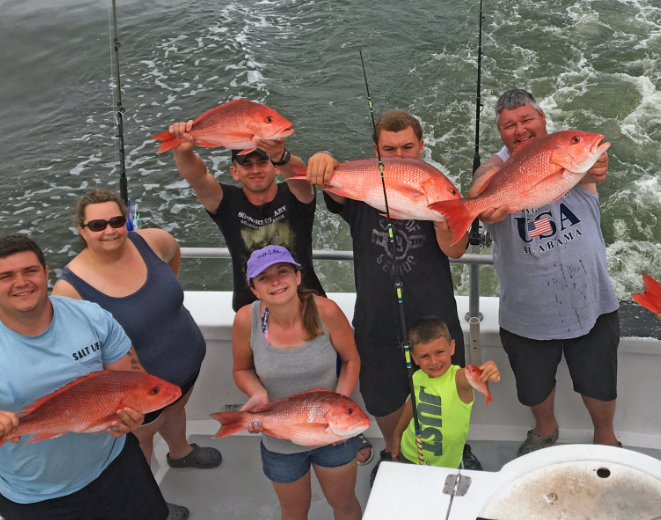
Deep Sea Fishing in Gulf Shores
8 Hour Bottom Fishing / Trolling
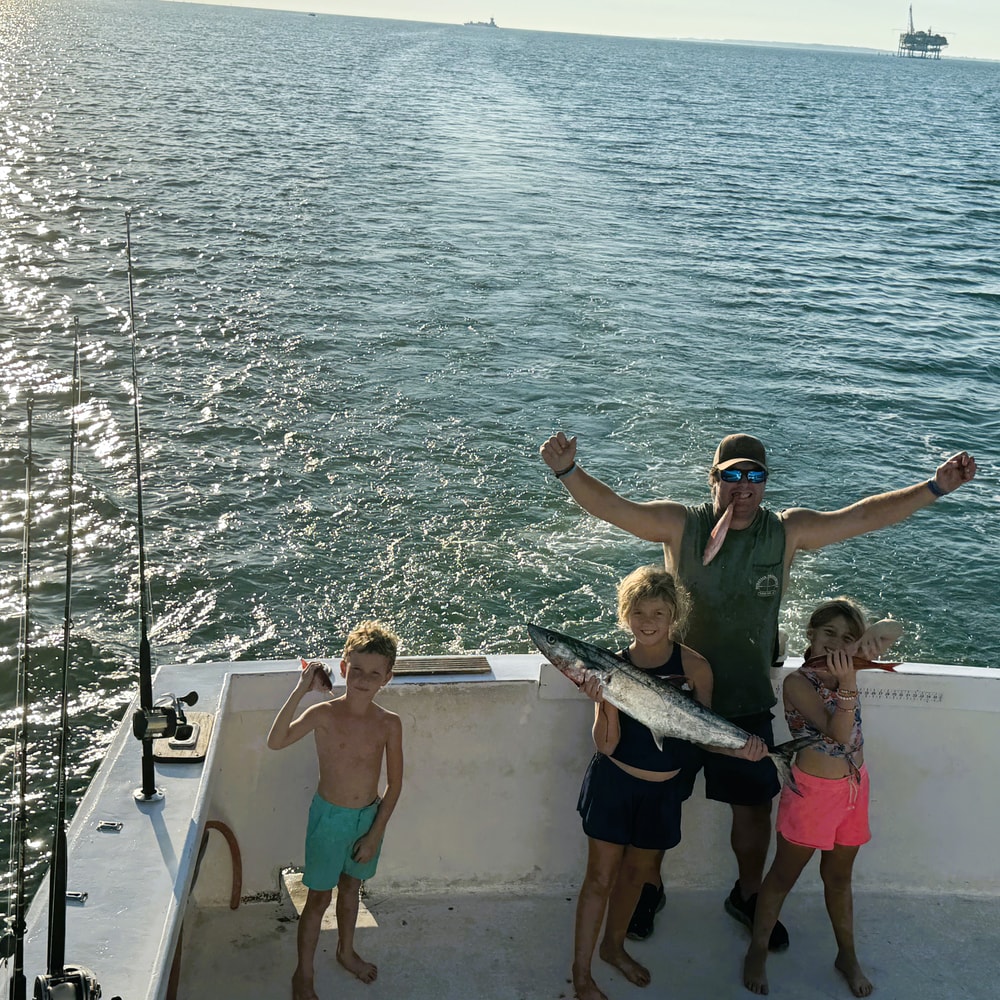
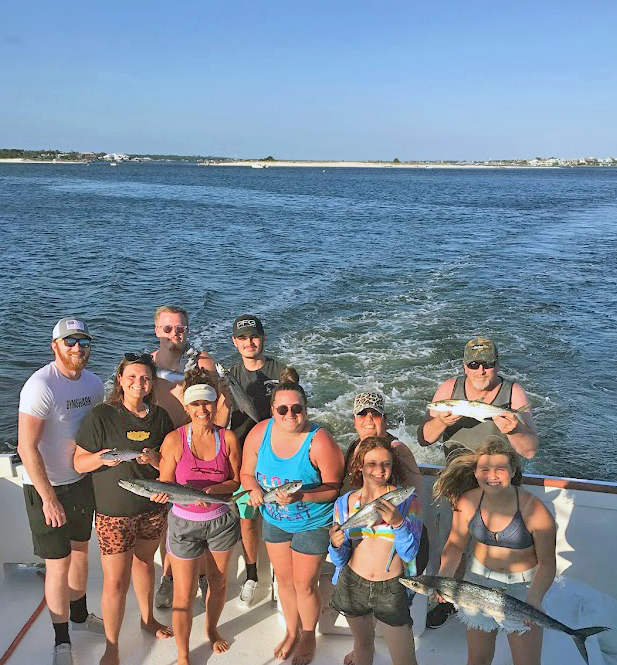
Nearshore Fishing in Gulf Shores
4 Hour Nearshore Trolling Trips
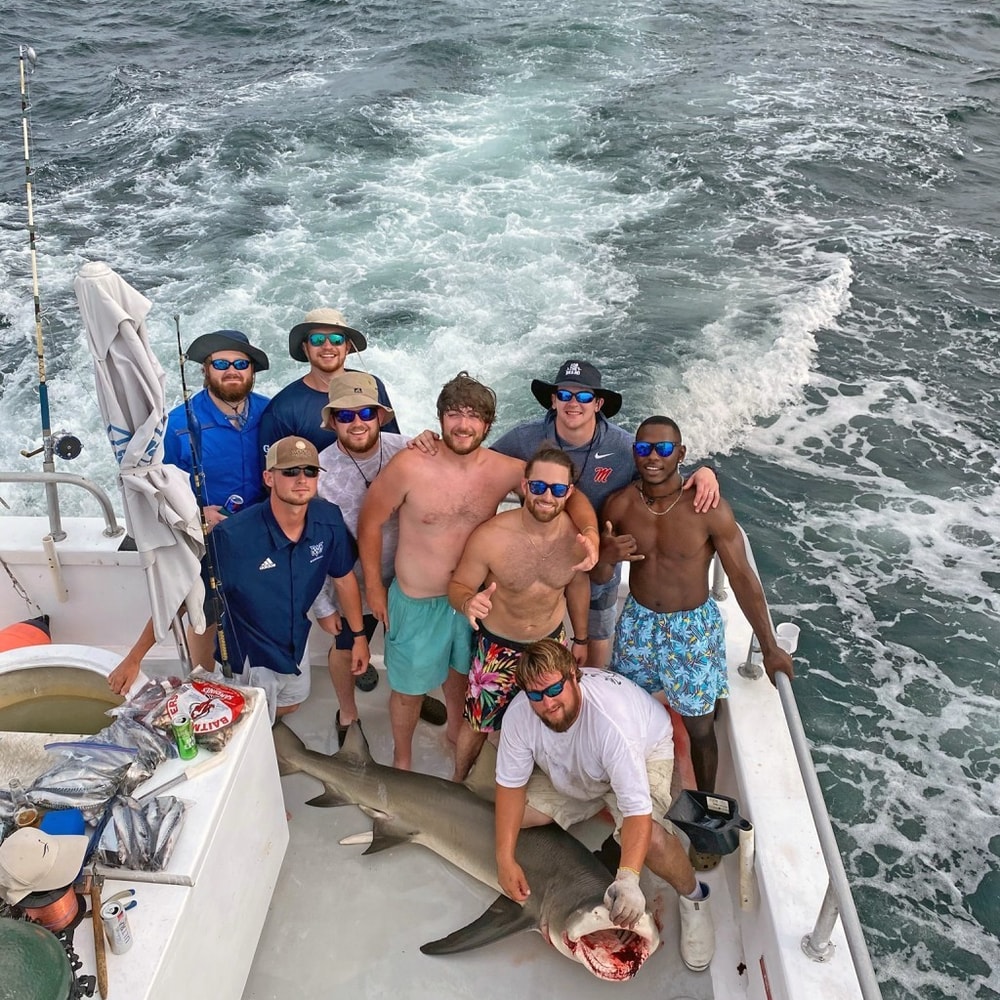
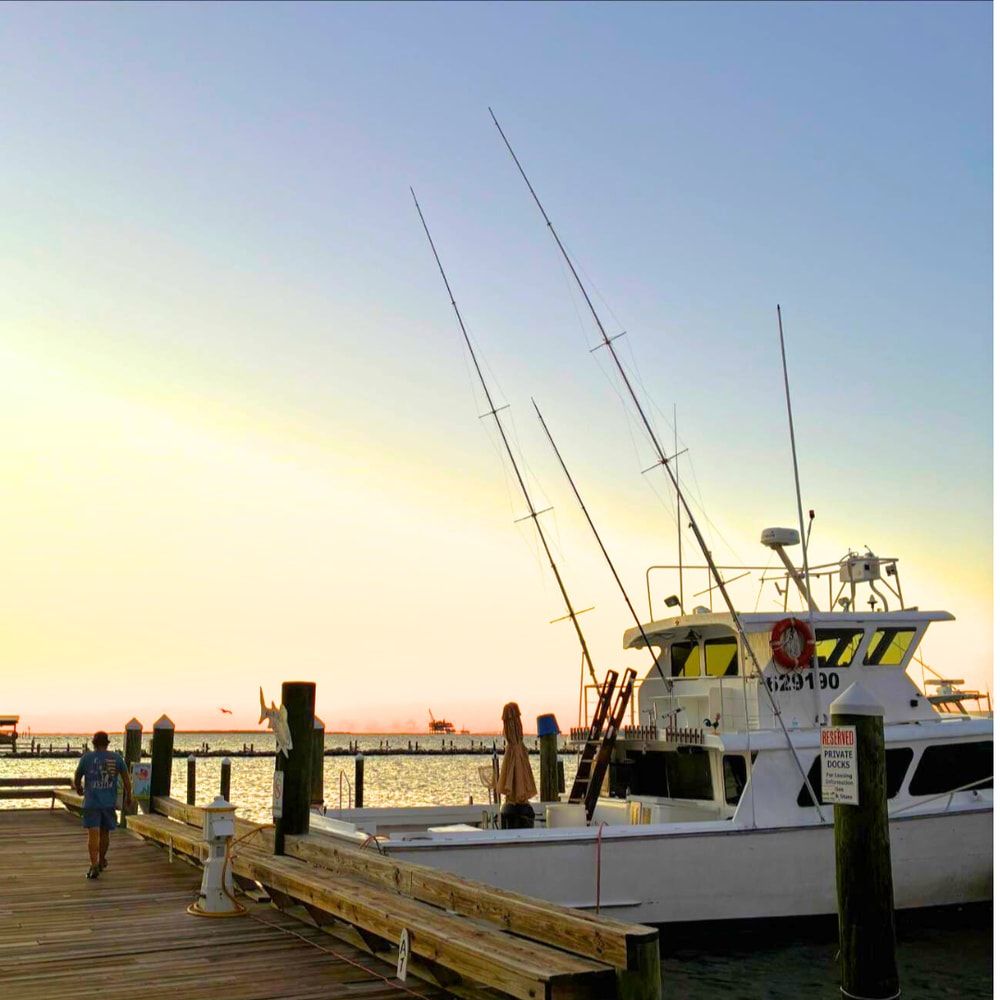
Deep Sea, Nearshore Fishing in Gulf Shores
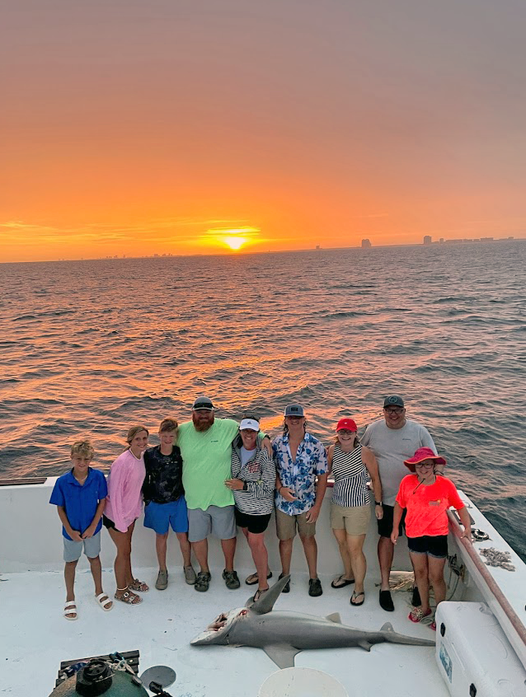
Shark Fishing Gulf Shores
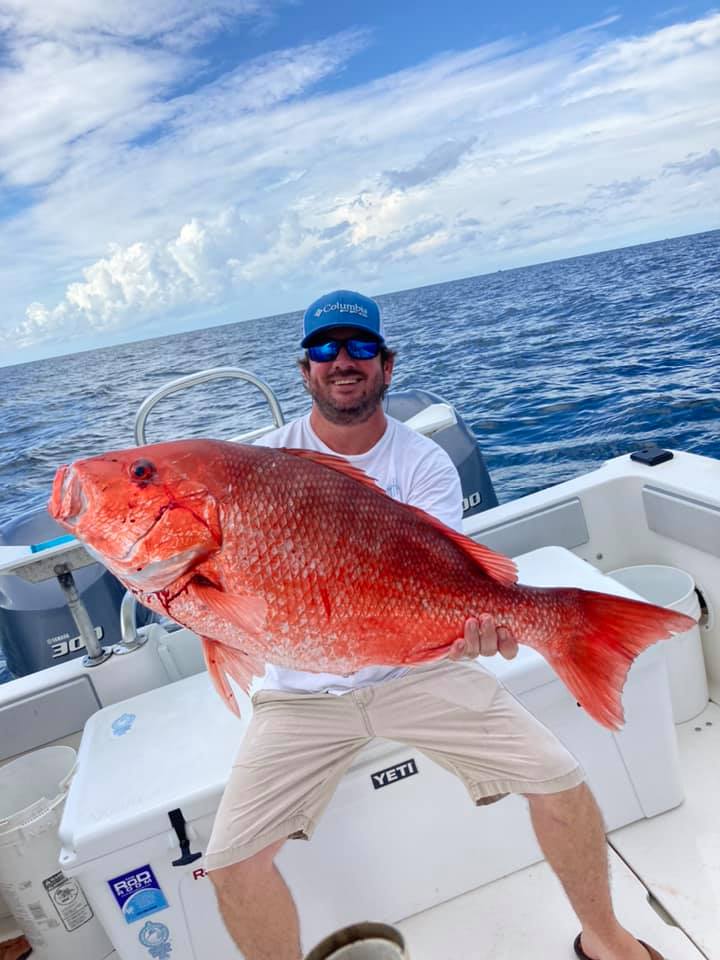
Deep Sea, Nearshore Fishing in Orange Beach
Orange Beach Offshore Reef
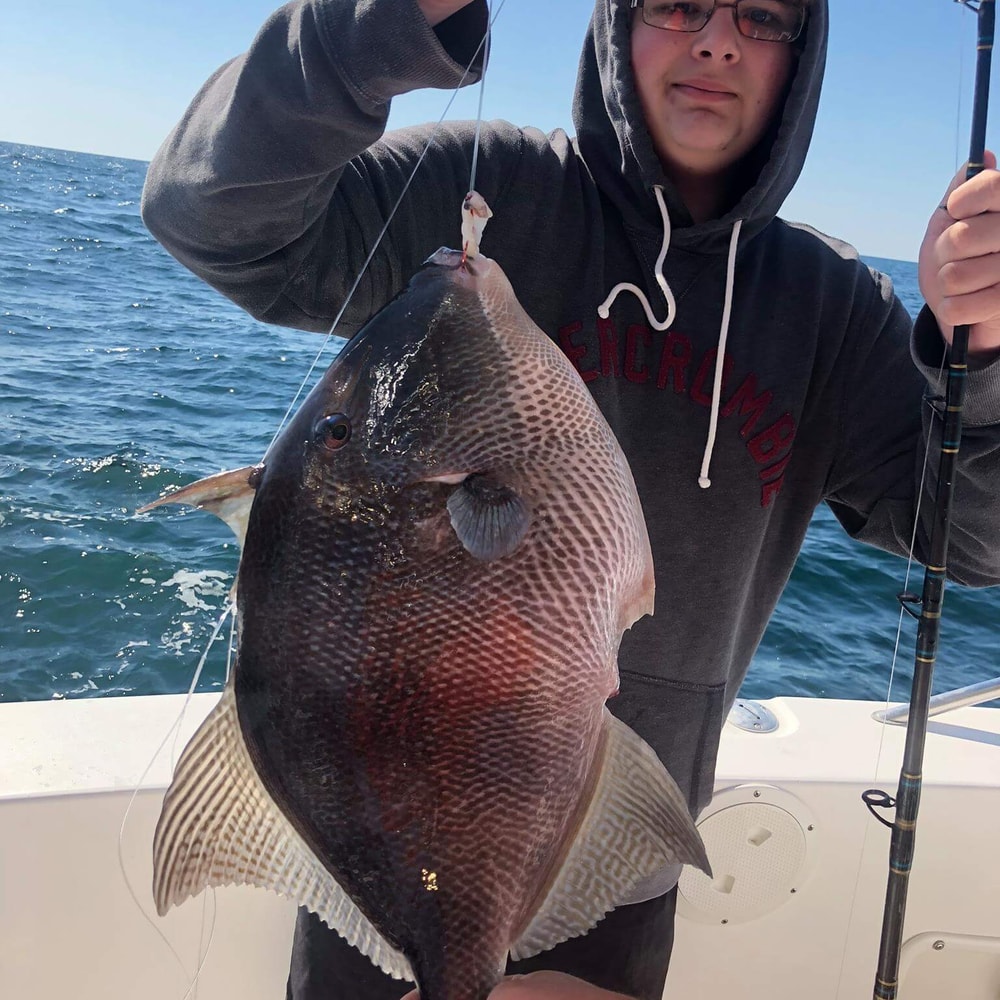
Deep Sea, Nearshore Fishing in Orange Beach
Half Day – Nearshore Trolling
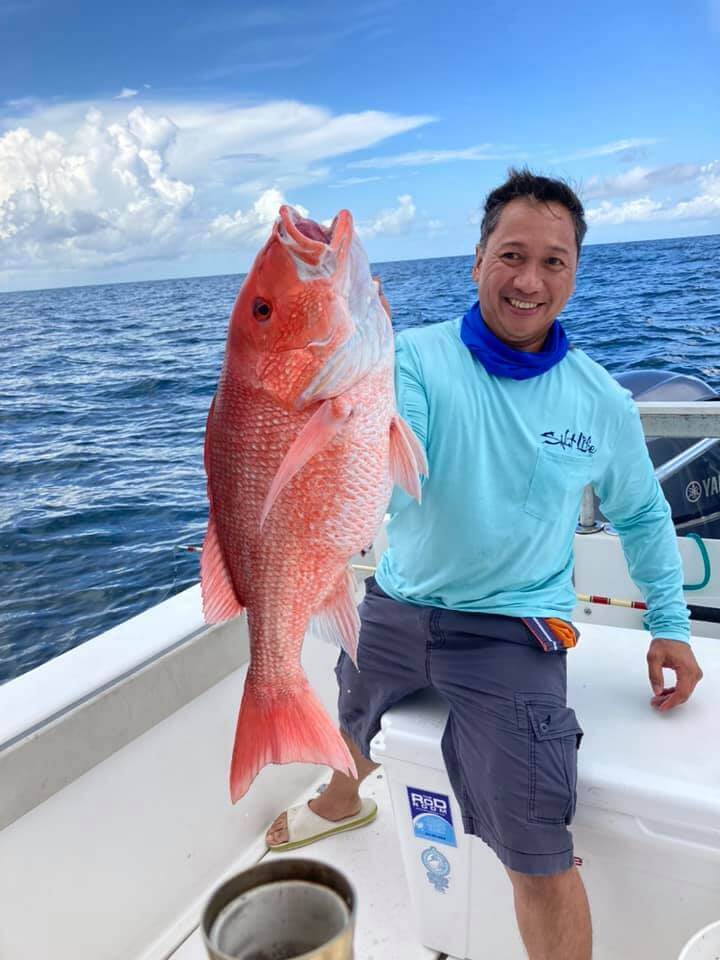
Deep Sea Fishing in Orange Beach
Deep Dropping Extended Full Day
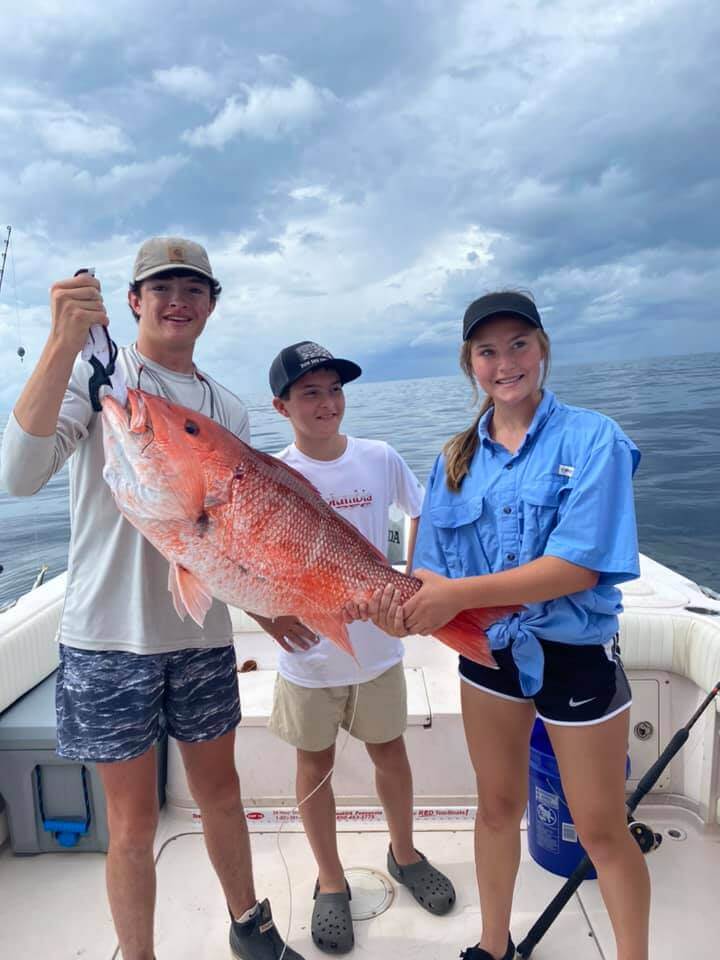
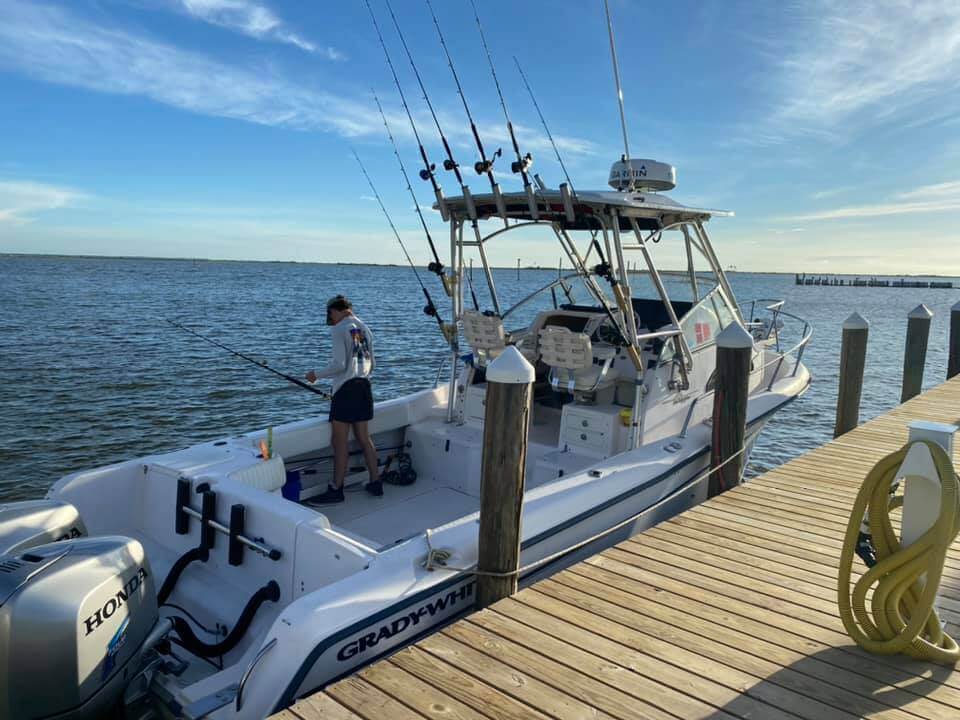
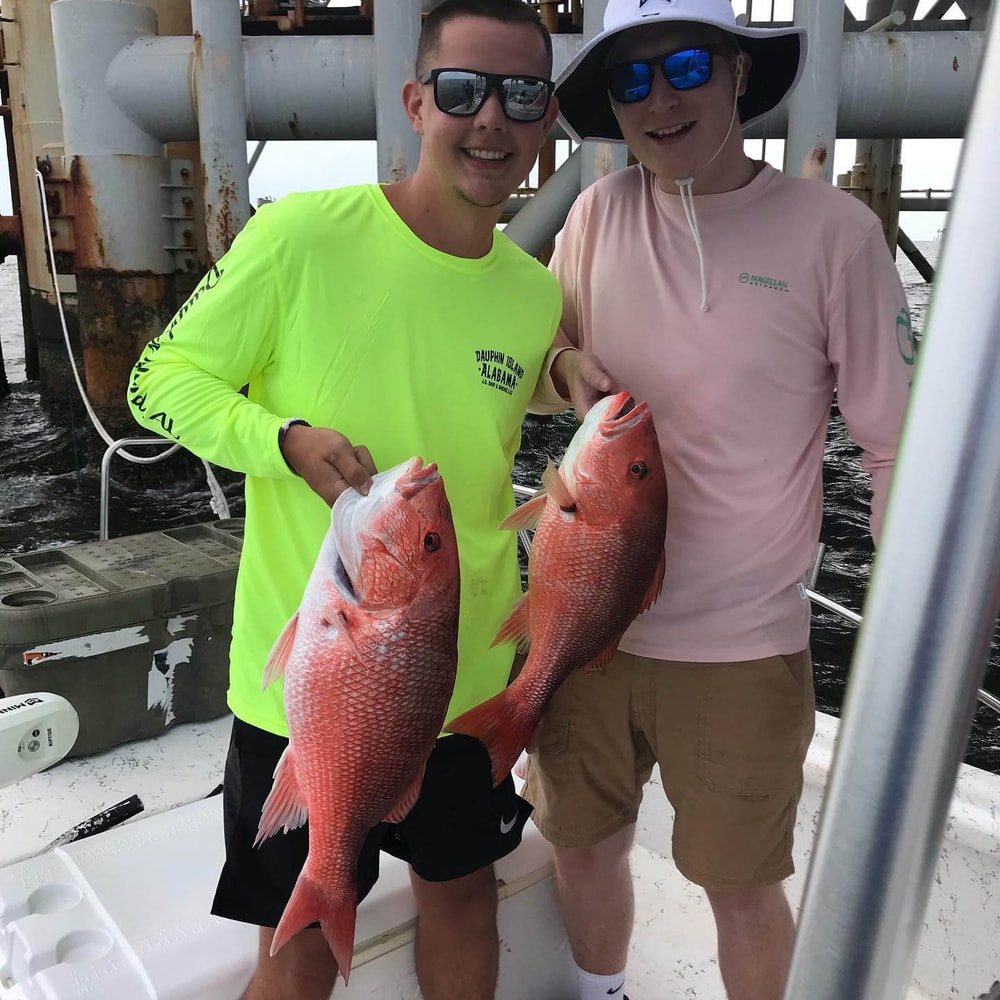
Deep Sea Fishing in Gulf Shores
Full Day Or 3/4 Day Red Snapper
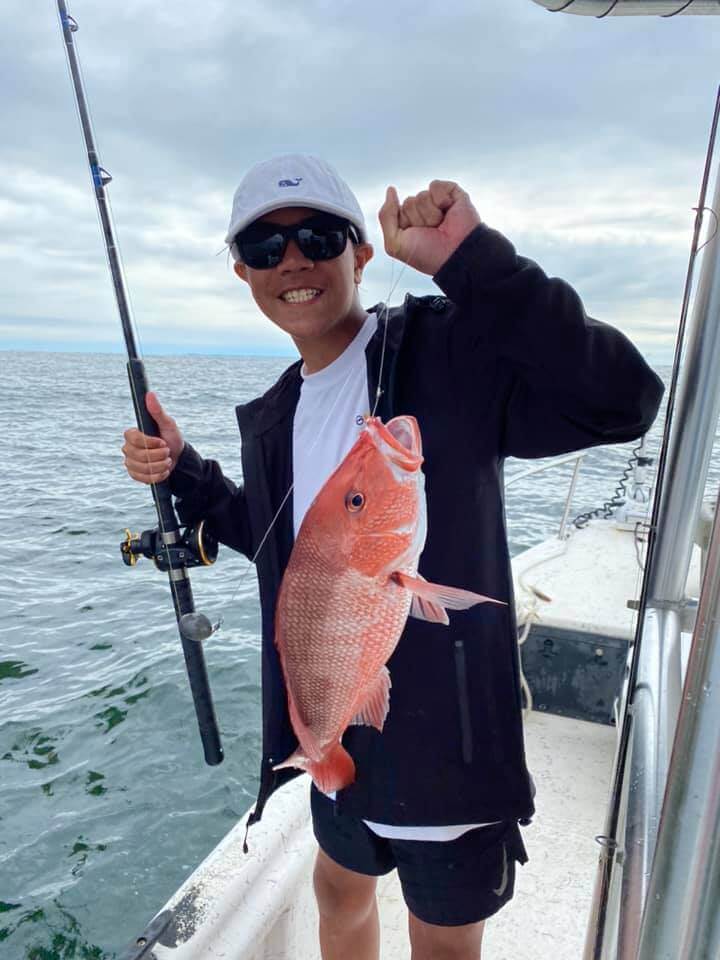
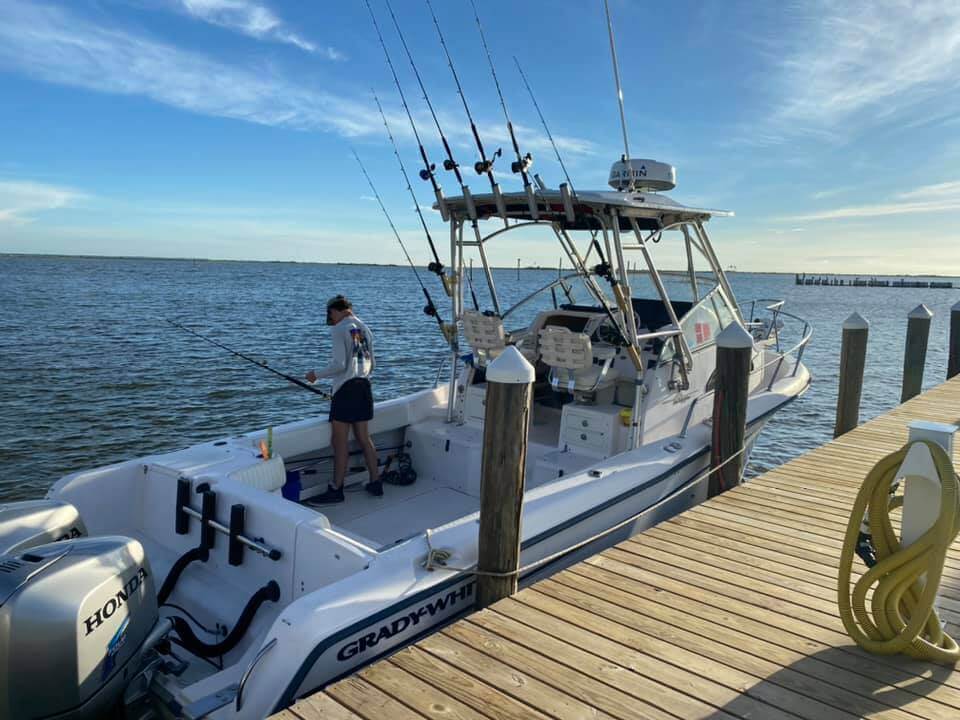
Nearshore Fishing in Gulf Shores
Half-day Red Snapper Trip
Inshore Fishing in Gulf Shores
Epic Inshore Adventure
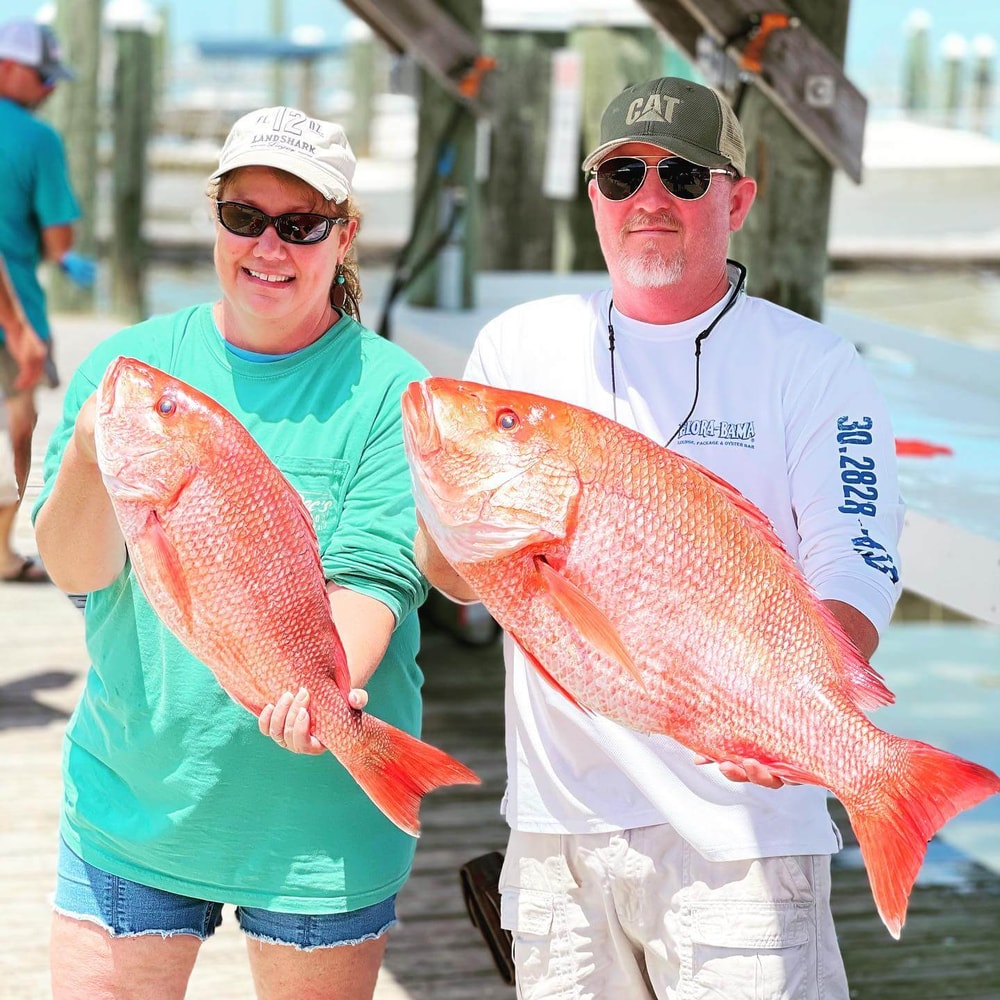
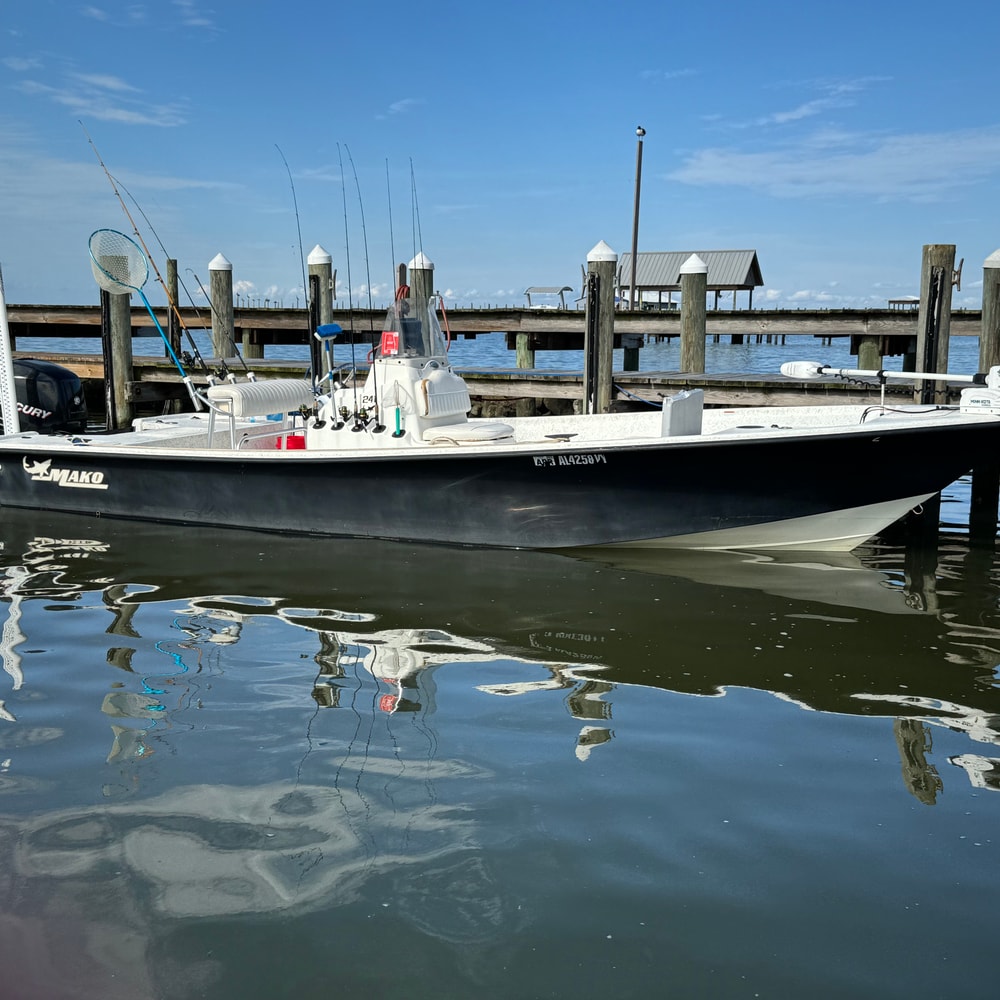
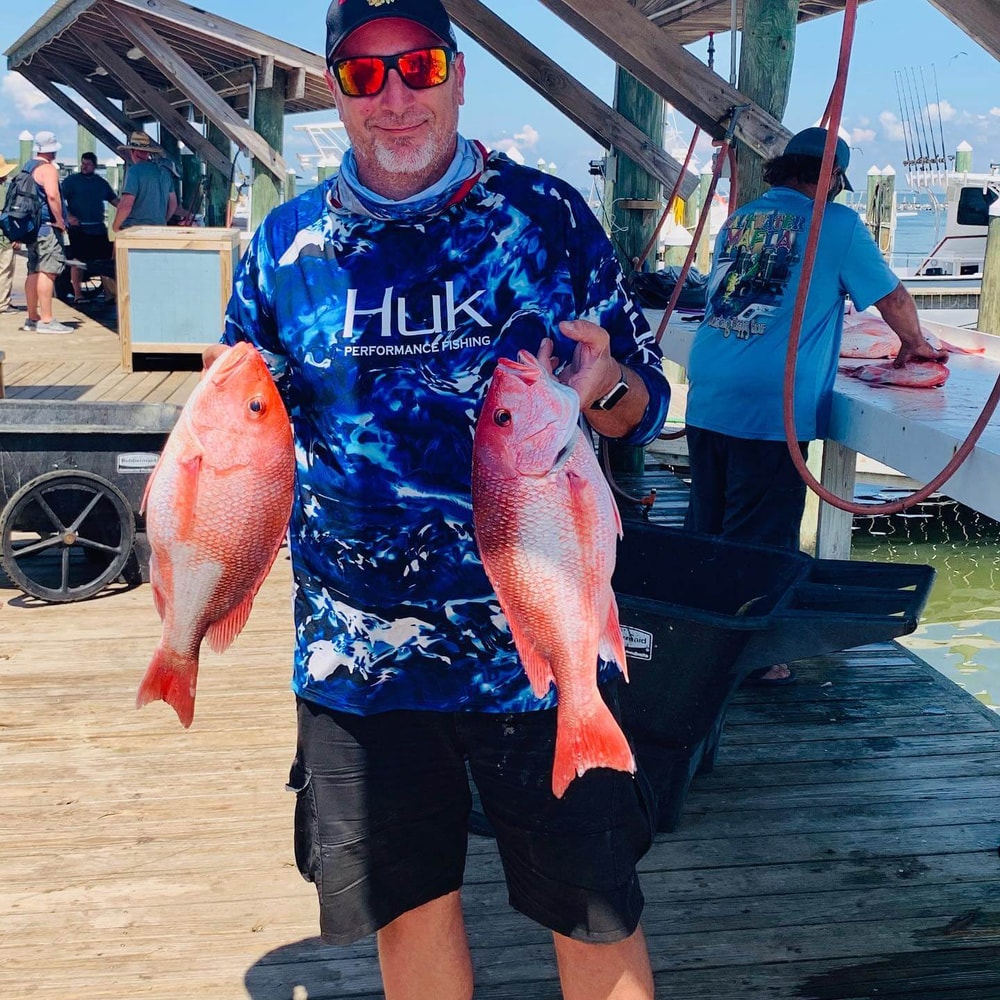
Deep Sea, Nearshore Fishing in Gulf Shores
Red Snapper Whacker
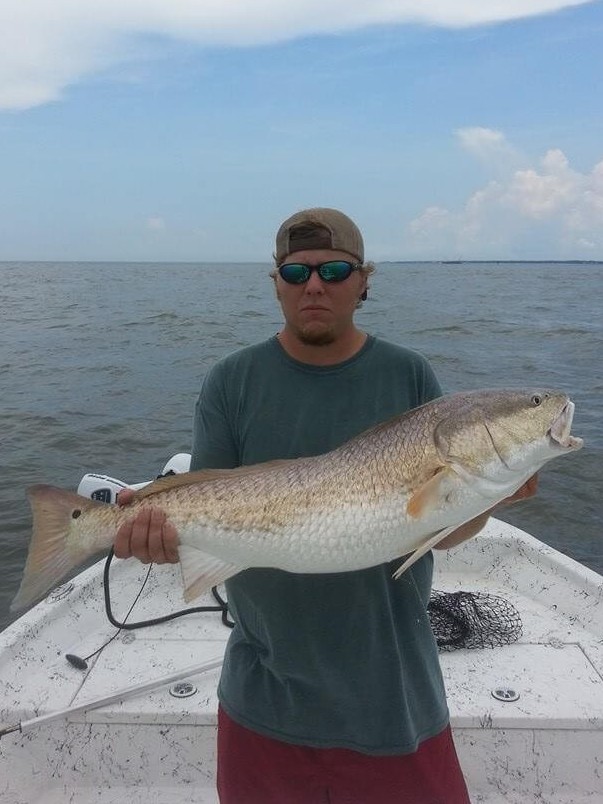
Nearshore Fishing in Gulf Shores
Alabama Reds And More
Didn't Find What You Were Looking For?
Our guides are Damn Good Guides, which means they’re vetted by our team of outdoor experts who know them on a first-name basis. We hand pick each and every one of them, and our network spans all across the US and beyond.
The proof is in the pudding, and we’re incredibly proud of our 4.9 / 5 average review score. Hit the button below to see more trip options:
Everything to Know About Booking an Alabama invasive species hunting trip
What are the best invasive species hunting trips in Alabama?
The best invasive species hunting trips in Alabama are:
- Murco charters- Capt. Reid guided by Reid M.
- Shady Grove Outfitters guided by Dewey G.
Why should I book an invasive species hunting trip in Alabama with Captain Experiences?
Our Damn Good Guides currently offer 2 invasive species trips in Alabama, and the most popular trips in the area are Thermal Hog Hunt Fun guided by Dewey and Delta Inshore Fishing/ Hog Hunt guided by Reid.
All guides on Captain Experiences are vetted by our team. You can access their reviews, click through trip photos, read bios to get to know them, and preview trip details like species, techniques, group sizes, and more.
Looking for kid friendly invasive species guides in Alabama? Check out our beginner and family friendly invasive species guides in Alabama.
What types of invasive species hunting trips are common in Alabama?
The most commonly sought after species for invasive species hunting is hog.
How much do Alabama invasive species hunting trips cost?
Prices for invasive species hunting in Alabama can range anywhere from about $1,610 to $5,508, but the average price for a full day trip for invasive species hunting in Alabama is $3,330.
Is booking a hunting guide worth the money?
Hiring a guide provides a number of benefits and many choose to book a hunting guide for a combination of experience, local knowledge, convenience, and cost-effectiveness.
Working with experienced hunting guides who know the best local spots and techniques can dramatically increase your odds of a great day. Having someone who is outside every day and knows the area like the back of their hand is going to give you the best chances of success.
Booking a guide is also more cost effective, especially if you only get out a handful of times per year. When you consider all of the costs you would incur on your own such as the price of a boat, maintenance, insurance, gas, high-quality gear, repairs, and more, you’ll find that DIY is sometimes not worth the expense.
Even if you’ve got a great setup already in your backyard, booking a guide also provides a great opportunity to experience new techniques, new locations, or even a chance at a new target species to knock off the bucket list.
What month is best for invasive species hunting in Alabama?
The most popular season for invasive species hunting in Alabama is summer, and most hunters book their trips 53 days in advance.
Where can I look through all Captain Experiences trips?
See here to browse all the trips we offer.
What is Invasive Species in Alabama all about?
Alabama’s wilderness is a treasure trove of forests, rivers, and wetlands—a place where nature still feels raw and real. But there’s a quiet battle happening beneath the canopy, where invasive species are rewriting the rules. From the creeping kudzu vines that blanket old fences and forgotten fields to feral hogs rooting through the underbrush like unwelcome guests, these invaders don’t just threaten the scenery—they’re reshaping entire ecosystems. It’s a wild, ongoing struggle that calls for boots on the ground and eyes wide open.
What makes Alabama special is that this fight isn’t just about stopping something—it’s about preserving a way of life. Local conservationists and hunters know these species like old friends, but ones you’d rather not have around. The feral hogs, for example, are smart, fast, and downright destructive, tearing up soil and competing with native wildlife. Meanwhile, invasive plants like cogongrass are outpacing native species, turning biodiverse forests into monoculture wastelands. It’s nature’s version of an uninvited guest party—and if you want to keep Alabama wild, it’s one you’ve got to notice.
But here’s the thing: awareness is the first step. Alabama’s landscape is still full of hope and grit, with plenty of folks rolling up their sleeves to fight back. Whether it’s helping track invasive populations, joining a volunteer clean-up, or simply learning how to spot these species on your next hike, there’s a role for anyone who wants to keep this state’s wild places wild. It’s not just conservation—it’s stewardship, done with respect, sweat, and a little Southern stubbornness.
What are the most popular months to go Invasive Species in Alabama?
In Alabama, invasive species don’t follow a neat calendar, but there are definitely times when they make their presence known louder than others. Spring and early summer are prime growing seasons for troublemakers like kudzu and cogongrass, when these fast-moving plants ramp up growth and start edging out native species in a race that feels almost unfair. It’s when the green takes over fences, fields, and forests in a blanket so thick it’s hard to see the ground beneath—an all-out push to claim more territory before the heat and humidity give the natives a fighting chance.
Then there’s the wild hogs, Alabama’s four-legged invaders who don’t follow growing seasons but are always on the move. They’re most active in the cooler months when food is scarcer, rooting up the earth and making a mess of sensitive habitats. Fall and winter bring more sightings, and for those who know where to look, it’s a chance to track and control populations before spring floods wash the landscape anew. Hog hunting season doubles as a kind of invasive control—an old-school way to give nature a fighting chance.
The takeaway? If you care about Alabama’s wild places, timing matters. Early spring is prime for getting ahead of aggressive plants before they take root, while fall and winter demand attention to the mobile, destructive hogs. It’s a year-round grind, but in a state built on grit, it’s a fight worth showing up for. Knowing when and where these invaders push hardest gives you the upper hand—because keeping Alabama wild isn’t just about admiration, it’s about action.
What techniques are popular for Invasive Species in Alabama?
Alabama’s wild spaces have their share of unwelcome guests, each bringing their own kind of trouble. Take kudzu, the infamous “vine that ate the South”—a fast-growing plant that smothers trees, fences, and anything else standing still long enough. Then there’s cogongrass, a fiery competitor that not only crowds out native plants but also fuels wildfires with alarming efficiency. On the animal side, feral hogs are the state’s top troublemakers: smart, fast-breeding, and destructively rooting up everything from farmland to forests. These invaders don’t just nibble at the edges—they take over, changing the very shape of Alabama’s landscapes.
Battling these species calls for a mix of old-school grit and modern know-how. For kudzu and cogongrass, cutting and herbicides remain the go-to combo—think of it as a relentless, multi-front campaign. Land managers will cut back the growth repeatedly during the growing season, then hit the roots hard with targeted herbicides to keep the invaders from bouncing back. It’s not quick or glamorous, but slow, steady pressure works better than any quick fix. Meanwhile, feral hogs require a different playbook—trapping, aerial gunning, and hunting are all in the mix. It’s a messy, hands-on effort that demands patience and precision.
What ties these techniques together is a respect for the land and the understanding that there’s no silver bullet. Keeping Alabama wild means constant vigilance and adapting strategies to the situation—whether that’s dragging a brush cutter through a kudzu thicket or setting a trap in the dead of night. It’s work for those who don’t mind getting a little dirt under their nails and who know that sometimes the best way to protect wild places is to fight for them one patch at a time.
What species are popular for Invasive Species in Alabama?
When it comes to rolling up your sleeves and helping the land, Alabama actually gives you a chance to take part—by catching, hunting, or removing invasive species that just don’t belong. The biggest target? Feral hogs. They’re not just a menace to farmland and forests—they’re fair game year-round. With no closed season and no bag limit, hog hunting in Alabama is less about sport and more about stewardship. Whether you're stalking through hardwood bottoms with a rifle or working with local trappers to run a corral trap, taking out a few hogs does more than fill a freezer—it protects the native land.
Another target gaining attention? Invasive fish like blue tilapia and Asian swamp eels (yes, really). While not as high-profile as the hogs, these slippery invaders can wreak havoc on freshwater systems, outcompeting native species and disrupting food chains. Bowfishing, netting, and old-fashioned rod-and-reel action are all part of the fight. For anglers looking to put their skills to work, it’s a chance to cast a line and make a difference. Just be sure to check with local wildlife offices—some species have specific removal rules depending on the waterway.
Even smaller critters are on the hit list. Nutria—big, semi-aquatic rodents that chew up marshland—can be hunted with the right permits. These pests tear through wetlands, destroy levees, and breed fast. So whether you're setting traps, grabbing a .22, or teaming up with a local control program, you’re not just ridding the landscape of a nuisance—you’re giving native species a fighting shot. In Alabama, the wild still fights back. And sometimes, the best thing you can do is meet it halfway—with boots, tools, and purpose.