Damn Good Guides
Experts Available 24/7
100% Weather Guarantee
Recently Booked Invasive Species Hunting Guides In The Trans-Pecos
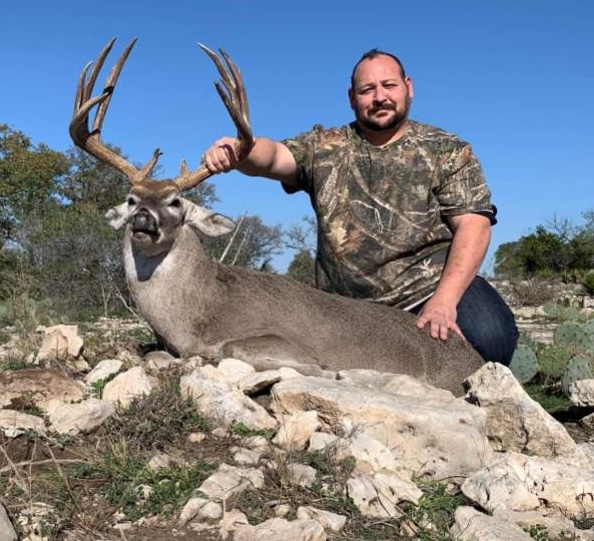

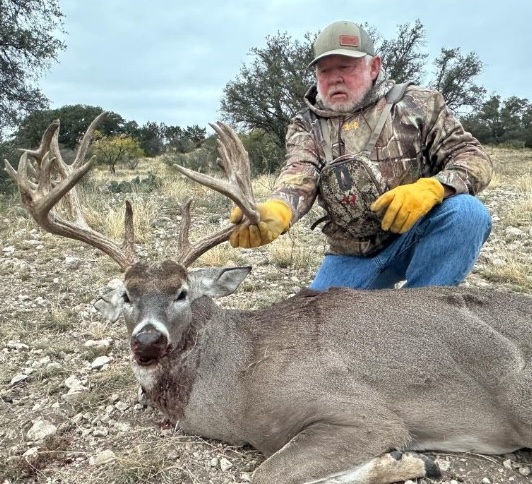
Invasive Species Hunting in Van Horn
West Texas Whitetail

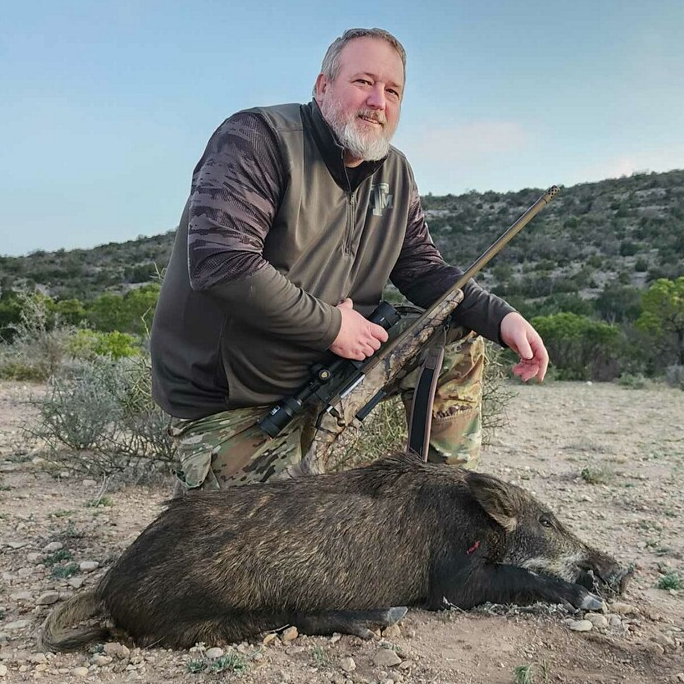
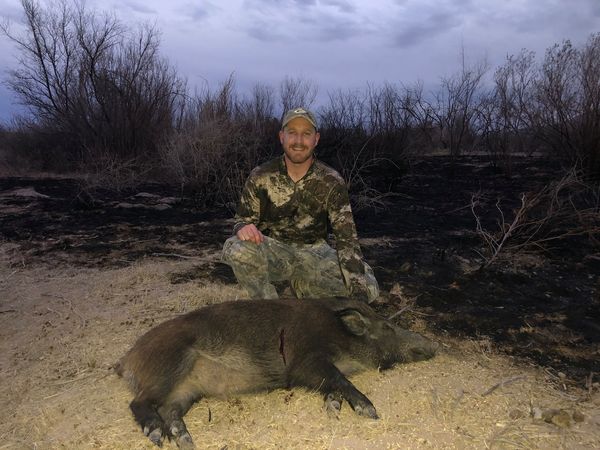
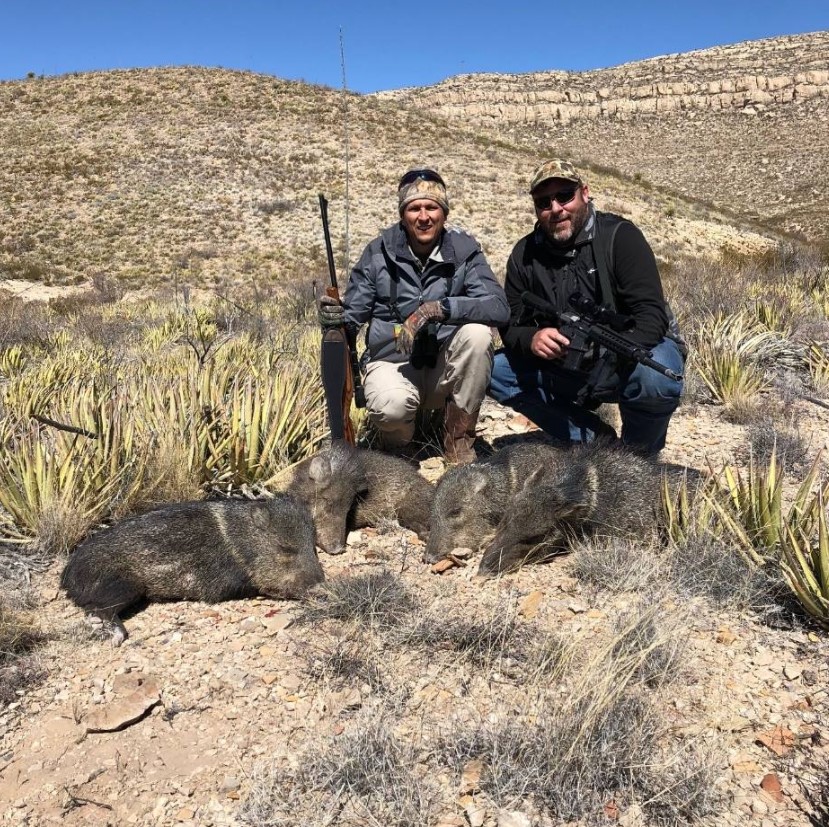
Invasive Species Hunting in Van Horn
Van Horn Texas Hog Hunts
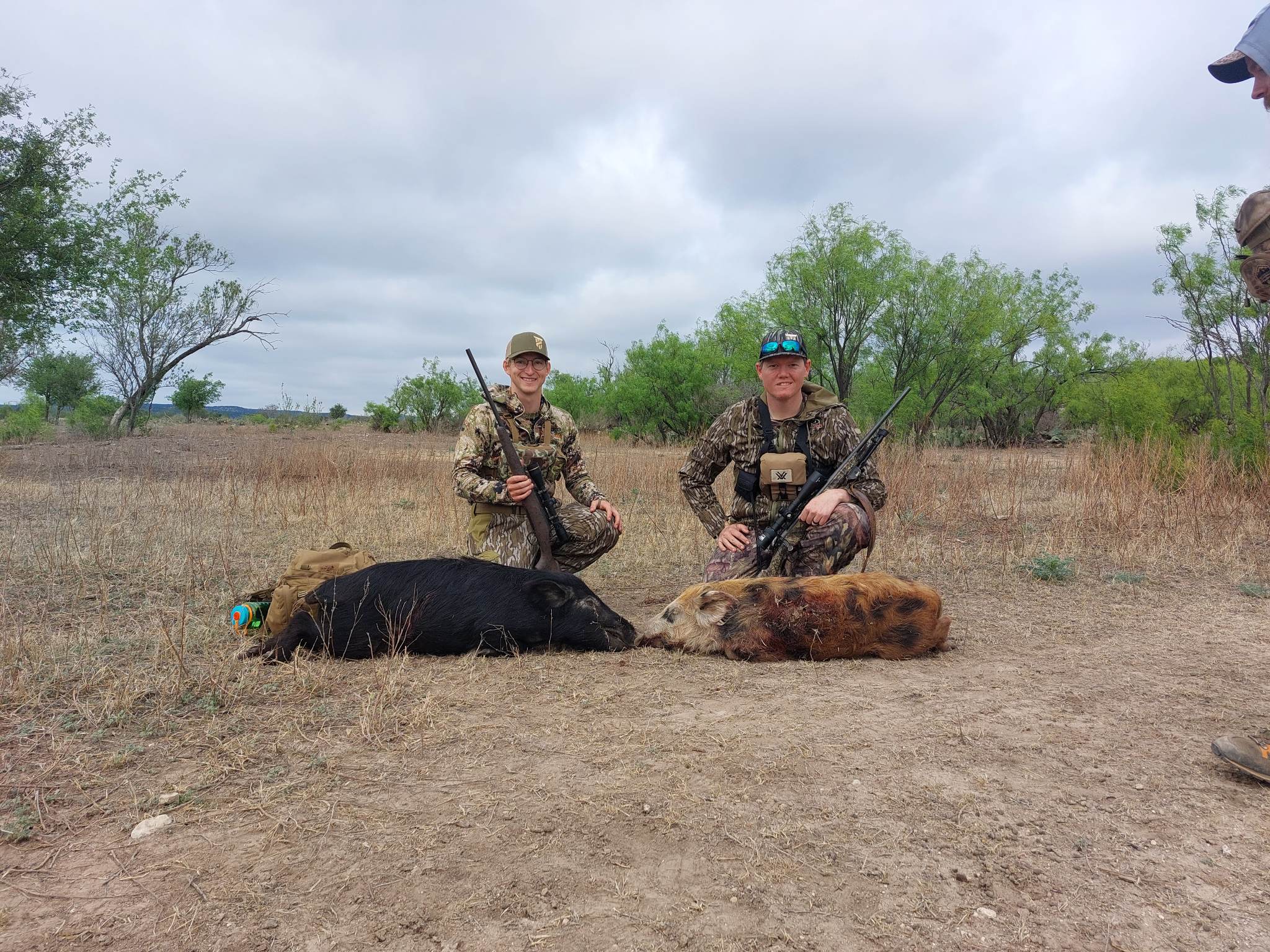

Invasive Species Hunting in Ozona
Ozuna Texas Hog Hunts W/ Lodging
“Our Damn Good Guides go above and beyond, and we’ve handpicked every single one. We’re passionate about the outdoors and look forward to getting you out on the trip of a lifetime, every time.”
Jonathan and Attison | Co-founders | Austin, Texas
Need a Place to Stay?
Everything to Know About Booking a hunting trip in The Trans-Pecos
What are the best invasive species hunting trips in The Trans-Pecos?
The best invasive species hunting trips in The Trans-Pecos are:
What is invasive species hunting in The Trans-Pecos all about?
Invasive species hunting in the Trans-Pecos isn’t your typical backcountry outing—it’s a gritty mission to protect one of Texas’s wildest, most rugged landscapes. Stretching out beneath endless desert skies, the Trans-Pecos is a place where the land fights back, and so do the hunters who know this terrain. Species like feral hogs and exotic predators have carved out a foothold here, disrupting the delicate balance and challenging anyone who calls this desert home. Hunting these invaders is more than sport; it’s a necessary grind, a way to reclaim the landscape piece by piece and keep the wild pulse of the Trans-Pecos alive.
The hunt demands versatility and grit—tracking feral hogs through mesquite thickets, chasing axis deer across rocky washes, or glassing from high ridges for exotic exotics like the aoudad sheep. The sun beats down hard, the air is dry, and every step kicks up dust. But the rewards go beyond the thrill of the chase. It’s about standing guard against the creeping takeover, keeping native species and ecosystems intact. You learn fast that this isn’t a trophy hunt; it’s a battle for balance, fought under some of the harshest skies in Texas.
As the sun sets behind the rugged mountains, the real satisfaction sets in. Invasive species hunting in the Trans-Pecos is a test of skill and resolve, yes—but it’s also a chance to be a part of something bigger. It’s about respect for a landscape that doesn’t give up easy, and for the wildlife that still calls it home. Every feral hog brought down, every exotic animal removed, is a small victory in the ongoing effort to preserve the wild heart of the desert. And that, more than anything, is worth the sweat, dust, and long days in the sun.
What are the most popular months to go invasive species hunting in The Trans-Pecos?
Invasive species hunting seasons in the Trans-Pecos are carved by the rhythms of the desert and the grit of those who patrol its wild expanse. The feral hog season kicks off in the cooler months, usually late fall through winter, when these tough, opportunistic animals roam more freely, rooting through the sparse brush and making their mark on the fragile desert floor. It’s a time when the air is crisp, the mornings quiet, and the hunt becomes a rugged dance against a cunning adversary. The window’s tight, but that’s what keeps the challenge sharp—every outing counts in this ongoing battle for balance.
Spring and early summer bring shifts in both the landscape and the target species. As temperatures climb, the hogs and exotic exotics like aoudads and axis deer adjust their patterns, moving into thicker cover or higher elevations. This seasonal shift means hunters need to be ready to adapt—switching tactics, adjusting gear, and keeping a sharp eye on water sources and game trails that stay active under the harsh sun. The Trans-Pecos is a place that rewards patience and persistence, especially when the heat bears down and the chase grows slower but no less intense.
When the seasons turn again, and the cooler air returns, so does the opportunity for a final push. Late fall hunts demand a blend of experience and instinct, as the desert prepares for its brief rest and the invaders push harder to survive. Invasive species hunting in the Trans-Pecos isn’t just about filling tags—it’s a commitment to preserving a wild, rugged corner of Texas where every animal counts, native or not. It’s a fight paced by the land itself, rewarding those who respect its harsh beauty and keep coming back, season after season.
What techniques are popular for invasive species hunting in The Trans-Pecos?
In the rugged expanse of the Trans-Pecos, invasive species hunting has become a vital and rewarding challenge for those looking to engage with the wild while helping restore balance to this unique desert ecosystem. The arid terrain—marked by jagged mountains, wide-open desert flats, and hidden canyons—provides a tough but exciting playground for hunting invasive species like feral hogs and exotic game. These animals thrive where they shouldn’t, pushing out native wildlife and damaging the fragile environment, which makes every hunt feel like part of a larger mission.
Techniques here lean heavily on a mix of old-school scouting and modern adaptability. Feral hogs, known for their cunning and nocturnal habits, are often hunted with night vision or thermal scopes, paired with quiet stalking or calling to mimic pig noises. Spot-and-stalk tactics are a must in this open country, using the rocky ridges for cover and watching water sources at dawn and dusk. Meanwhile, exotic game like axis deer and nilgai require patience and precision—spotting these wary animals through binoculars, then glassing long distances before making a calculated approach. Invasive species hunting in the Trans-Pecos is about reading the land and adapting your strategy with each shift in terrain and weather.
Gear plays a crucial role, too—think durable boots built for rough terrain, a reliable rifle with plenty of ammo, and optics that can handle the desert’s harsh light and long sightlines. Because the Trans-Pecos is so vast and varied, mobility is key; whether you’re navigating rocky outcrops or winding through dry washes, every step counts. Ultimately, hunting invasive species here is about more than the thrill—it’s a chance to protect and preserve the wild character of this corner of Texas, turning the pursuit into a meaningful part of the landscape’s story.
What species are popular for invasive species hunting in The Trans-Pecos?
When hunting invasive species in the sprawling wilds of the Trans-Pecos, your quarry list reads like a rogue’s gallery of ecological disruptors—each one a tough, crafty opponent that’s taken root where it shouldn’t. At the top of the list are feral hogs, the notorious boars that’ve dug into the desert like unwelcome invaders. These pigs are a force of nature, smart, relentless, and fiercely destructive, tearing up native vegetation and threatening the delicate balance of the region’s flora and fauna. Taking one down here isn’t just sport—it’s a service to the land itself.
Beyond hogs, exotic game like axis deer and nilgai have found a foothold in the Trans-Pecos, introduced for hunting but now spreading unchecked. Axis deer, with their striking spotted coats, are a prize for the adventurous hunter—they blend in with native species but multiply quickly, putting pressure on local plant life. Nilgai, those giant, antelope-like beasts from India, roam the brush and canyons with surprising stealth and speed. Both species offer a unique challenge for hunters willing to trek deep into this rugged landscape, where every stalk feels like a page out of a wild-west saga.
These invasive animals don’t just disrupt the ecosystem—they shape the hunt itself, demanding a blend of patience, skill, and respect for the harsh desert terrain. Hunting them in the Trans-Pecos is about more than filling a tag; it’s about reconnecting with the raw, untamed spirit of this corner of Texas and playing a part in the ongoing story of its wild places. When you track one of these invaders, you’re not just chasing game—you’re standing guard over a land that’s fighting to reclaim its natural rhythm.
Featured Cities
- Fishing Charters Near Me
- Austin Fishing Guides
- Biloxi Fishing Charters
- Bradenton Fishing Charters
- Cabo San Lucas Fishing Charters
- Cancun Fishing Charters
- Cape Coral Fishing Charters
- Charleston Fishing Charters
- Clearwater Fishing Charters
- Corpus Christi Fishing Charters
- Crystal River Fishing Charters
- Dauphin Island Fishing Charters
- Daytona Beach Fishing Charters
- Destin Fishing Charters
- Fort Lauderdale Fishing Charters
- Fort Myers Fishing Charters
- Fort Walton Beach Fishing Charters
- Galveston Fishing Charters
- Gulf Shores Fishing Charters
- Hatteras Fishing Charters
- Hilton Head Fishing Charters
- Islamorada Fishing Charters
- Jacksonville Fishing Charters
- Jupiter Fishing Charters
- Key Largo Fishing Charters
- Key West Fishing Charters
- Kona Fishing Charters
- Lakeside Marblehead Fishing Charters
- Marathon Fishing Charters
- Marco Island Fishing Charters
- Miami Fishing Charters
- Montauk Fishing Charters
- Morehead City Fishing Charters
- Naples Fishing Charters
- New Orleans Fishing Charters
- New Smyrna Beach Fishing Charters
- Ocean City Fishing Charters
- Orange Beach Fishing Charters
- Panama City Beach Fishing Charters
- Pensacola Fishing Charters
- Pompano Beach Fishing Charters
- Port Aransas Fishing Charters
- Port Orange Fishing Charters
- Rockport Fishing Charters
- San Diego Fishing Charters
- San Juan Fishing Charters
- Sarasota Fishing Charters
- South Padre Island Fishing Charters
- St. Augustine Fishing Charters
- St. Petersburg Fishing Charters
- Tampa Fishing Charters
- Tarpon Springs Fishing Charters
- Venice Fishing Charters
- Virginia Beach Fishing Charters
- West Palm Beach Fishing Charters
- Wilmington Fishing Charters
- Wrightsville Beach Fishing Charters
Didn't Find What You Were Looking For?
Our guides are Damn Good Guides, which means they’re vetted by our team of outdoor experts who know them on a first-name basis. We hand pick each and every one of them, and our network spans all across the US and beyond.
The proof is in the pudding, and we’re incredibly proud of our 4.9 / 5 average review score. Hit the button below to see more trip options: