Recently Booked Invasive Species Hunting Guides In Destin Harbor

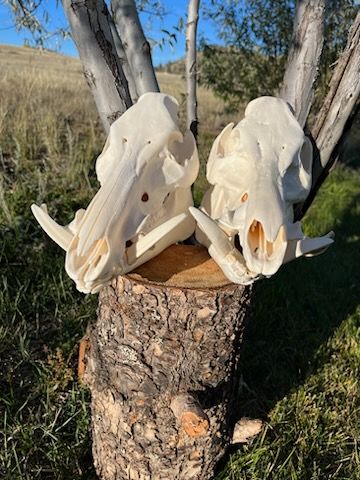
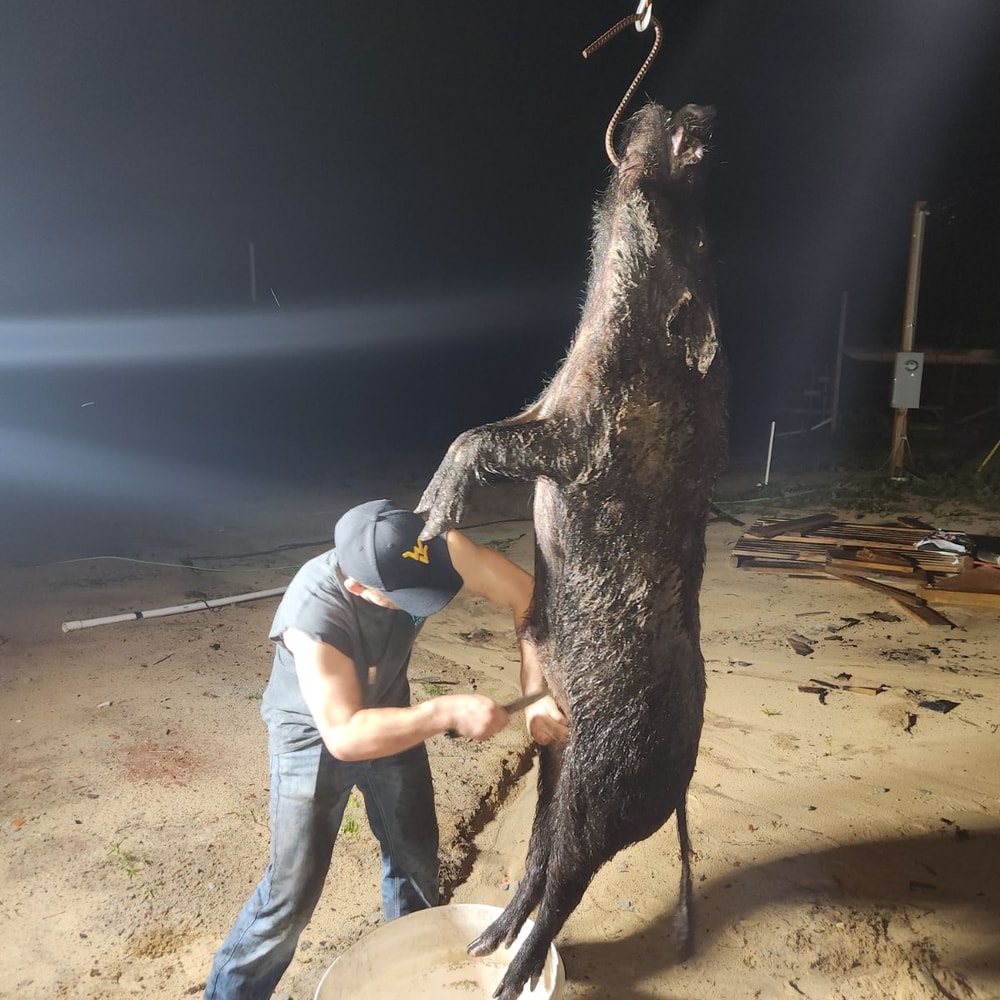
Invasive Species, Big Game Hunting in Destin
Private Ranch Wild Hog Hunts
What makes Captain Experiences Damn Good?
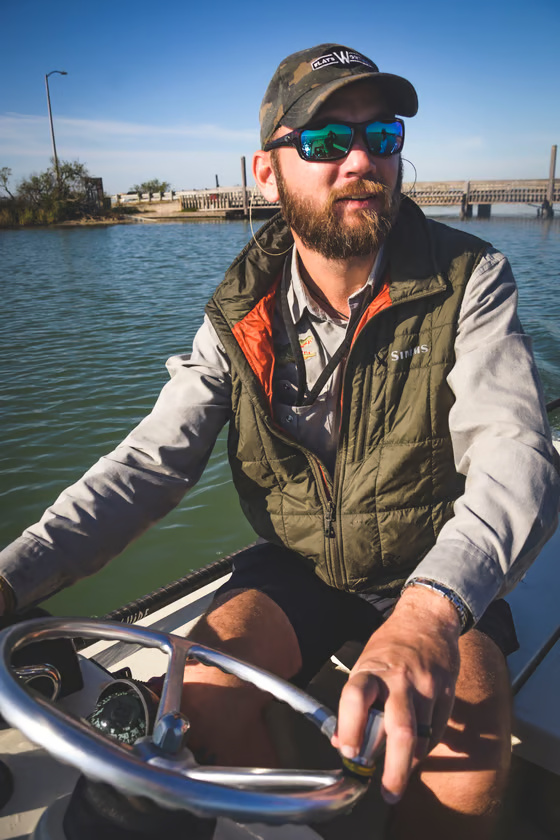
Damn Good Guides
You will only find quality, vetted guides on Captain Experiences, and we know them all on a first-name basis.
Experts Available 24/7
Our US-based team is available 24/7 to help you with any questions or concerns.
100% Weather Guarantee
We want to keep everyone safe, so if the weather is bad we'll work with you to reschedule at no cost.
4.9 / 5 Average Rating
We hand pick our Damn Good Guides, and our network spans across North America and beyond.
“Our Damn Good Guides go above and beyond, and we've handpicked every single one. We're passionate about the outdoors and look forward to getting you out on the trip of a lifetime, every time.”
Jonathan and Attison | Co-founders | Austin, Texas
Other Captain Experiences Trips in Destin Harbor
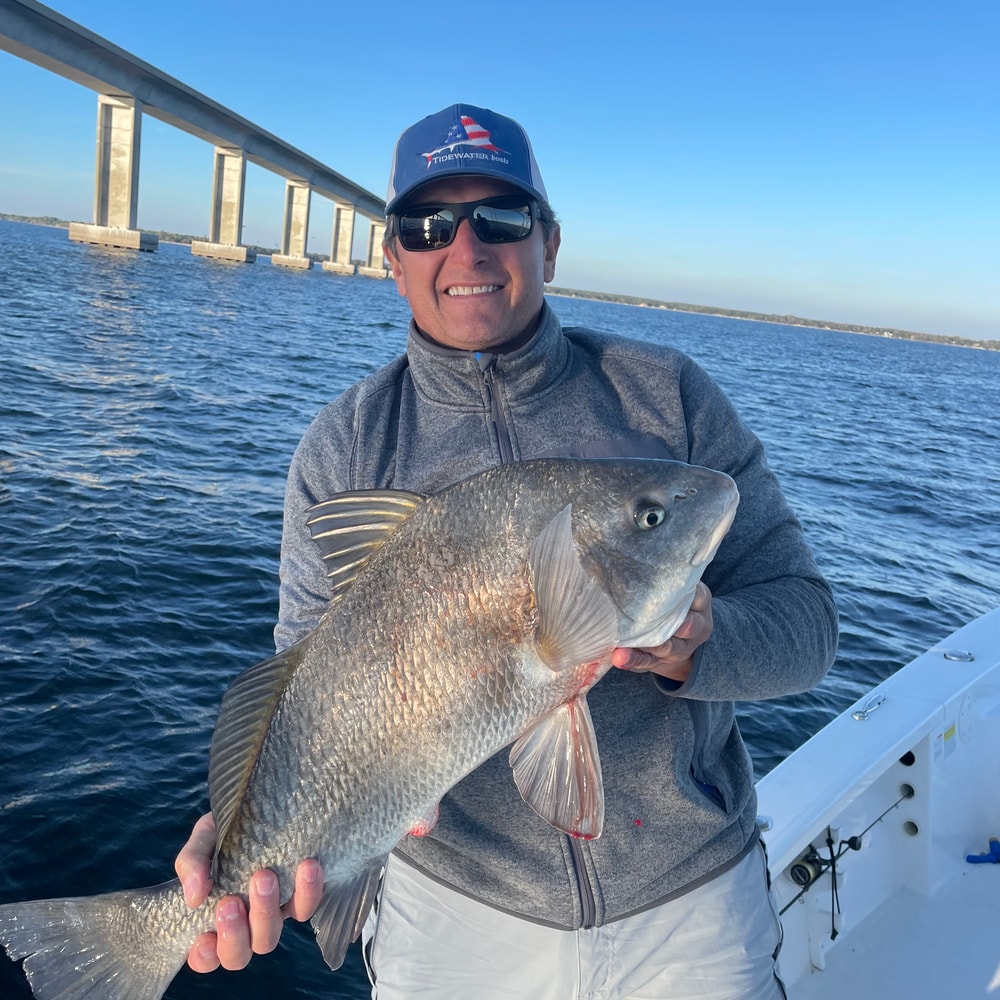
Inshore, Nearshore, Jetty in Destin
Destin Bay Redfish Slam
Deep Sea Fishing in Fort Walton Beach
Near Shore Fishing Fort Walton
Deep Sea, Nearshore Fishing in Destin
5-8 Hour Gulf Action Fishing!!
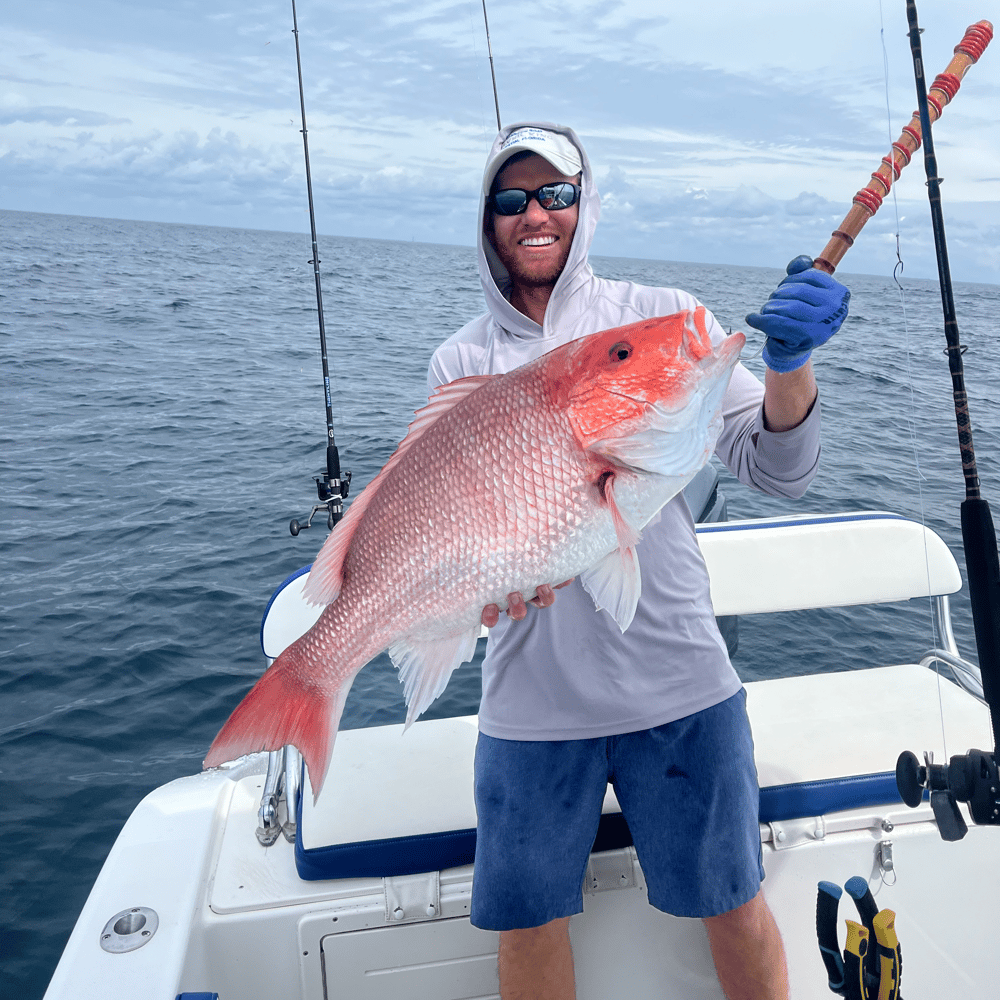
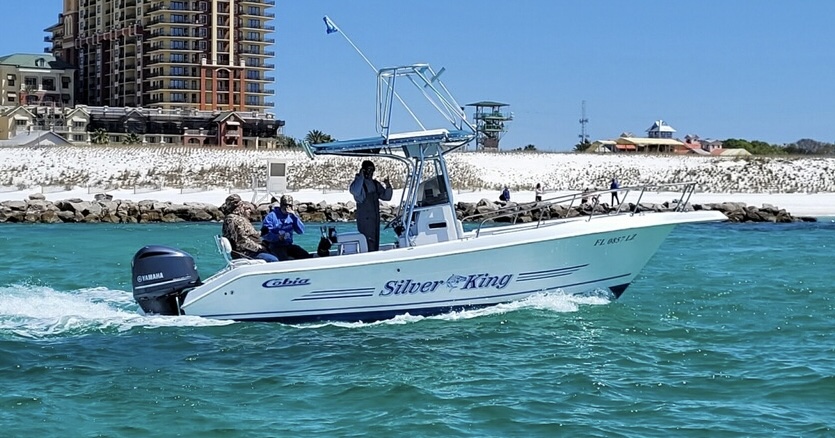
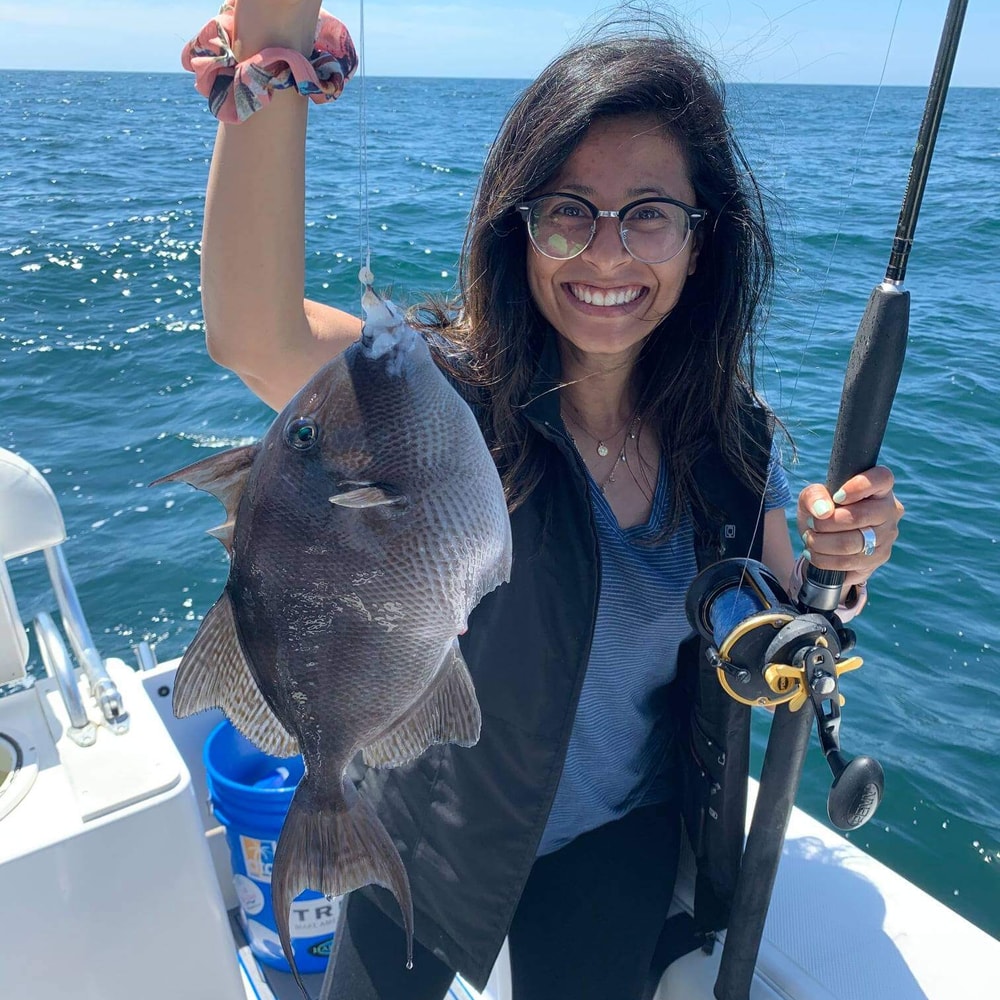
Destin Bottom Fishing And Trolling!
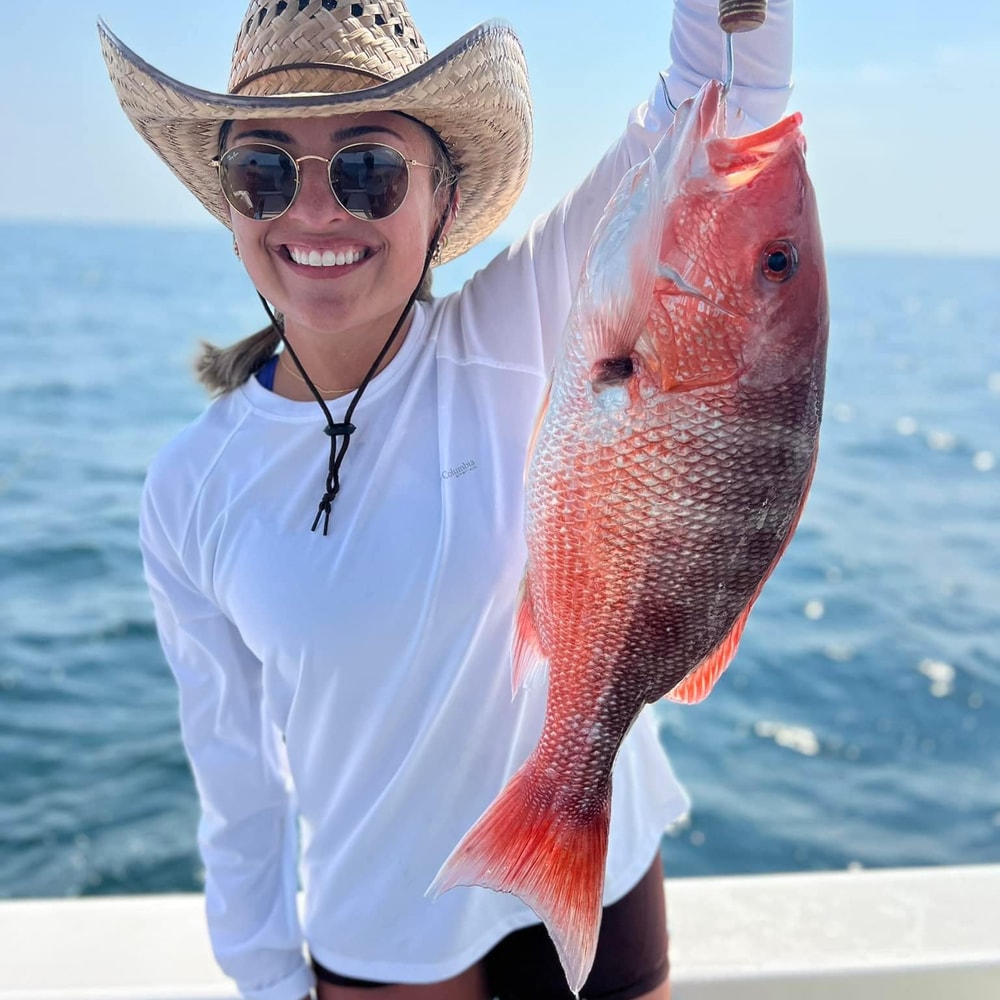
Deep Sea, Nearshore Fishing in Destin
Red Snapper And Grouper Fishing!!!
The Destin Special
Deep Sea, Nearshore Fishing in Destin
Destin Red Snapper Slam - PM
Family Fun Half Day Adventure
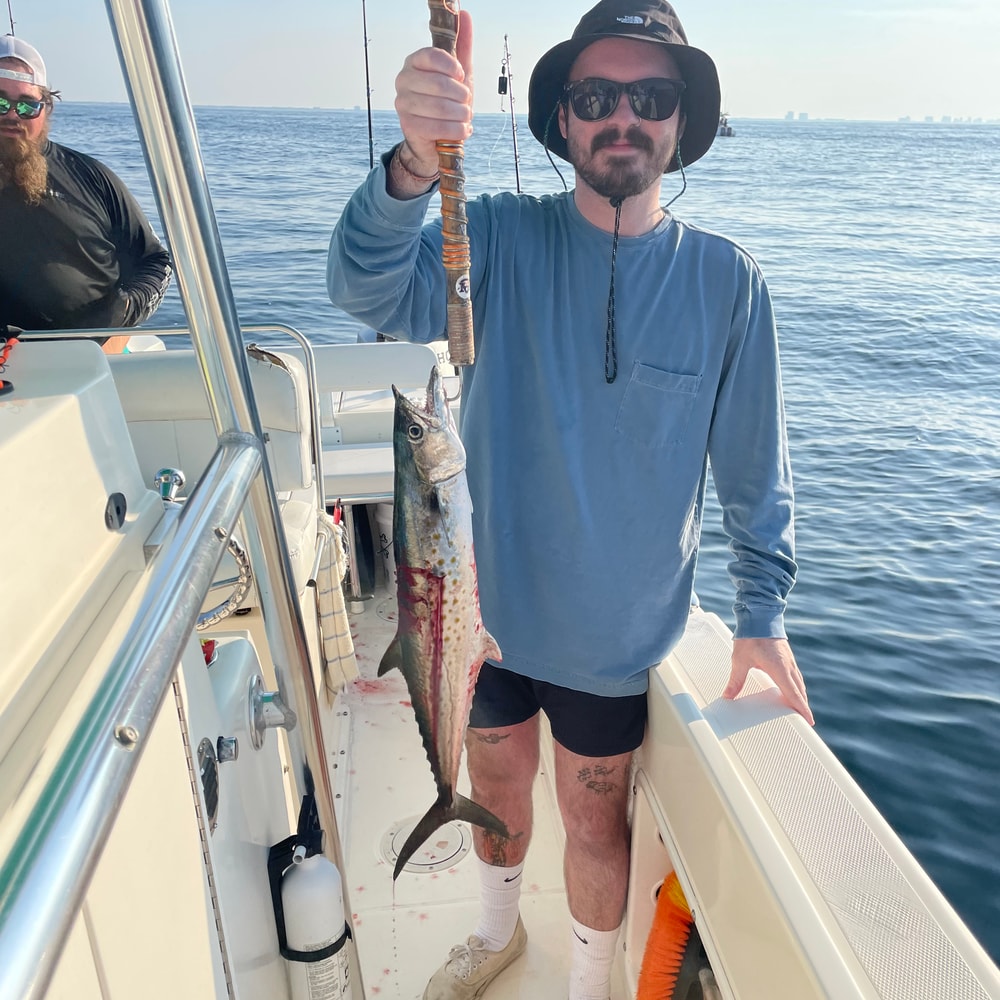
Deep Sea, Nearshore Fishing in Destin
Destin Full Day
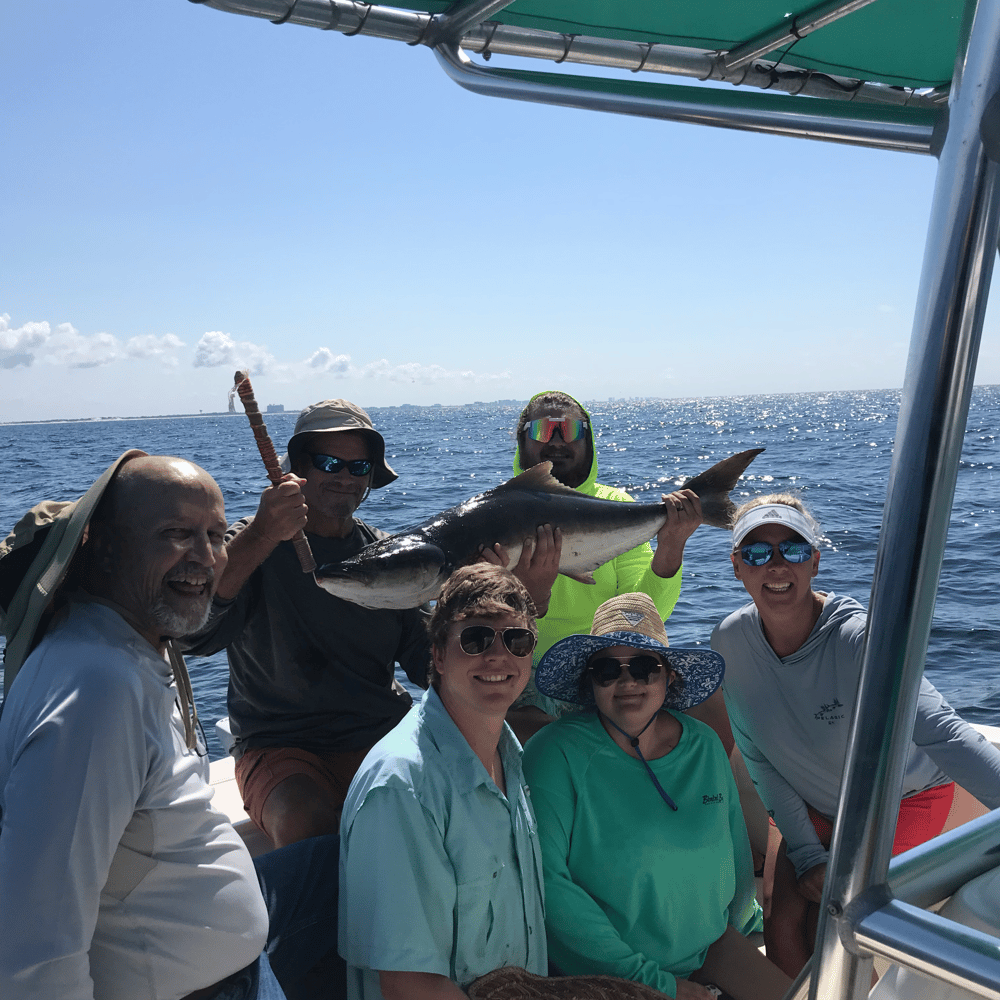
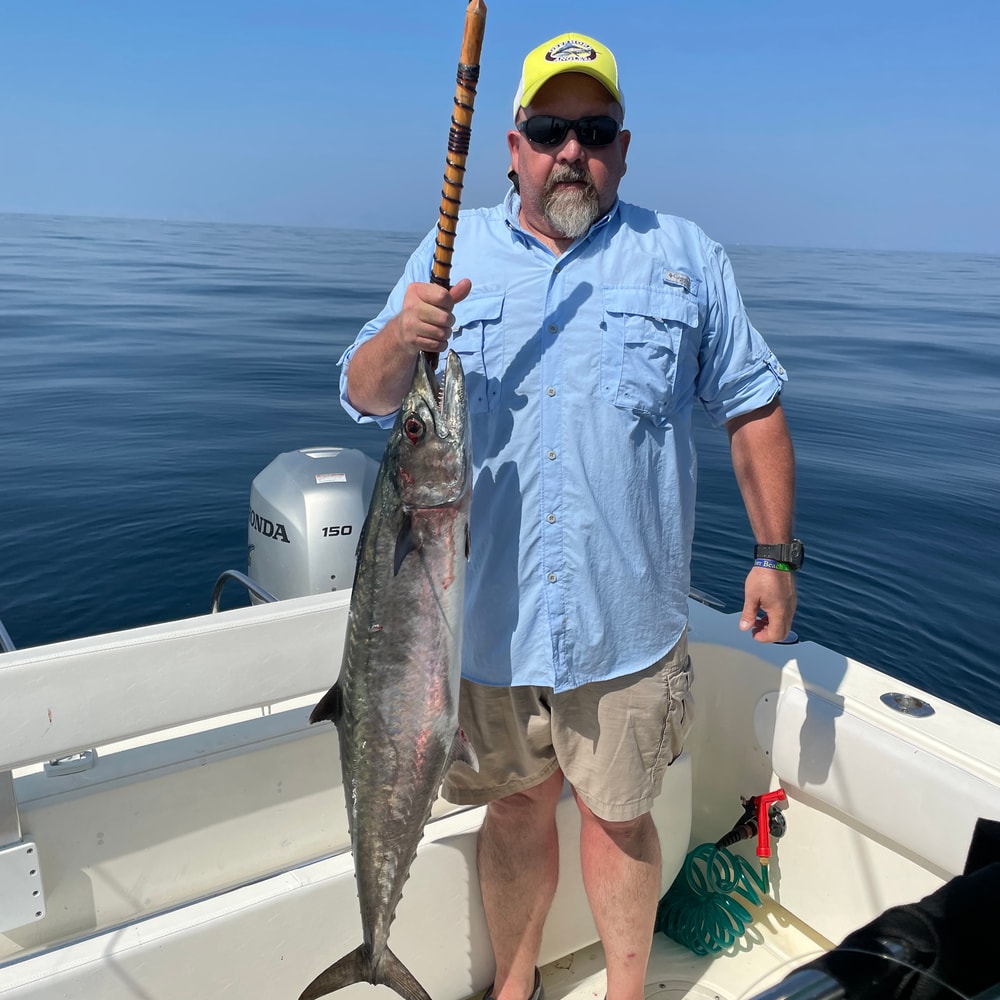
Deep Sea, Nearshore Fishing in Destin
Fishin Mission
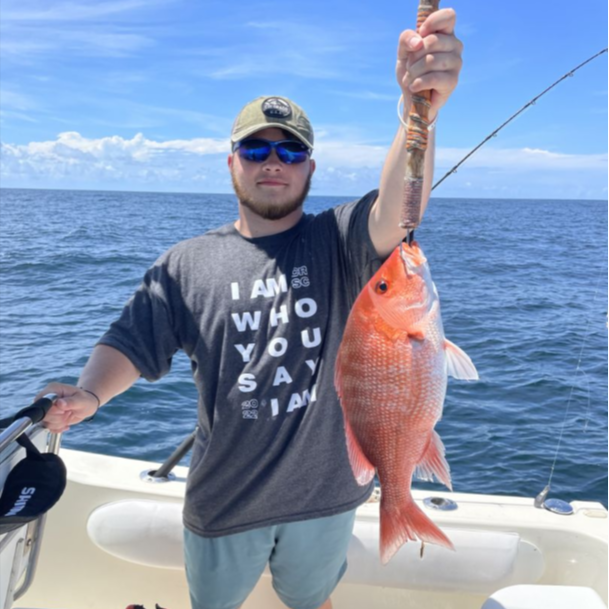
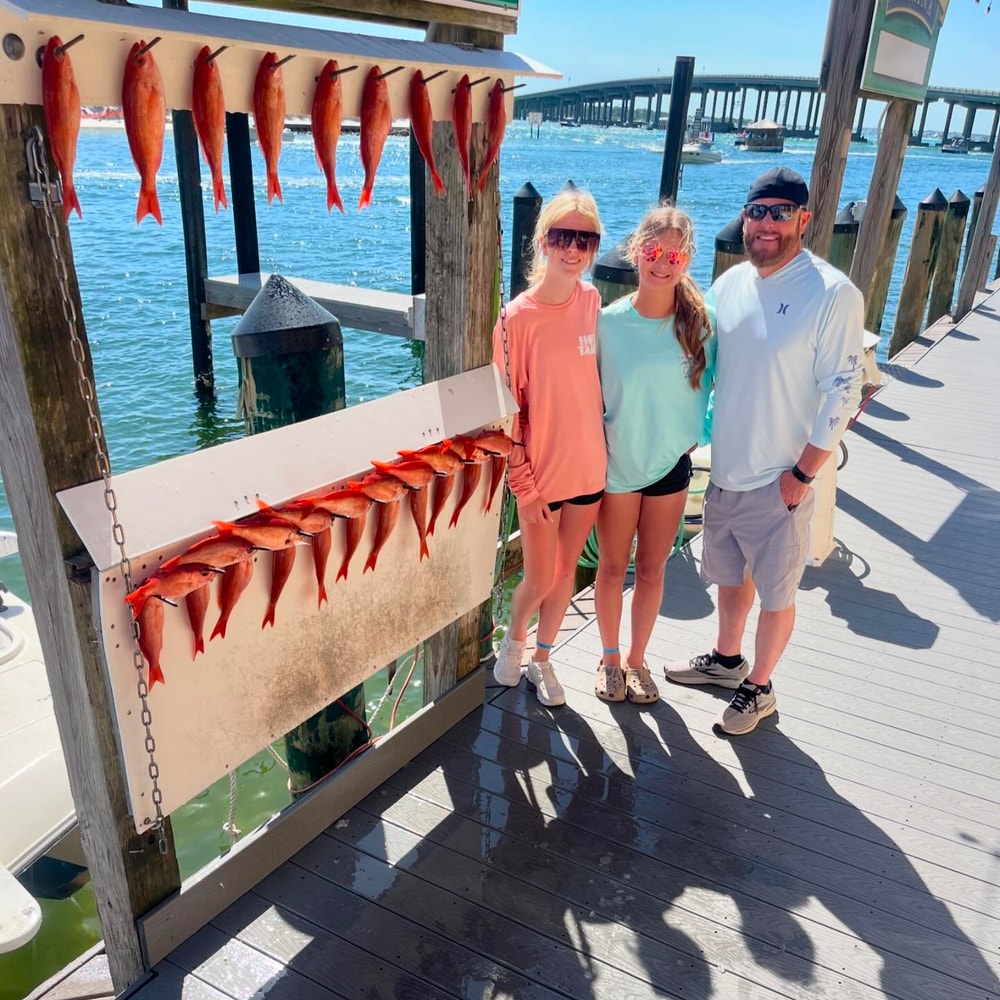
Deep Sea, Nearshore Fishing in Destin
Destin Red Snapper Slam - AM
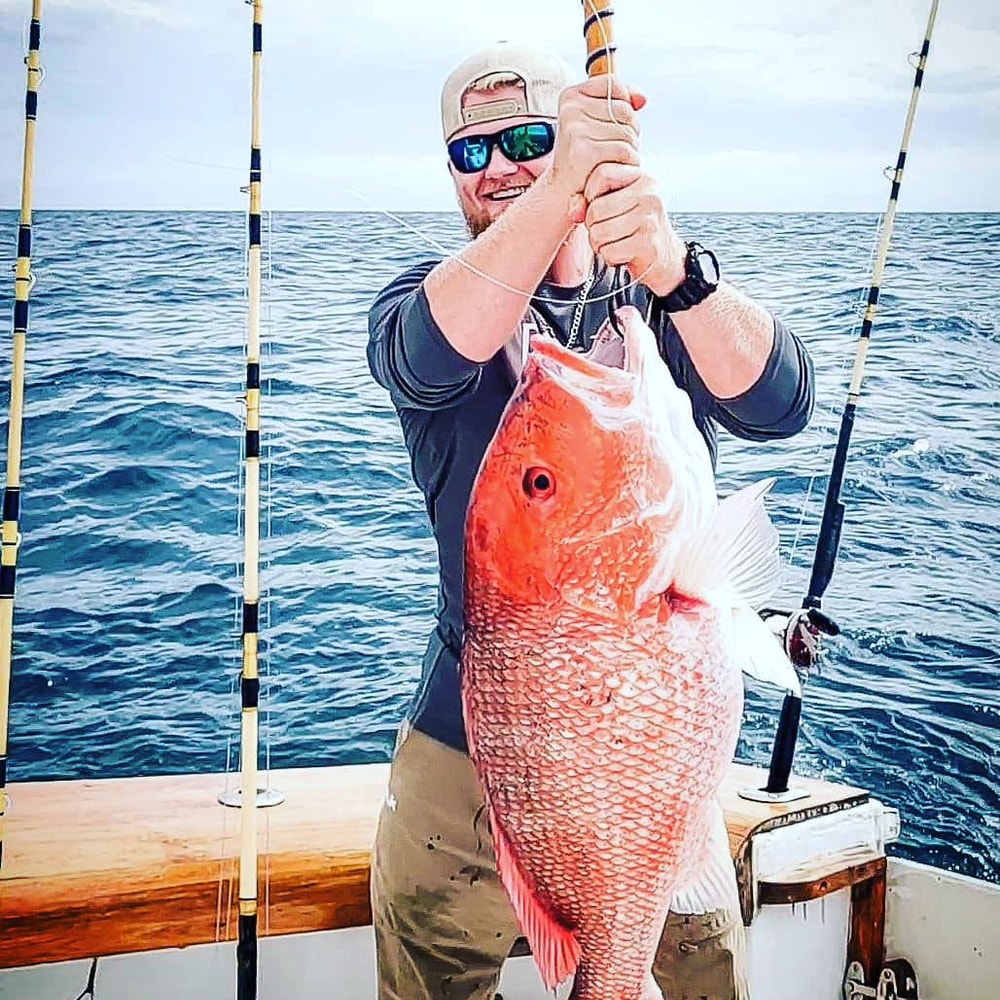
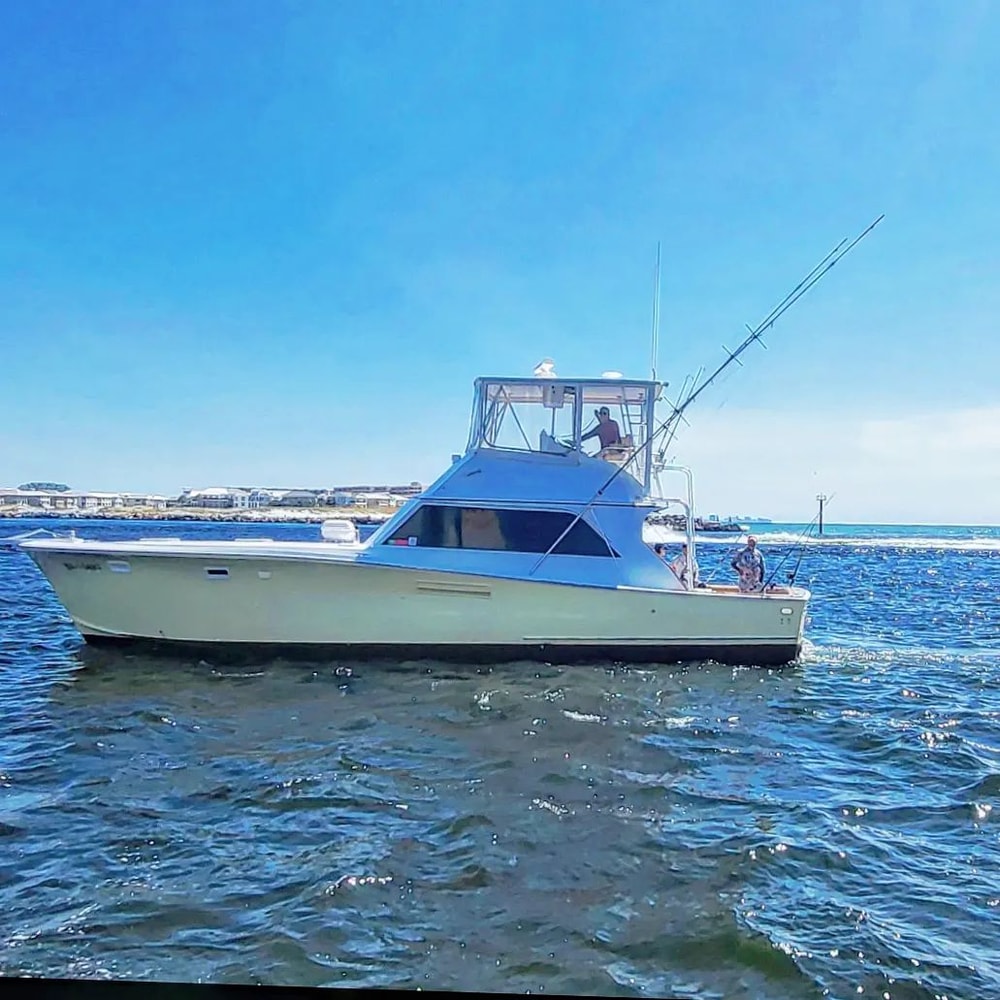

Destin Red Snapper Adventure
Didn't Find What You Were Looking For?
Our guides are Damn Good Guides, which means they’re vetted by our team of outdoor experts who know them on a first-name basis. We hand pick each and every one of them, and our network spans all across the US and beyond.
The proof is in the pudding, and we’re incredibly proud of our 4.9 / 5 average review score. Hit the button below to see more trip options:
Everything to Know About Booking a hunting trip in Destin Harbor
What are the best invasive species hunting trips in Destin Harbor?
The best invasive species hunting trips in Destin Harbor are:
- Florida Outdoor Adventures, Fantasy Ocean Adventur guided by Zack F. with 7 years of experience
Why should I book an invasive species hunting trip in Destin Harbor with Captain Experiences?
Our Damn Good Guides currently offer 1 invasive species trip in Destin Harbor: Private Ranch Wild Hog Hunts guided by Zack.
All guides on Captain Experiences are vetted by our team. You can access their reviews, click through trip photos, read bios to get to know them, and preview trip details like species, techniques, group sizes, and more.
Looking for kid friendly invasive species guides in Destin Harbor? Check out our beginner and family friendly invasive species guides in Destin Harbor.
What types of invasive species hunting trips are common in Destin Harbor?
The most commonly sought after species for invasive species hunting is hog.
How much does a Destin Harbor invasive species hunting trip cost?
Prices for invasive species hunting in Destin Harbor can range anywhere from about $630 to $2,180, but the average price for a full day trip for invasive species hunting in Destin Harbor is $1,390.
Is booking a hunting guide worth the money?
Hiring a guide provides a number of benefits and many choose to book a hunting guide for a combination of experience, local knowledge, convenience, and cost-effectiveness.
Working with experienced hunting guides who know the best local spots and techniques can dramatically increase your odds of a great day. Having someone who is outside every day and knows the area like the back of their hand is going to give you the best chances of success.
Booking a guide is also more cost effective, especially if you only get out a handful of times per year. When you consider all of the costs you would incur on your own such as the price of a boat, maintenance, insurance, gas, high-quality gear, repairs, and more, you’ll find that DIY is sometimes not worth the expense.
Even if you’ve got a great setup already in your backyard, booking a guide also provides a great opportunity to experience new techniques, new locations, or even a chance at a new target species to knock off the bucket list.
What month is best for invasive species hunting in Destin Harbor?
The most popular season for invasive species hunting in Destin Harbor is summer, and most hunters book their trips 33 days in advance.
Where can I look through all Captain Experiences trips?
See here to browse all the trips we offer.
What is invasive species hunting in Destin Harbor all about?
Invasive species hunting in Destin Harbor is where saltwater grit meets ecological mission. Known more for its emerald waters and red snapper runs, Destin’s hidden battle happens below the surface—where lionfish, green mussels, and other invasive threats silently reshape the underwater world. For the adventurous angler or diver, hunting these invaders becomes a hands-on way to protect the Gulf’s delicate ecosystems, one spear, cast, or haul at a time.
Lionfish, with their venomous spines and unrelenting appetites, are the poster child of this battle. You'll find them lurking around artificial reefs and dock pilings, perfectly camouflaged and entirely out of place. The hunt isn't just thrilling—it’s necessary. Whether you're freediving or using a pole spear off a skiff at sunrise, there's a purpose to the pursuit. Each invasive species removed means native fish stand a better chance of surviving and thriving.
This is conservation with boots on—or fins in—the water. There’s a rough satisfaction in knowing your day on the harbor didn’t just yield a fresh fillet but helped restore a sliver of balance to the Gulf. In Destin, it’s not always about the biggest catch or the deepest drop—it’s about showing up, getting your hands dirty (or fishy), and doing right by the wild places we love.
What are the most popular months to go invasive species hunting in Destin Harbor?
Invasive species hunting season in Destin Harbor doesn’t follow a traditional calendar—it flows with the warm Gulf currents and the stealthy rhythm of the invaders themselves. Peak time kicks off in late spring and stretches deep into the fall, when the waters are warm and visibility is prime for spotting the likes of lionfish hovering over reefs or green mussels clinging to docks and jetties. It’s the kind of off-the-beaten-path adventure that pairs perfectly with salty air, early mornings, and a sense of purpose bigger than the day’s haul.
Summer is when the action really heats up. Lionfish breed rapidly in the warm months, and their numbers swell fast in Destin’s artificial reef systems and rocky outcroppings. This is the time to grab your spear gun, jump in, and make every dive count. The water’s warm, the seas are relatively calm, and the invasive species are out in force—unprotected and unwelcome. For divers, anglers, and conservation-minded adventurers, it’s a short window to make a big impact.
As the season shifts into fall, the water cools and the activity slows, but the mission doesn’t end. Late-season hunts become more strategic—less about quantity, more about tracking stubborn holdouts in deeper or less-visited spots. This time of year favors the persistent, the prepared, and the folks who understand that real conservation doesn’t come with an off switch. In Destin Harbor, hunting invasive species isn’t just seasonal sport—it’s part of the unspoken code among locals who know these waters and fight to keep them wild.
What techniques are popular for invasive species hunting in Destin Harbor?
Invasive species hunting in Destin Harbor isn’t your average day on the water—it’s part environmental mission, part adrenaline rush. This coastal hotspot might be best known for emerald waters and big game fishing, but lurking beneath the surface are a handful of non-native troublemakers that need dealing with. Bowfishing is the go-to technique for many locals, especially at night when the harbor comes alive with movement. Armed with high-powered lights and sharp aim, hunters cruise the shallows looking for armored catfish and invasive tilapia. It’s fast-paced, gritty, and deeply satisfying when the arrow hits home.
For a more methodical approach, trapping offers a quieter way to put a dent in the population. Setting baited traps around dock pilings, mangroves, or deeper seagrass beds can snag species like lionfish and even the occasional invasive crab. This is a solid strategy for those who prefer their hunts with a side of strategy—scouting patterns, rotating trap spots, and working with the tide. The payoff? A haul of problem species that don’t belong, pulled straight from the places they’re doing the most harm.
And if you’re feeling bold, free diving with spears is a next-level way to take on the lionfish problem head-on. These spiny invaders look beautiful but pack venomous spines and a massive appetite for juvenile native fish. Found on wrecks, reefs, and even harbor structures, lionfish require precision and care to handle, but removing them is a big win for the local ecosystem. Whether you’re working with a bow, trap, or spear, invasive species hunting in Destin Harbor is a chance to get your hands dirty—and do some good while you’re at it.
What species are popular for invasive species hunting in Destin Harbor?
Everglades Holiday Park is a frontline in the battle against some of Florida’s most notorious invasive species, and the cast of characters you’ll encounter reads like a rogue’s gallery of ecological disruptors. At the top of the list are feral hogs—stout, smart, and destructively prolific. These wild pigs don’t just wander the wetlands; they tear up native vegetation and compromise the habitat of countless native species. Taking one down here isn’t just about the hunt, it’s about helping restore balance to this iconic ecosystem.
Then there’s the Burmese python, the Everglades’ silent predator and a real heavyweight in the invasive game. These massive snakes, some tipping the scales north of 15 feet, slither through the sawgrass and mangroves, preying on native wildlife and throwing the food chain out of whack. Targeting these elusive giants requires a mix of patience and skill, but every python removed is a victory for the fragile Everglades environment. Plus, their impressive size makes for a story worth telling around any campfire.
Rounding out the list are green iguanas and armored catfish—less headline-grabbing but no less harmful. Iguanas graze on native plants and cause erosion by digging burrows along canal banks, while armored catfish crowd out native fish with their aggressive feeding habits. Whether you’re wielding an air rifle, bowfishing gear, or a pair of sharp eyes, tackling these species is about more than just sport. It’s a rugged, hands-on way to protect one of America’s wildest landscapes and keep the Everglades healthy for generations to come.