Recently Booked Invasive Species Hunting Guides In Oklahoma
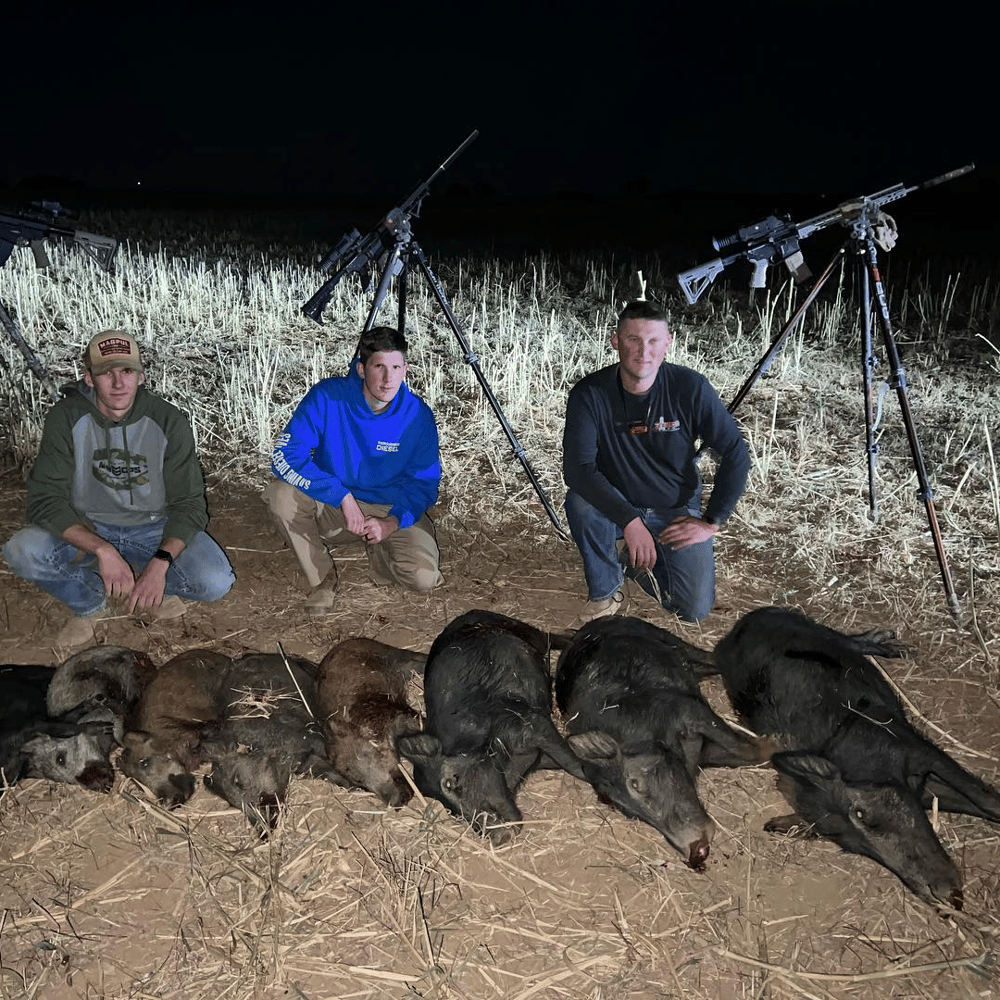
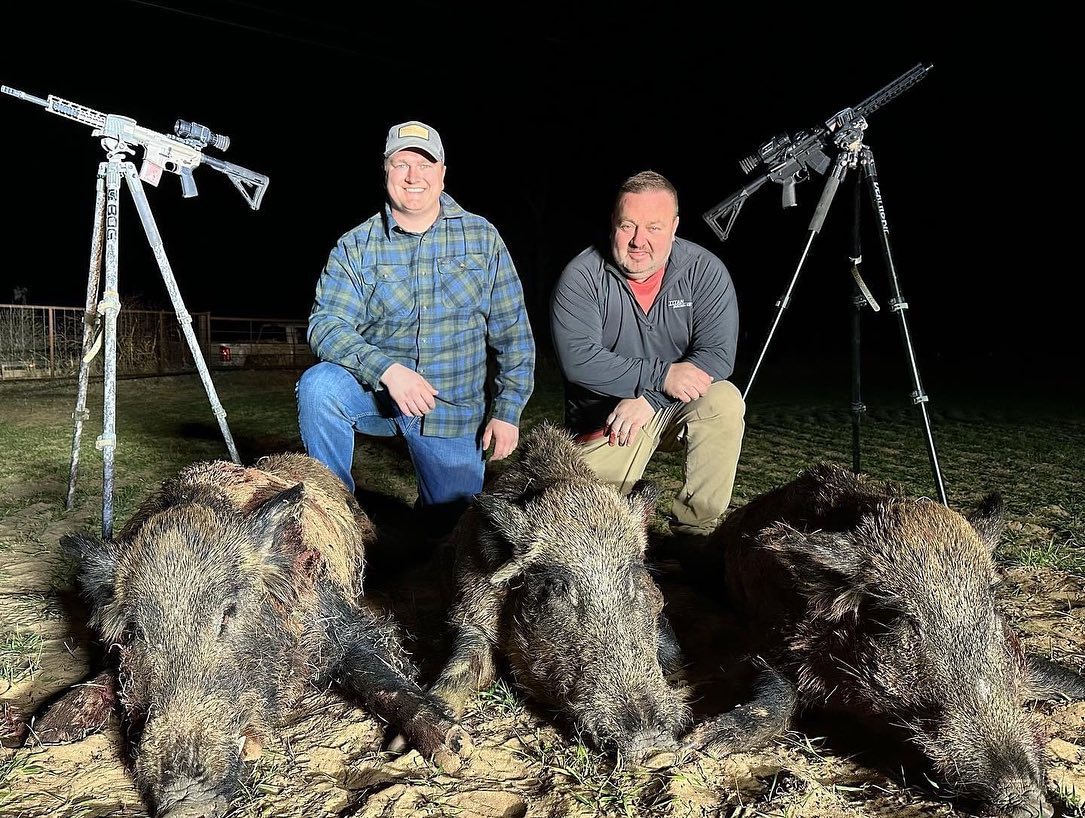
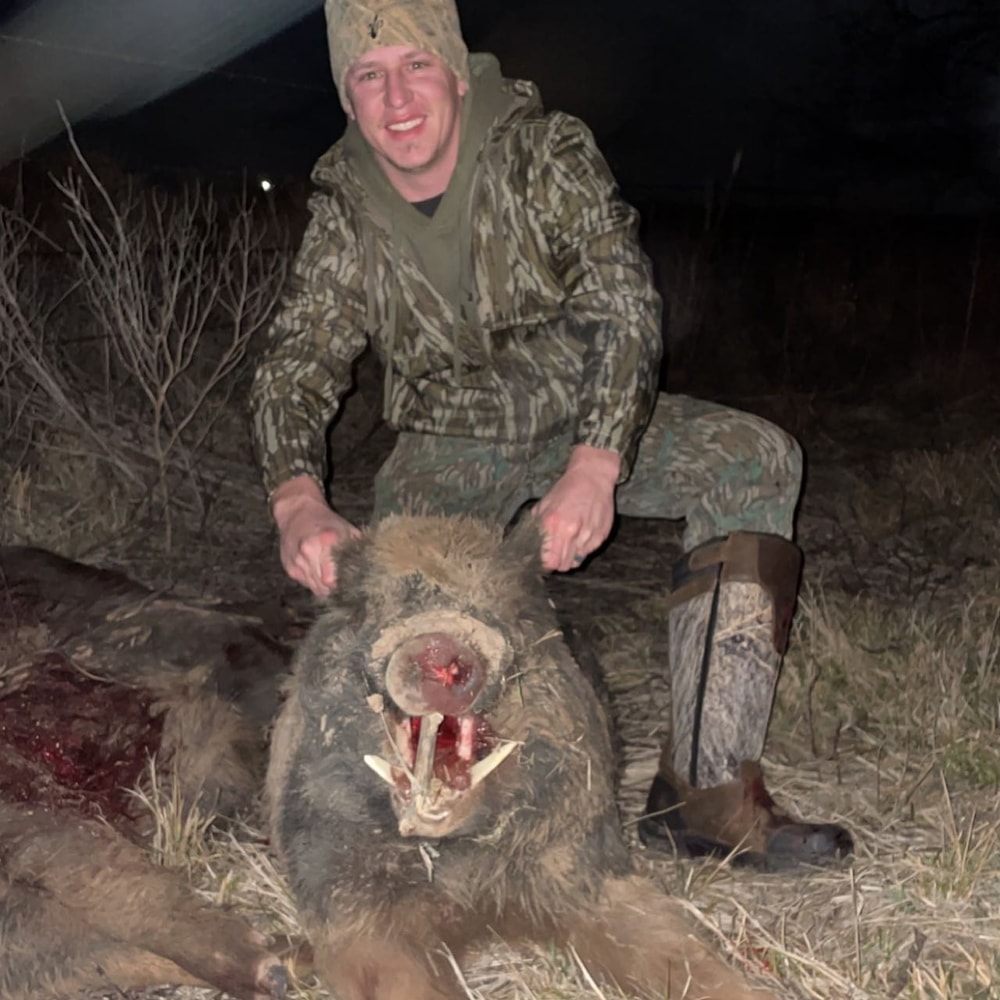
Invasive Species Hunting in Devol
Thermal Hog Hunting
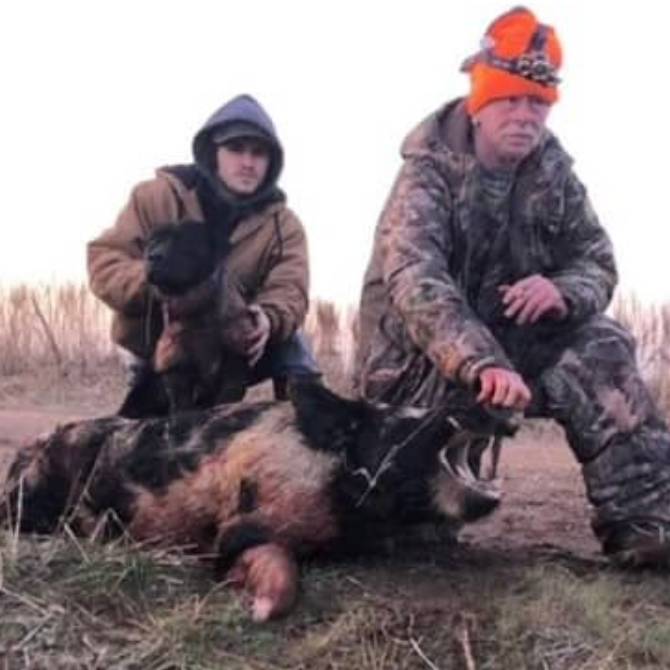
Invasive Species Hunting in Devol
Hog Doggin' TX/OK
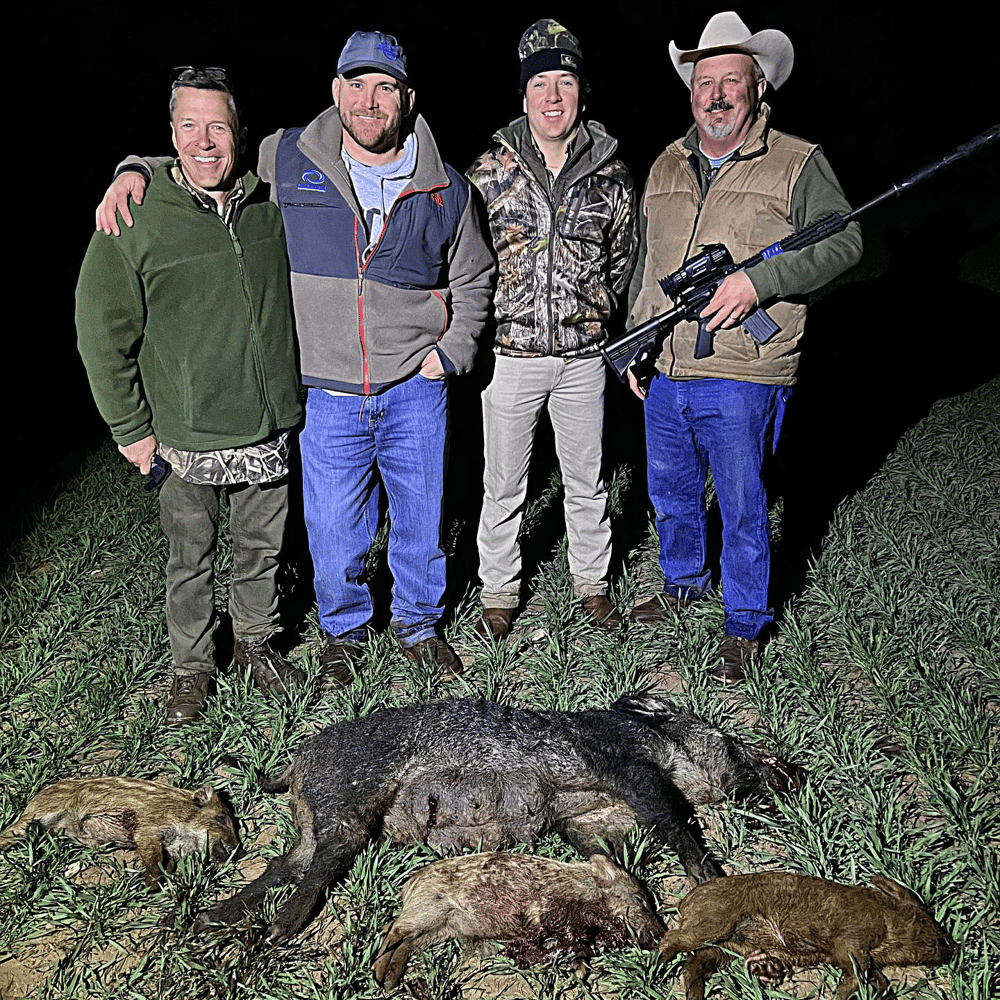
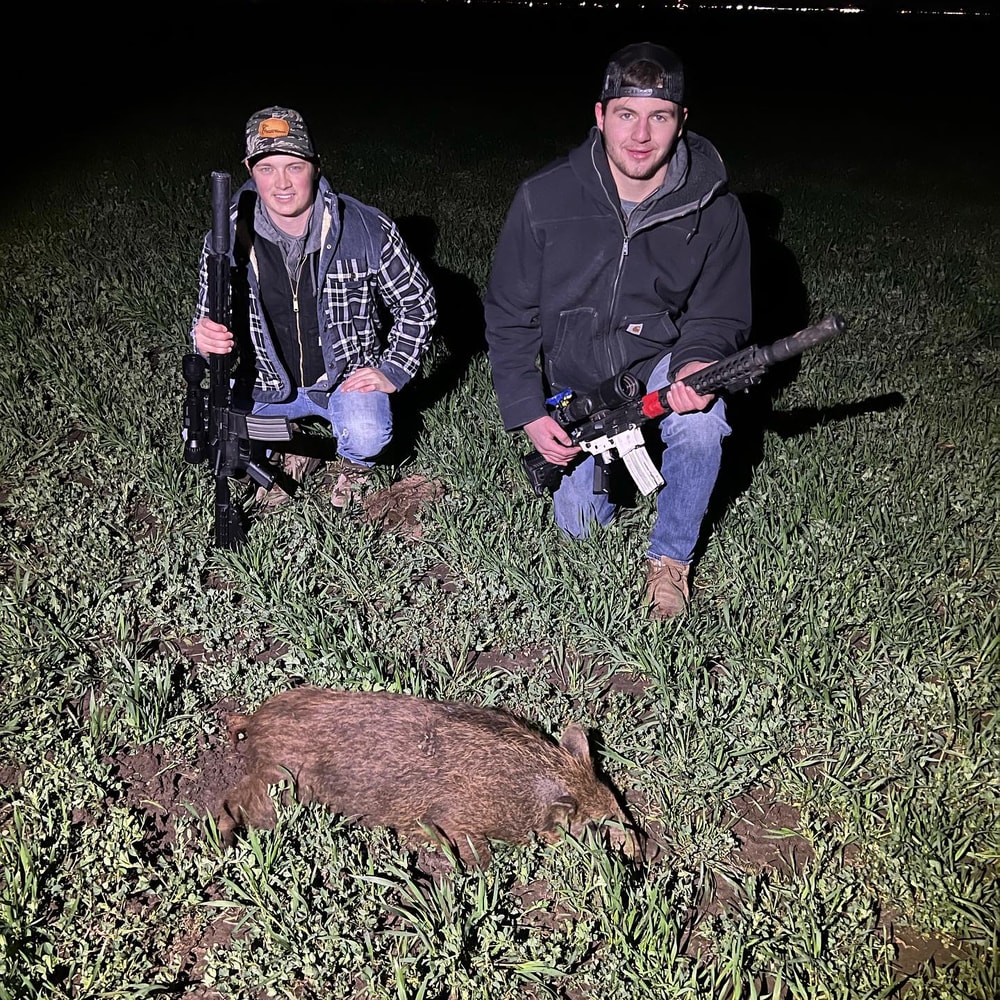
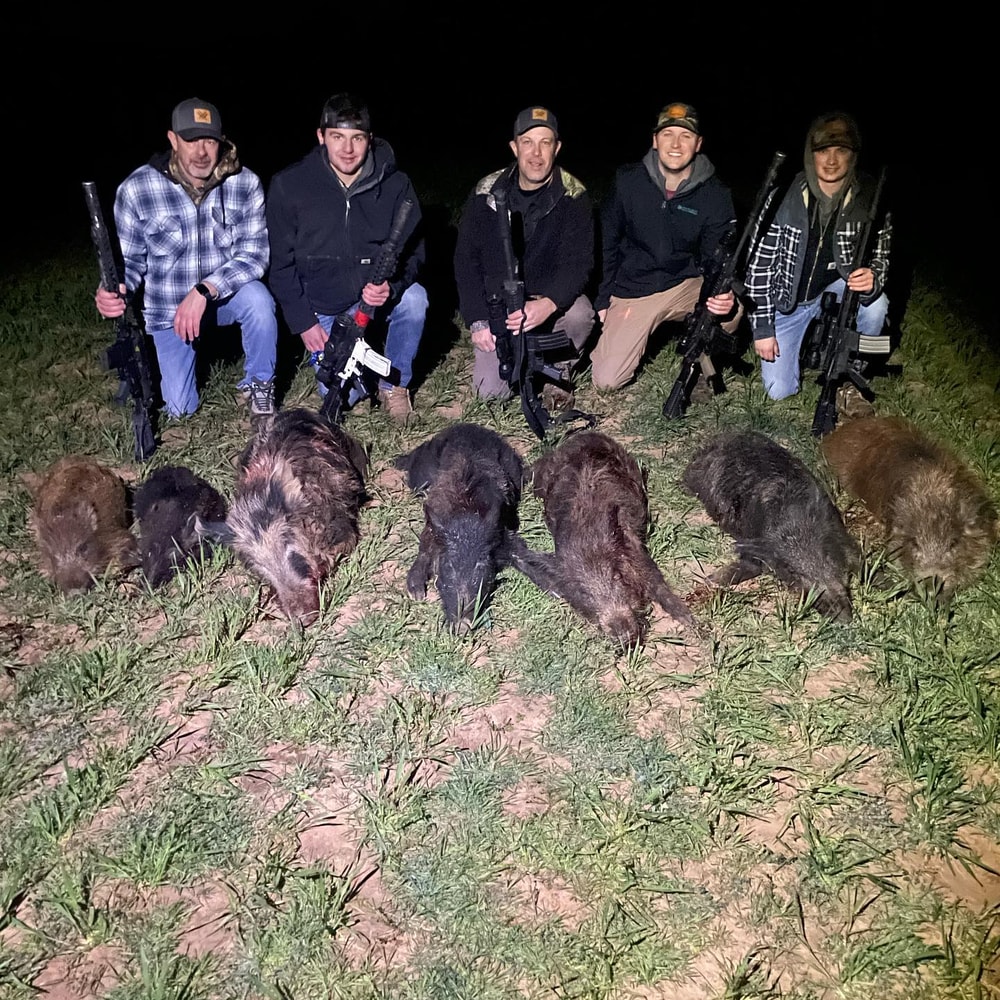
Invasive Species, Predator Hunting in Medicine Park
Oklahoma Thermal Hog Hunt
What makes Captain Experiences Damn Good?
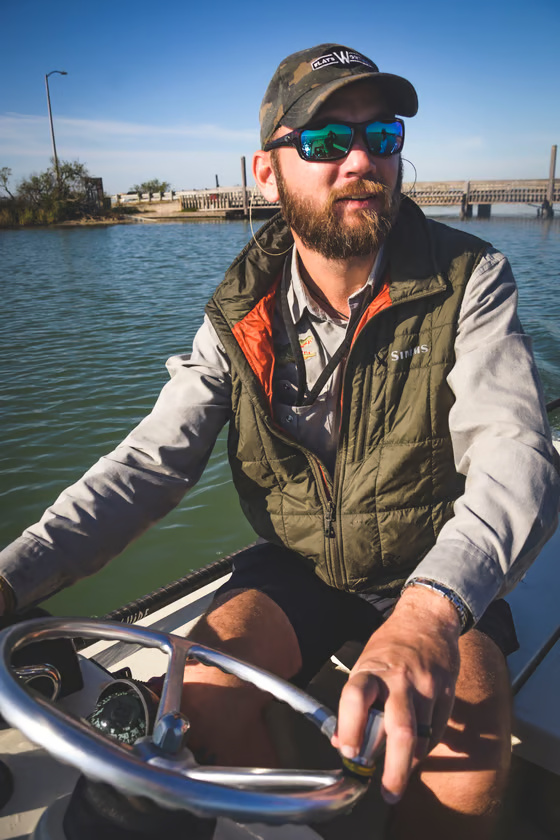
Damn Good Guides
You will only find quality, vetted guides on Captain Experiences, and we know them all on a first-name basis.
Experts Available 24/7
Our US-based team is available 24/7 to help you with any questions or concerns.
100% Weather Guarantee
We want to keep everyone safe, so if the weather is bad we'll work with you to reschedule at no cost.
4.9 / 5 Average Rating
We hand pick our Damn Good Guides, and our network spans across North America and beyond.
“Our Damn Good Guides go above and beyond, and we've handpicked every single one. We're passionate about the outdoors and look forward to getting you out on the trip of a lifetime, every time.”
Jonathan and Attison | Co-founders | Austin, Texas
Other Captain Experiences Trips in Oklahoma
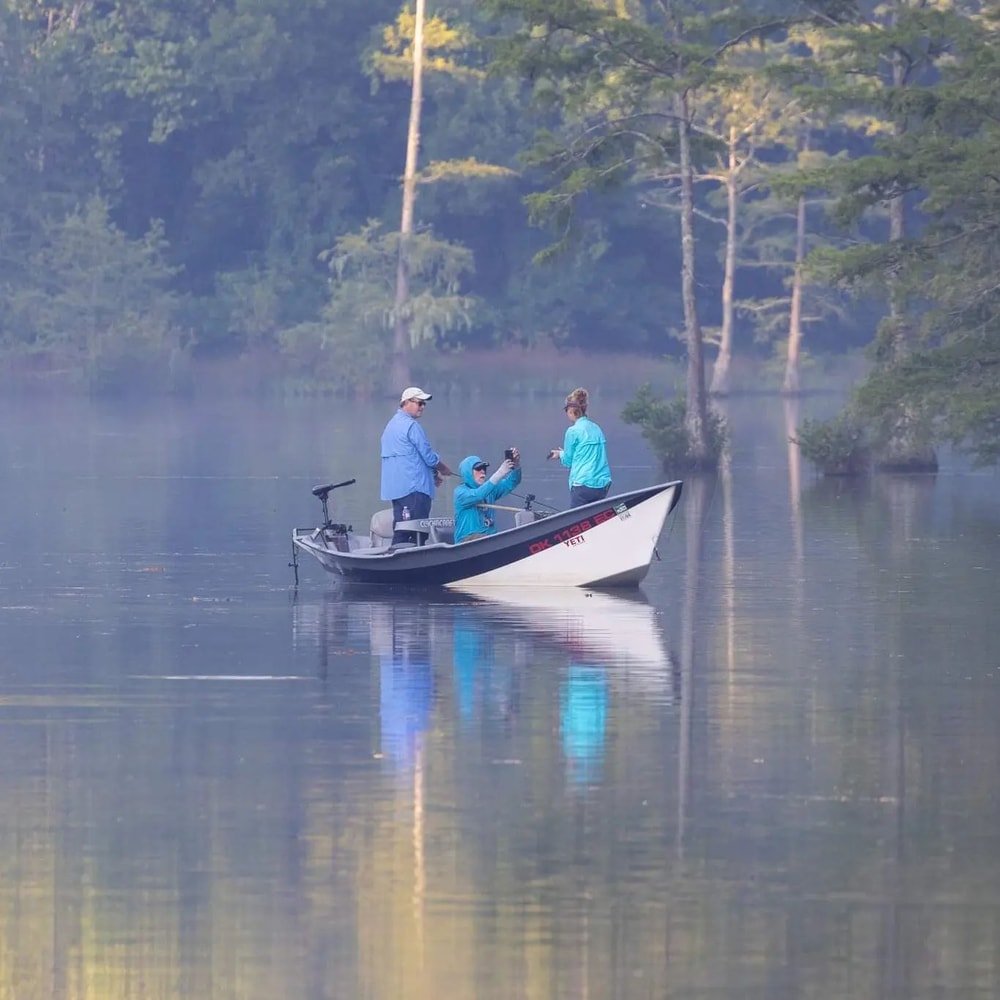

Half Day Guided Wade In Fly Fishing
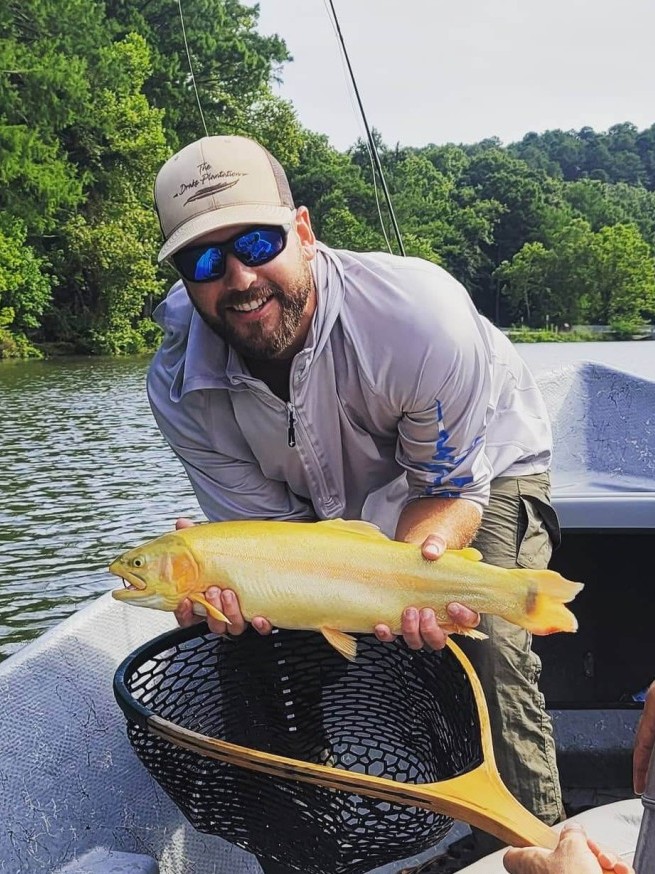
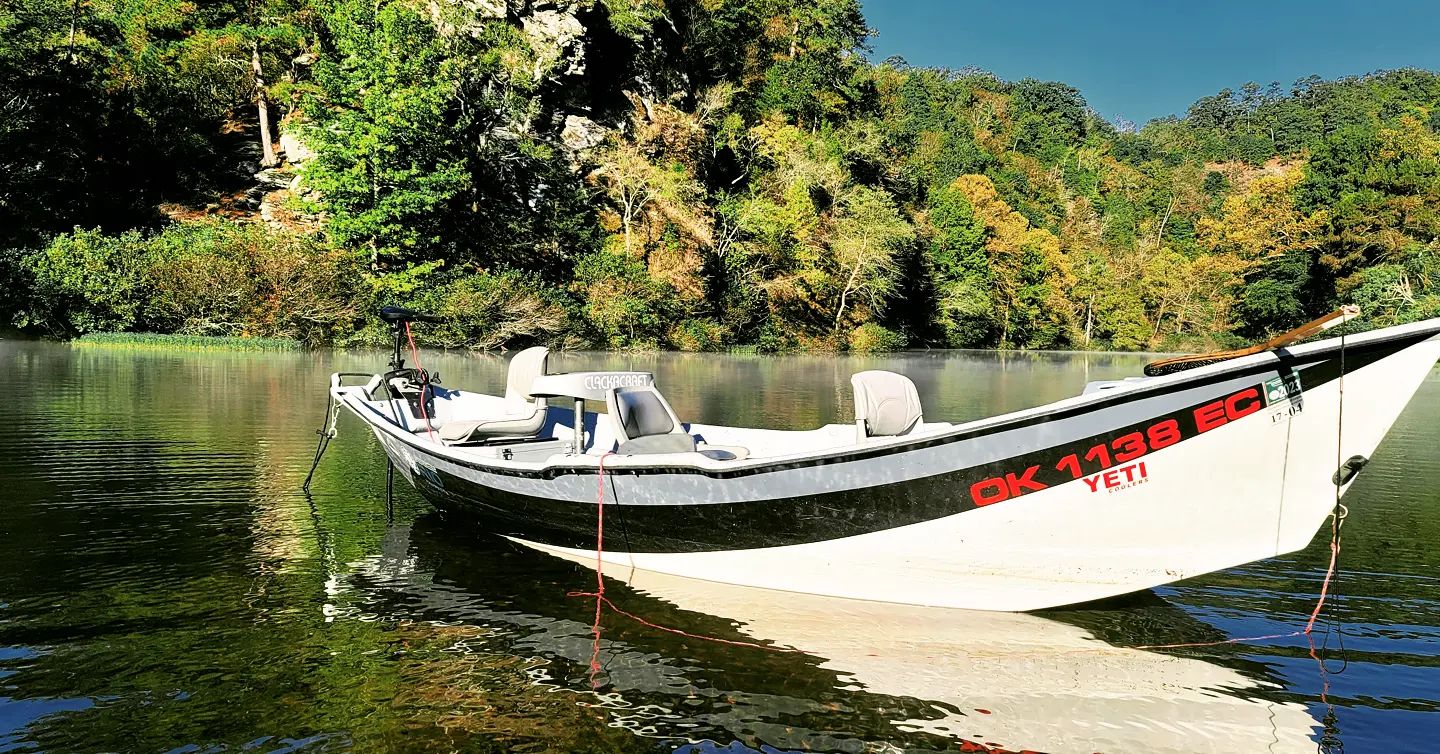
Full Day Guided Wade In Trip
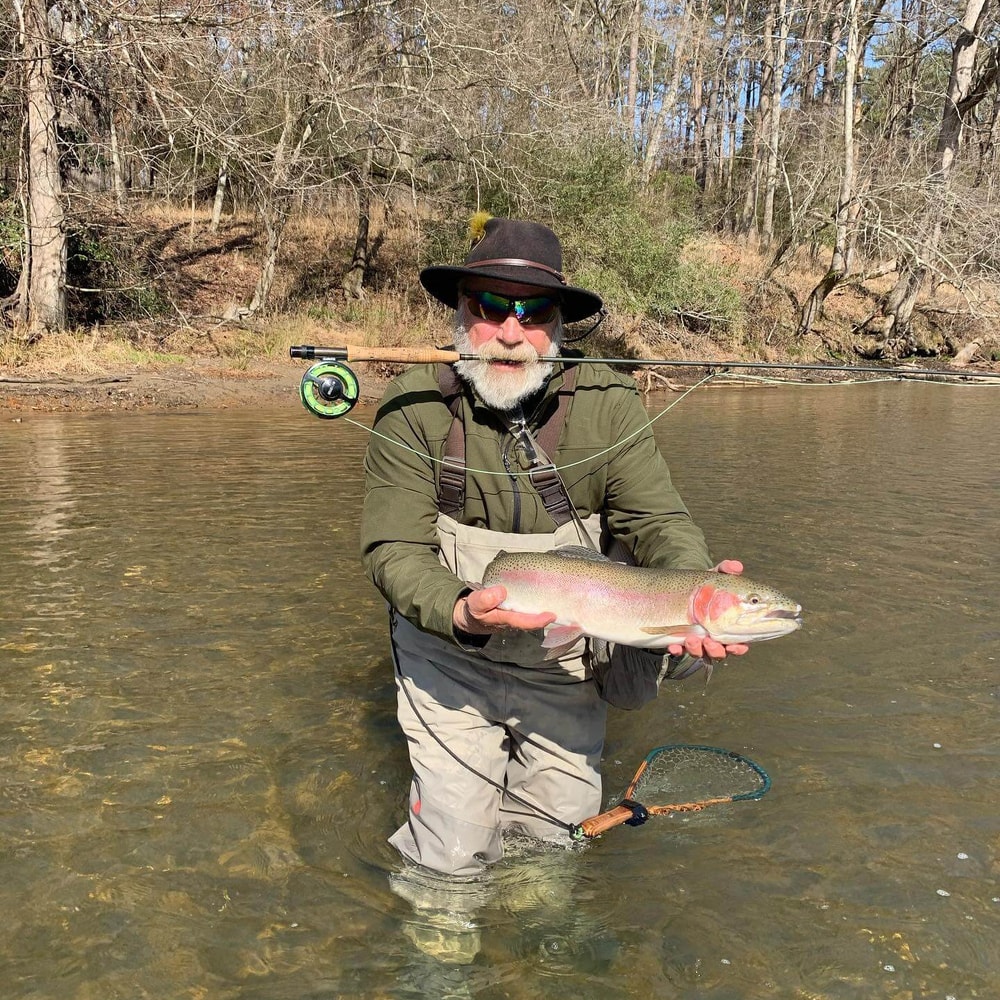


Lower Mountain Fork River
Half Day Drift Boat Area 1
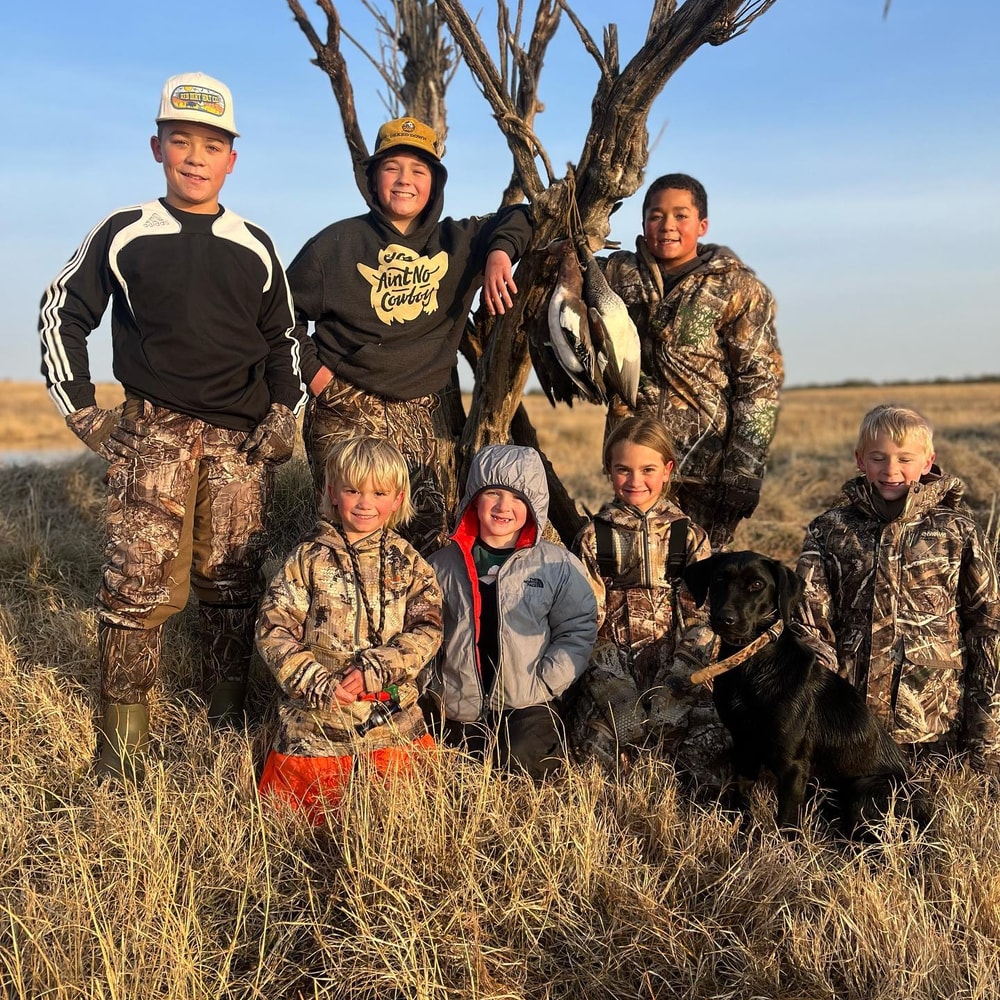
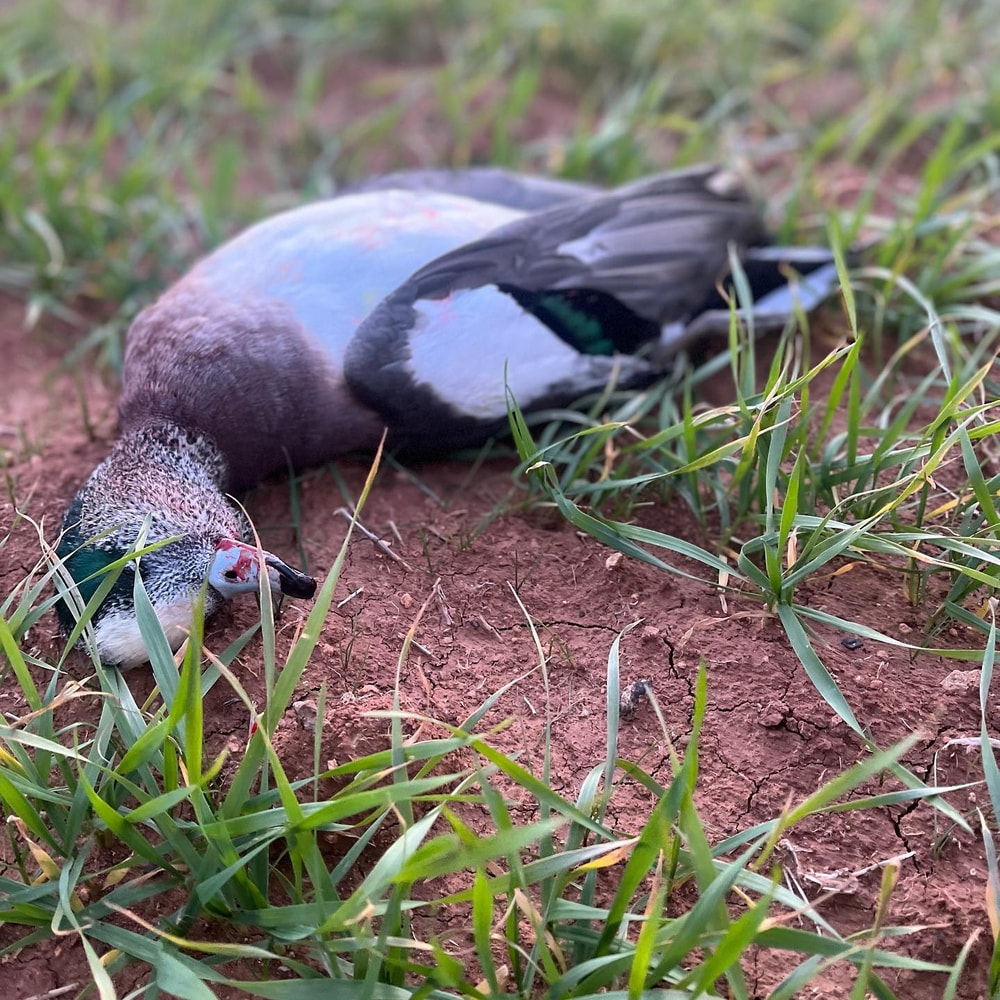
Duck Hunting TX/OK
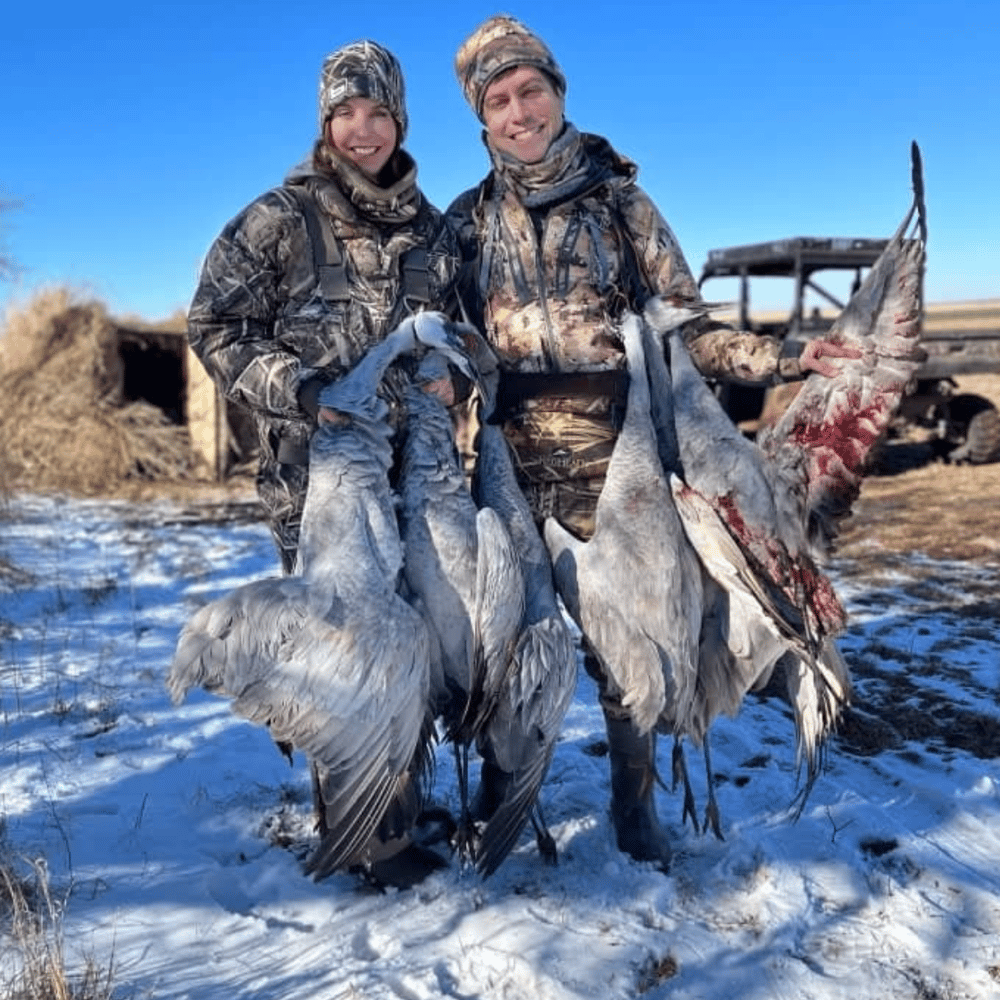
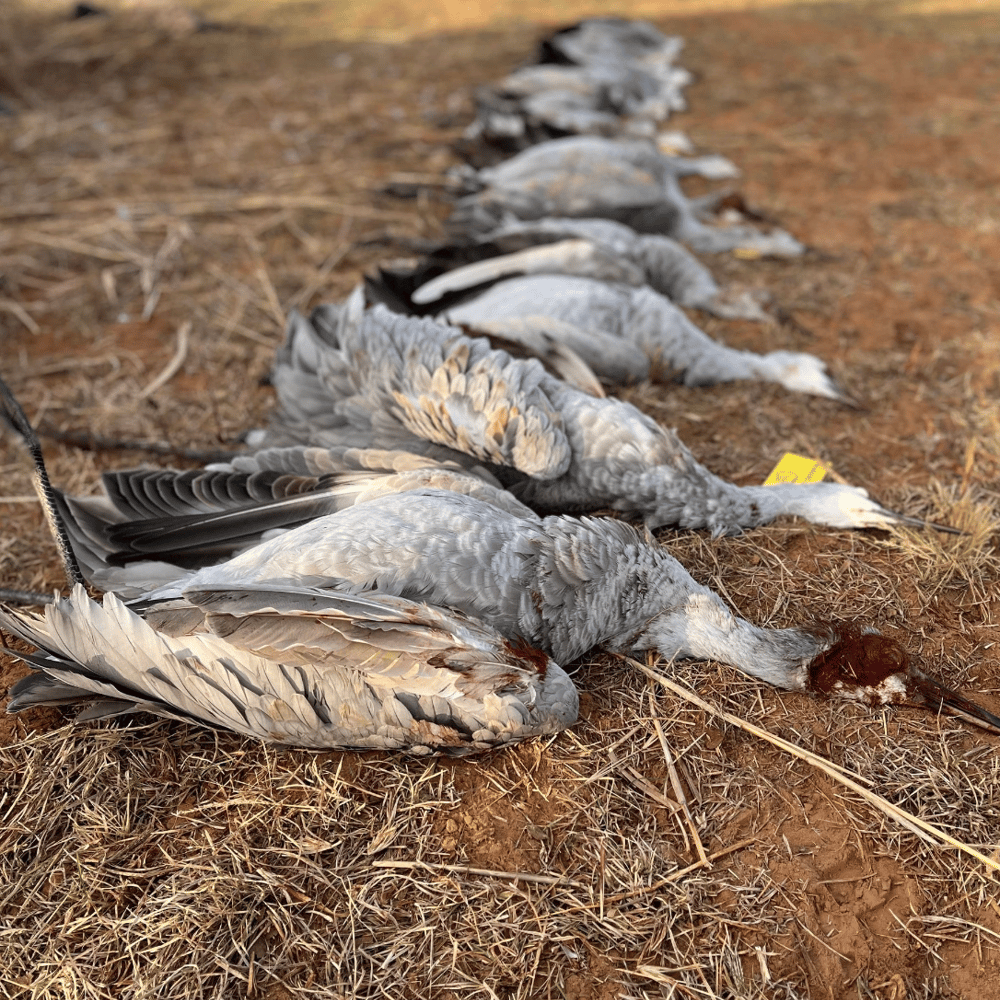
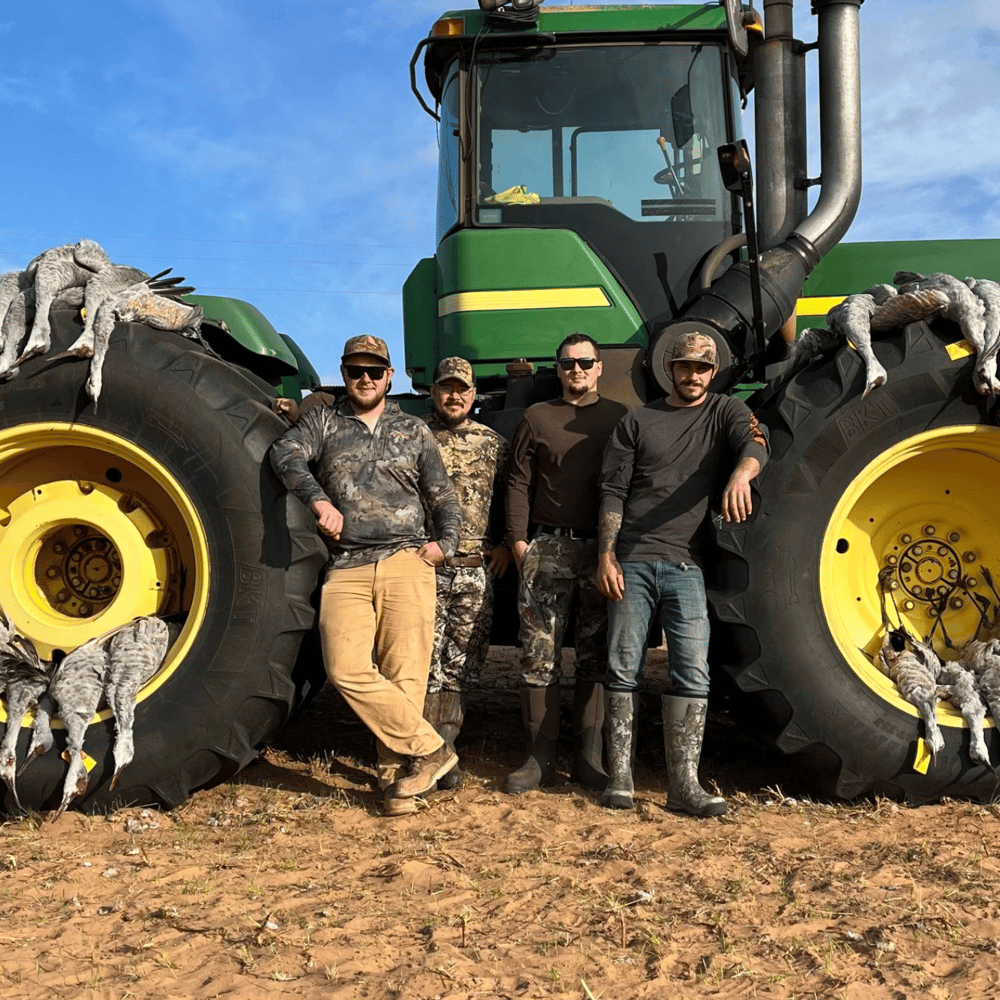
Crackin' Cranes!
Crackin' Cranes With Lodging
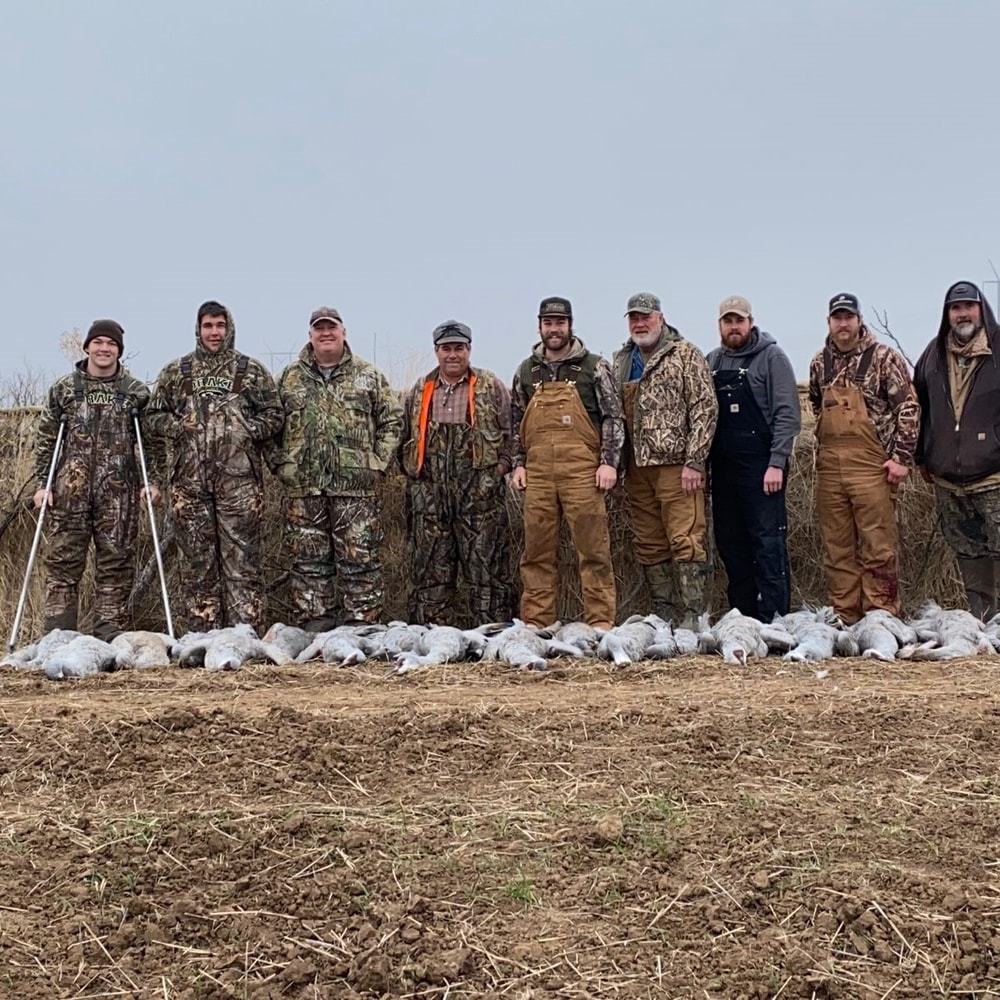
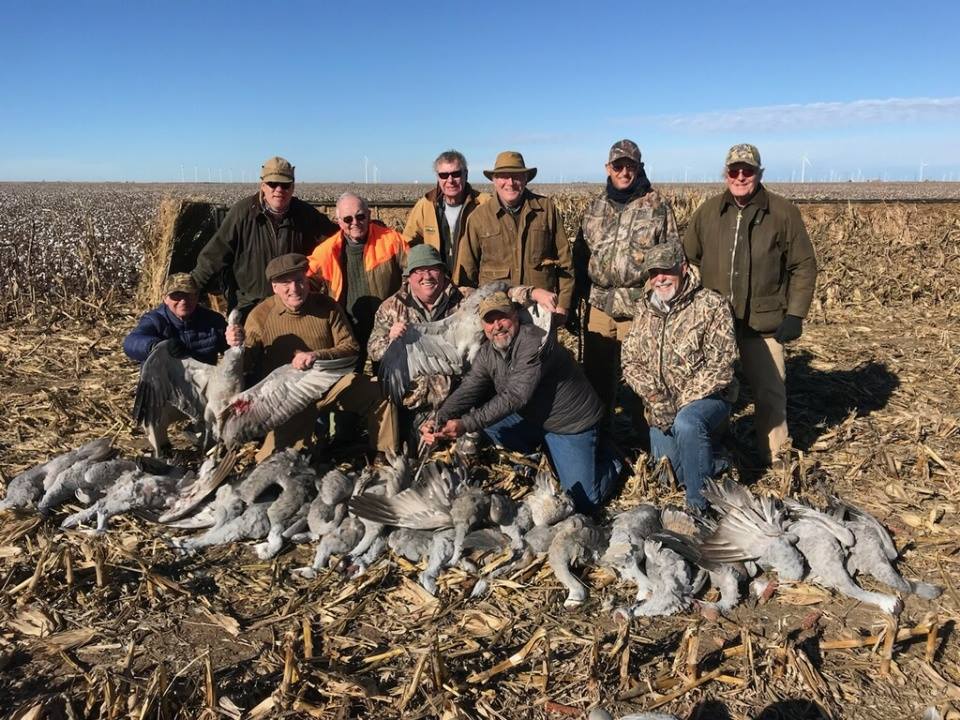

El Dorado Area Sandhill Crane Hunts
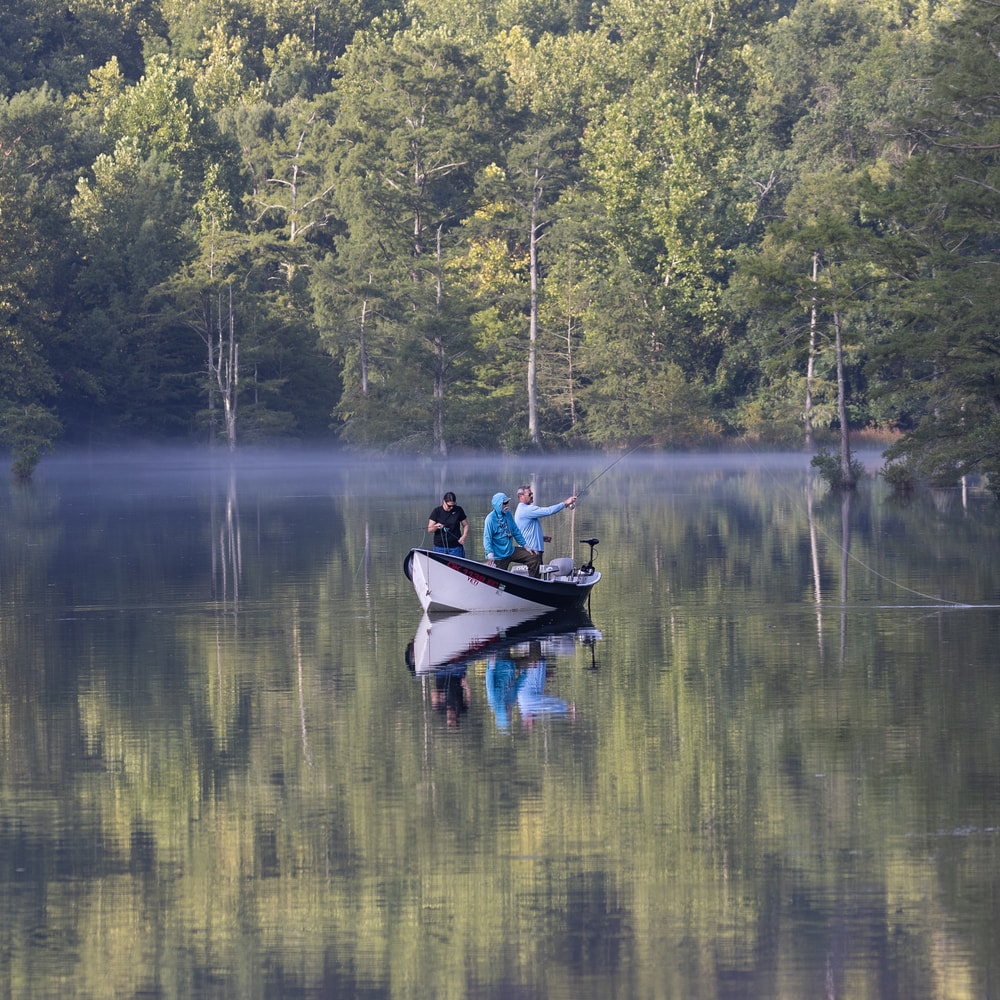
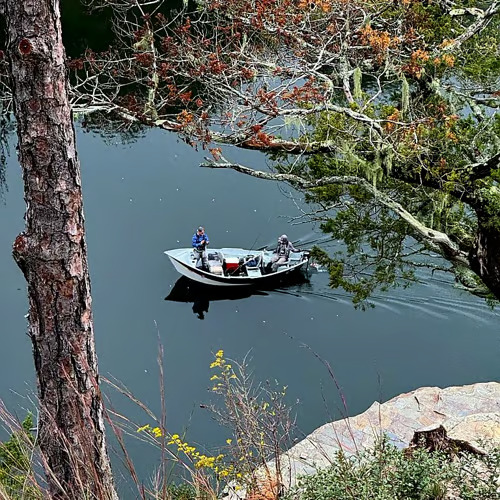
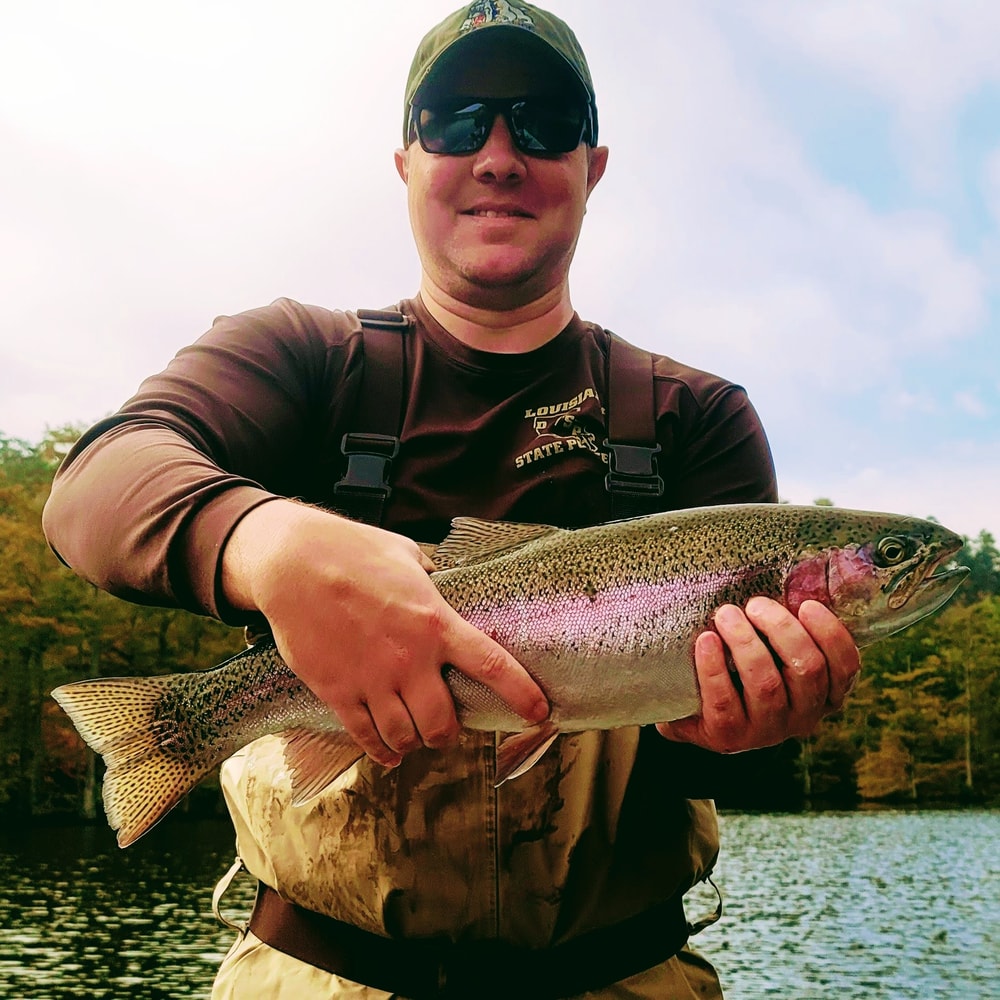
Half Day Wade And Drift Boat Combo!
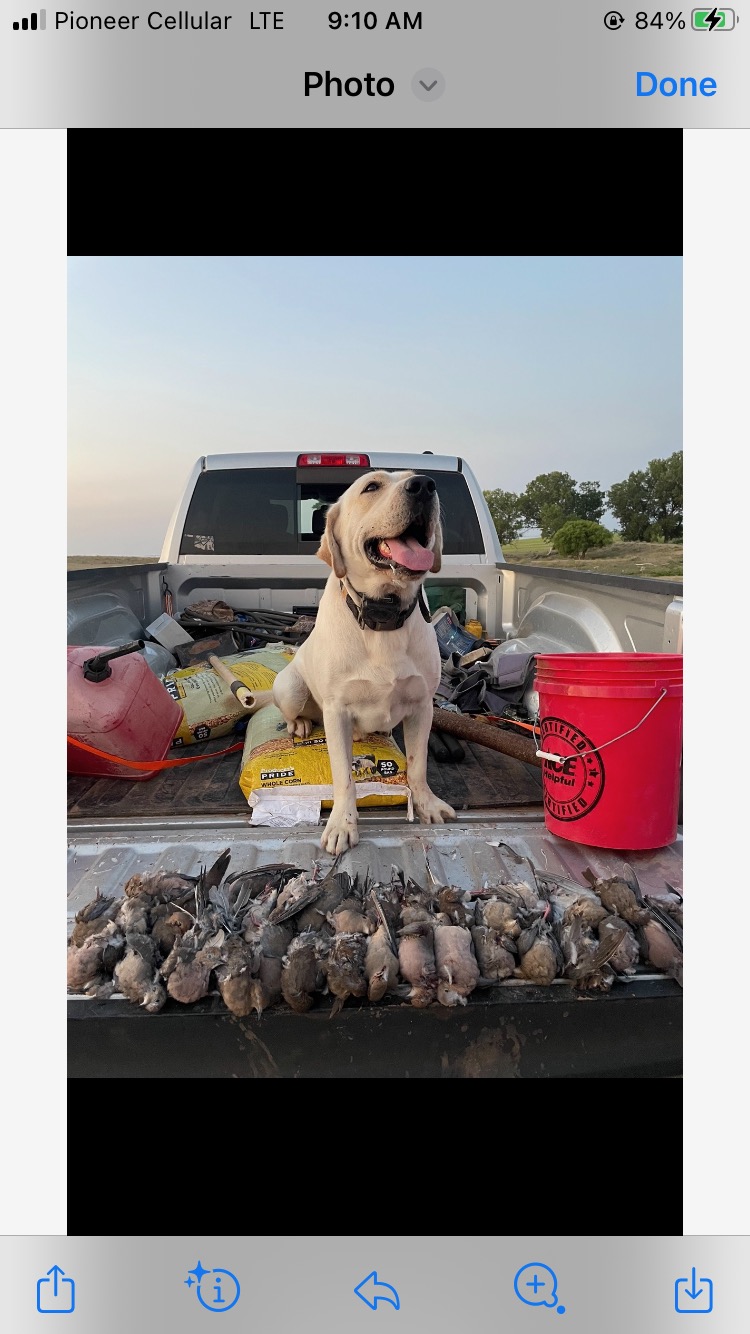

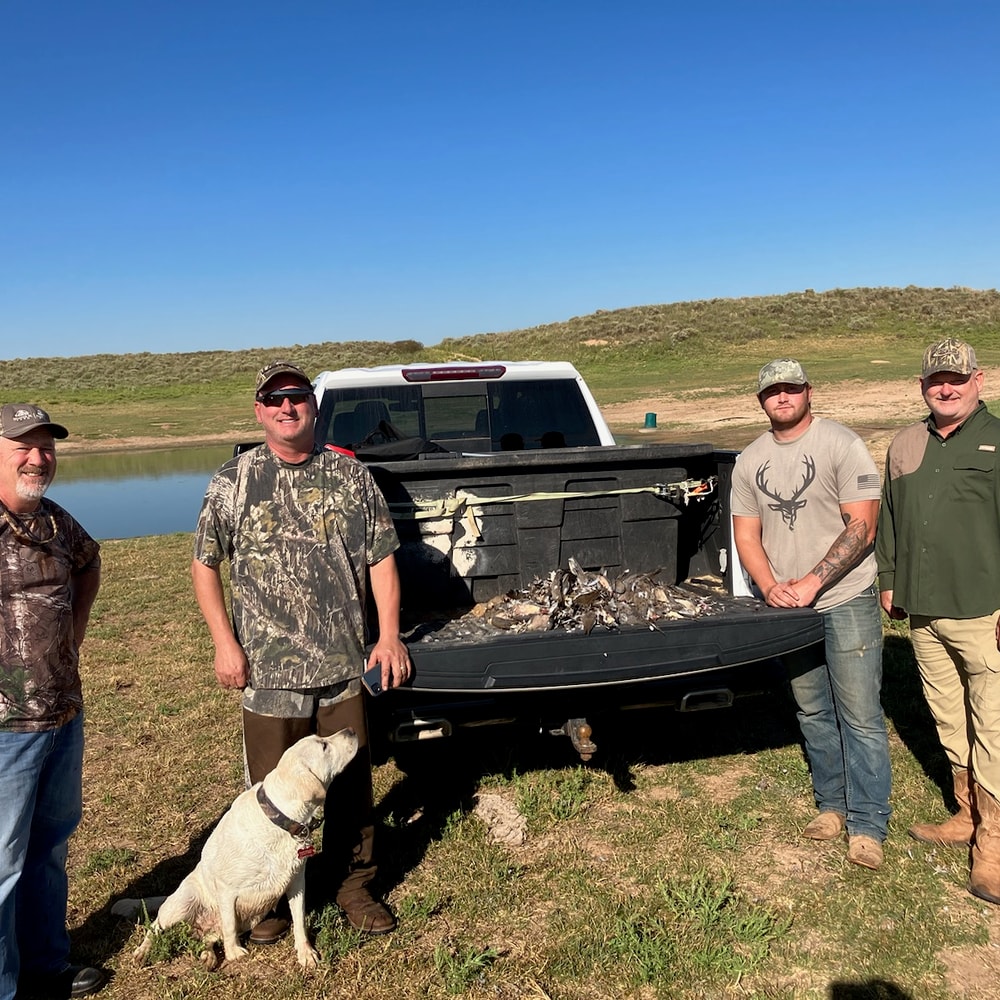
Oklahoma Dove Hunts
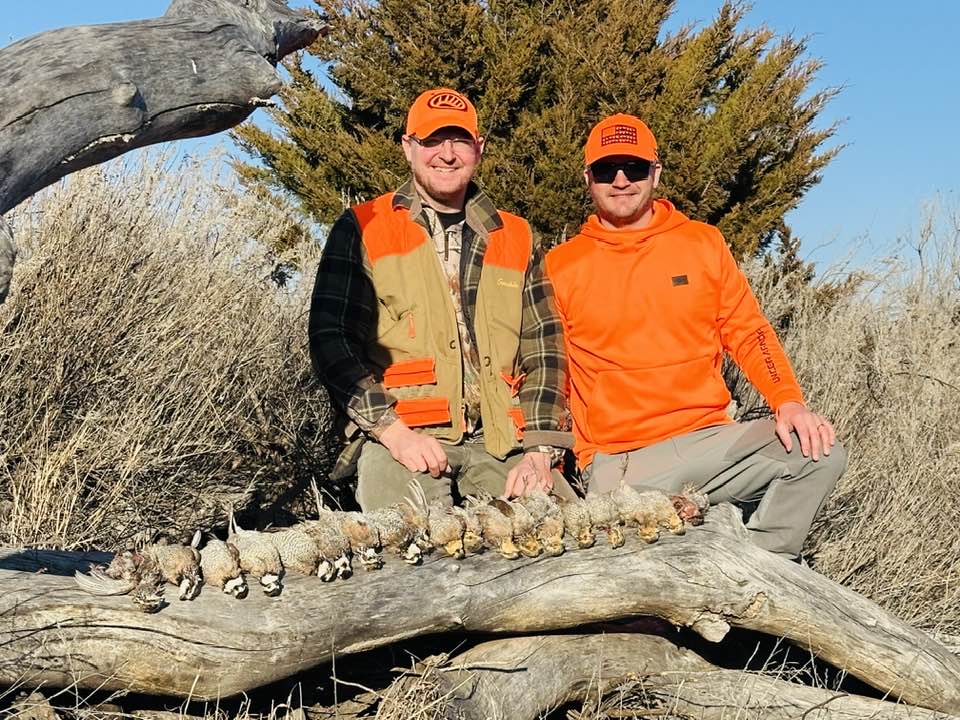
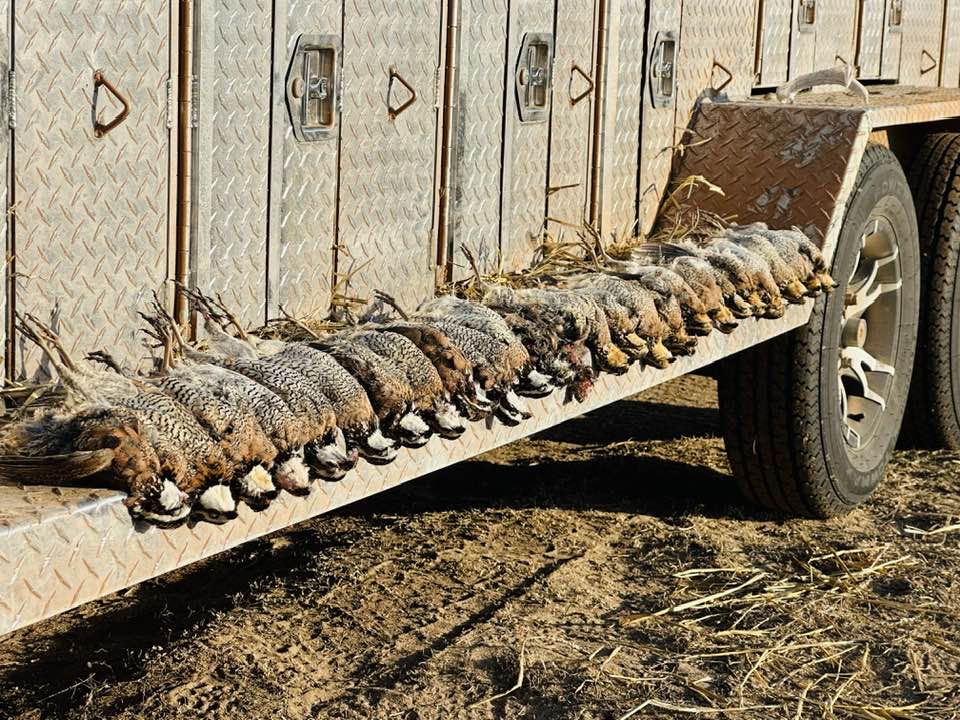
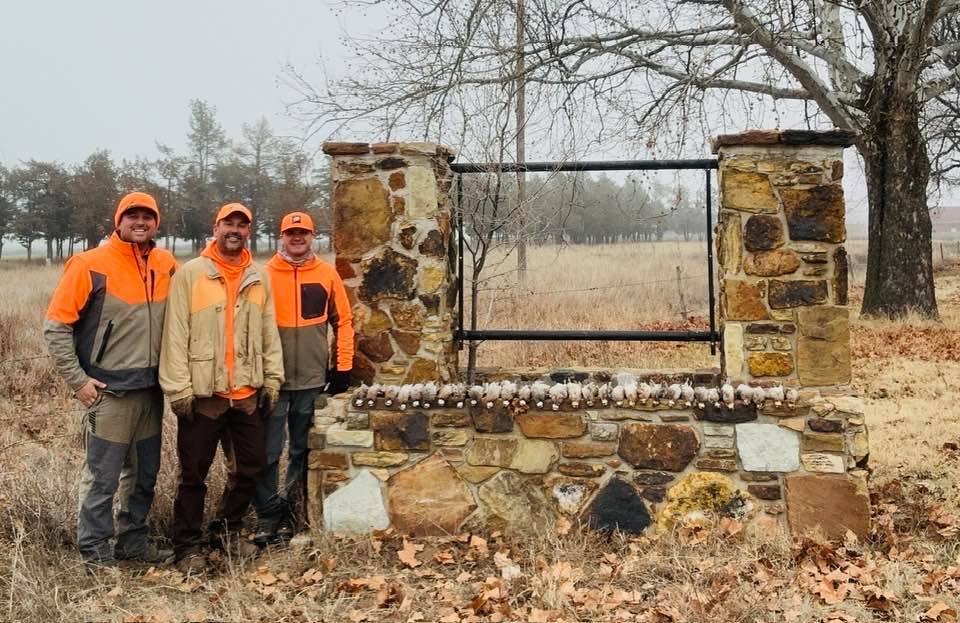
Northwest Oklahoma Quail Hunts
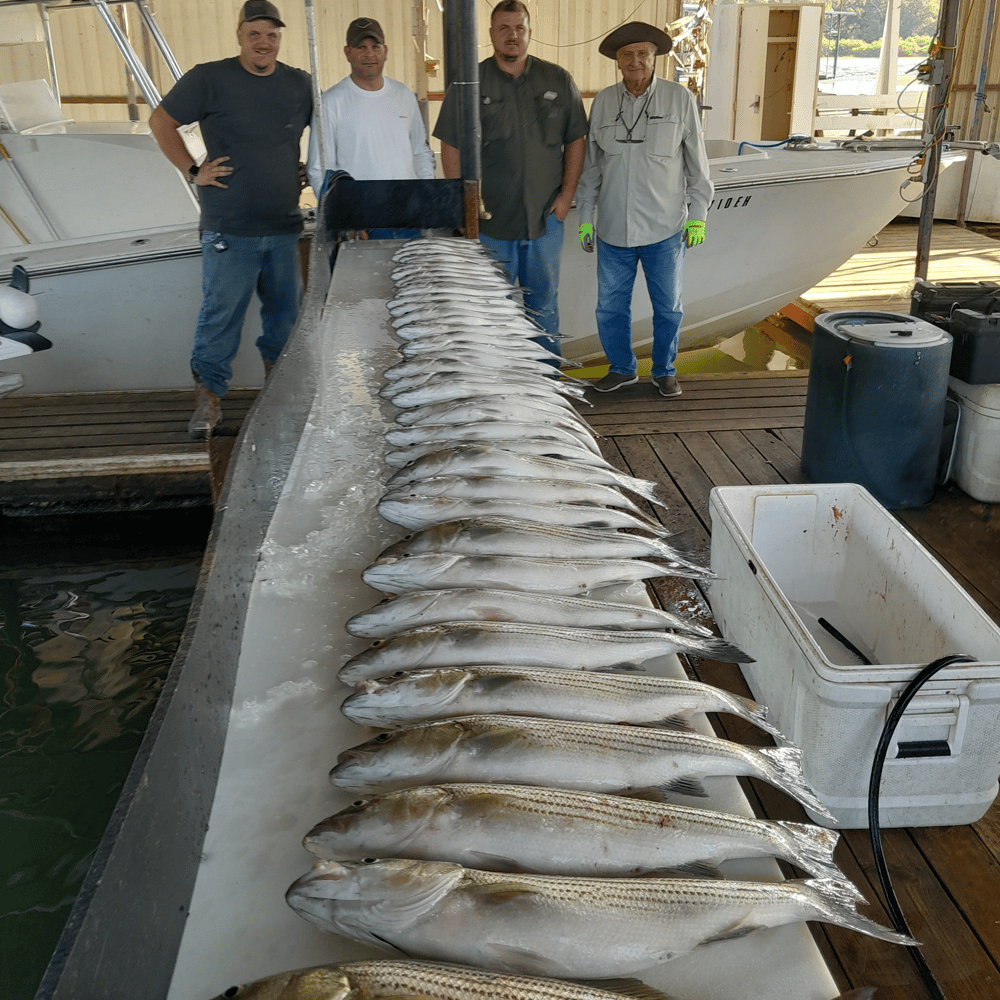
4 Hour Striper (AM Or PM)
Didn't Find What You Were Looking For?
Our guides are Damn Good Guides, which means they’re vetted by our team of outdoor experts who know them on a first-name basis. We hand pick each and every one of them, and our network spans all across the US and beyond.
The proof is in the pudding, and we’re incredibly proud of our 4.9 / 5 average review score. Hit the button below to see more trip options:
Everything to Know About Booking a hunting trip in Oklahoma
What are the best invasive species hunting trips in Oklahoma?
The best invasive species hunting trips in Oklahoma are:
- Deked Down Outfitters guided by Kyle C.
- Western Oklahoma Trophy Outfitters guided by Brett C.
Why should I book an invasive species hunting trip in Oklahoma with Captain Experiences?
Our Damn Good Guides currently offer 3 invasive species trips in Oklahoma, and the most popular trips in the area are Thermal Hog Hunting guided by Kyle, Hog Doggin' TX/OK guided by Kyle, and Oklahoma Thermal Hog Hunt guided by Brett.
All guides on Captain Experiences are vetted by our team. You can access their reviews, click through trip photos, read bios to get to know them, and preview trip details like species, techniques, group sizes, and more.
Looking for kid friendly invasive species guides in Oklahoma? Check out our beginner and family friendly invasive species guides in Oklahoma.
What types of invasive species hunting trips are common in Oklahoma?
The most commonly sought after species for invasive species hunting is hog.
How much does an Oklahoma invasive species hunting trip cost?
Prices for invasive species hunting in Oklahoma can range anywhere from about $1,470 to $8,100, but the average price for a half day trip for invasive species hunting in Oklahoma is $2,169. The average price for a full day trip for invasive species hunting in Oklahoma is $6,250.
Is booking a hunting guide worth the money?
Hiring a guide provides a number of benefits and many choose to book a hunting guide for a combination of experience, local knowledge, convenience, and cost-effectiveness.
Working with experienced hunting guides who know the best local spots and techniques can dramatically increase your odds of a great day. Having someone who is outside every day and knows the area like the back of their hand is going to give you the best chances of success.
Booking a guide is also more cost effective, especially if you only get out a handful of times per year. When you consider all of the costs you would incur on your own such as the price of a boat, maintenance, insurance, gas, high-quality gear, repairs, and more, you’ll find that DIY is sometimes not worth the expense.
Even if you’ve got a great setup already in your backyard, booking a guide also provides a great opportunity to experience new techniques, new locations, or even a chance at a new target species to knock off the bucket list.
What month is best for invasive species hunting in Oklahoma?
The most popular season for invasive species hunting in Oklahoma is fall, and most hunters book their trips 46 days in advance.
Where can I look through all Captain Experiences trips?
See here to browse all the trips we offer.
What is Invasive Species in Oklahoma all about?
Oklahoma’s got a rugged beauty all its own—wide-open prairie, thick bottomland forests, and lakes that stretch to the horizon. But like any place worth protecting, it’s under quiet siege from invasive species that don’t play by the rules. You’ve got saltcedar sucking the life out of riverbanks, feral hogs tearing up farmland like they own it, and silver carp leaping like missiles out of Midwestern waterways. These invaders didn’t show up overnight, but they’re doing real damage—changing the land, pushing out native species, and making it harder for the wild to be truly wild.
Feral hogs are the poster children of Oklahoma’s invasive problem. They’re smart, destructive, and multiplying like wildfire. Ranchers, hunters, and wildlife managers have their hands full keeping them in check—using traps, night hunts, and aerial surveillance to try and stay ahead. Then there’s eastern redcedar, a tree that sounds harmless enough until it starts crowding out grasslands, drying up streams, and turning wide swaths of prairie into fire-prone thickets. It looks green and healthy but it's choking the very roots of the land.
Fighting invasive species in Oklahoma takes more than good intentions—it takes grit, knowledge, and a community of folks who care enough to step in. Whether you're clearing redcedar by hand, joining a controlled burn, or tagging along on a hog hunt, it’s about more than just removal—it’s restoration. Every acre reclaimed is a reminder that Oklahoma's wild heart still beats strong—you just have to be willing to get out there and fight for it.
What are the most popular months to go Invasive Species in Oklahoma?
In Oklahoma, invasive species don’t take the year off—they just change their strategy with the seasons. Come spring, the real green invasion begins. Saltcedar and eastern redcedar start their aggressive spread, soaking up water from streambeds and squeezing out native plants before the heat of summer sets in. This is prime time for land managers and volunteers to start the fight—cutting, burning, and spraying before these invaders get too deep a hold. Catch them early enough, and you’ve got a shot at reclaiming the land.
When the weather cools off in fall and winter, the focus shifts to Oklahoma’s four-legged invaders—feral hogs. The cooler months bring them out in force, rooting through farmland and forest like they own the place. It's when tracking gets easier, night hunts pick up, and traps get set with real purpose. With no season and no limit, it’s open season all year—but cooler temps mean better results and longer days in the field. For those willing to brave the elements, this is when the real work gets done.
The truth is, every season in Oklahoma offers its own battle line when it comes to invasives. Spring and summer are for plant control and burn prep. Fall and winter? That’s hog season and habitat restoration. It’s a year-round effort, and those who show up again and again—mud on their boots, sweat on their brow—are the reason wild Oklahoma still has a fighting chance. Because out here, showing up with purpose matters more than ever.
What techniques are popular for Invasive Species in Oklahoma?
Oklahoma’s got its fair share of invasive troublemakers, and they don’t all come with fangs or claws. Some look downright harmless—like the eastern redcedar. But this thirsty tree is one of the most aggressive threats to the state’s grasslands, sucking up water, crowding out native plants, and fueling wildfires with its oily branches. Then there’s saltcedar, taking over riverbanks and choking out native cottonwoods. In the waterways, silver carp make things even messier—busting into native fish populations and turning a calm paddle into a flying-fish rodeo. And feral hogs? They’re the heavyweight champs of destruction, tearing up everything from pastures to creek beds.
Fighting these species isn’t a one-size-fits-all operation—it’s a gritty blend of old-school know-how and modern tactics. Redcedar? You take a chainsaw to it or join a prescribed burn crew when the weather’s right. Saltcedar gets a similar combo: mechanical removal paired with carefully applied herbicide. As for the hogs, it’s all about trapping, night hunting with thermal scopes, and sometimes even calling in helicopters to cover more ground. Silver carp are harder to eliminate, but bowfishing tournaments and netting efforts are becoming part of the arsenal to keep them in check.
These techniques aren’t glamorous, but they work. They’re built on persistence, sweat equity, and the belief that wild places are worth protecting. It’s the kind of work you don’t do for praise—you do it because you’ve walked the land, seen what’s at stake, and care enough to do something about it. In Oklahoma, the fight against invasive species is less about control and more about commitment—to the land, to the balance, and to the kind of wild that doesn’t need taming, just defending.
What species are popular for Invasive Species in Oklahoma?
If you're looking to do some good while getting your hands dirty, Oklahoma’s got the perfect target: **feral hogs**. These tusked marauders don’t just tear up fields and forests—they wreck ecosystems, spread disease, and compete with native wildlife. The best part? There’s no season and no limit. That means year-round opportunity for hunters and land stewards to step in. Whether it’s running traps, stalking with thermal optics, or teaming up for an aerial hunt, taking out hogs is less about sport and more about restoring balance to the land.
On the water, **silver carp** are turning lakes and rivers into battlegrounds. These high-jumping fish outcompete native species and turn peaceful paddles into chaos. Spring and summer are the best seasons to catch them—literally—by bowfishing or netting in places like the Arkansas and Red River systems. It’s fast, messy, and surprisingly fun. Just bring your aim and a sturdy net, because these fish don’t go down easy. Bonus: removing them helps native fish populations recover and keeps the waterways a little wilder.
If you’re more into the long game, keep an eye out for **nutria**, an invasive swamp rodent that’s been creeping into southeastern Oklahoma. They destroy wetlands and erode banks faster than nature can rebuild. Trapping and small-caliber hunting (where legal) are the name of the game here, especially in cooler months when food is scarce and their patterns are easier to track. Bottom line? Oklahoma’s invasive species aren’t just a threat—they’re an opportunity. An excuse to get outside, give back, and leave the land better than you found it.