Damn Good River Fishing Guides In Choke Canyon Reservoir
Check real-time availability and compare rates on Choke Canyon Reservoir river fishing trips. Confidently book your next day on the water.

Choose a Date
5/5 Average Rating

Damn Good Guides

You will only find quality, vetted guides on Captain Experiences, and we know them all on a first-name basis

Experts Available 24/7

Our US-based team is available 24/7 to help you with any questions or concerns

100% Weather Guarantee

We want to keep everyone safe, so in the case of inclement weather we'll work with you to reschedule at no cost

Recently Booked River Fishing Guides In Choke Canyon Reservoir

Fishing in Destin
Fishing in Destin
Fishing in Destin

River, Lake Fishing in Houston

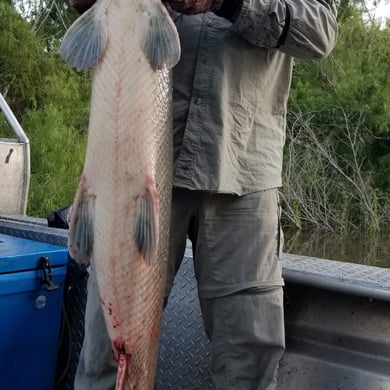
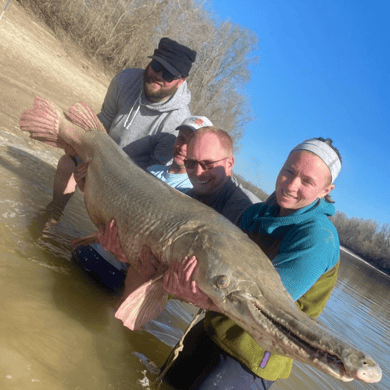
Alligator Gar On Rod & Reel

90% (20)
23 ft 1 - 8 People From $750
Hot Trip
people are viewing this trip.
Fishing in Destin
Fishing in Destin
Fishing in Destin

River, Lake Fishing in Houston

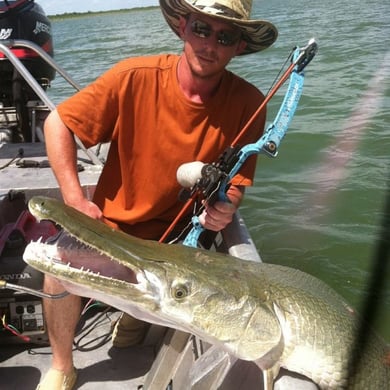
3 Day Alligator Gar Bowfishing

90% (20)
23 ft 1 - 8 People From $3,400
Hot Trip
people are viewing this trip.
Fishing in Destin
Fishing in Destin
Fishing in Destin

River, Lake Fishing in Houston

4-Hour Bowfishing Trip

90% (20)
21 ft 1 - 8 People From $750
Fishing in Destin
Fishing in Destin
Fishing in Destin

River, Lake Fishing in Houston

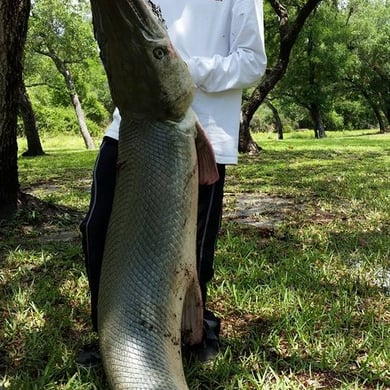
Monster Gar On Rod And Reel

90% (20)
23 ft 1 - 8 People From $750

Top Species for River Fishing in Choke Canyon Reservoir

“Our Damn Good Guides go above and beyond, and we’ve handpicked every single one. We’re passionate about the outdoors and look forward to getting you out on the trip of a lifetime, every time.”

Jonathan and Attison   |   Co-founders   |   Austin, Texas

Need a Place to Stay?

Everything to Know About Booking a fishing trip in Choke Canyon Reservoir

What are the best river fishing trips in Choke Canyon Reservoir?

The best river fishing trips in Choke Canyon Reservoir are:

What is river fishing in Choke Canyon Reservoir all about?

There’s something about the slow roll of the river at Choke Canyon Reservoir that calls to you, especially when the sun is just starting to dip below the horizon, painting the sky with streaks of gold and orange. The water’s calm, but there’s a wildness to it, a promise of fish just below the surface, waiting to bite. The banks are lined with mesquite trees, their twisted limbs casting long shadows over the water, creating the perfect backdrop for an afternoon of fishing. If you’re lucky, you’ll feel the sharp tug of a bass on the line, and for a moment, it’s just you, the river, and the thrill of the catch.

The water at Choke Canyon is known for being both clear and deep, giving anglers the chance to go after a variety of species—from the ever-elusive largemouth bass to the hard-fighting catfish. Early mornings are the best time to cast out, before the heat of the day settles in and the reservoir starts to quiet down. With the right gear, and a little patience, you might just find yourself hooked into something big. And there’s nothing quite like the fight of a bass, its strength testing your skill as it battles to break free. You know it's a moment you’ll remember long after the day’s over.

But fishing in Choke Canyon isn’t just about the fish—it’s about the experience. It’s about that perfect moment when you cast your line into the water and let it drift, the only sound being the occasional splash of a fish jumping. It's about finding that spot, tucked away in the quiet corners of the reservoir, where you can just sit and let the world drift by. Whether you’re fishing from a boat or from the shore, there’s a peace that comes with it, a reminder that sometimes the best days are the ones spent unplugged, waiting for something wild to grab hold of your line.

What are the most popular months to go river fishing in Choke Canyon Reservoir?

When you’re fishing the waters of Choke Canyon Reservoir, you quickly learn that the seasons aren’t just about weather—they’re about rhythm. Spring hits and it’s like the whole place comes alive. The bass are in the shallows, moving in for the spawn, making the early mornings on the water some of the best you’ll find all year. The air is still crisp, but the promise of the warm days ahead is in the breeze. You’ll find yourself casting along the shallow flats, watching your line dance in the current as the fish get hungry, gearing up for their next big move. It’s a time when patience is rewarded, and if you’ve timed it right, your chances of a big catch are as high as they’ll be all year.

As summer takes hold, the heat turns up, but so does the action. The fish are deep, hanging out in the cool, shaded parts of the reservoir. The morning bite is still solid, but once the sun rises high, it’s all about staying sharp, working your bait slower and deeper. There’s something about the slow drag of your line through the warm water that feels like a challenge, but it's one you’ll chase all day. Catfish begin to show up more regularly, too, and while they might not fight like a bass, they make up for it with pure grit. And if you're lucky enough to catch one, you'll quickly find there's no shortage of excitement in reeling them in.

Then, when fall rolls around, Choke Canyon turns into something different. The water cools off, and the fish start to transition back toward the shallows, feeding up before winter sets in. The crowds thin out, leaving behind that sense of solitude only the cooler months can bring. The lake’s quieter now, and with fewer boats on the water, you get a chance to stake your claim on your favorite spot. The fish are on the move, and it's prime time for those who know how to read the water. By winter, the fishing slows down, but if you’ve been around long enough, you know that even in the chill, there’s still a quiet satisfaction in casting your line and waiting for the pull—because, in Choke Canyon, the seasons are never just about fishing; they’re about living the rhythm of the water, one cast at a time.

What techniques are popular for river fishing in Choke Canyon Reservoir?

River fishing at Choke Canyon Reservoir isn’t just about casting a line and waiting; it’s about understanding the water and knowing what technique to use. Whether you’re targeting the powerful largemouth bass or chasing after the sneaky catfish, you’ve got to adapt. One of the most rewarding methods here is fishing with soft plastics. A Texas rigged worm or a Carolina rig can be deadly, especially when you’re working the submerged structure. The bass love to hide out in the deep brush piles, and with a little patience and the right technique, you’ll feel that unmistakable tug. Work your way around the banks and drop-offs, letting the worm slowly drift along the bottom—it’s a game of inches, but it can pay off big.

For those days when you want a little more action, crankbaits and spinnerbaits are your best friends. The shallow flats around Choke Canyon come alive during the spring and fall, and that’s when these fast-moving lures really shine. Throw them out, crank them in, and keep the retrieve steady—let the vibrations do the work as they mimic baitfish trying to escape. The key is speed and location. Hit those transition zones between shallow and deep, or cast along the edges of submerged vegetation where fish like to ambush their prey. The fight is fast, the action is constant, and it’s a great way to get your adrenaline going on those warmer days.

And then, there’s the art of catfishing—a whole different beast at Choke Canyon. Whether you’re drifting a live bait or using cut shad, the catfish here are known for their tenacity. The deep water and cooler temps mean you’ll be fishing a little differently, often from a boat, anchored near a drop-off or submerged structure. If you’re not into the waiting game, consider using a slip-sinker rig, which lets your bait sink slowly into the strike zone. The key to success? Finding those deep pockets where the catfish like to hole up, then being patient enough to let them take the bait. And when you feel that heavy pull on your line, there’s no denying that this is a fight worth having. Whether you're throwing fast-moving lures for bass or slowing things down for a catfish, the techniques at Choke Canyon are as varied as the fish you’ll reel in.

What species are popular for river fishing in Choke Canyon Reservoir?

Choke Canyon Reservoir is one of those places that keeps you coming back, with a diverse mix of species that offer something for every angler, whether you’re a seasoned pro or just getting started. The most popular catch here? Largemouth bass. These fish are the real draw, and for good reason—they’ll put up a fight like you’ve never experienced. Whether you’re tossing a jig or working a soft plastic, the bass in Choke Canyon are as smart as they are aggressive. You’ll find them in the shallows during the spring, making it the perfect time to chase after them, but they can be found all year round. If you’re looking for that hard pull on your line and the satisfaction of outsmarting a worthy opponent, this is where you want to be.

But Choke Canyon’s waters aren’t just about bass. If you’re after something with a little more grit, the catfish here will give you a run for your money. The reservoir’s deep, cool waters are perfect for these bottom-dwelling creatures. You’ll want to target them in the early morning or late evening, and a slip-sinker rig with some cut bait or live shad is often the trick. They don’t fight as fast as bass, but once you hook into a big one, you’ll understand why catfish are loved for their raw, stubborn strength. These guys like to hang around deeper waters, near drop-offs or submerged structures, and there’s no rush to reel them in—sometimes it’s all about the waiting game.

And if you’re looking for something a bit more off the beaten path, Choke Canyon has a solid population of crappie and striped bass that can add a little variety to your day. Crappie fishing is perfect when you’re after a quieter day on the water, especially in the winter months when they move into the shallows. They’re a little tricky to hook, but once you’ve dialed in on the right jig or minnow presentation, they’re a blast to catch. As for striped bass, these guys are known for their aggressive nature and their size—if you’ve got the right gear and a little persistence, you could find yourself reeling in one of the biggest fish in the reservoir. Whether you’re after bass, catfish, or something a bit more unique, Choke Canyon offers a diverse fishing experience that never gets old.

Recent Reviews

  • ★★★★★
    Awesome experience! Caught around 10 gar, he really knows what he’s doing. Super chill and professional. I’ll definitely book with him again!

    Mateo C. | June 22, 2025

    Trip: Alligator Gar On Rod & Reel

  • ★★★★★
    Mark was a great guide. I’ve been on many charters but Mark definitely took things to a whole new level. He made sure we caught a fish and helped us the entire catch. Mark is very knowledgeable in his craft and I’ll definitely be returning to him in the near future.

    Ric L. | June 17, 2025

    Trip: Alligator Gar On Rod & Reel

  • ★★★★★
    Very satisfied with the trip we did with Mark. He was very knowledge and worked hard to get us in the fish. Very personable with a great attitude, and the supplied gear worked great. Would not hesitate to book with him again!!!

    Jason H. | November 29, 2023

    Trip: 4-Hour Bowfishing Trip

Other Types of Fishing in Choke Canyon Reservoir

Featured Cities

Didn't Find What You Were Looking For?

Our guides are Damn Good Guides, which means they’re vetted by our team of outdoor experts who know them on a first-name basis. We hand pick each and every one of them, and our network spans all across the US and beyond.

The proof is in the pudding, and we’re incredibly proud of our 4.9 / 5 average review score. Hit the button below to see more trip options:

Enter to Win a

$500 DAMN GOOD GIFT CARD

Gift Card

Sign up to win $500 towards ANY trip. Winners drawn monthly.

By subscribing, you agree to receive marketing communications from Captain Experiences. To opt-out, click the unsubscribe button at the bottom of our emails. Privacy Policy and Terms & Conditions

See All River Trips in Choke Canyon Reservoir