Recently Booked Inshore Fishing Charters In The Pacific Ocean
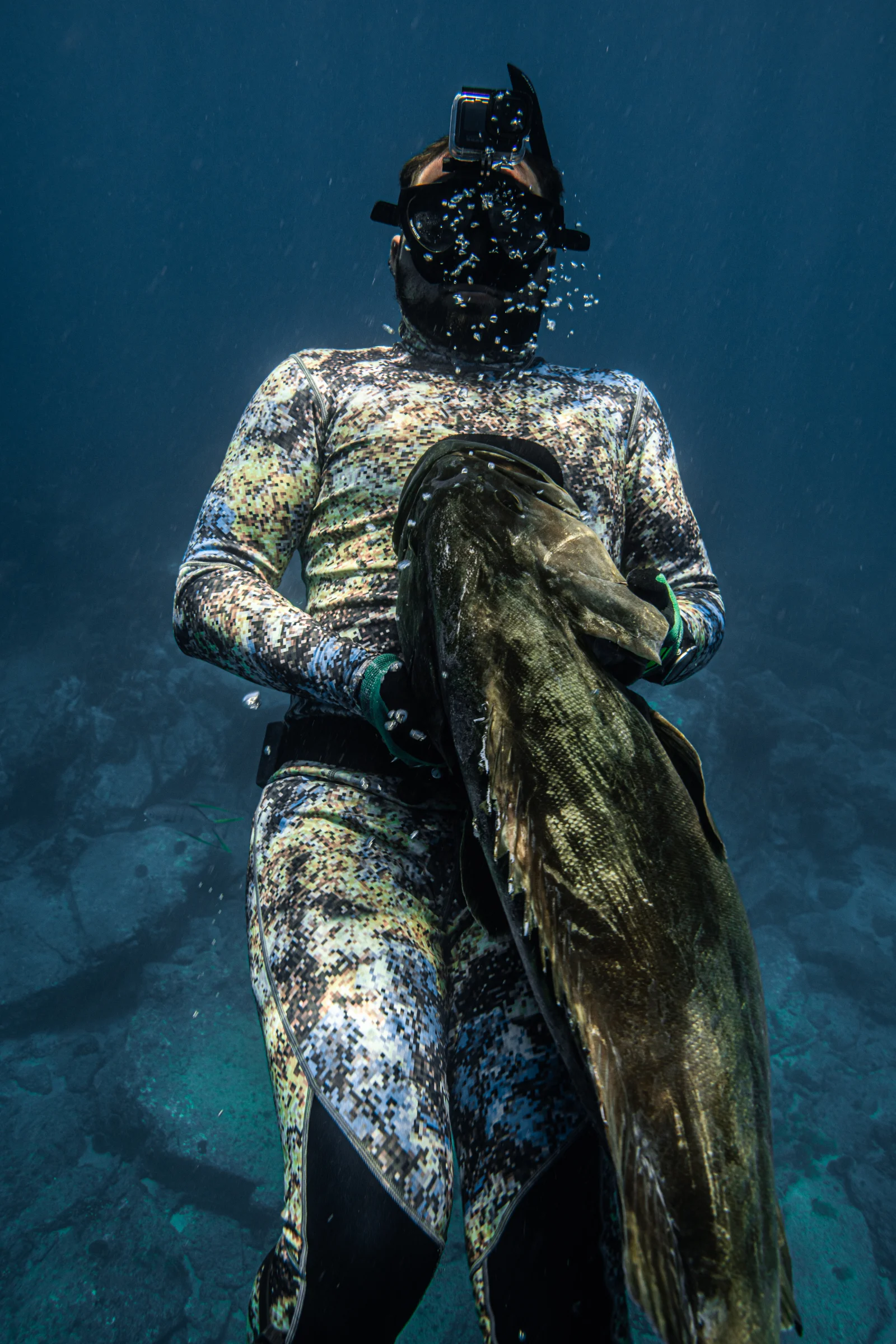
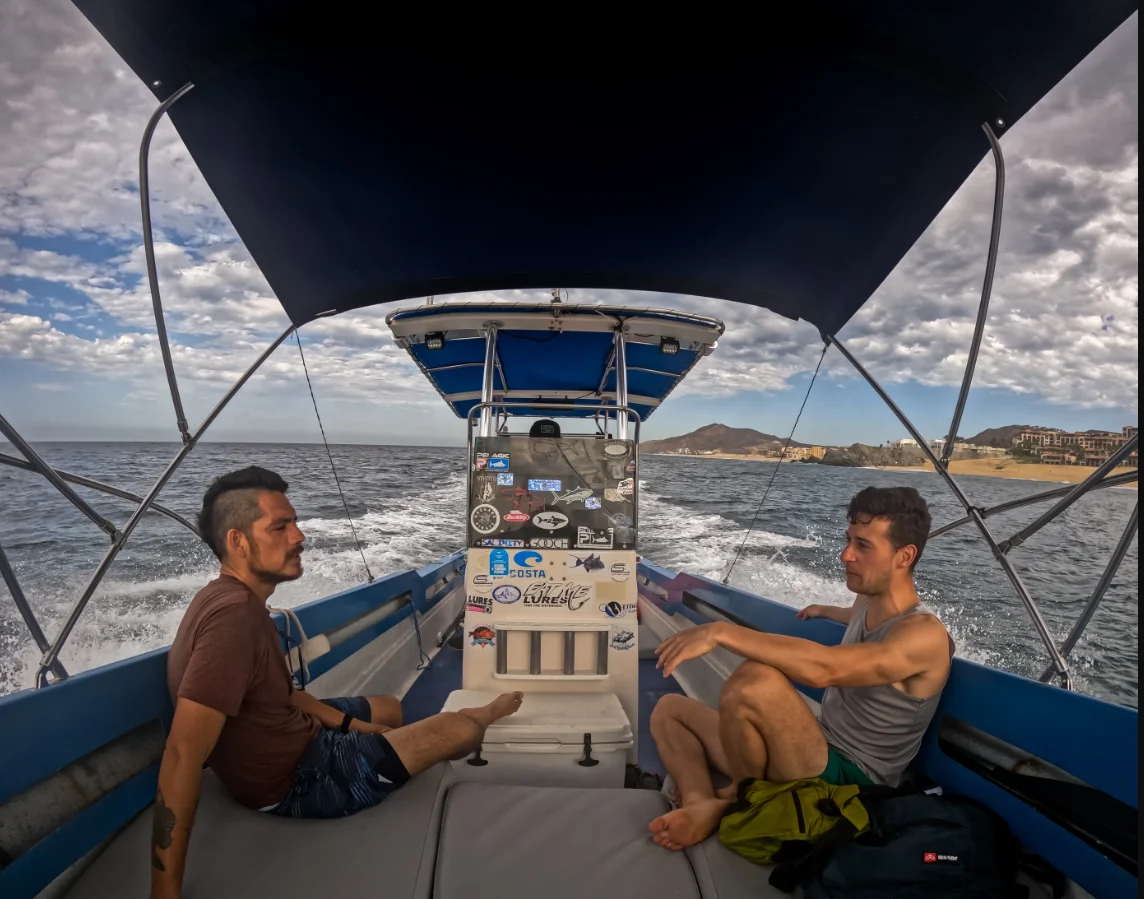
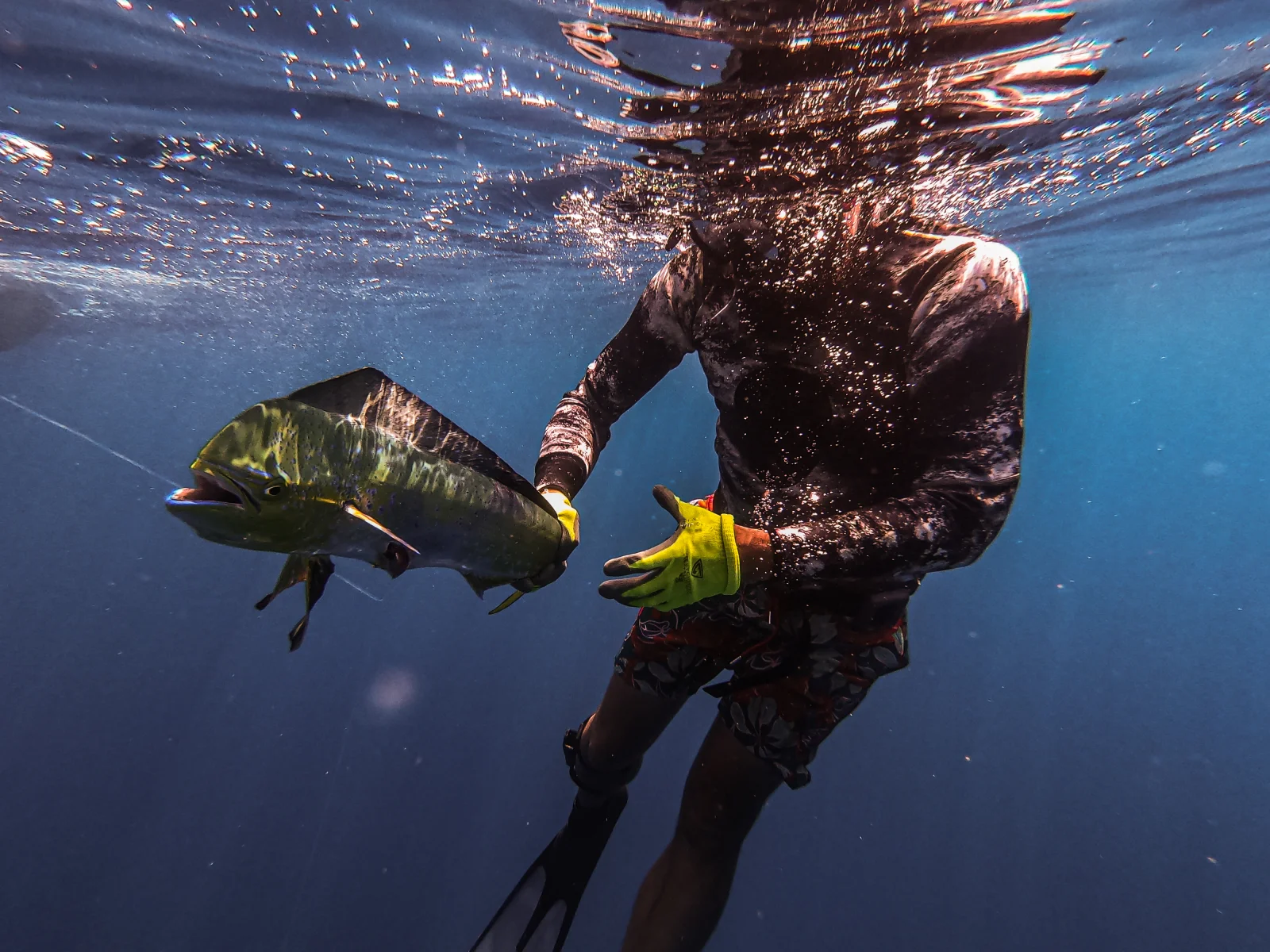
Inshore, Deep Sea, Nearshore in Cabo San Lucas
Spearfishing Baja
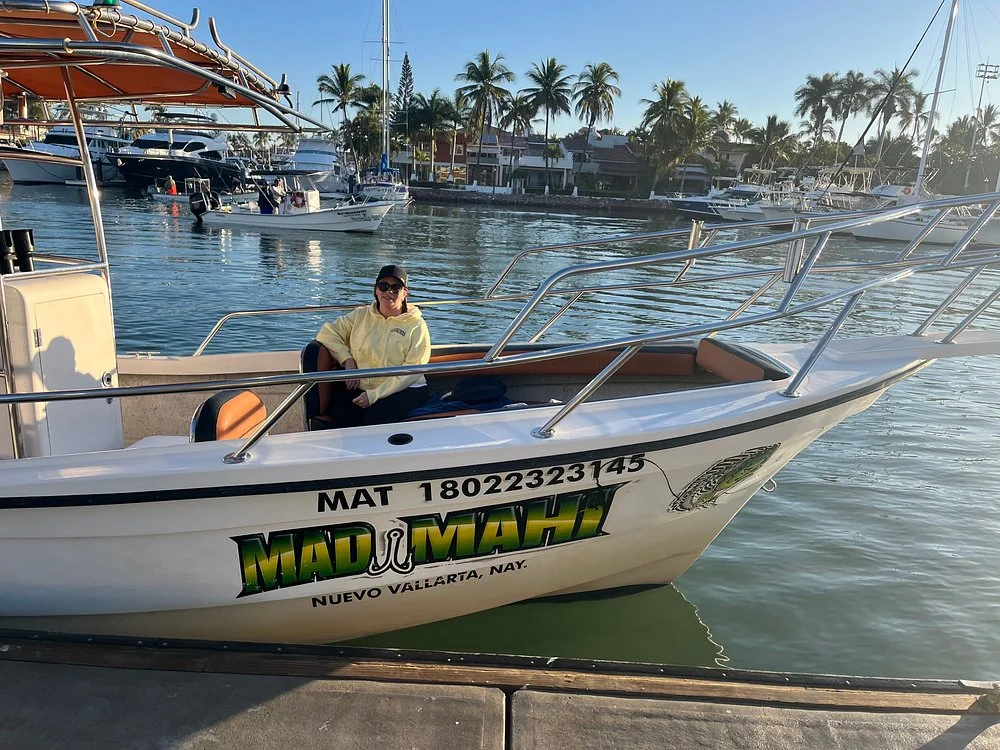
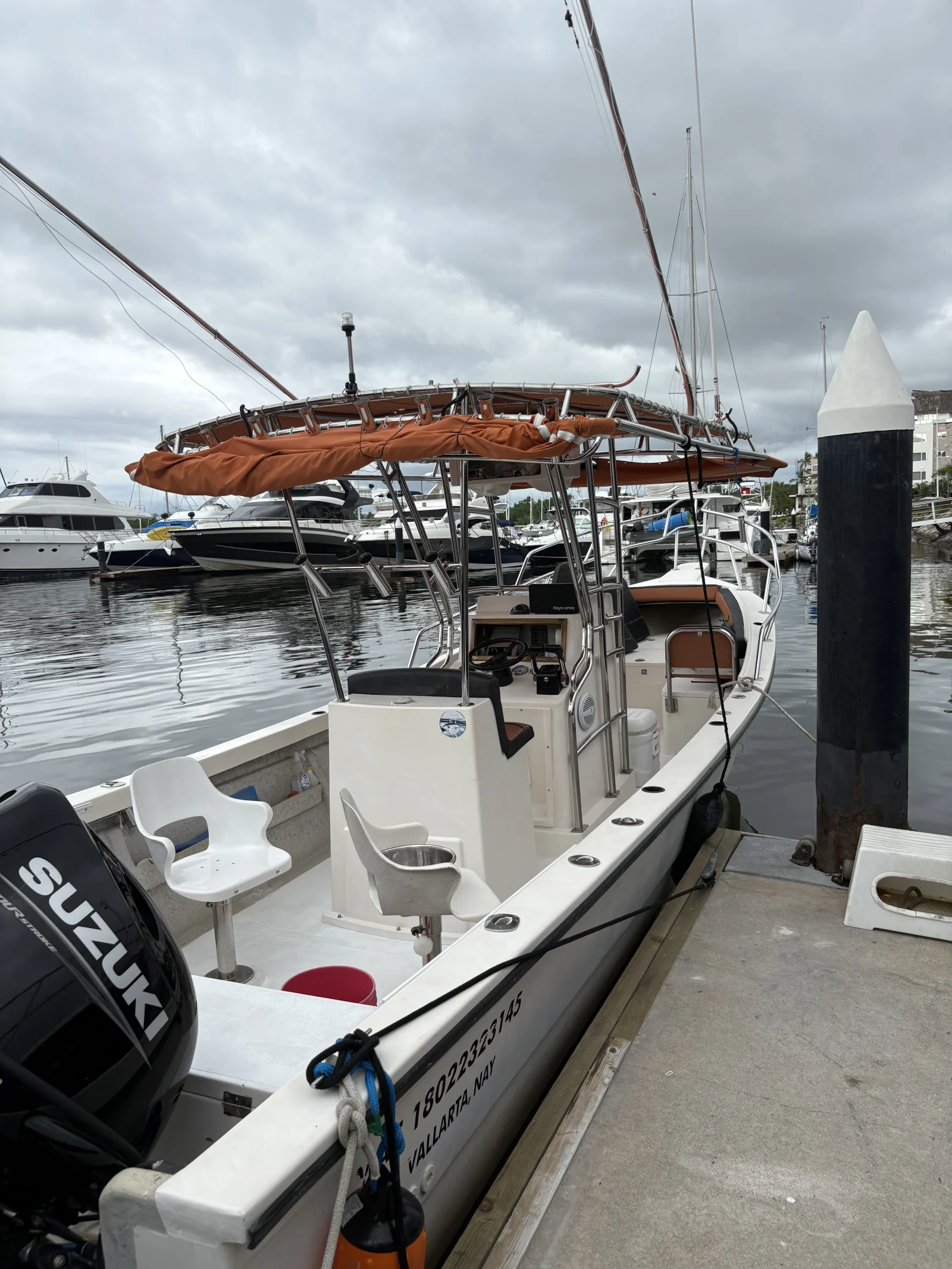
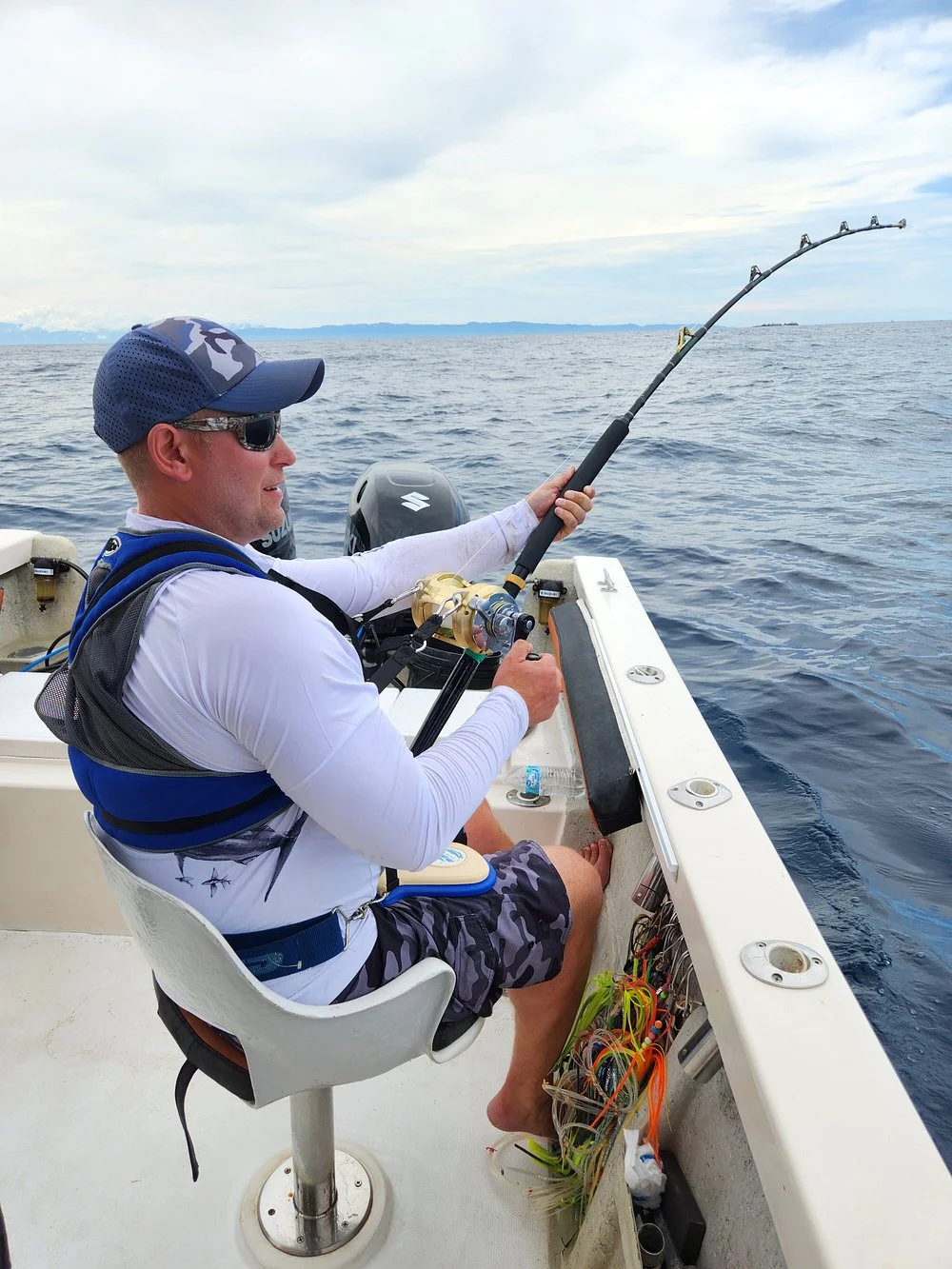
Inshore, Deep Sea Fishing in Punta Mita
Punta Mita Fishing Trip 4-6 Hrs
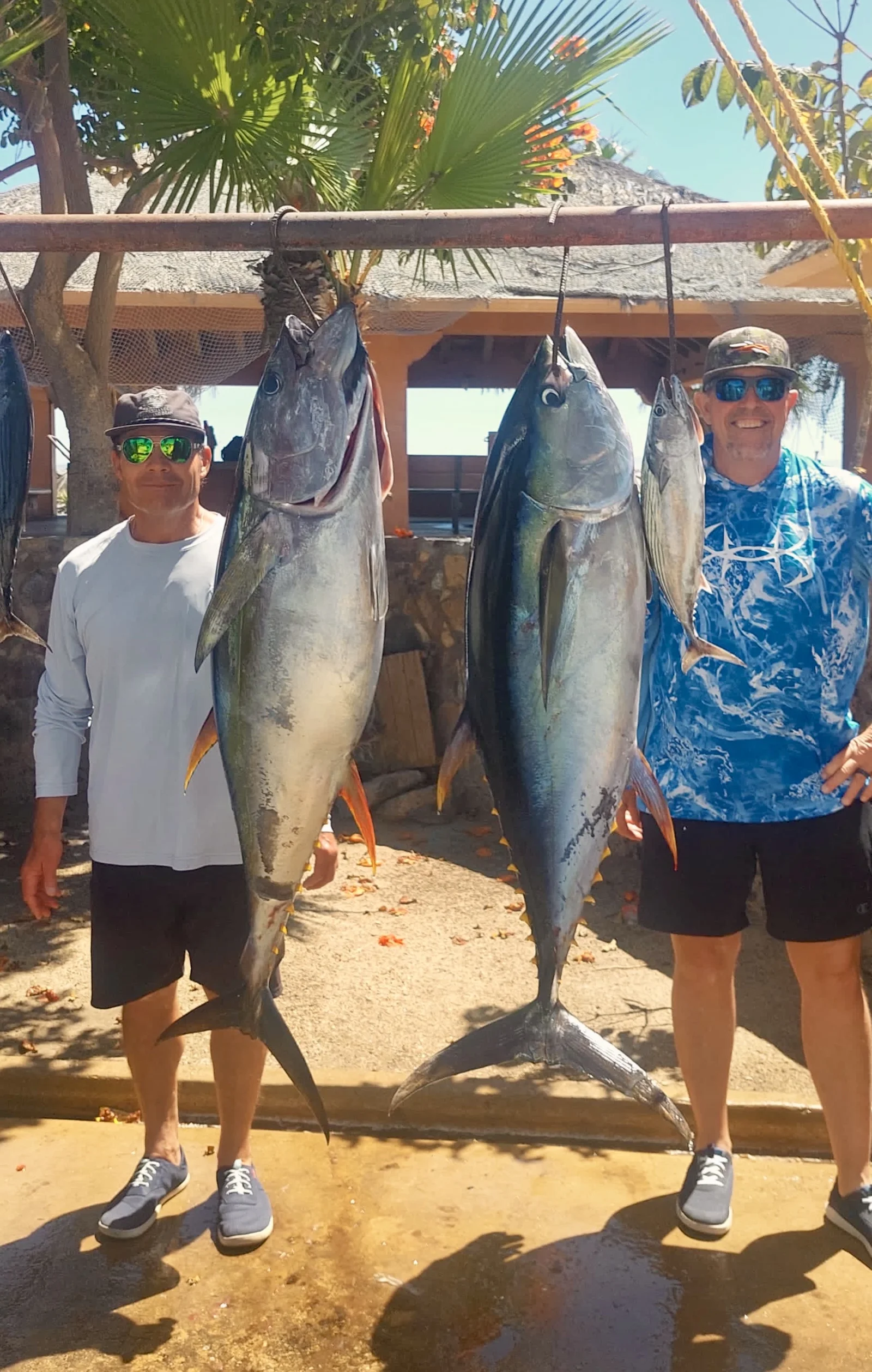
Inshore, Deep Sea, Nearshore in San José del Cabo
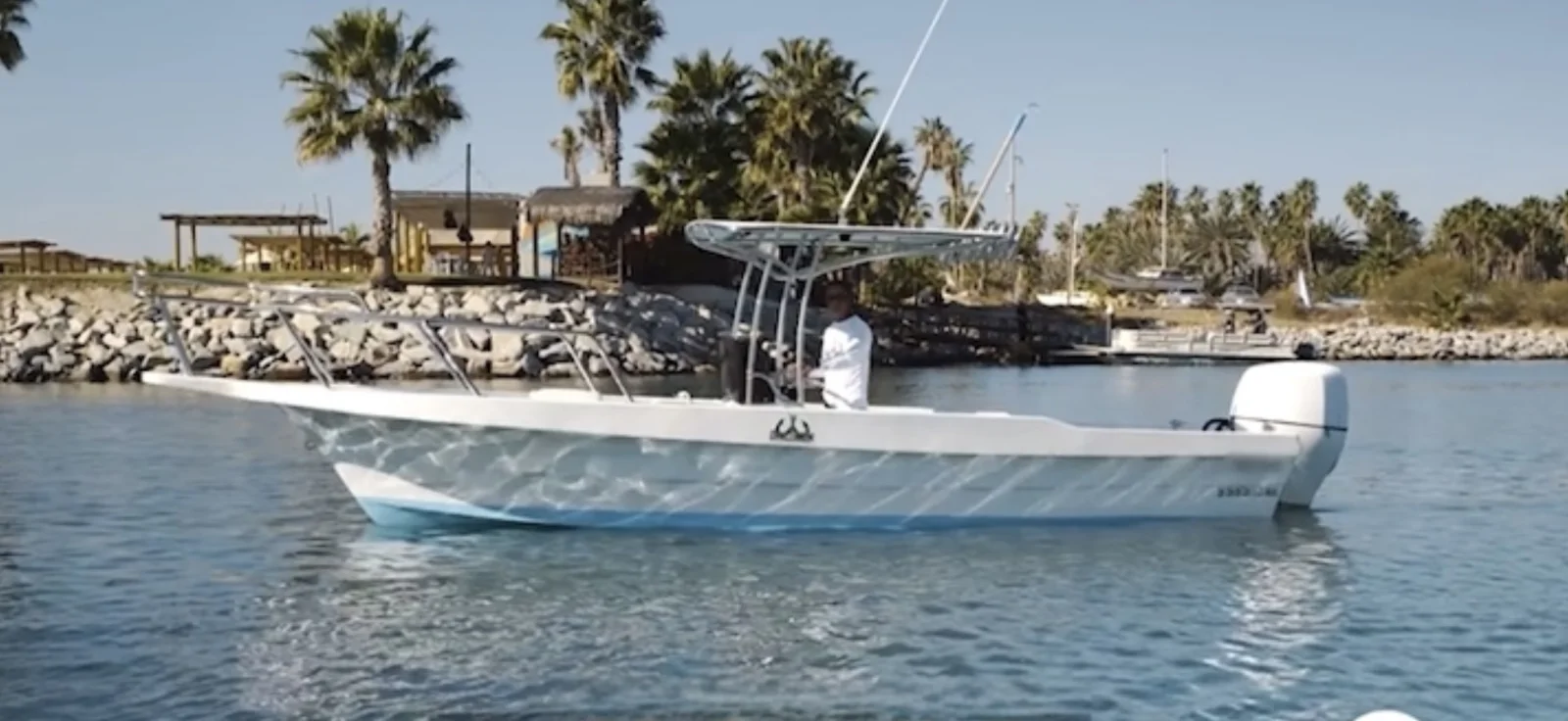
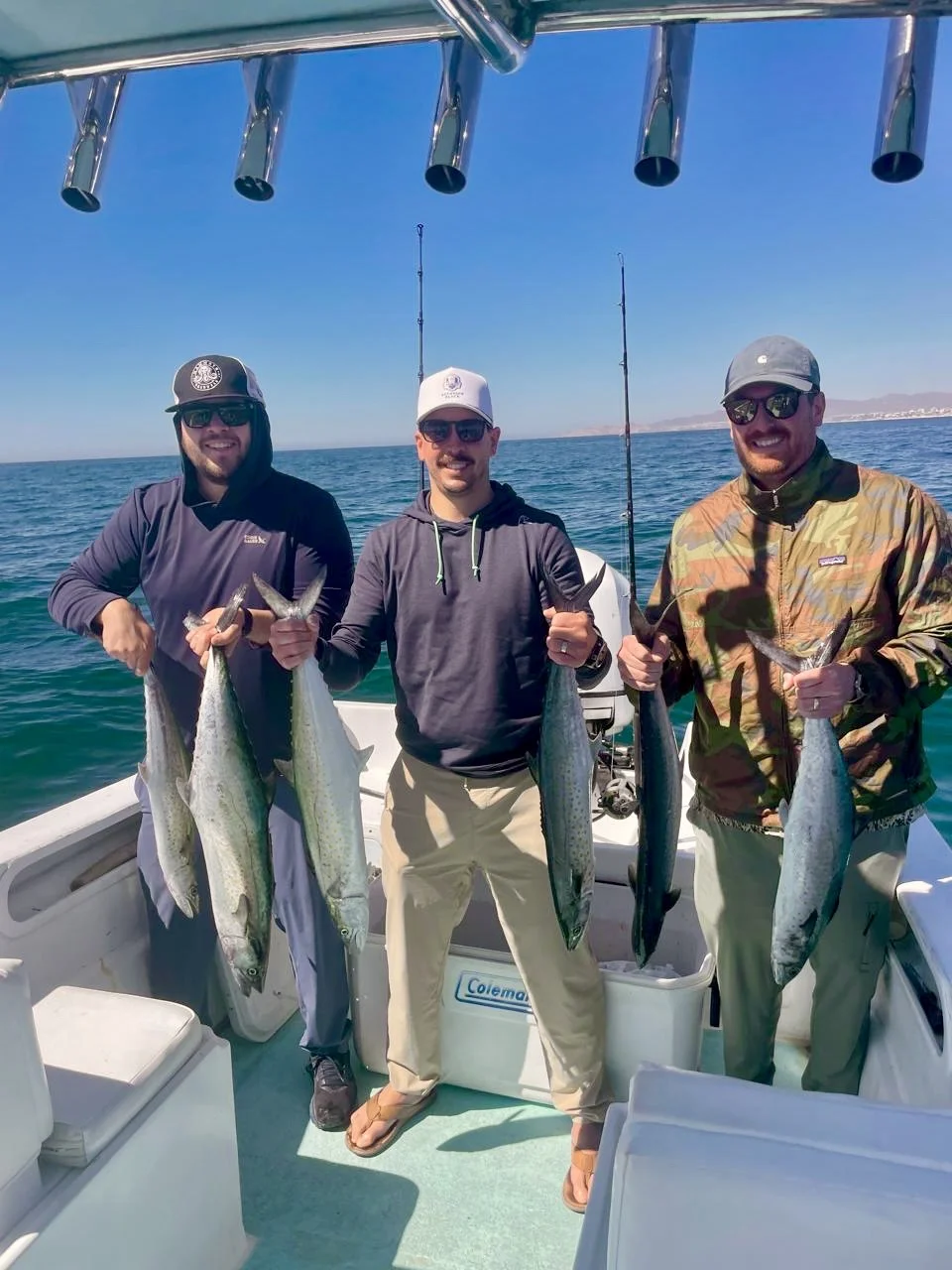
Súper Panga 26ft With Toilet
Inshore, Deep Sea Fishing in Nuevo Nayarit
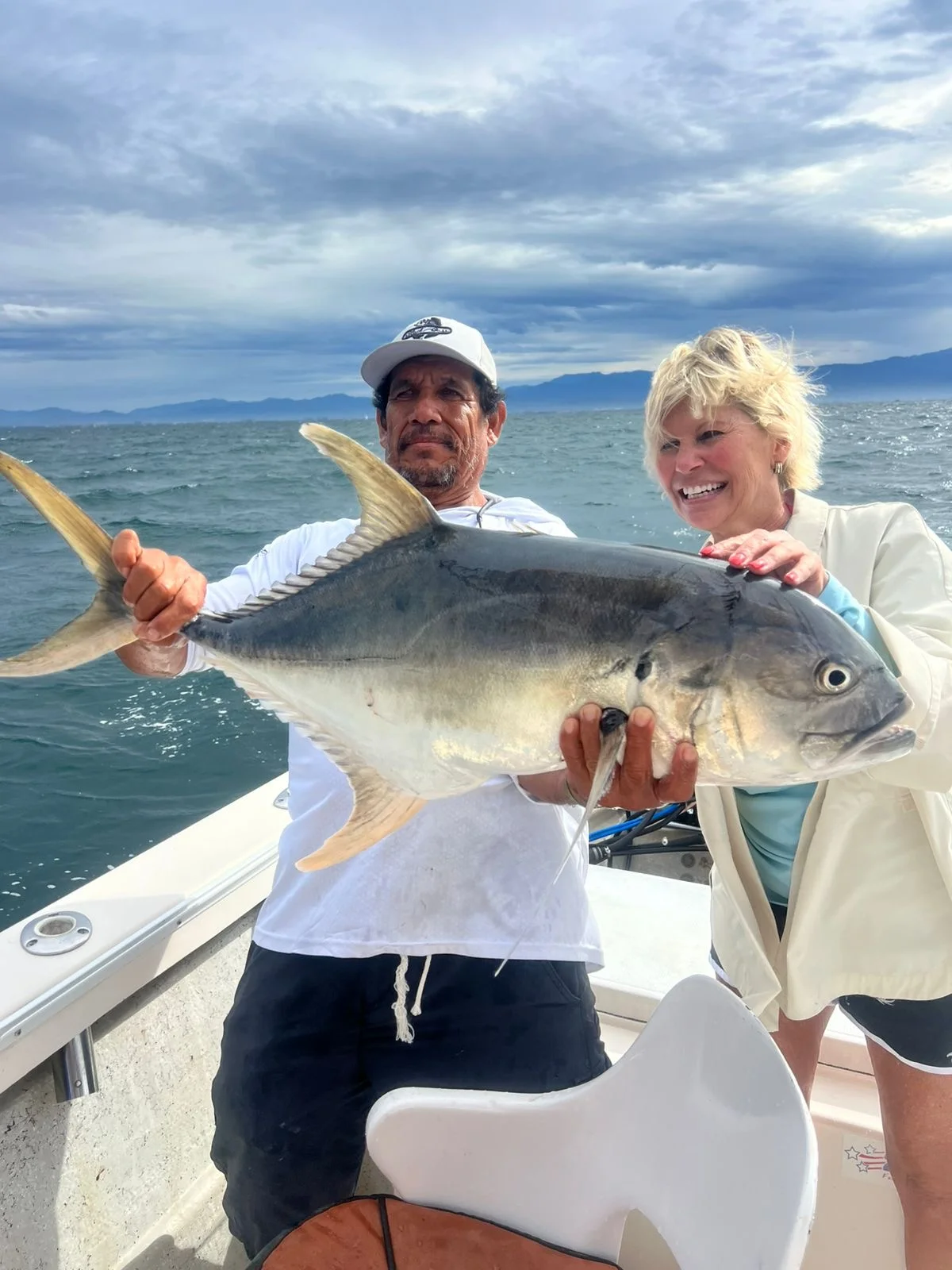
4-6 Hrs Fishing Trip NV
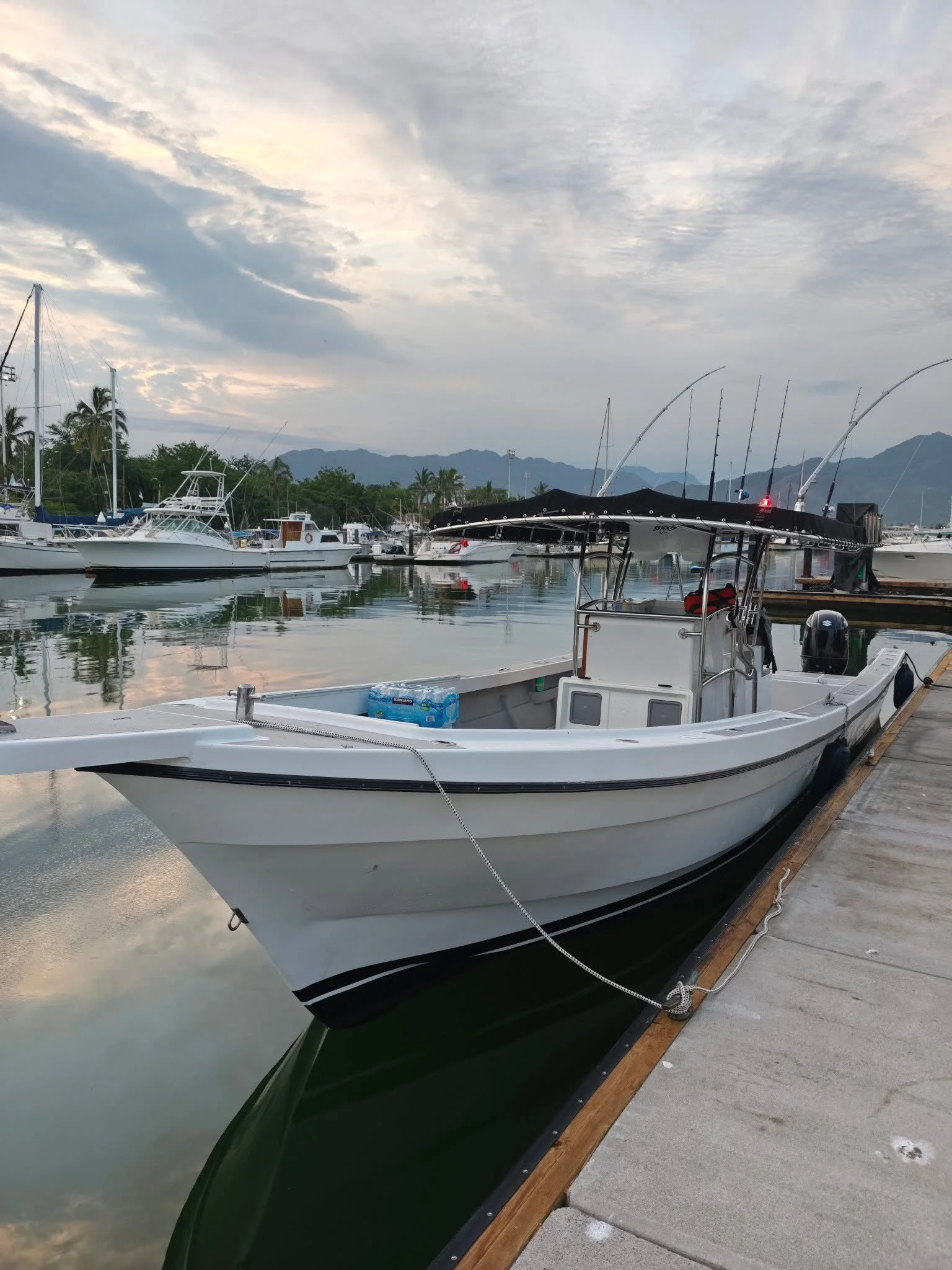
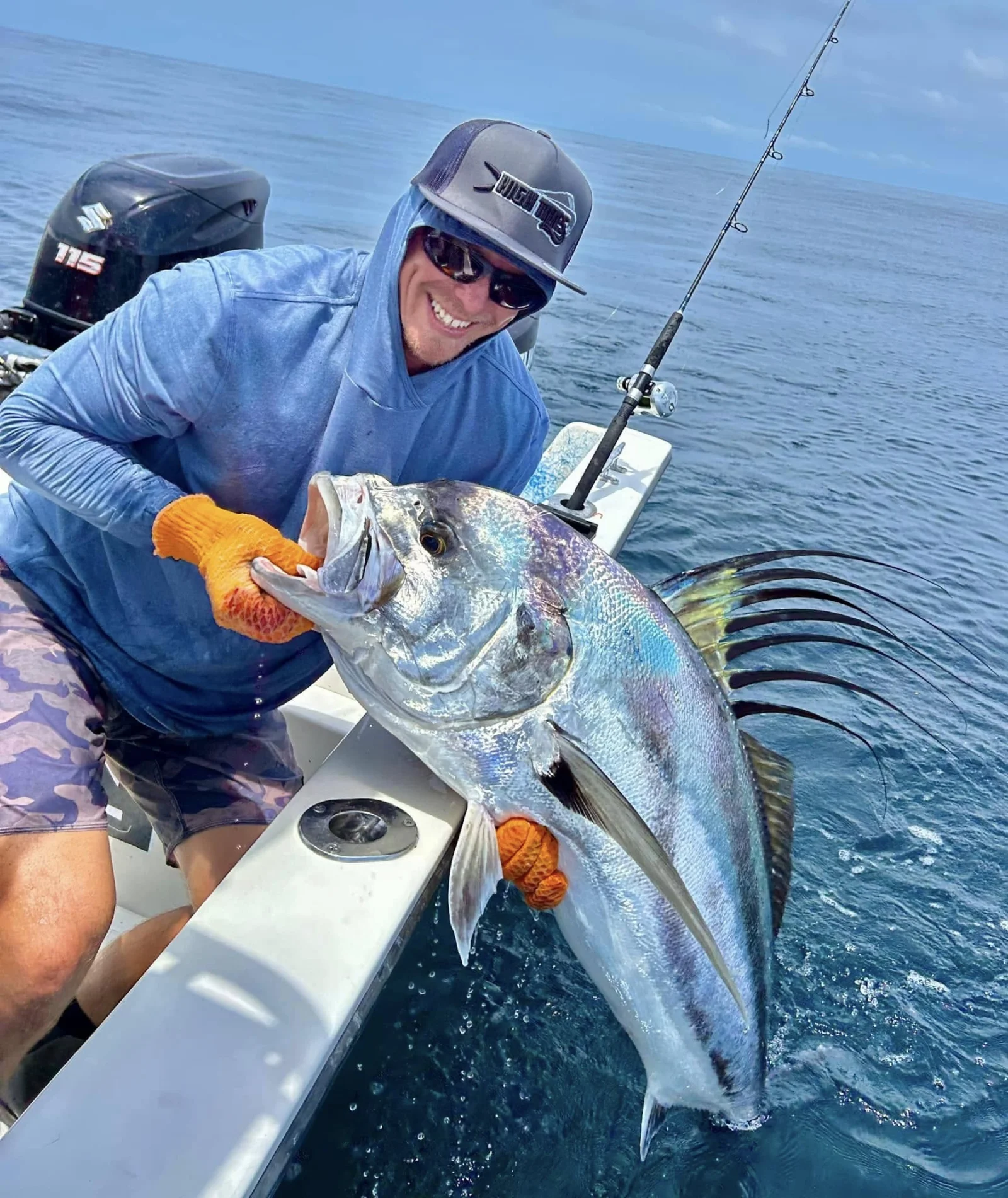
Inshore, Deep Sea, Nearshore in Puerto Vallarta
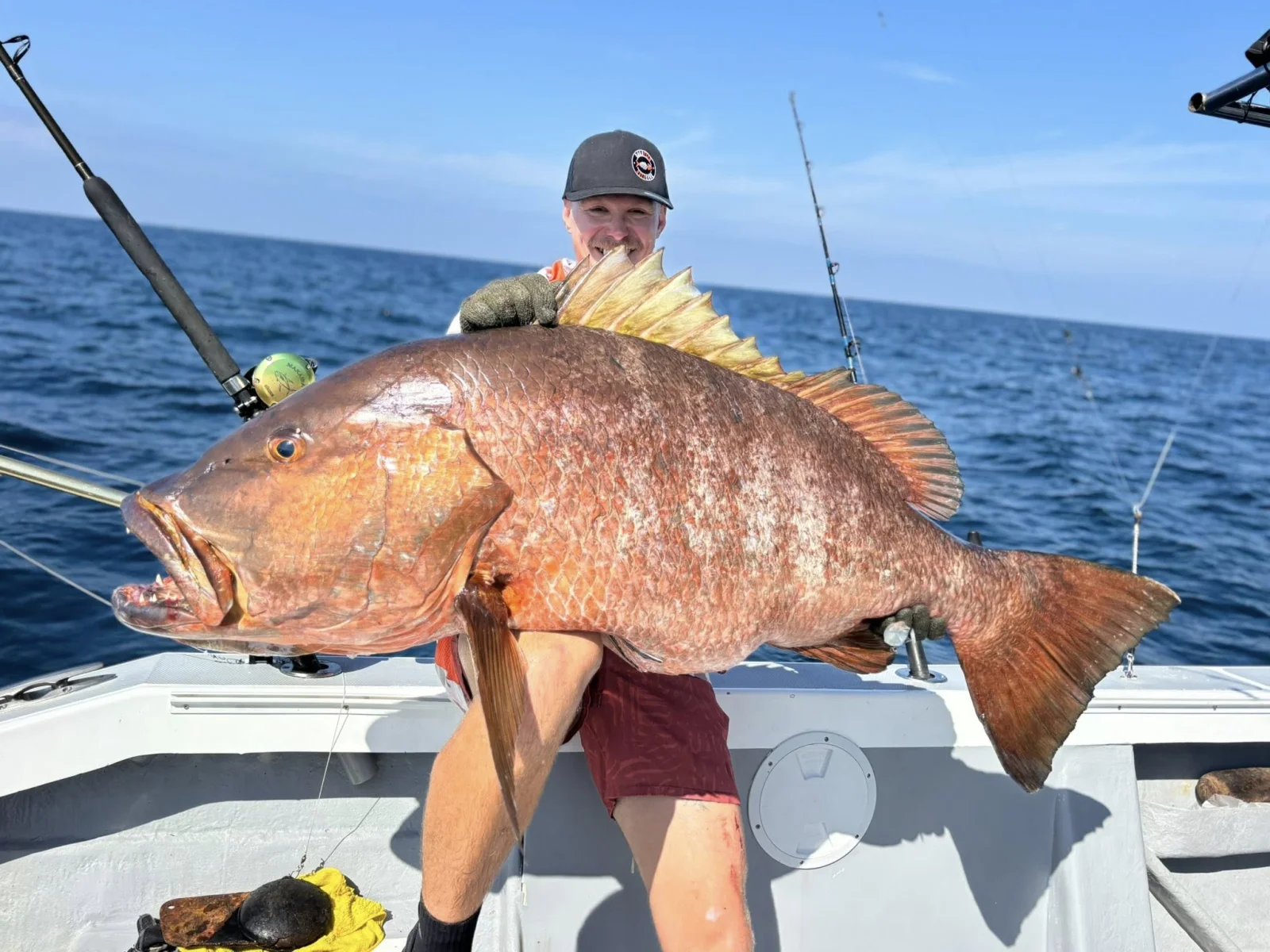
33 Ft Center Console
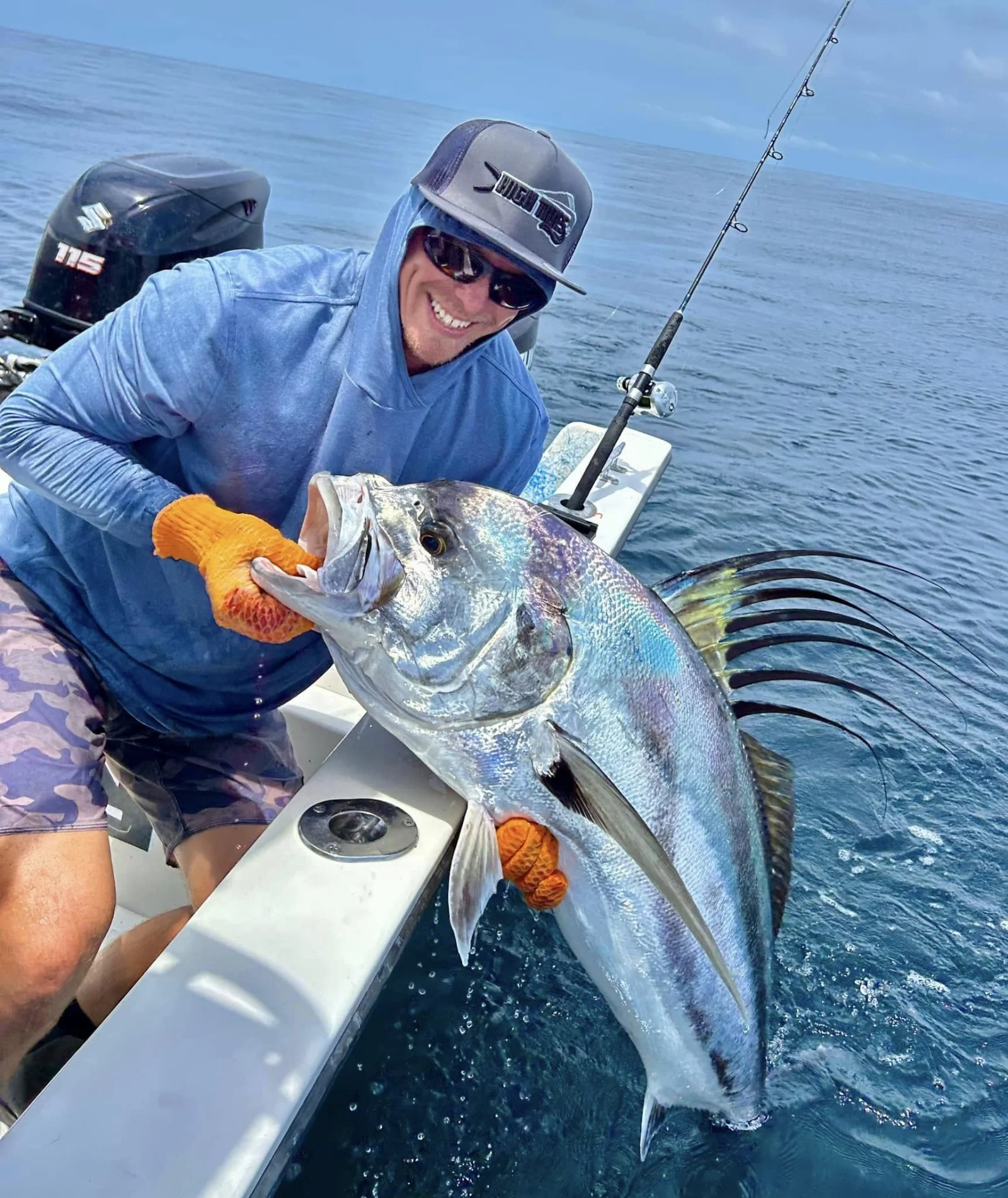
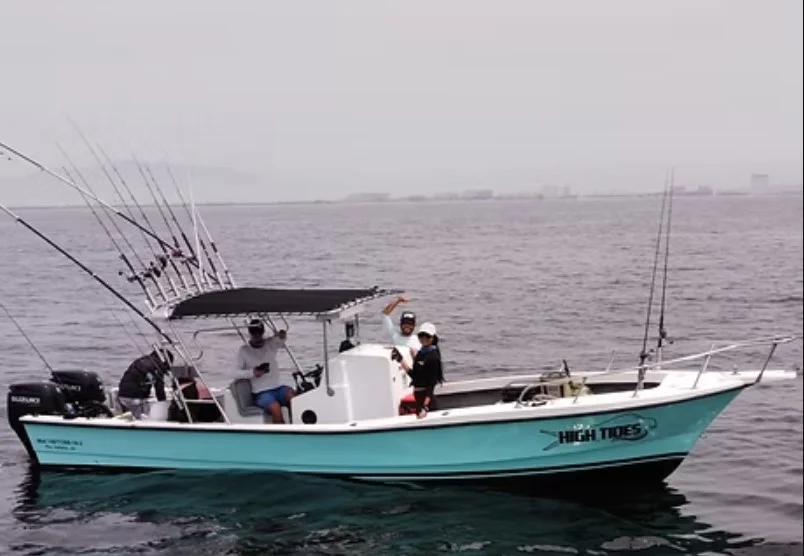
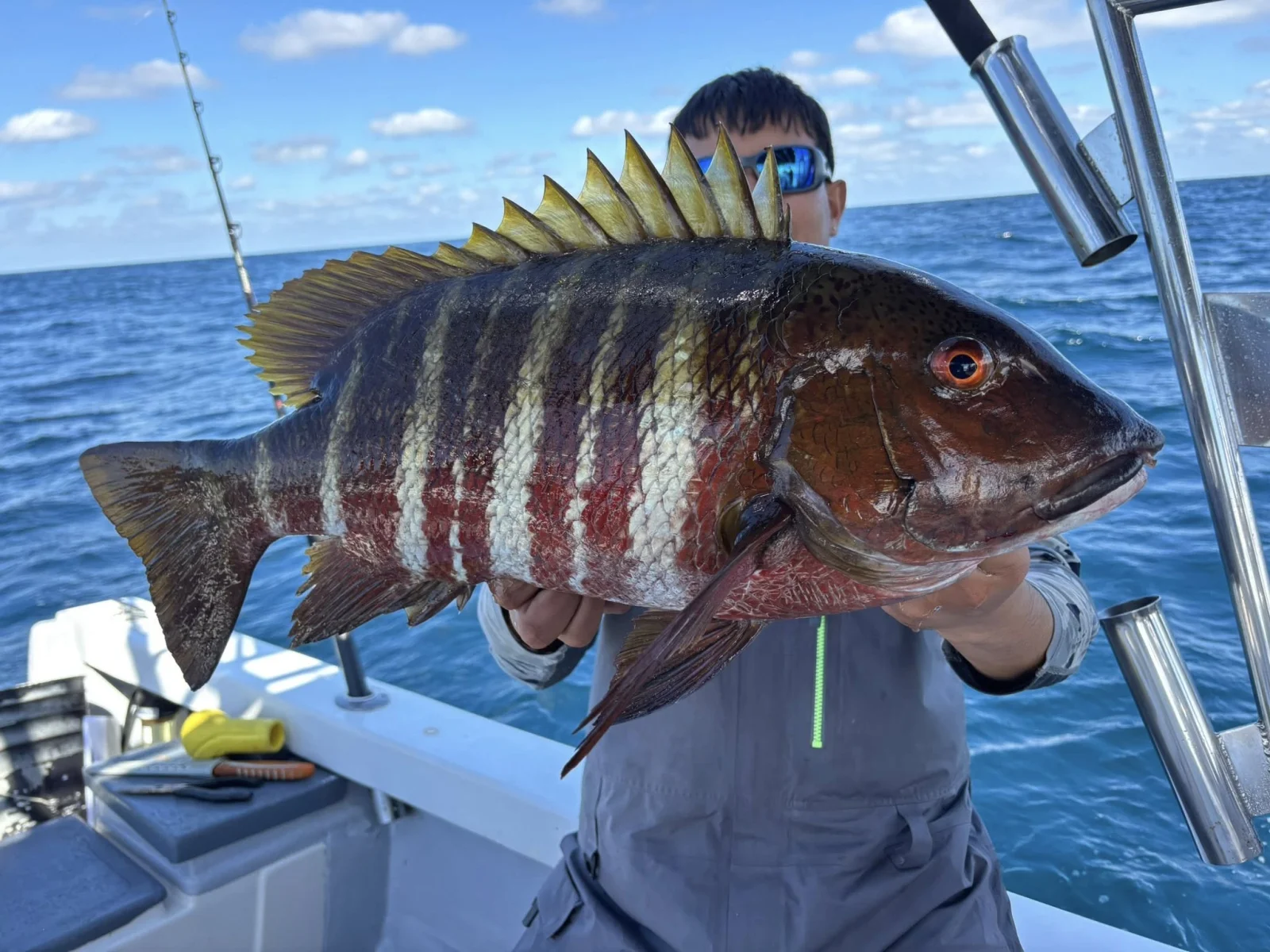
Inshore, Deep Sea, Nearshore in Puerto Vallarta
Puerto Vallarta Panga Trips
What makes Captain Experiences Damn Good?
Damn Good Guides
You will only find quality, vetted guides on Captain Experiences, and we know them all on a first-name basis.
Experts Available 24/7
Our US-based team is available 24/7 to help you with any questions or concerns.
100% Weather Guarantee
We want to keep everyone safe, so if the weather is bad we'll work with you to reschedule at no cost.
4.9 / 5 Average Rating
We hand pick our Damn Good Guides, and our network spans across North America and beyond.
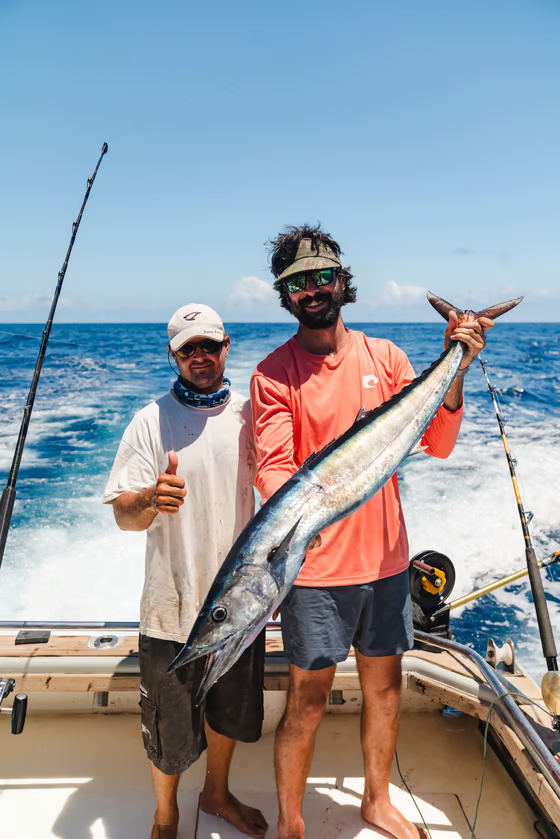
“Our Damn Good Guides go above and beyond, and we've handpicked every single one. We're passionate about the outdoors and look forward to getting you out on the trip of a lifetime, every time.”
Jonathan and Attison | Co-founders | Austin, Texas
Top Species for Inshore Fishing in the Pacific Ocean
More Inshore Fishing Charters In The Pacific Ocean
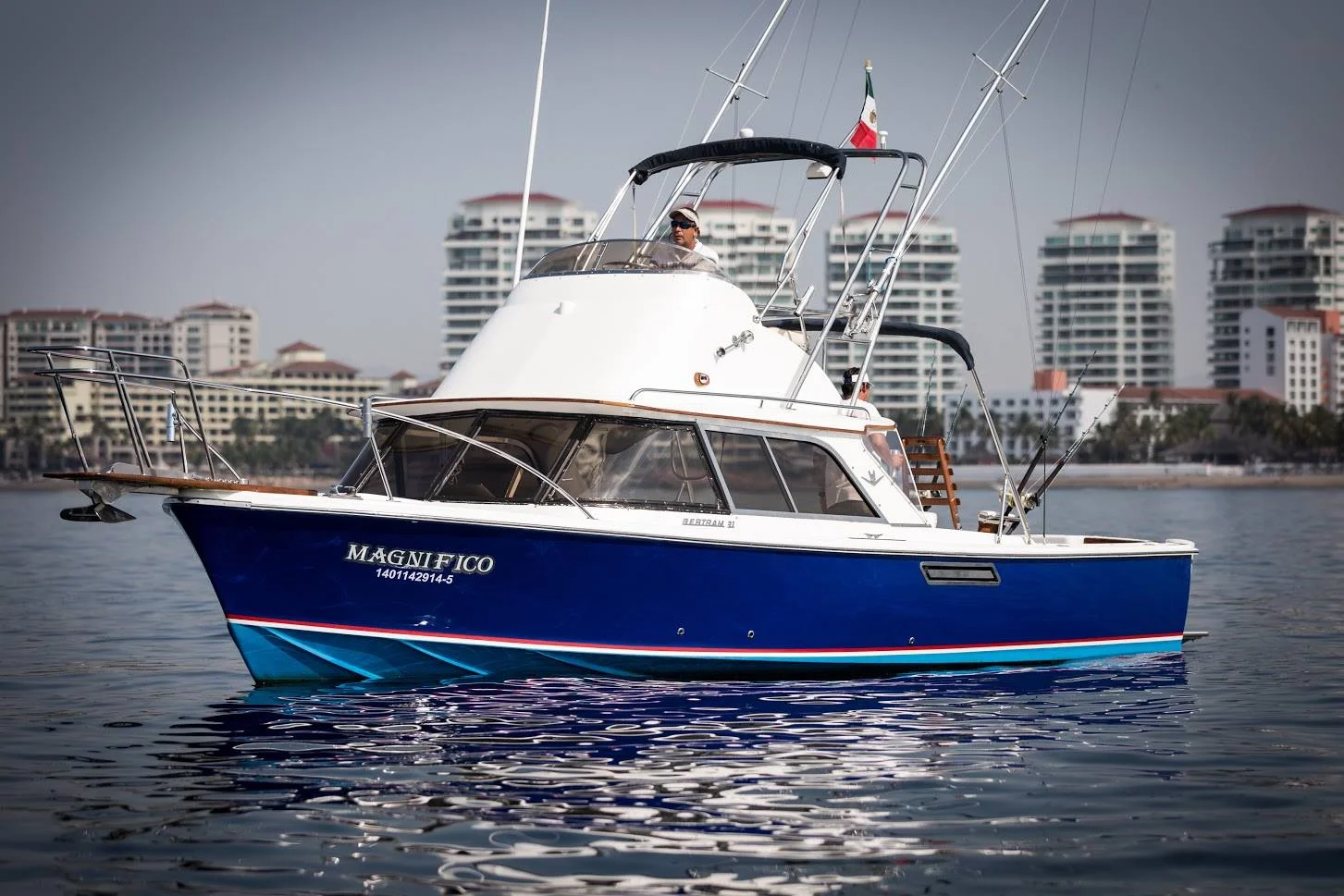
Inshore, Deep Sea Fishing in La Cruz de Huanacaxtle
Inshore Fishing La Cruz
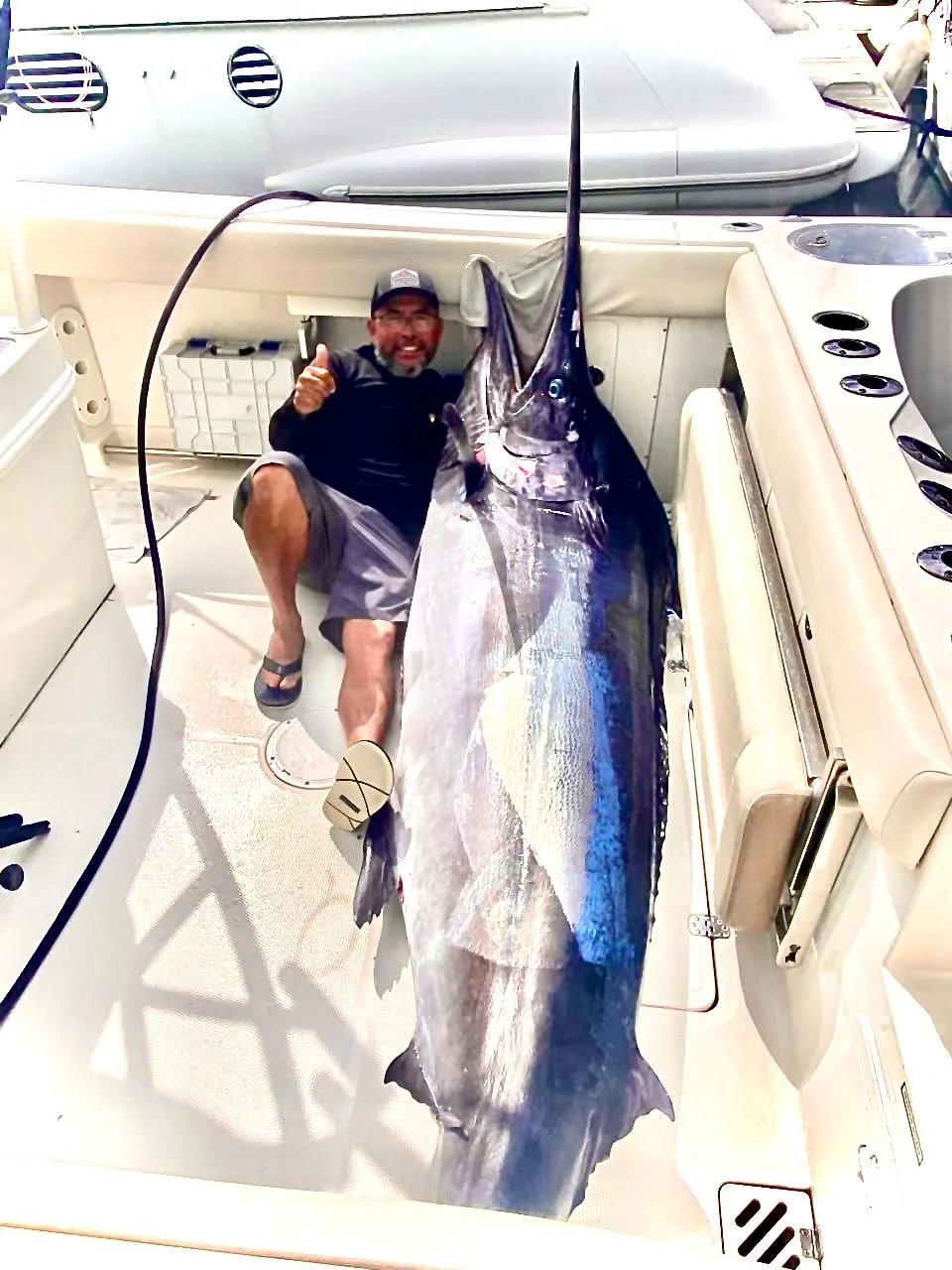
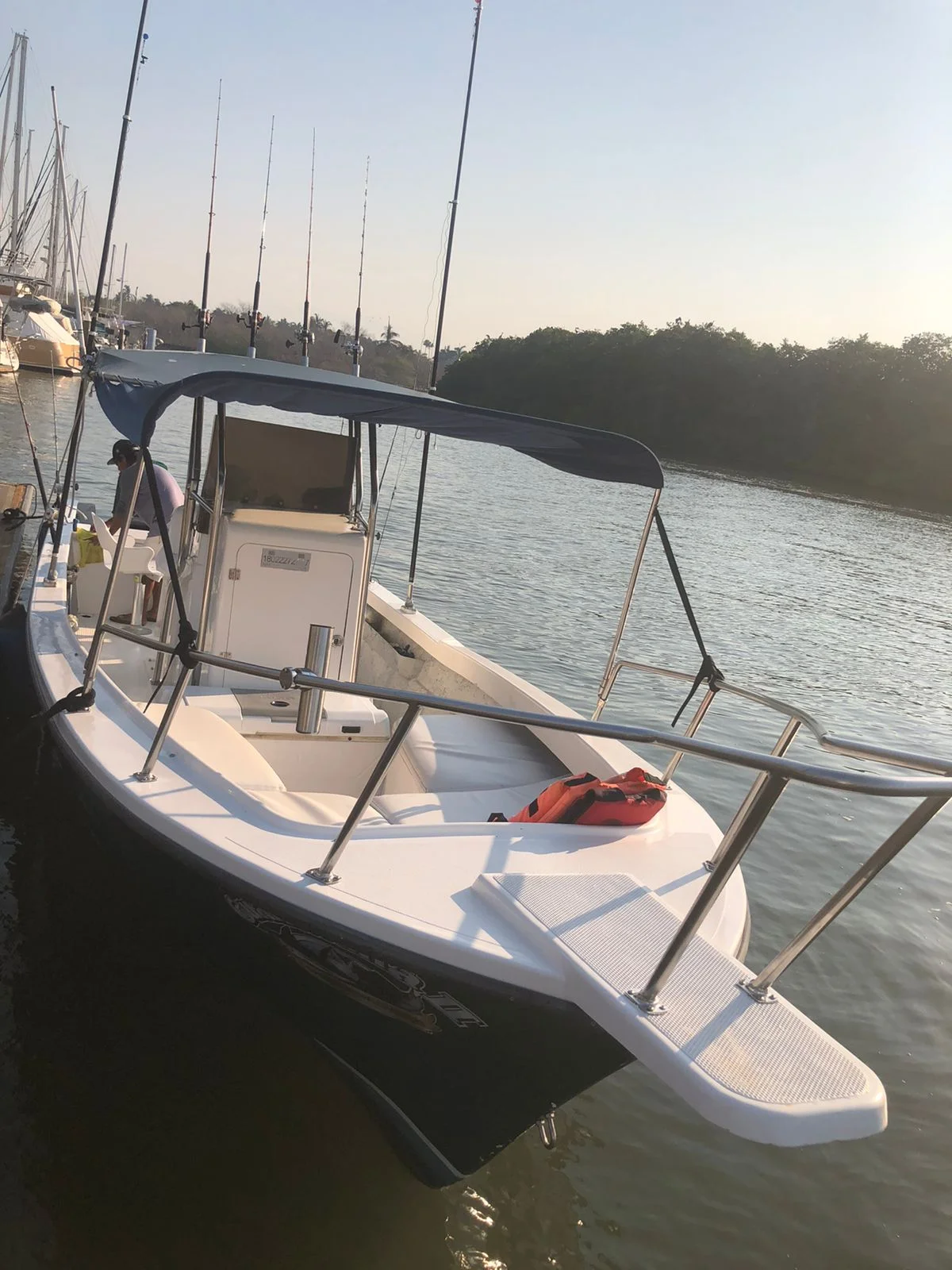
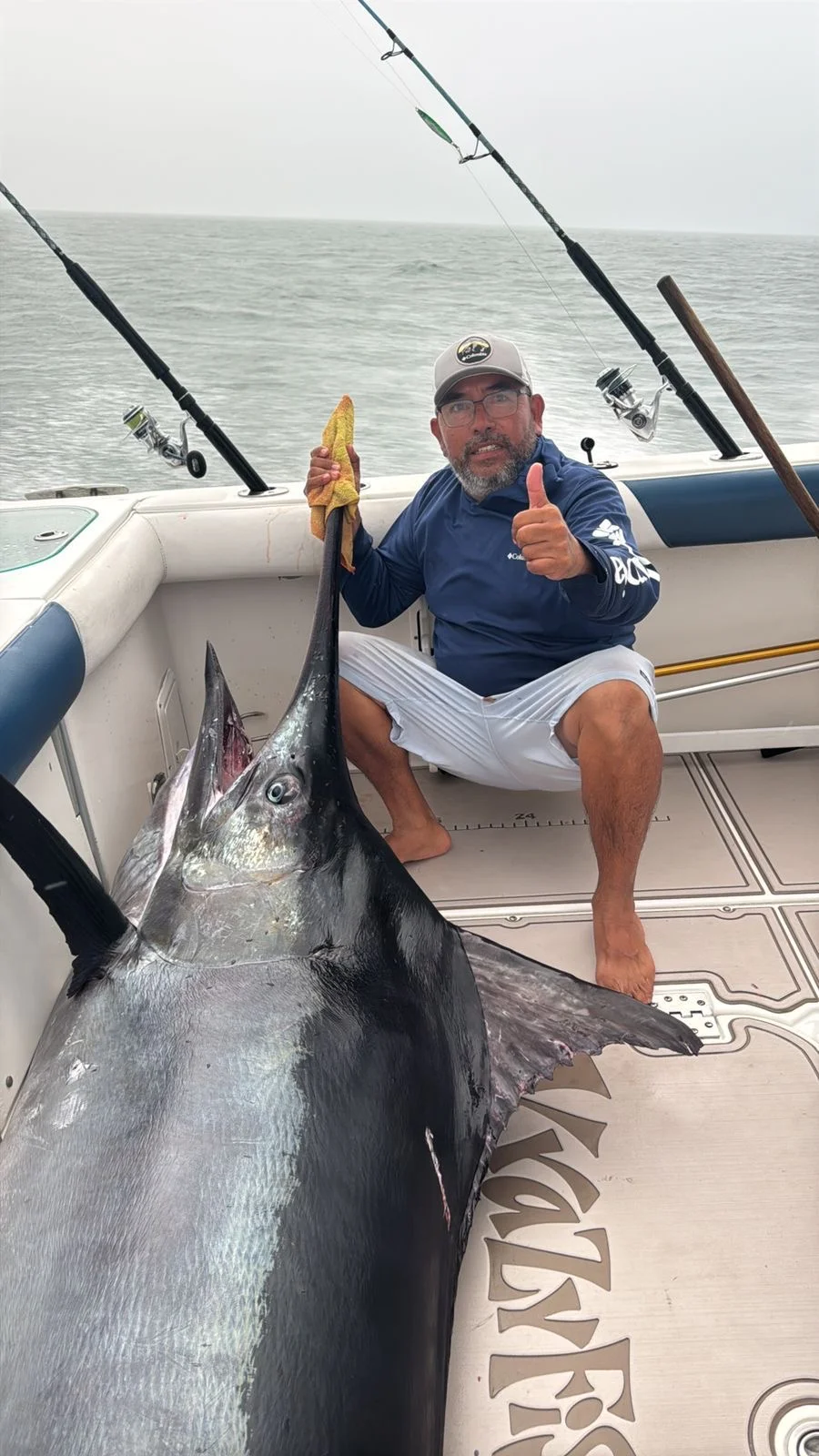
Inshore, Deep Sea Fishing in La Cruz de Huanacaxtle
LC Super Panga La Cruz 8-10 Hrs
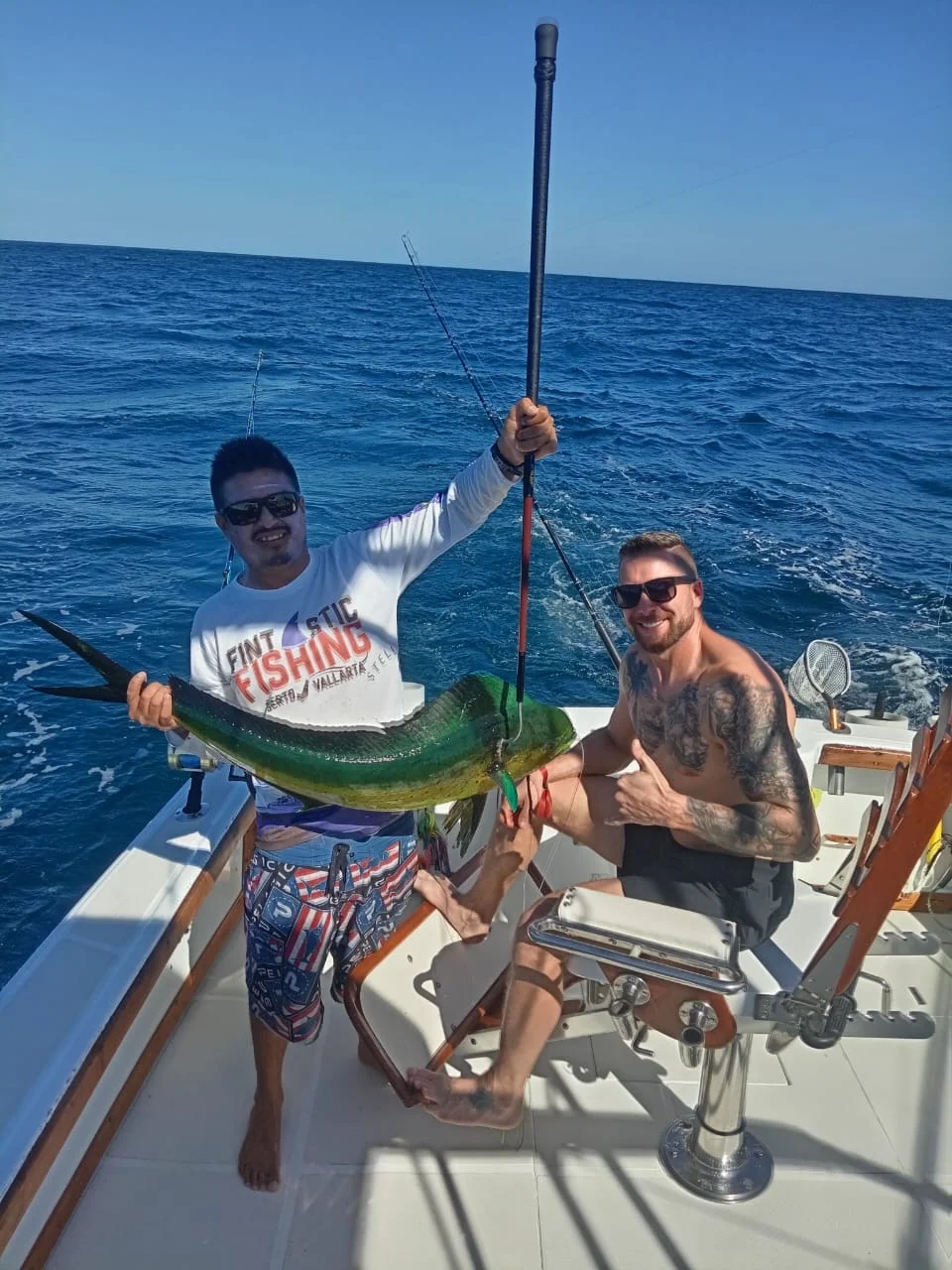
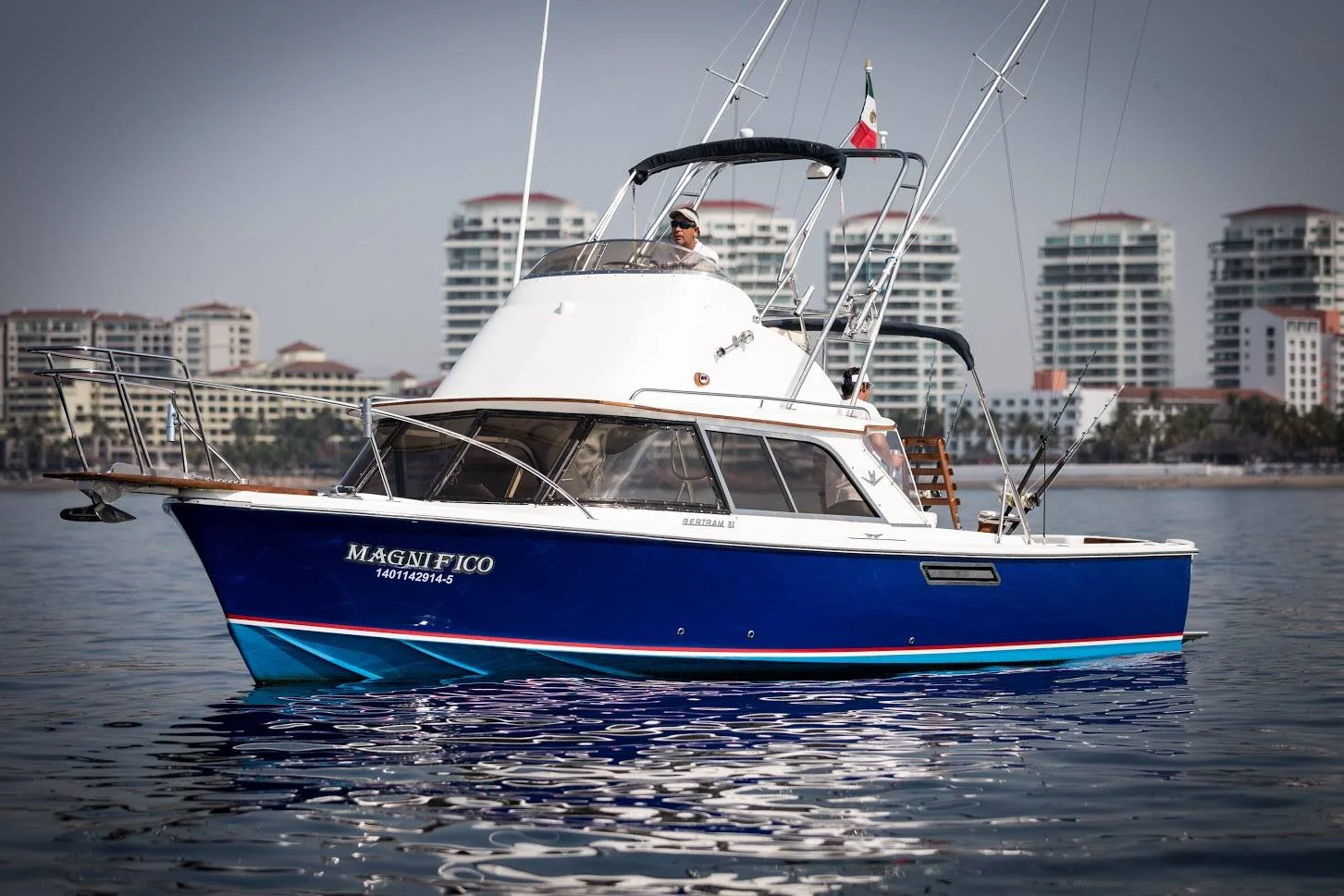
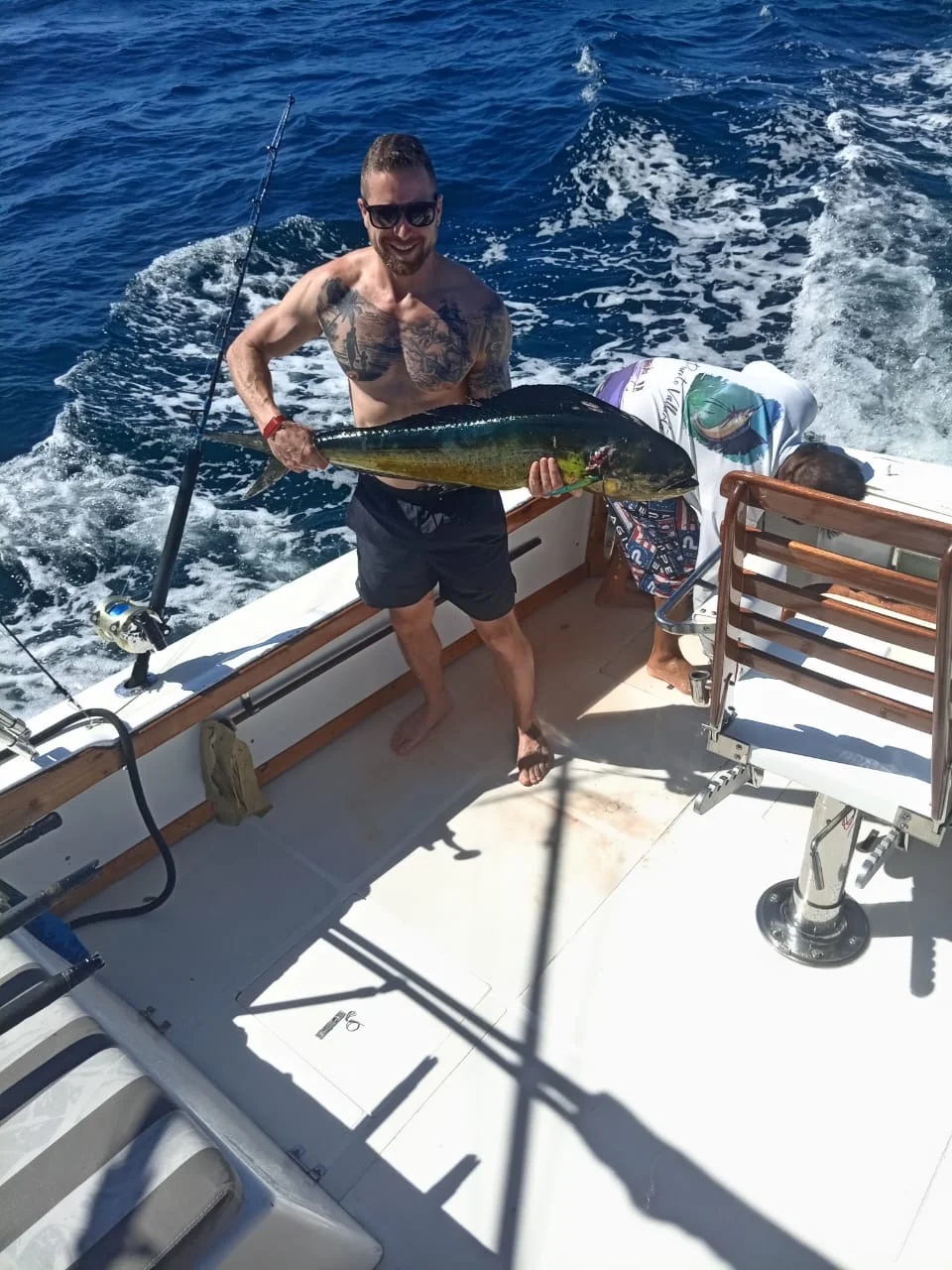
Inshore, Deep Sea Fishing in Puerto Vallarta
Nuevo Vallarta Fishing 4-6 Hrs
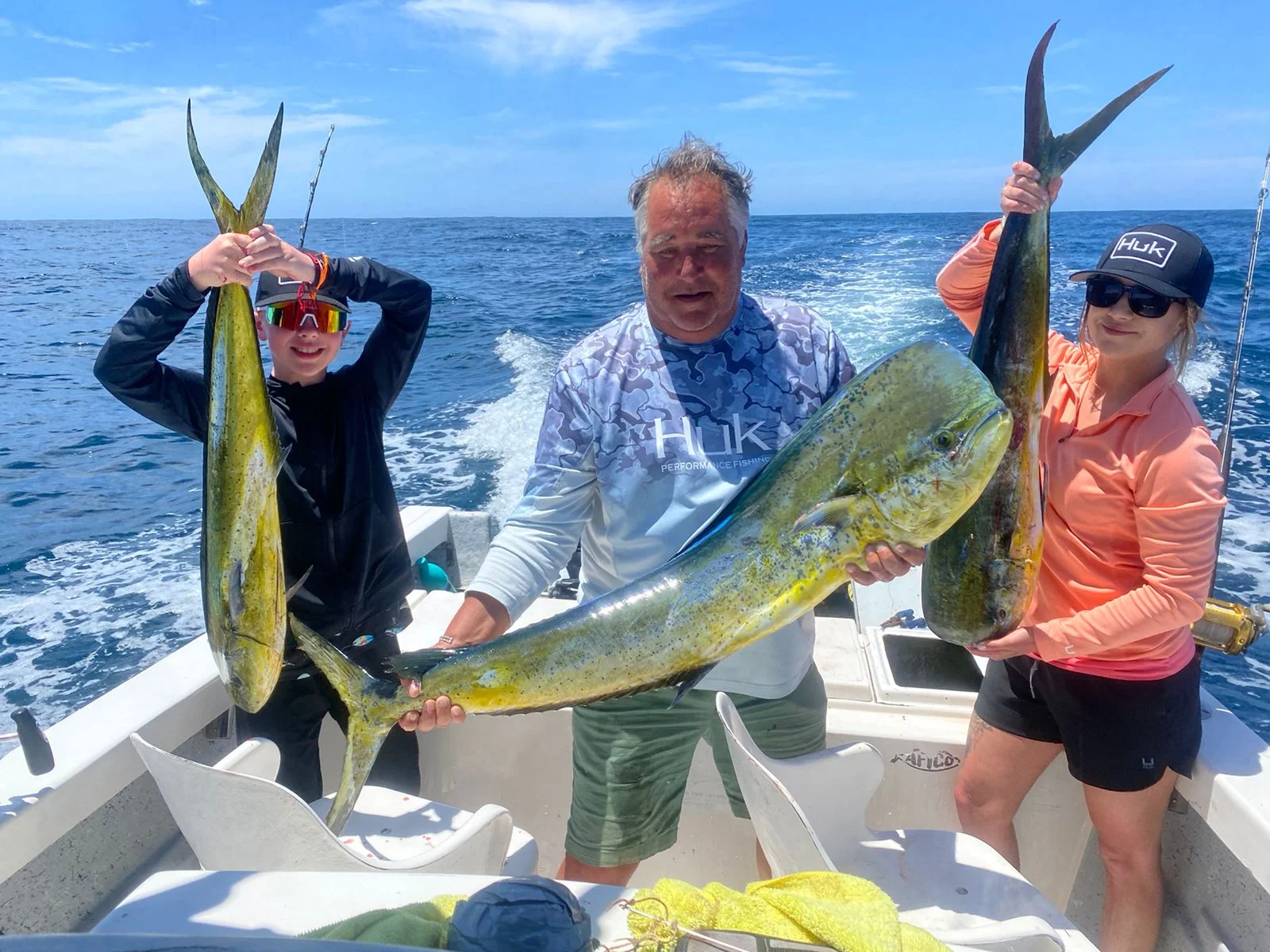
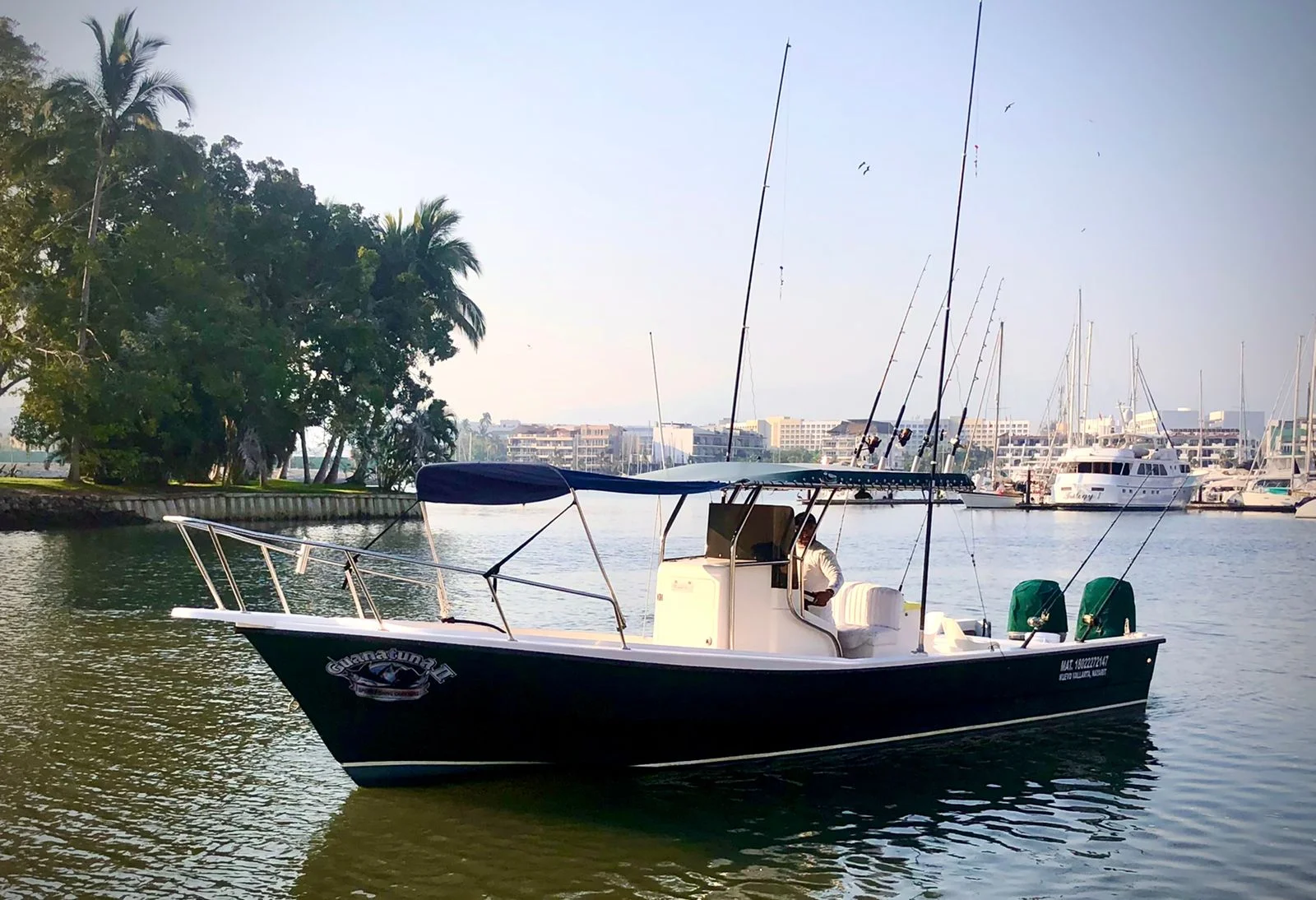
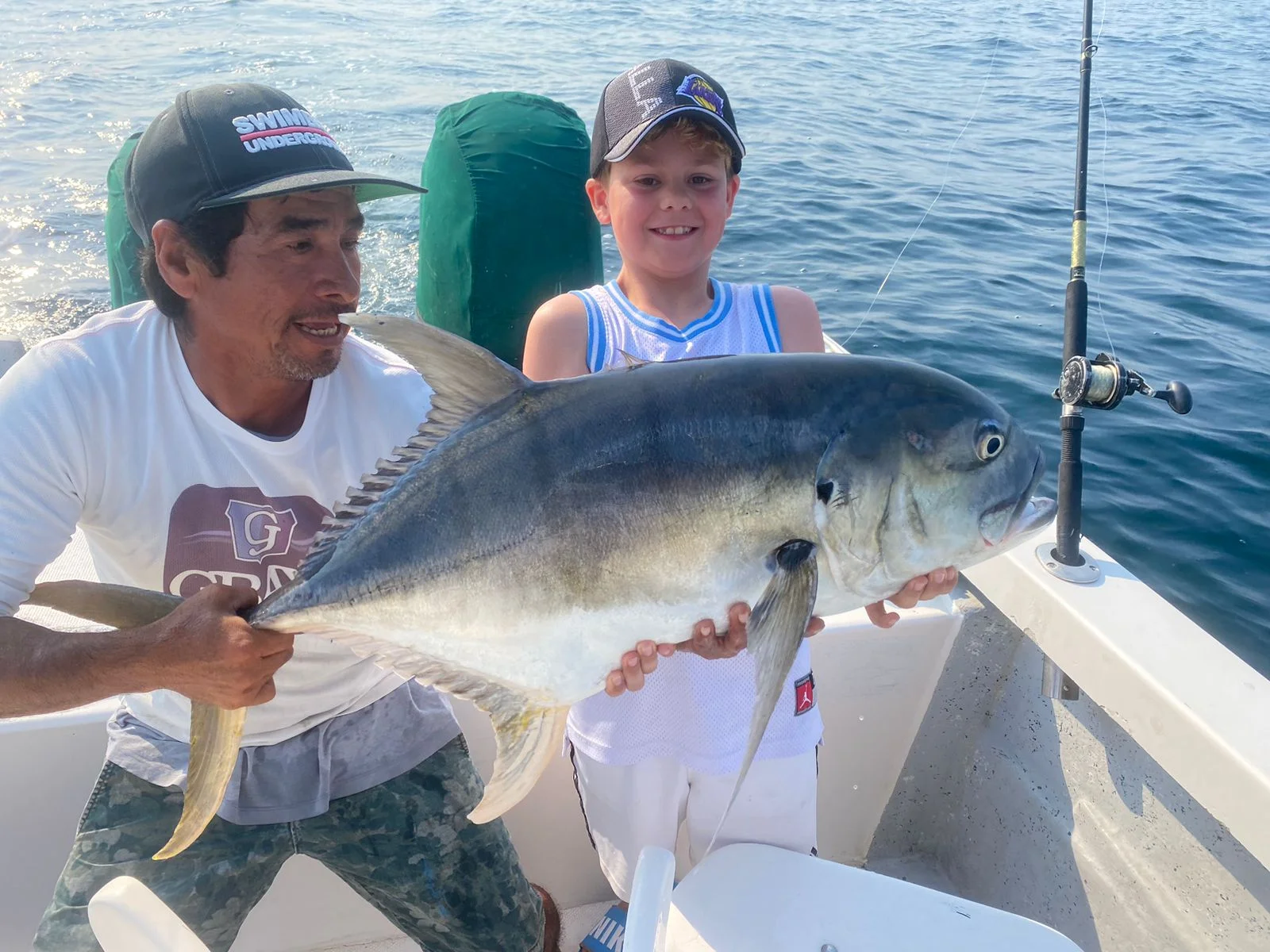
Inshore, Deep Sea Fishing in Puerto Vallarta
8 Hrs Deep Sea Fishing
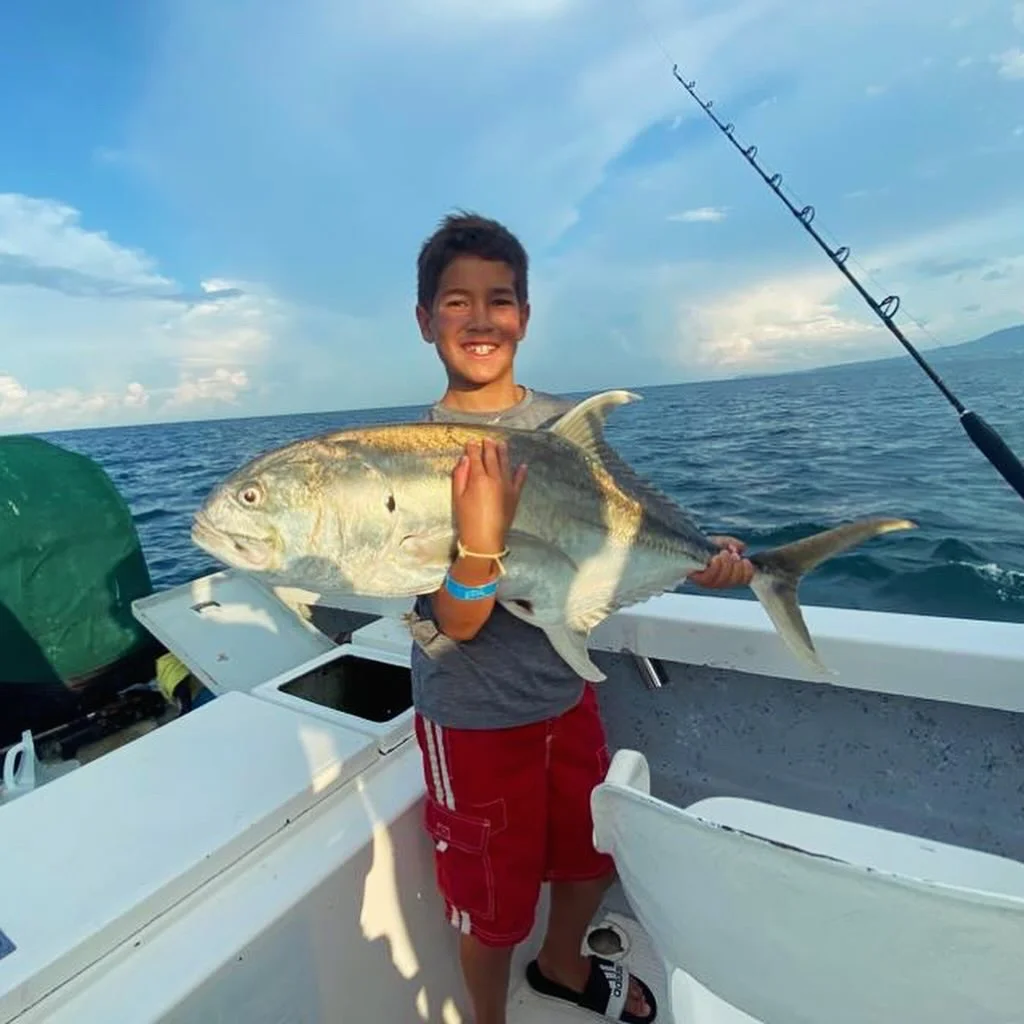
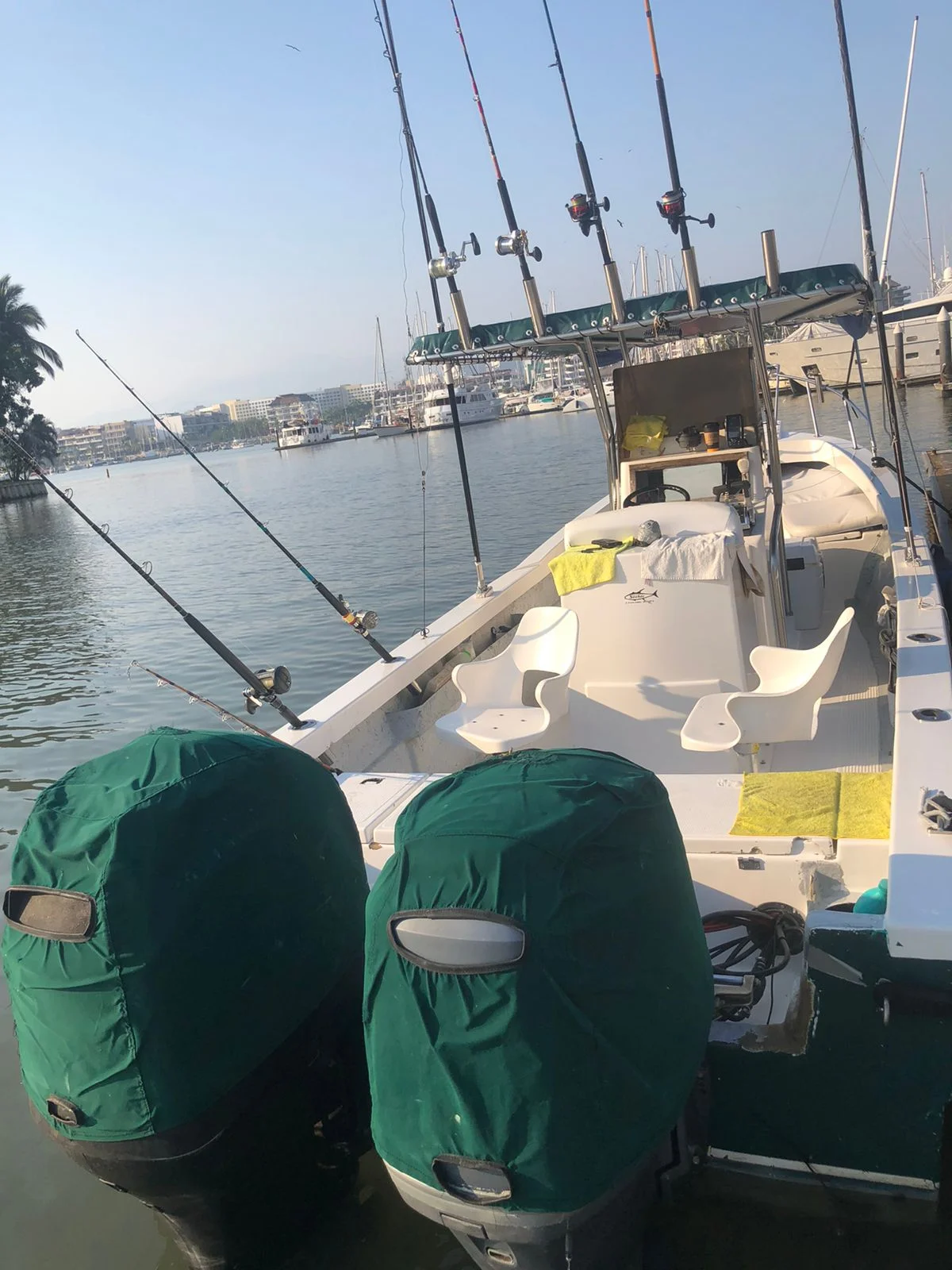
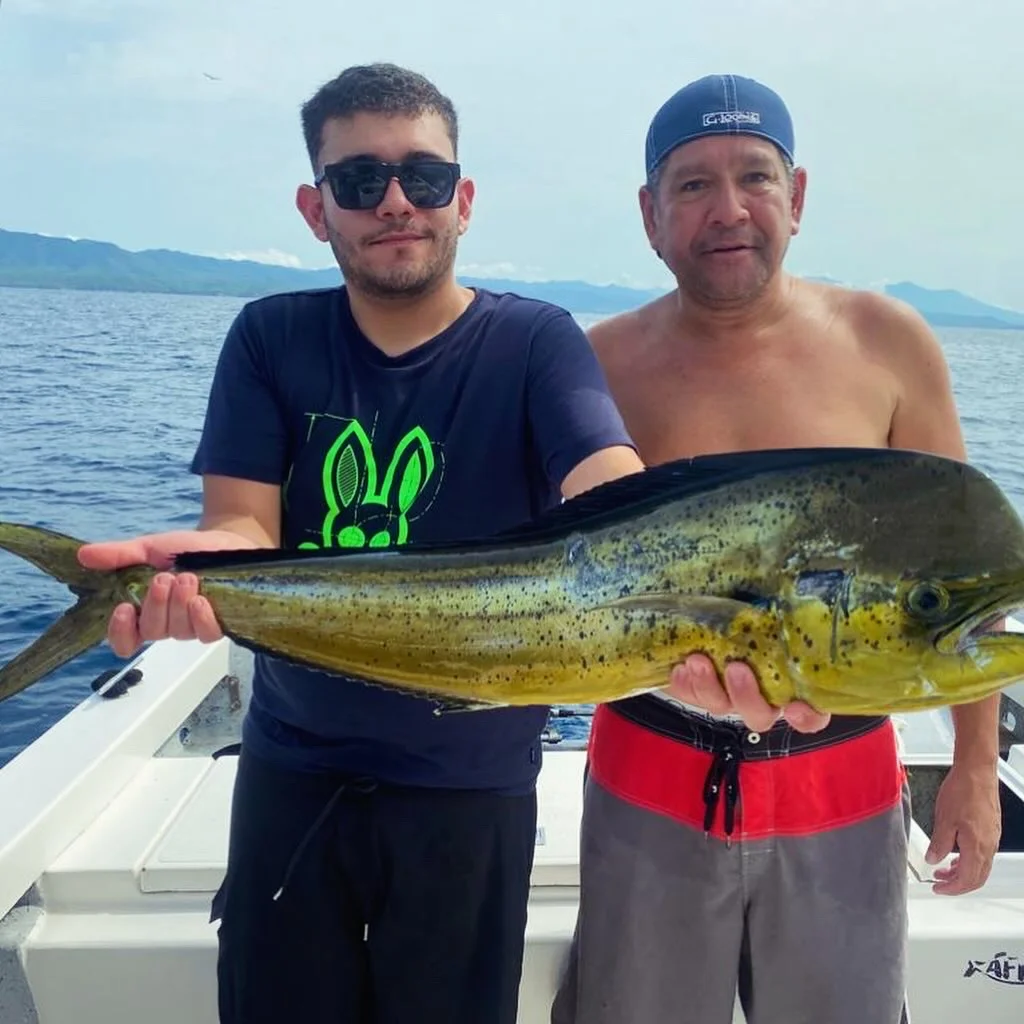
Inshore, Deep Sea Fishing in Puerto Vallarta
4 Hrs Fishing Puerto Vallarta
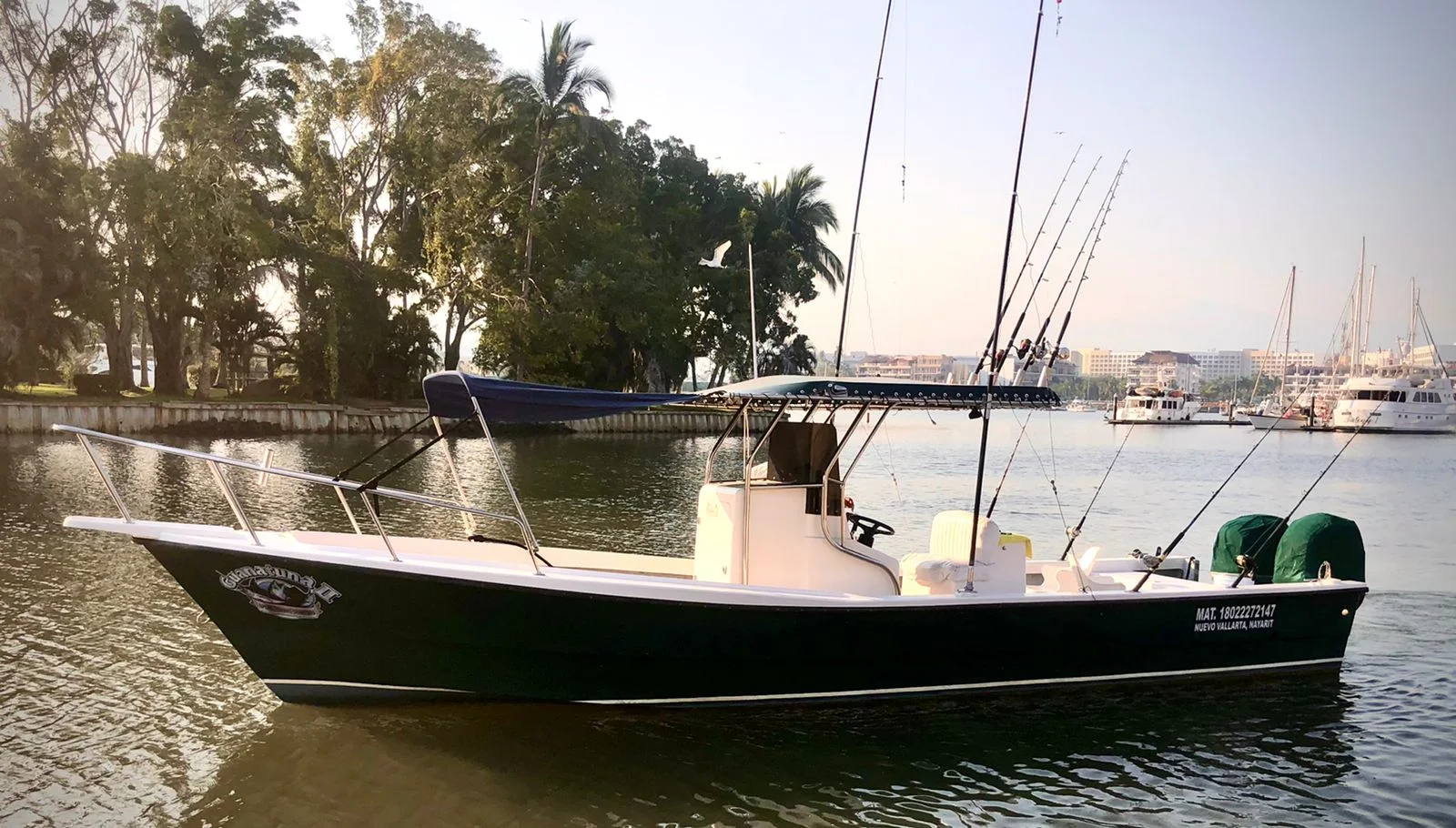
Inshore, Deep Sea Fishing in La Cruz de Huanacaxtle
LC Super Panga La Cruz
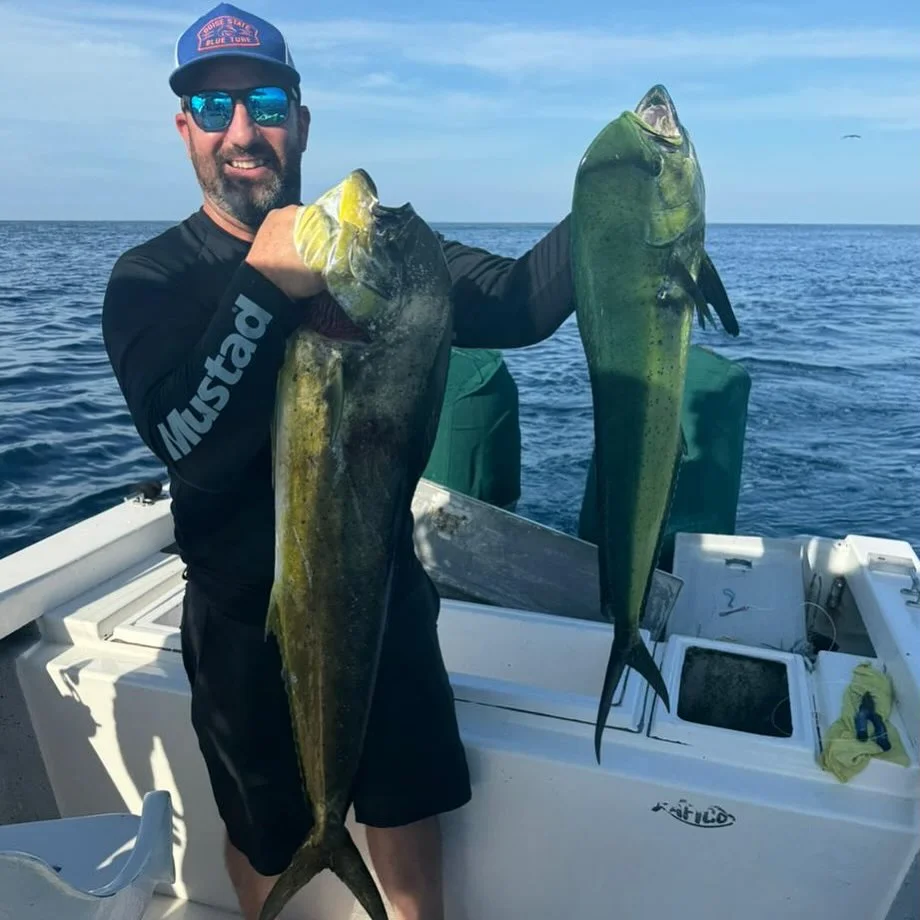
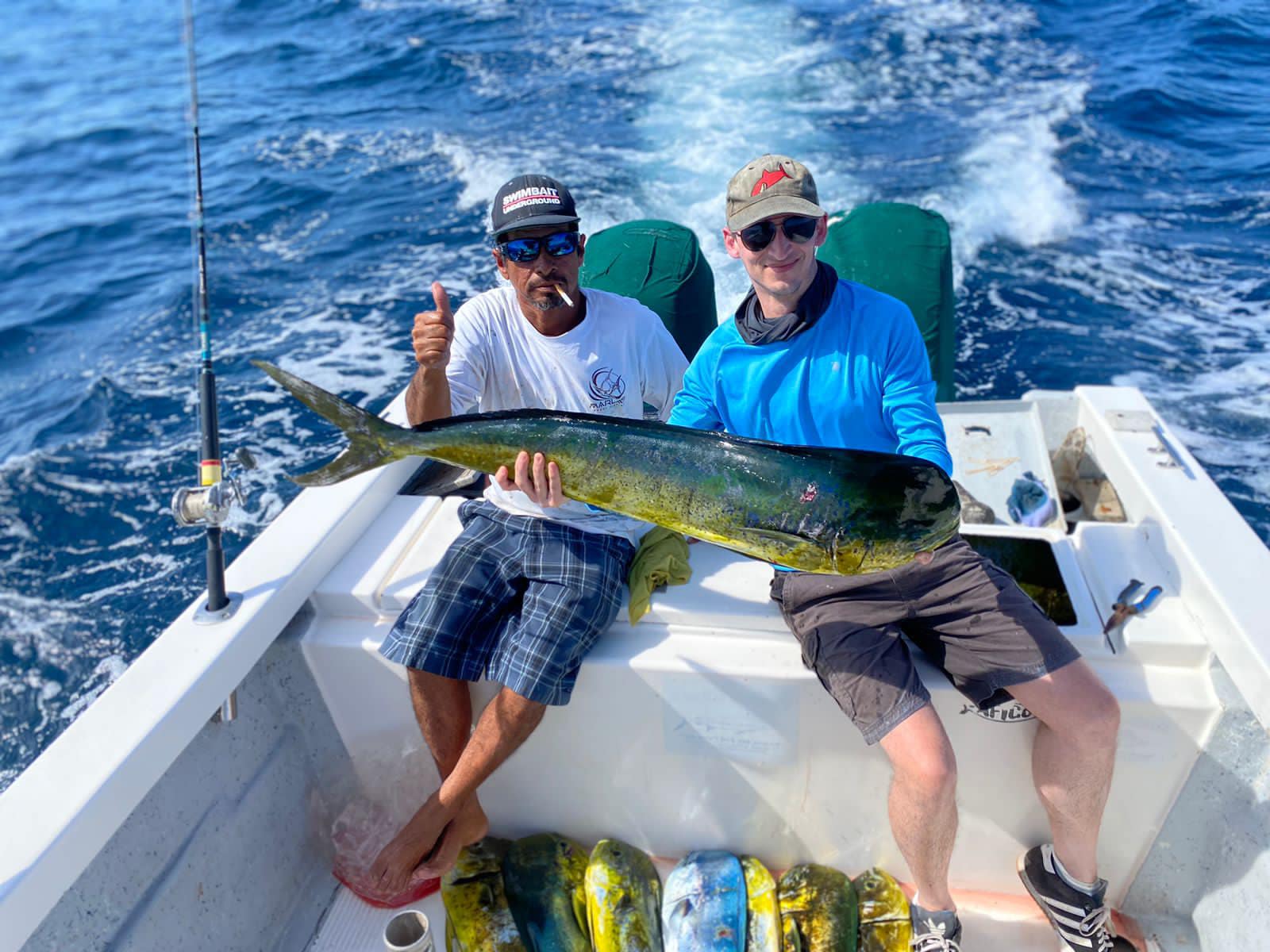
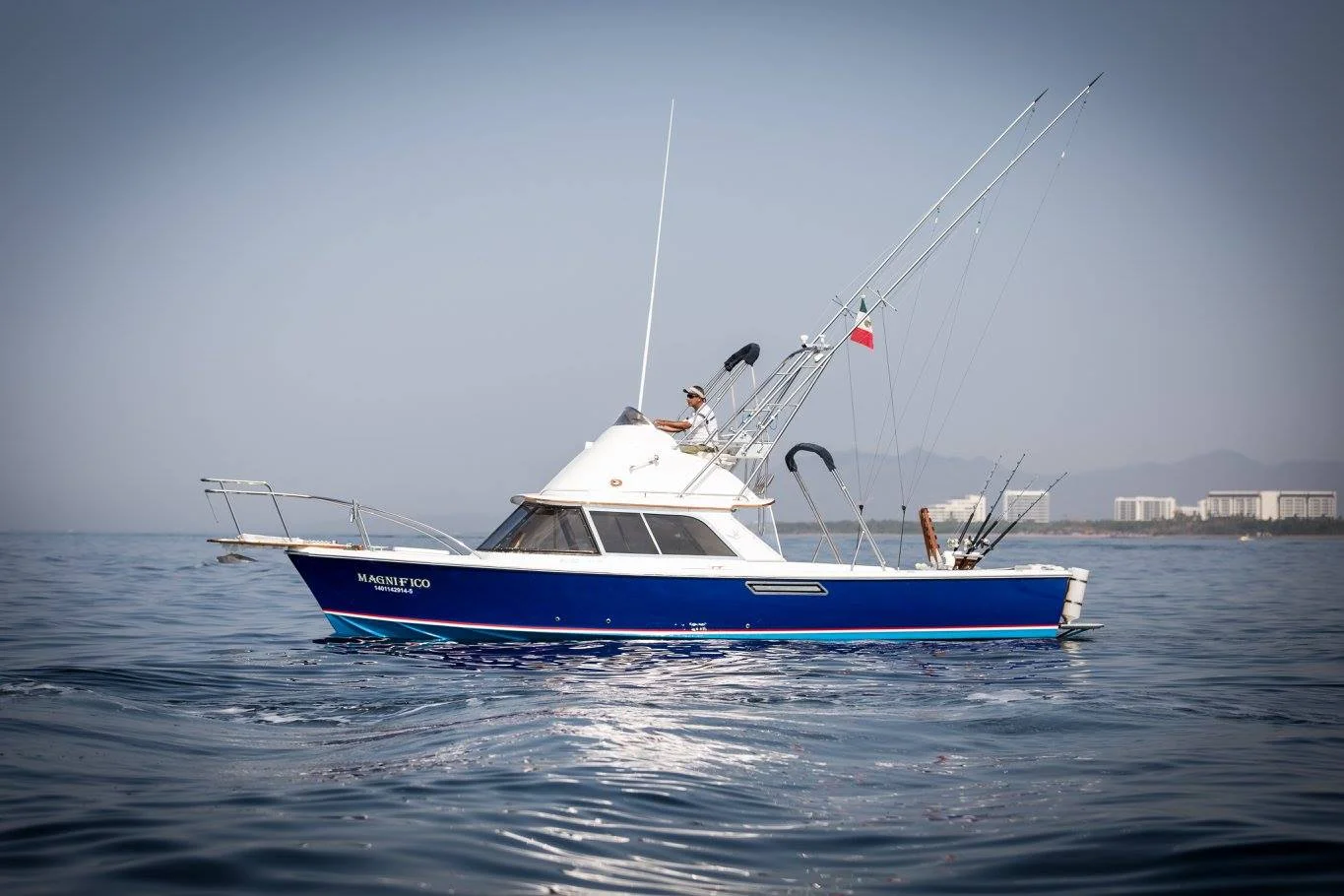
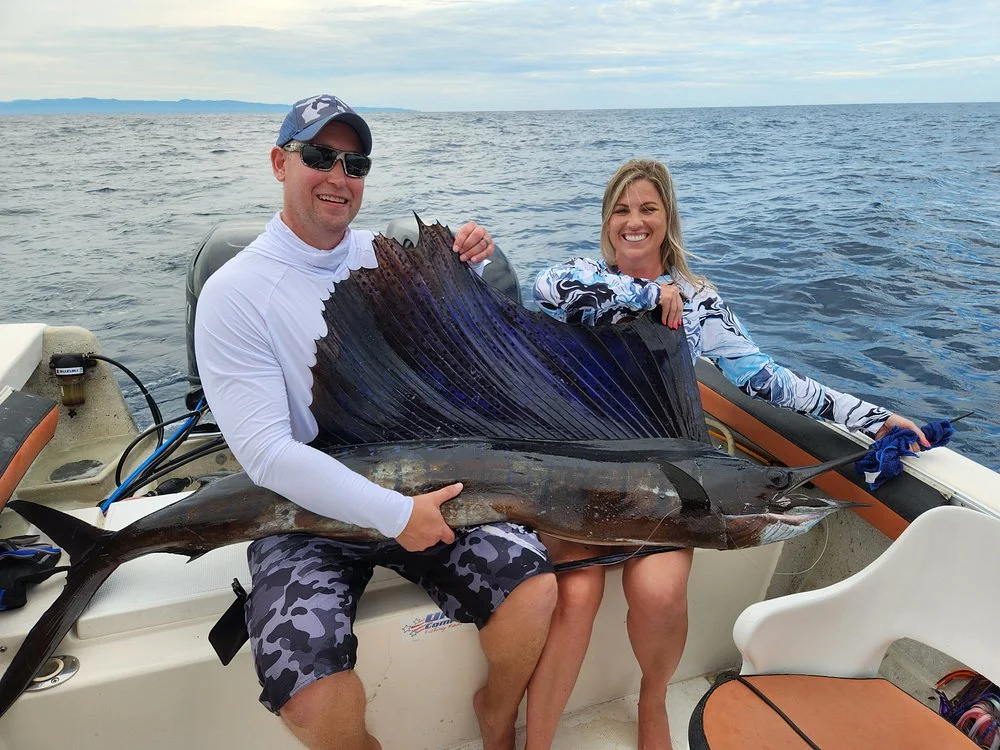
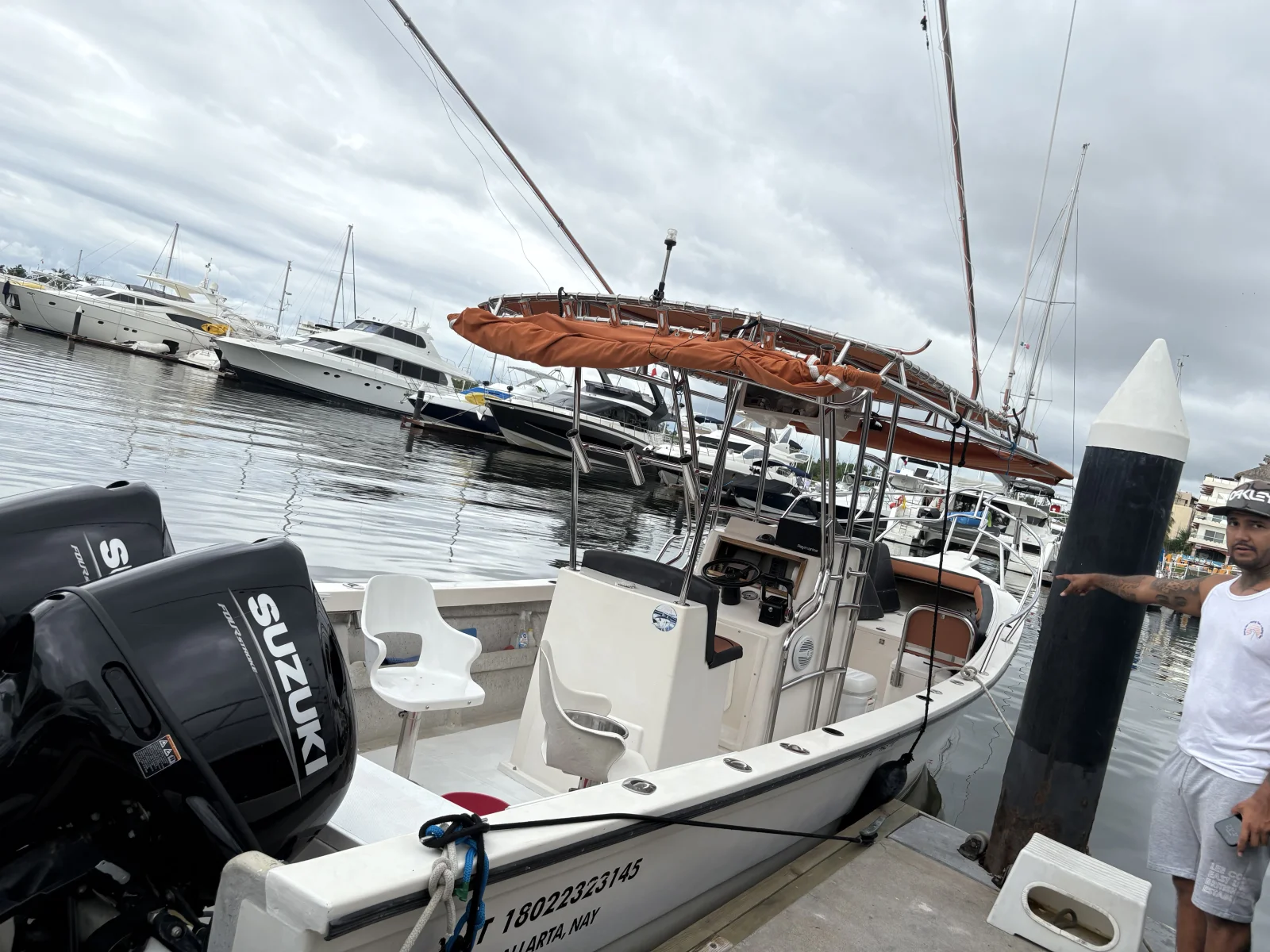
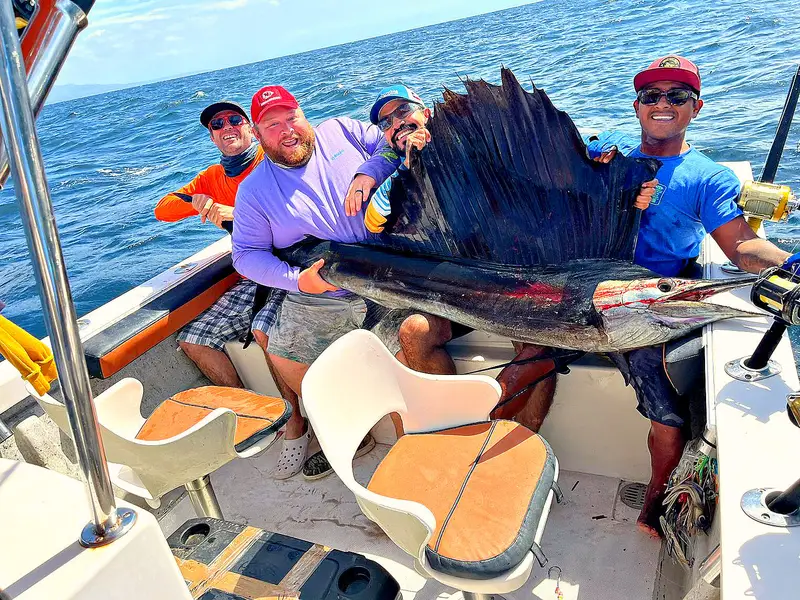
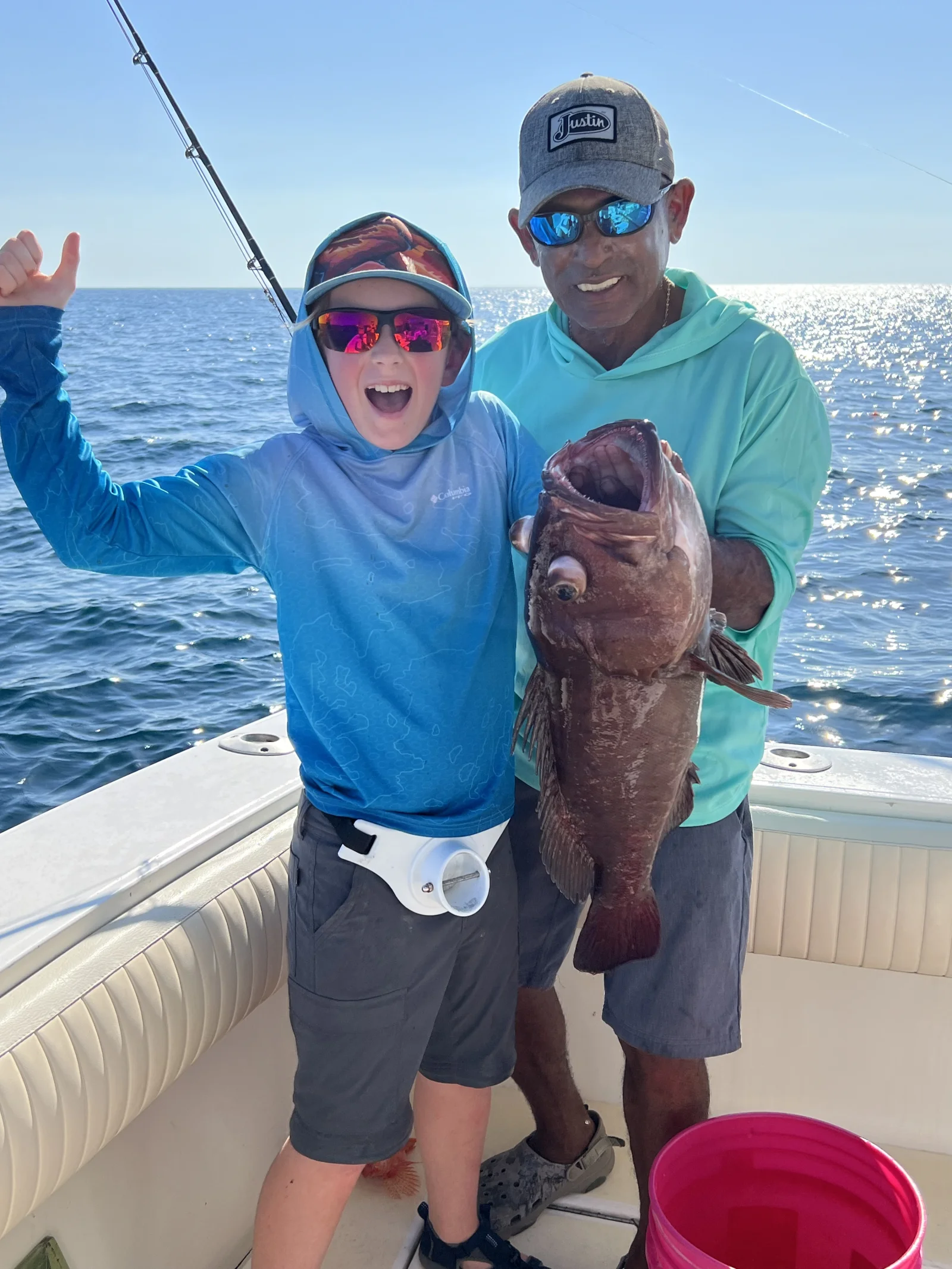
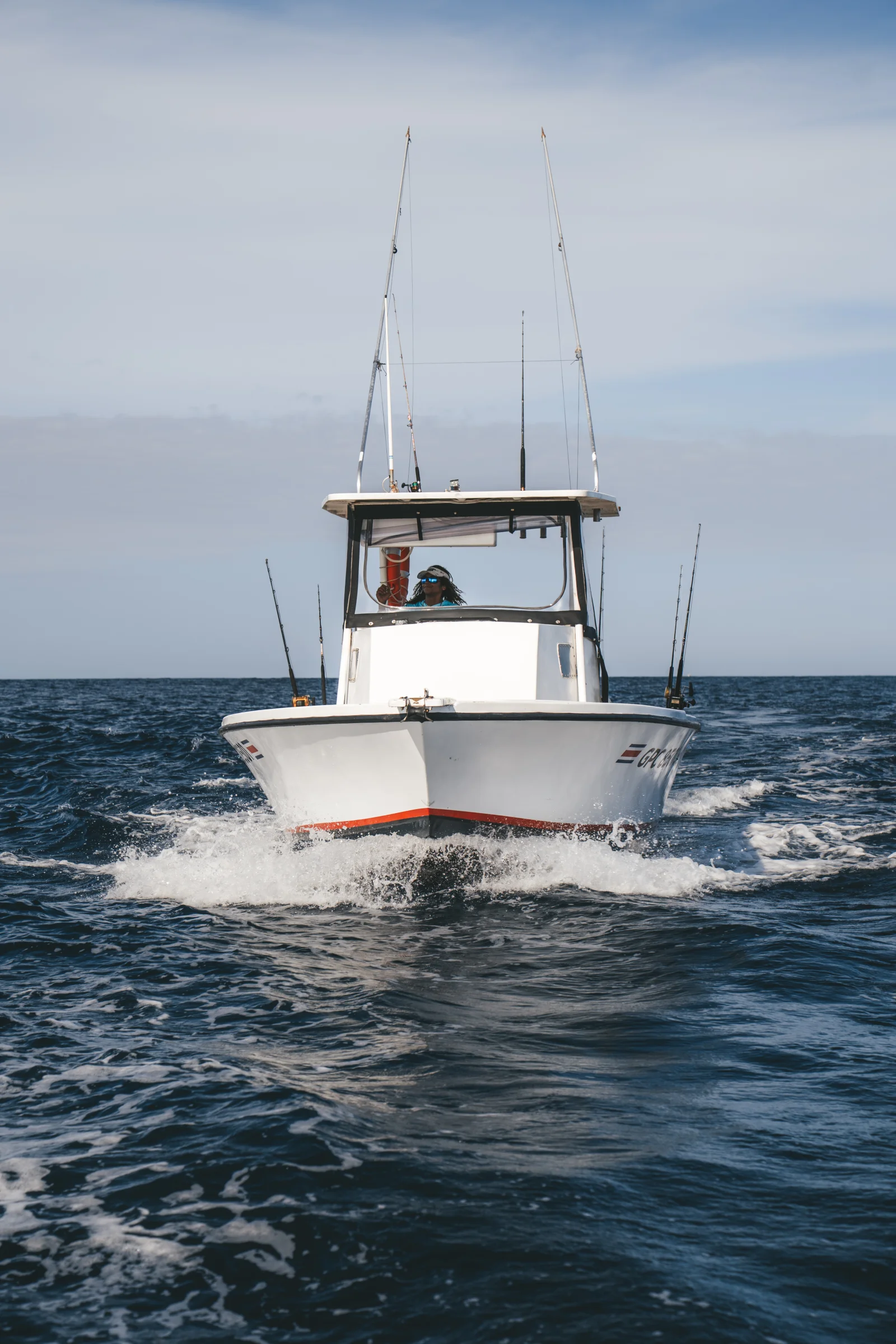
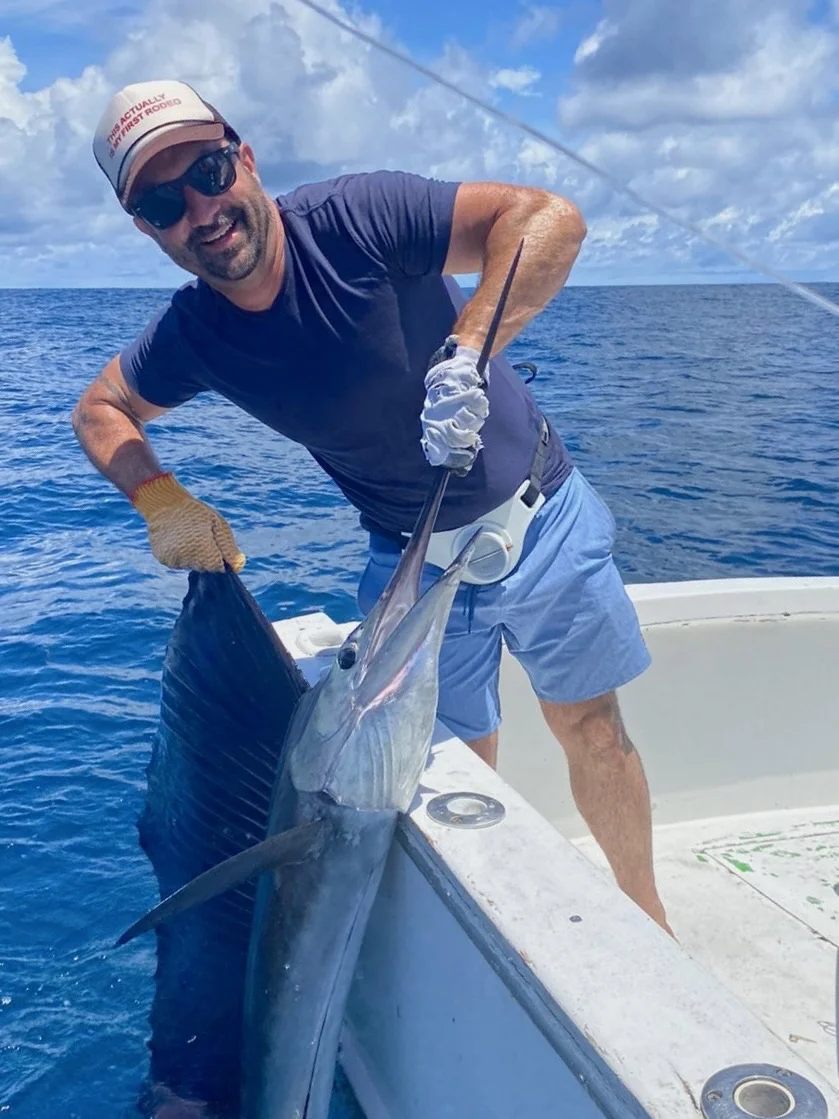
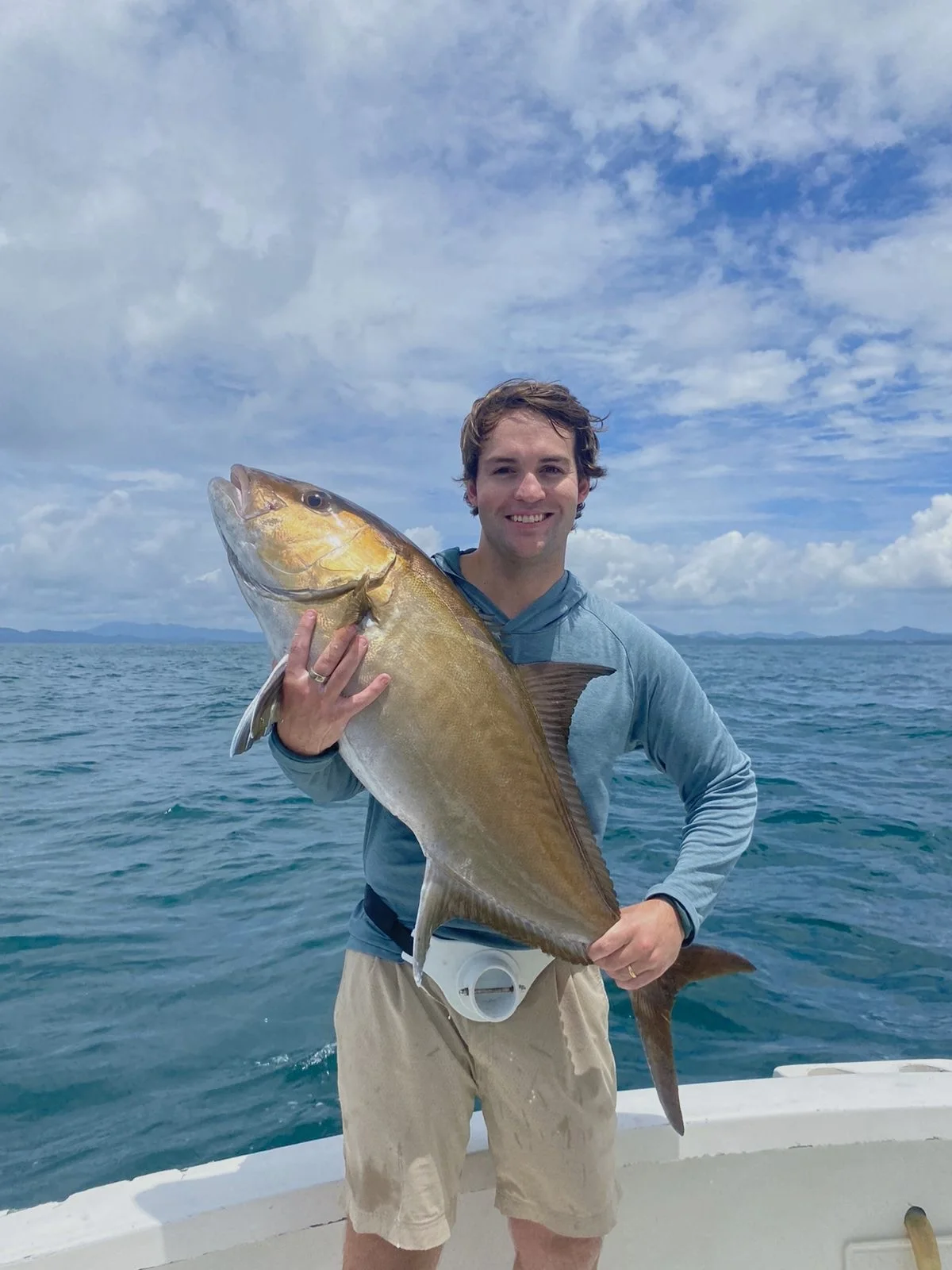
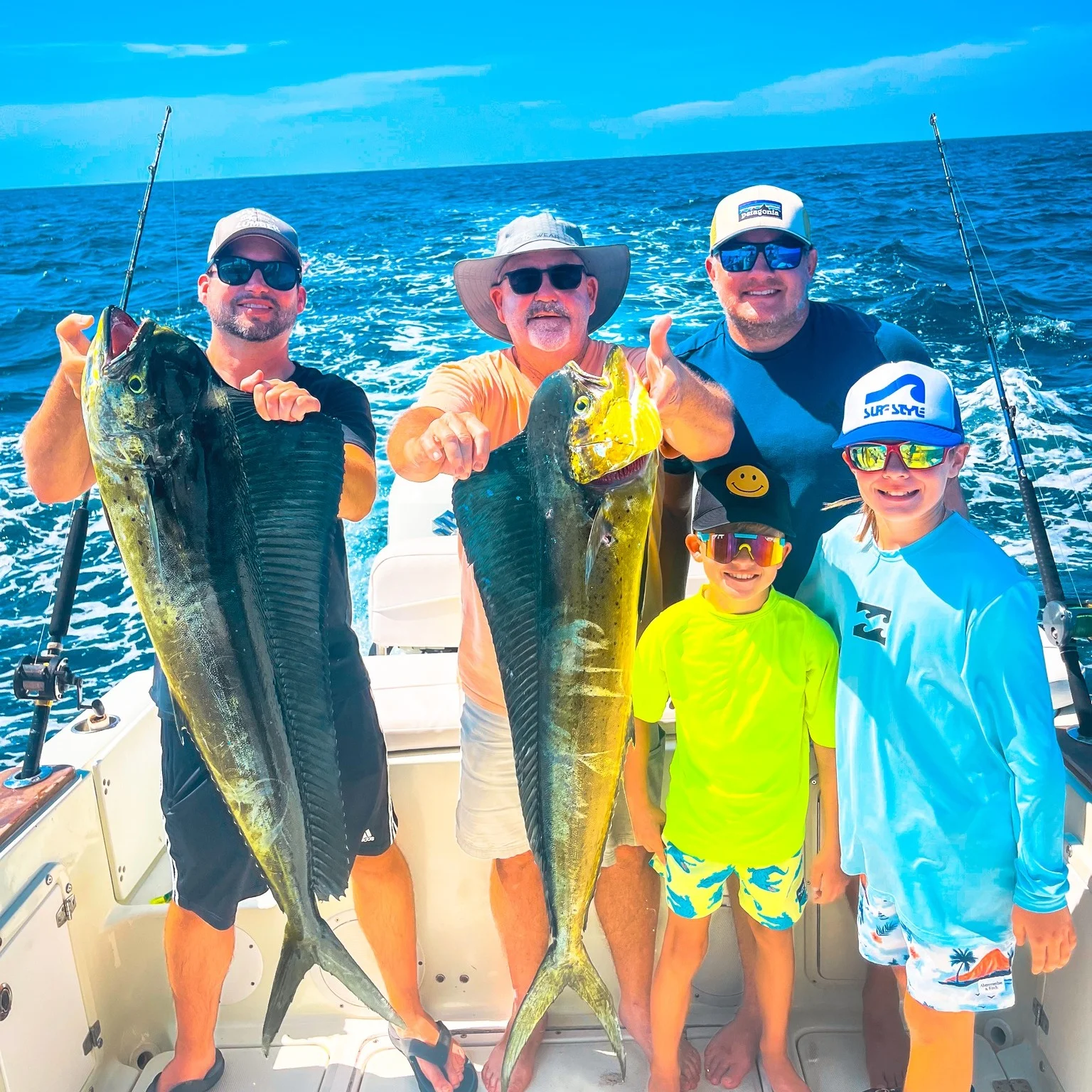
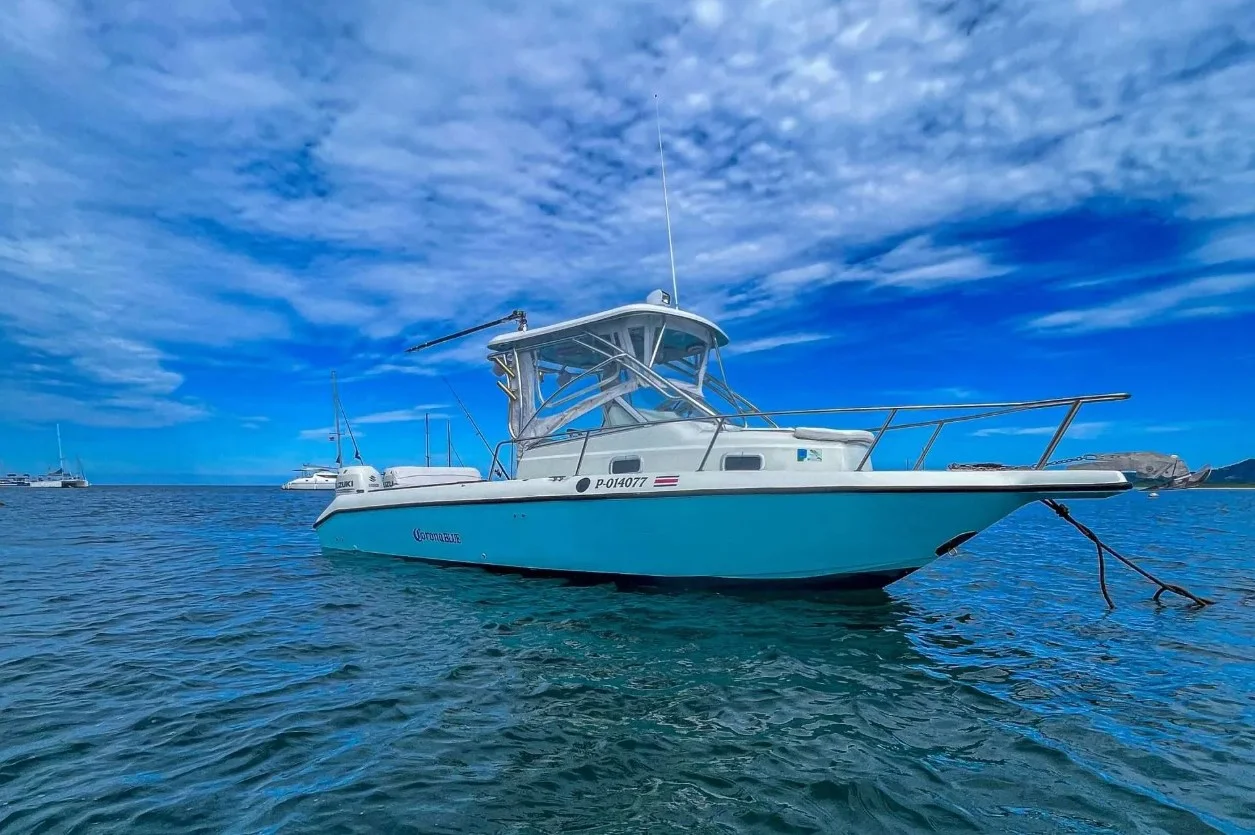
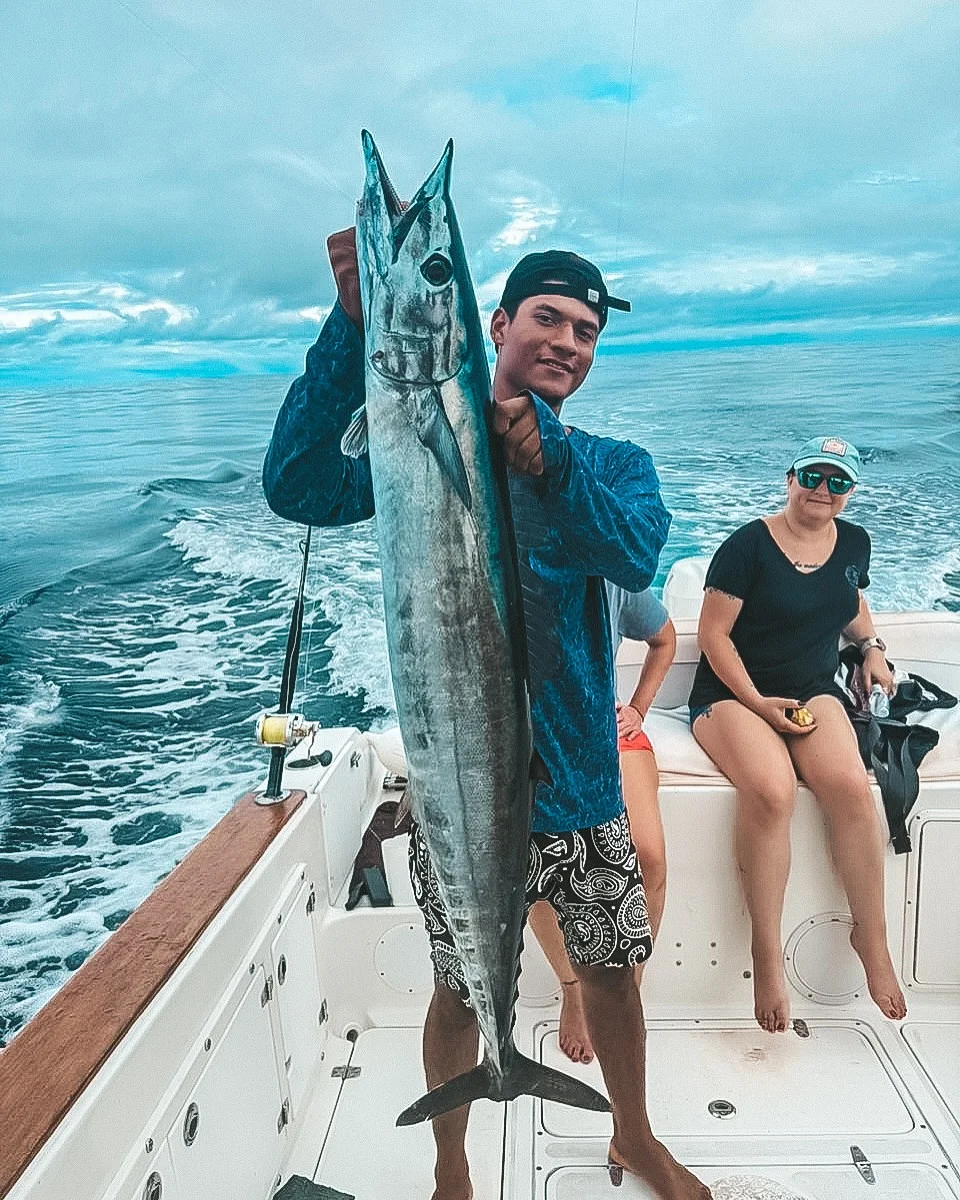
Didn't Find What You Were Looking For?
Our guides are Damn Good Guides, which means they’re vetted by our team of outdoor experts who know them on a first-name basis. We hand pick each and every one of them, and our network spans all across the US and beyond.
The proof is in the pudding, and we’re incredibly proud of our 4.9 / 5 average review score. Hit the button below to see more trip options:
Everything to Know About Booking a Pacific Ocean inshore fishing charter
What are the best inshore fishing charters in the Pacific Ocean?
The best inshore fishing charters in the Pacific Ocean are:
- Coyote Sportfishing guided by Frank B.
- River Wanderer Outdoors guided by Jerad S.
- Daliken sportfishing guided by Jaime G.
- High tides fishing guided by Jamy L.
- Nissi Boat Tours guided by Luis Miguel G.
Why should I book an inshore fishing charter in the Pacific Ocean with Captain Experiences?
Our Damn Good Guides currently offer 61 inshore trips in the Pacific Ocean, and the most popular trips in the area are Spearfishing Baja guided by Luis, Punta Mita Fishing Trip 4-6 Hrs guided by Steve, and Súper Panga 26ft With Toilet guided by Jaime.
Our guides in the Pacific Ocean are rated a 4.97 out of 5 based on 9585 verified reviews on Captain Experiences.
All guides on Captain Experiences are vetted by our team. You can access their reviews, click through trip photos, read bios to get to know them, and preview trip details like species, techniques, group sizes, boat specs and more.
Looking for kid friendly inshore guides / fishing lessons in the Pacific Ocean? Check out our beginner and family friendly inshore guides in the Pacific Ocean.
What types of inshore fishing charters are common in the Pacific Ocean?
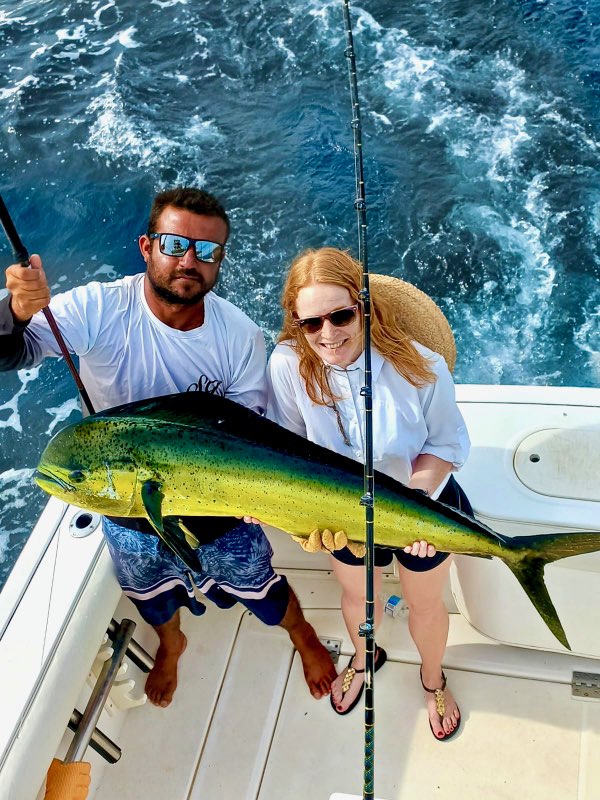
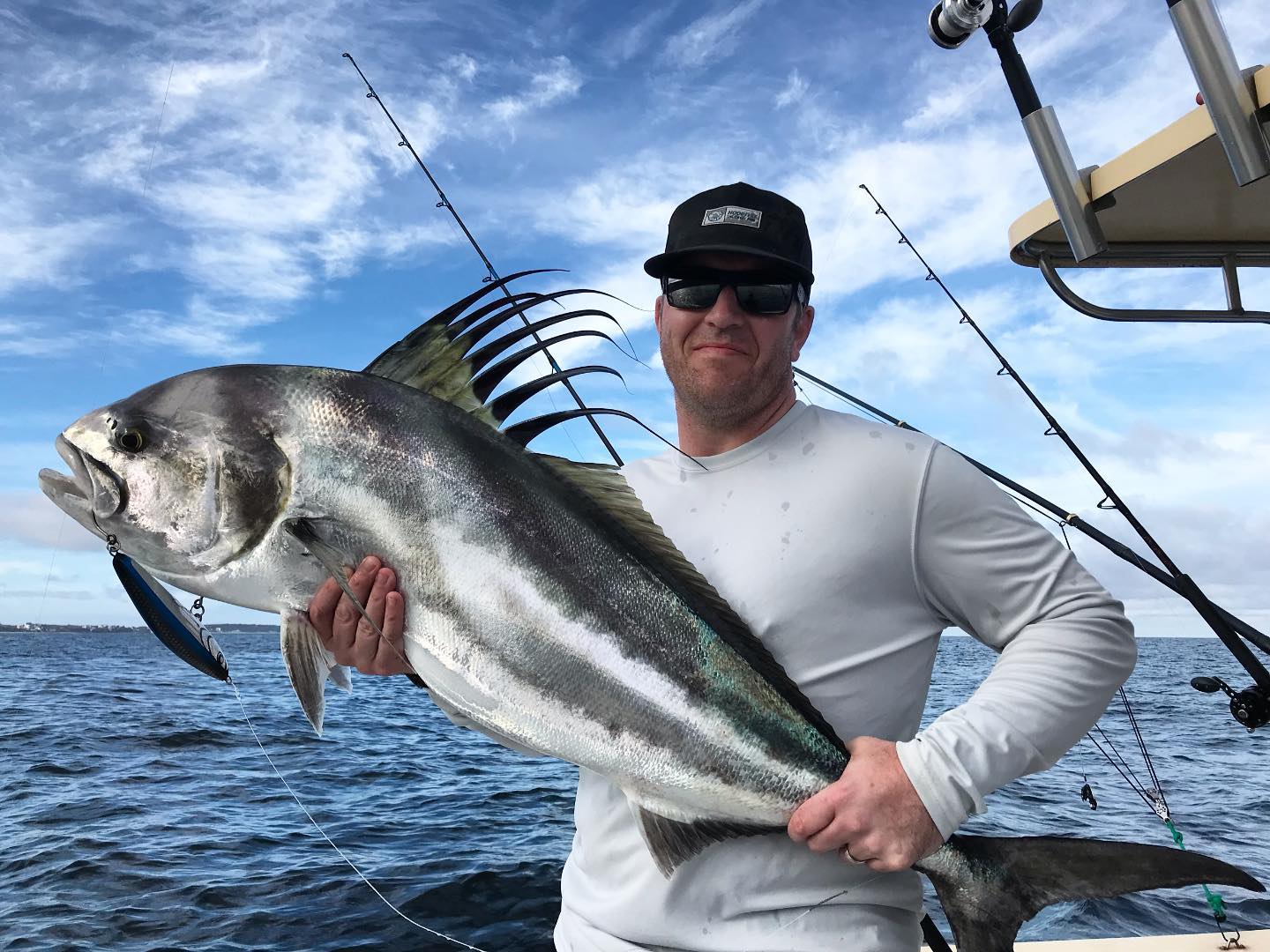
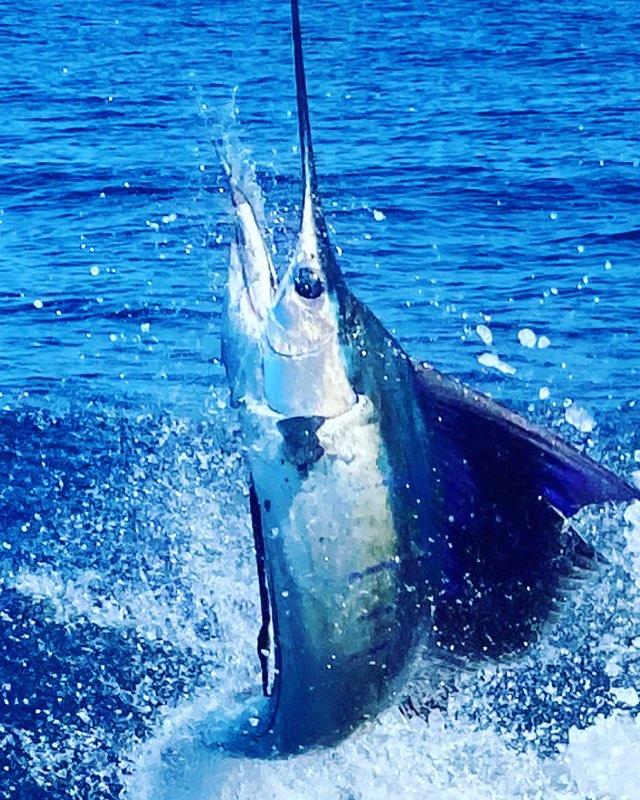
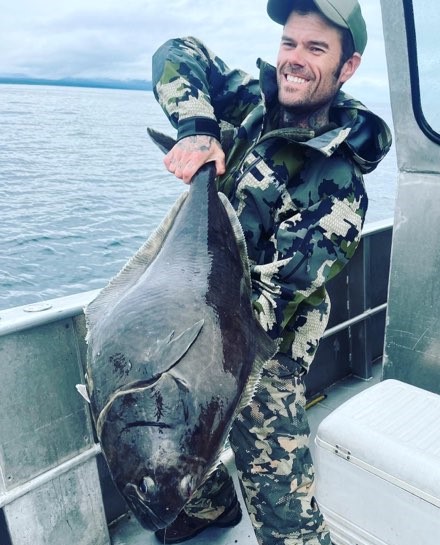
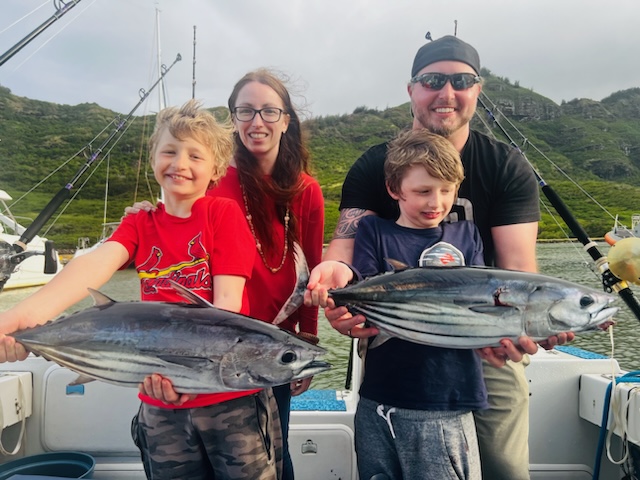
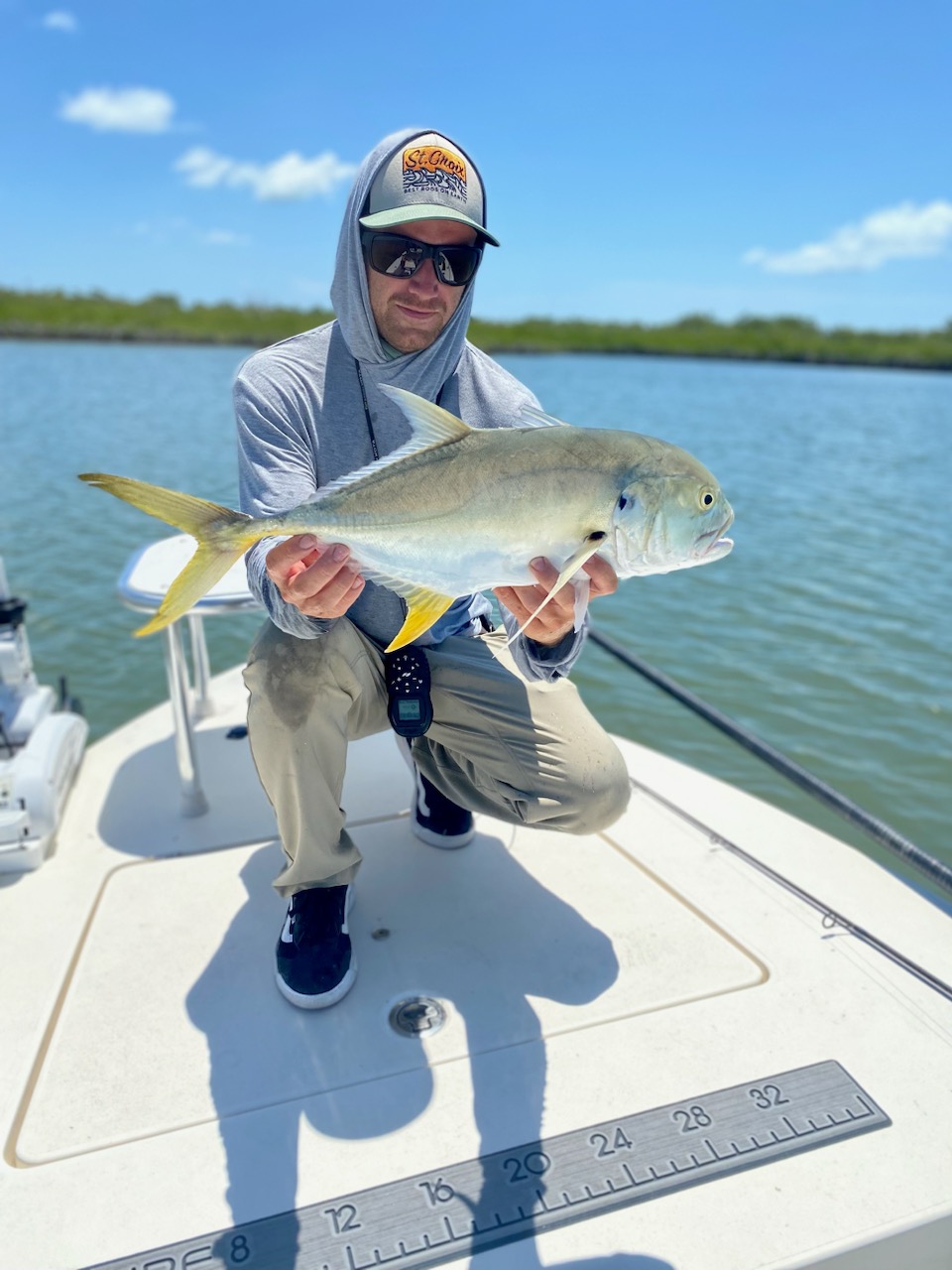
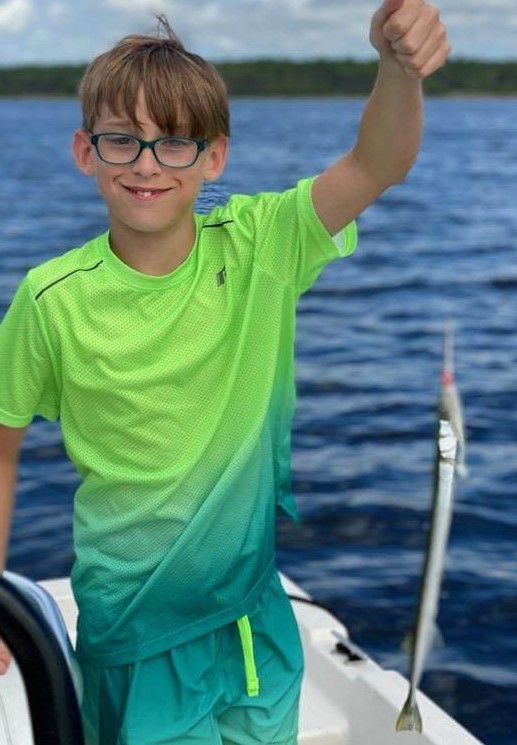
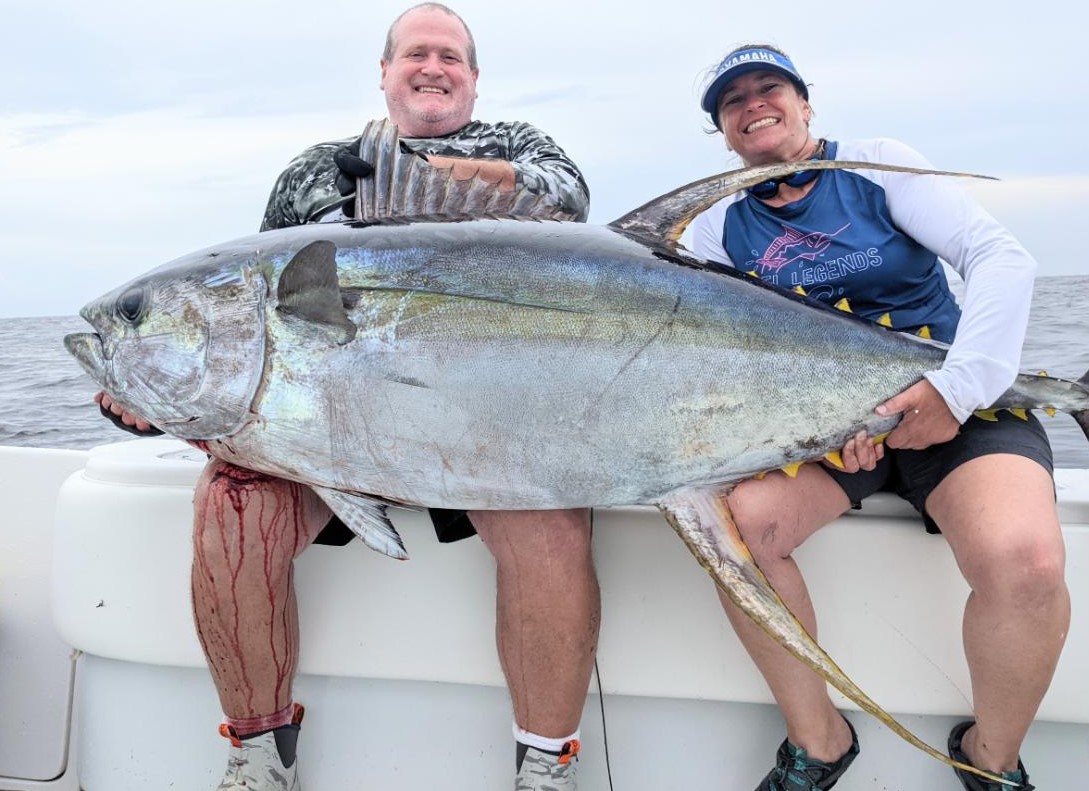
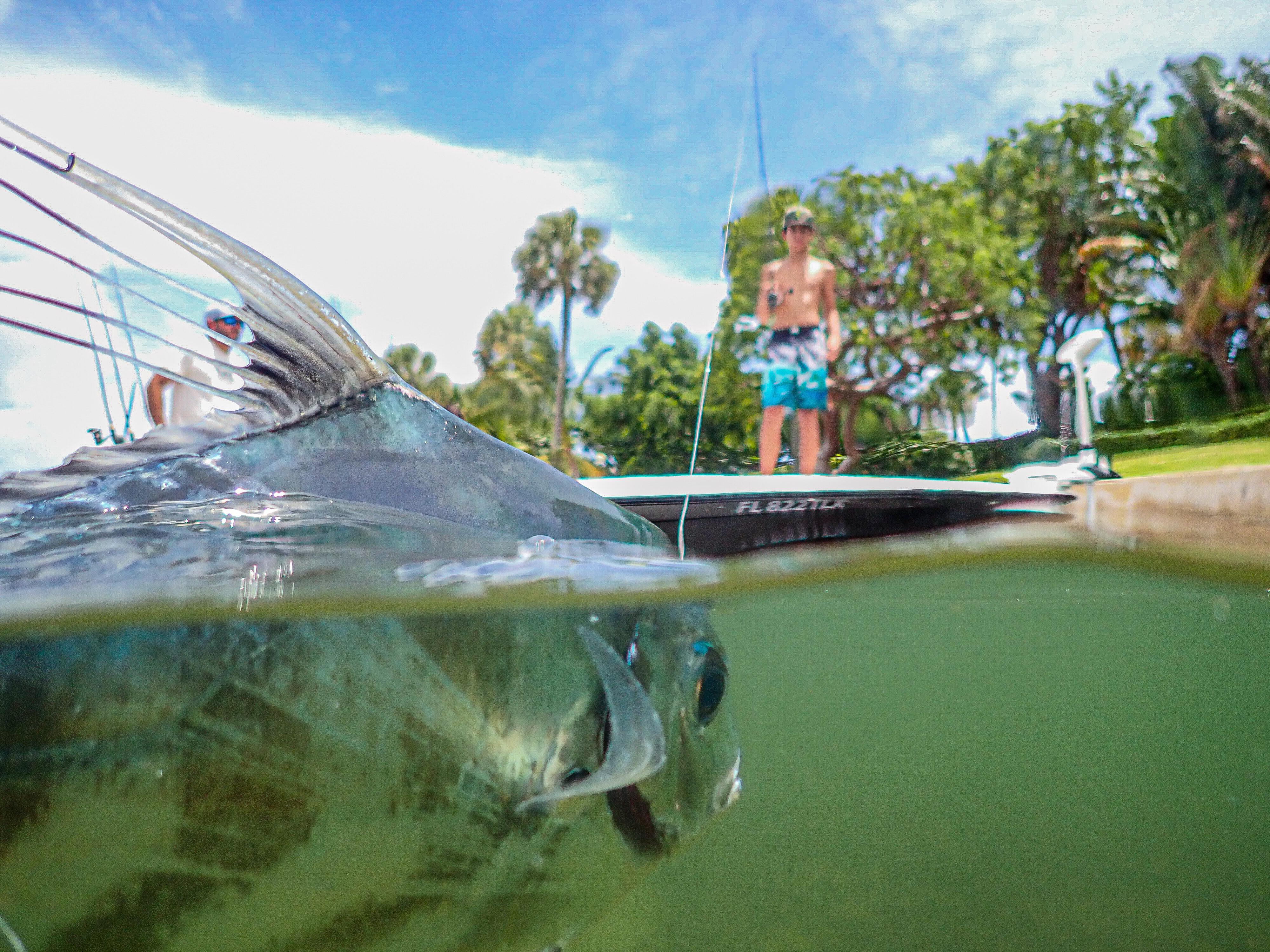
The most commonly sought after species for inshore fishing are: 1. mahi mahi, 2. roosterfish, 3. sailfish, 4. halibut, and 5. skipjack tuna.
The most common fishing techniques in the Pacific Ocean are trolling, bottom fishing, and light tackle fishing but live bait fishing and jigging are popular as well.
How much do Pacific Ocean inshore fishing charters cost?
Prices for inshore fishing in the Pacific Ocean can range anywhere from about $650 to $3,800, but the average price for a half day trip for inshore fishing in the Pacific Ocean is $1,229. The average price for a full day trip for inshore fishing in the Pacific Ocean is $3,764.
Is booking a fishing guide worth the money?
Hiring a guide provides a number of benefits and many choose to book a fishing guide for a combination of experience, local knowledge, convenience, and cost-effectiveness.
Working with experienced fishing guides who know the best local spots and techniques can dramatically increase your odds of a great day. Having someone who is on the water every day and knows the area like the back of their hand is going to give you the best chances of success.
Booking a guide is also more cost effective, especially if you only get out a handful of times per year. When you consider all of the costs you would incur on your own such as the price of a boat, maintenance, insurance, gas, high-quality gear and tackle, repairs, and more, you’ll find that DIY is sometimes not worth the expense.
Even if you’ve got a great setup already in your home waters, booking a guide also provides a great opportunity to experience new techniques, new locations, or even a chance at a new target species to knock off the bucket list.
What month is best for inshore fishing in the Pacific Ocean?
The most popular season for inshore fishing in the Pacific Ocean is summer, and most anglers book their trips 19 days in advance.
Do I need a the Pacific Ocean fishing license and what are the bag limits in the Pacific Ocean?
See here for more information on fishing licenses in the Pacific Ocean, bag limits for target species, and fishing season regulations in the Pacific Ocean. When in doubt, your guide will always know all the relevant rules and regulations in the Pacific Ocean.
What is inshore fishing in Pacific Ocean all about?
Inshore fishing in the Pacific Ocean offers a diverse and rewarding experience along its vast coastlines, spanning from Alaska to Mexico and beyond. This region is renowned for its rich marine biodiversity, providing anglers with opportunities to target a wide array of species close to shore. From California's rocky shores to Oregon's estuaries and the lush kelp forests of British Columbia, inshore fishing enthusiasts can pursue species like salmon, halibut, rockfish, and various types of surfperch depending on the location and season.
Each stretch of the Pacific coast presents unique challenges and techniques tailored to its local conditions. In California, for instance, anglers might troll or cast near coastal reefs and jetties for feisty rockfish or venture to river mouths during salmon runs. Further north in Oregon, fishing near submerged structures or using drift techniques along tidal currents can be effective for catching trophy-sized halibut or lingcod lurking in deeper waters. In British Columbia, navigating through kelp beds and casting around rocky outcrops can yield encounters with aggressive salmon or bottom-dwelling species like cabezon.
Inshore fishing in the Pacific Ocean isn't just about the thrill of the catch but also about immersing oneself in the stunning coastal scenery and vibrant ecosystems. Whether casting from a sandy beach, navigating through rugged coves, or exploring tidal flats, anglers can expect encounters with a variety of fish while enjoying breathtaking views of the ocean and surrounding landscapes. This blend of adventure, skill, and natural beauty makes inshore fishing in the Pacific Ocean a beloved pastime for both locals and visitors seeking memorable outdoor experiences.
What are the most popular months to go inshore fishing in Pacific Ocean?
Inshore fishing seasons in the Pacific Ocean vary significantly along its vast coastlines, influenced by diverse climates and marine ecosystems from Alaska to Mexico. Understanding these seasonal patterns is crucial for anglers seeking optimal times to target specific species close to shore.
During spring and early summer along the West Coast of the United States, many areas experience peak seasons for species like salmon and rockfish. Salmon runs draw anglers to river mouths and estuaries, where they employ trolling or casting techniques to intercept these prized fish as they migrate towards their spawning grounds. Rockfish, including species like lingcod and cabezon, also become more active during this time, often found near rocky reefs and kelp forests.
Summer months often bring warmer waters and bustling marine life near the coastlines of California, Oregon, and Washington. Inshore anglers may focus on a variety of species, including halibut, surfperch, and various types of flatfish. Techniques such as drift fishing near submerged structures or casting into surf zones can be productive, especially early in the morning or during evening hours when fish are more active and feeding closer to shore.
As autumn approaches, inshore fishing in the Pacific Ocean transitions again, with changes in water temperatures and fish behavior influencing angling strategies. Salmon continue their migrations southward, providing continued opportunities for anglers in northern regions, while further south, species like halibut and striped bass may still be targeted along coastal shelves and estuaries. Adapting to these seasonal shifts ensures anglers can make the most of their inshore fishing adventures throughout the year in the diverse and dynamic Pacific Ocean environment.
What techniques are popular for inshore fishing in Pacific Ocean?
Inshore fishing in the Pacific Ocean encompasses a wide range of types and techniques tailored to the diverse coastal environments found along its expansive shores. One popular method is surf fishing, practiced from sandy beaches where anglers cast into the crashing waves to target species like surfperch, halibut, and striped bass. Using sturdy rods, bait rigs, and patience to read the surf conditions are essential skills for success in this dynamic and scenic form of inshore fishing.
For those exploring rocky coastlines and nearshore reefs, rock fishing is a favored approach. Anglers navigate rugged terrain to access prime fishing spots where species such as rockfish, lingcod, and cabezon thrive. Techniques involve jigging with heavy tackle or using baited rigs to entice these bottom-dwelling fish from their rocky hideouts. Rock fishing requires careful handling and a keen understanding of local regulations to preserve the fragile marine ecosystems.
In estuarine environments and coastal bays, kayak fishing has gained popularity as an adventurous way to access shallow waters and navigate quietly among structure-rich habitats. Anglers equipped with specialized kayaks can target a variety of species like salmon, flounder, and redfish using techniques such as drift fishing with live bait or artificial lures. This method offers both mobility and stealth, allowing anglers to explore secluded corners and capitalize on the tidal movements that influence fish behavior close to shore in the Pacific Ocean.
What species are popular for inshore fishing in Pacific Ocean?
Inshore fishing in the Pacific Ocean offers anglers an exciting array of species to target depending on their location and the season. Along the West Coast of the United States, from California to Washington, anglers can pursue salmon during their annual migrations. Depending on the time of year, various species of salmon such as Chinook (King), Coho (Silver), and Sockeye can be found near river mouths and estuaries, making them prime targets for both recreational and sport fishermen.
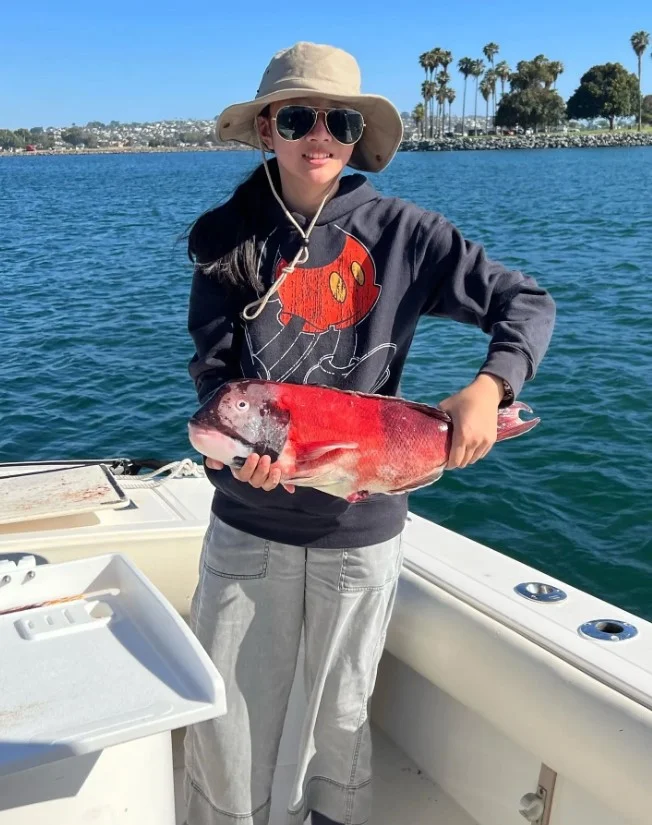
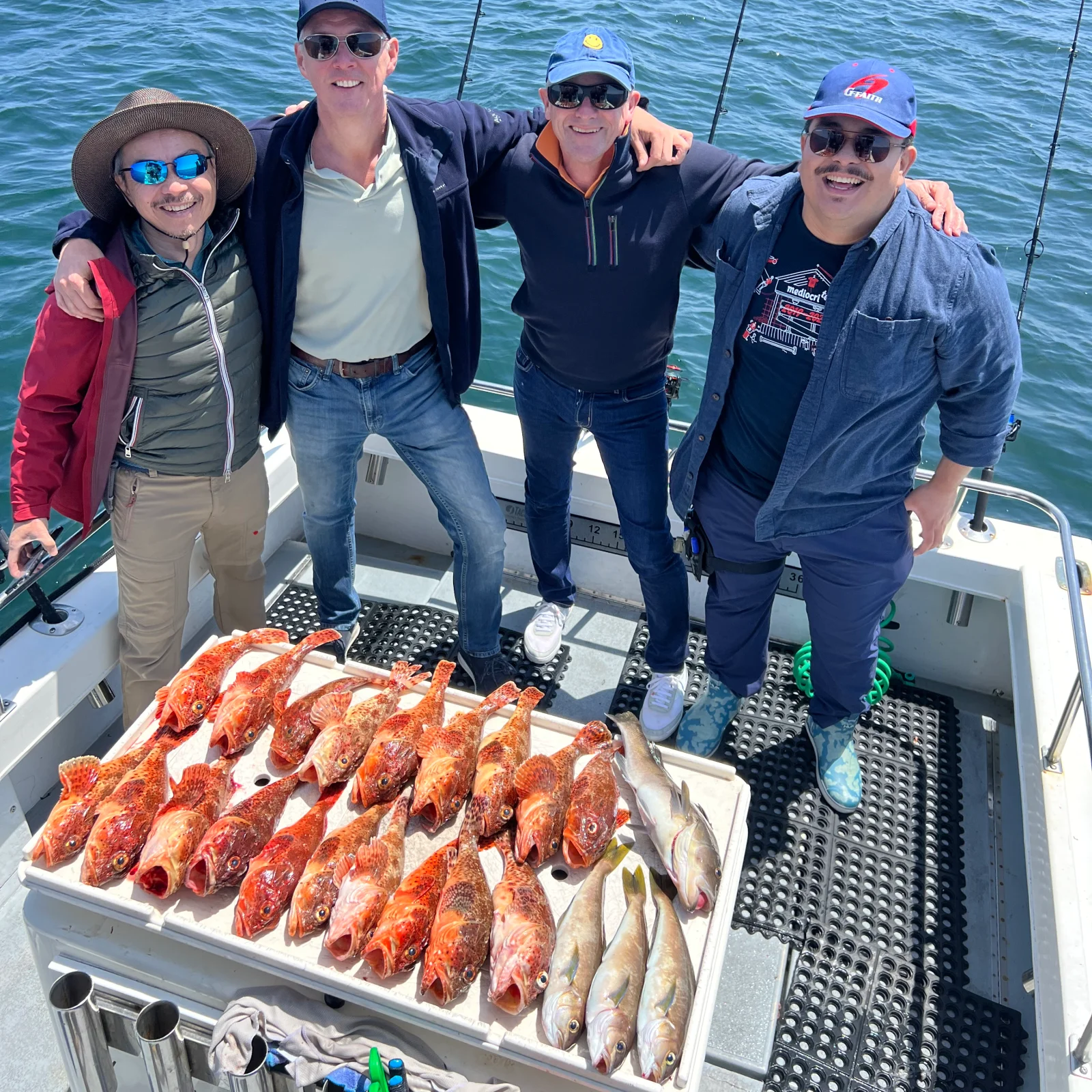
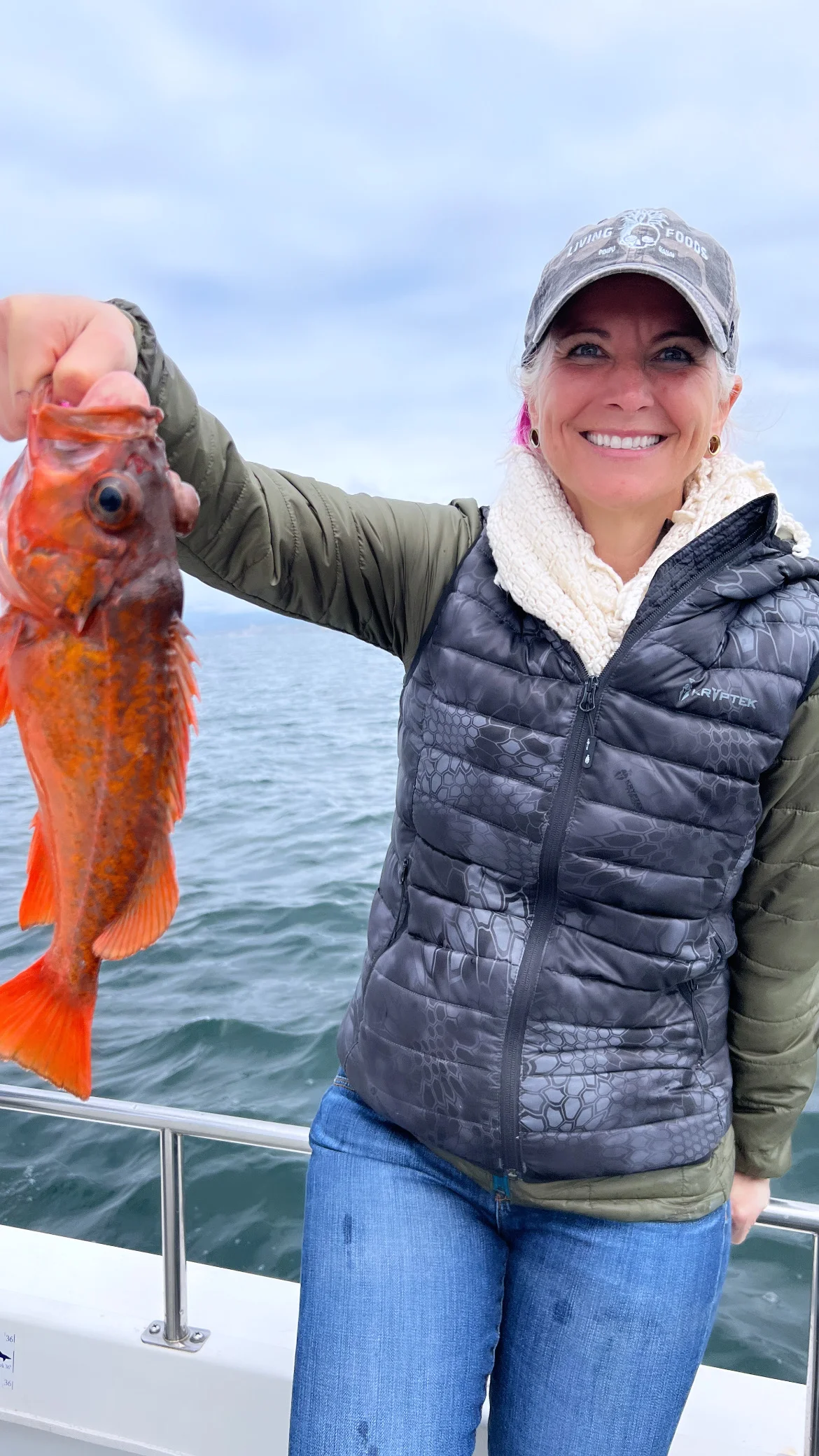
Rockfish are another prominent species sought after in the Pacific Ocean's inshore waters. These bottom-dwelling fish inhabit rocky reefs, kelp forests, and underwater structures along the coastline. Lingcod, known for their voracious appetite and powerful fights, are often caught alongside rockfish. Anglers use jigging techniques or baited rigs to entice these species, with depths and locations varying depending on local regulations and seasonal migrations.
Further south, in coastal regions of Mexico and Central America, species like roosterfish and snook become targets for inshore anglers. Roosterfish, celebrated for their distinctive dorsal fin and acrobatic behavior, are prized catches along sandy beaches and rocky points. Snook, on the other hand, prefer mangrove-lined estuaries and tidal flats, where anglers use live bait or artificial lures to tempt these elusive predators. Understanding the behavior and habitat preferences of these species is key to successful inshore fishing adventures in the diverse Pacific Ocean.