Recently Booked Nearshore Fishing Charters In Virginia
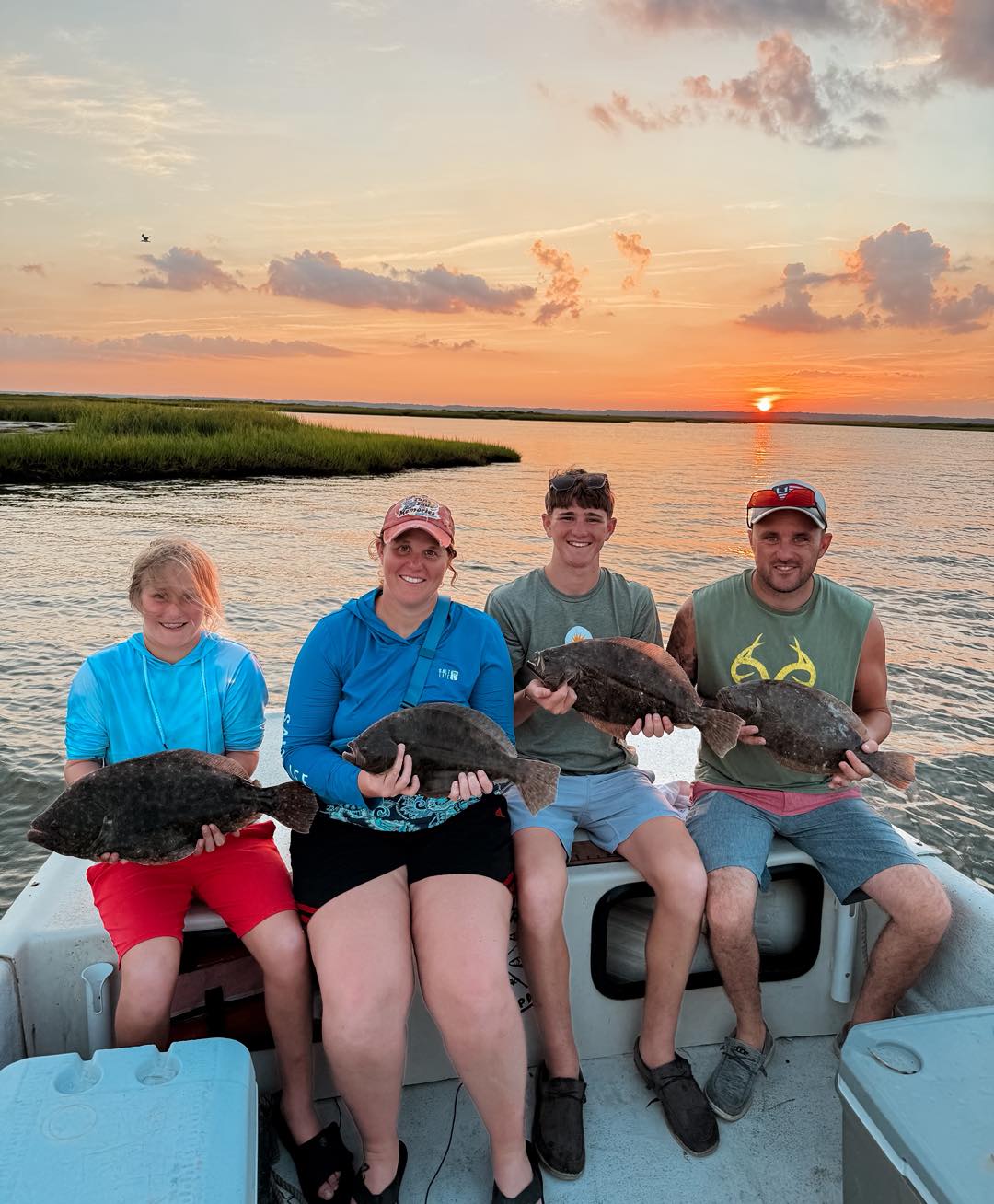
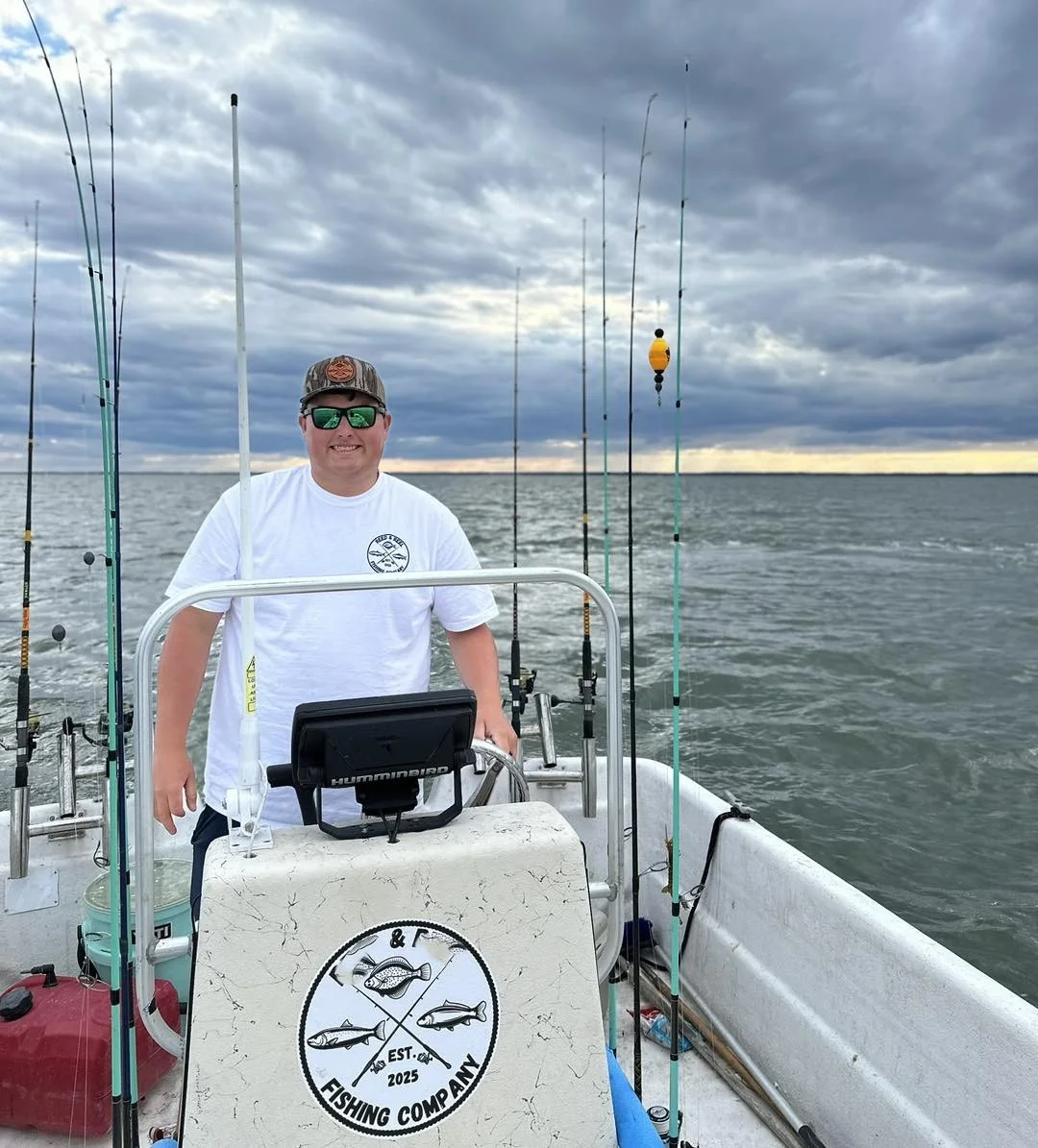
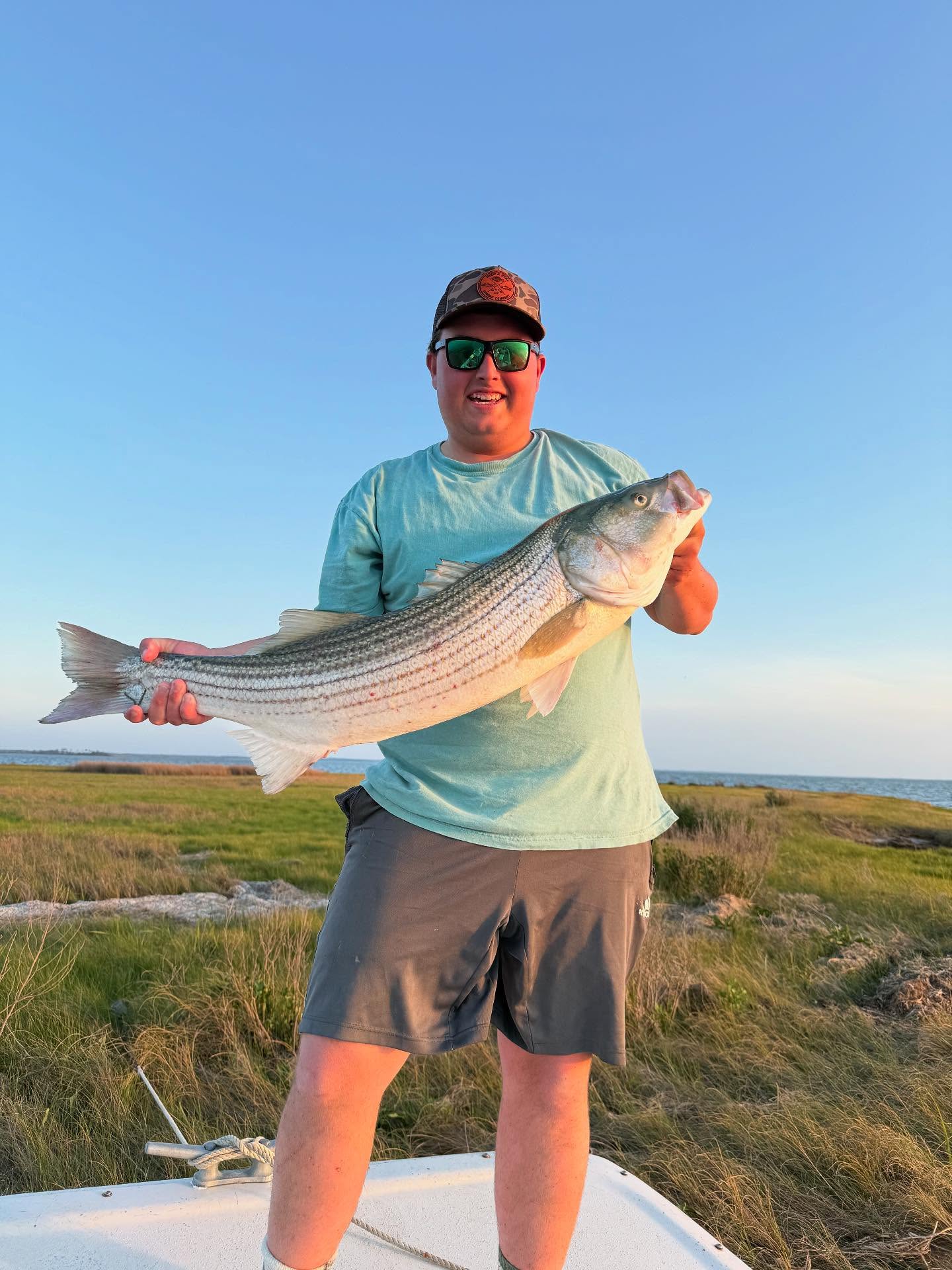
Inshore, Nearshore, Flats in Chincoteague
Chincoteage Trips
Nearshore Fishing in Virginia Beach
Cobia Fishing Charter
Nearshore Fishing in Virginia Beach
Half Day Bay Trip
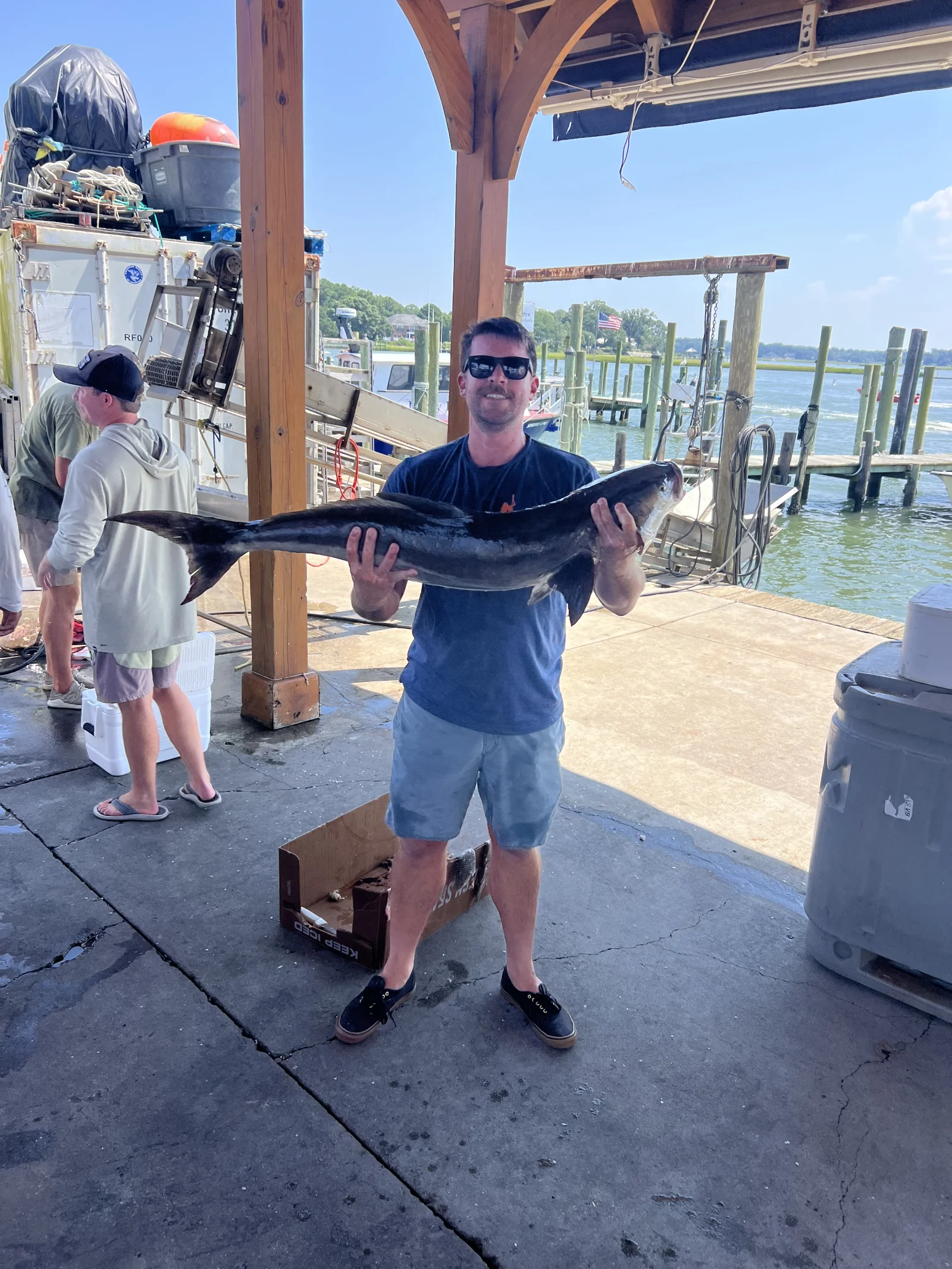
Nearshore Fishing in Virginia Beach
8 Hour Bay Trip
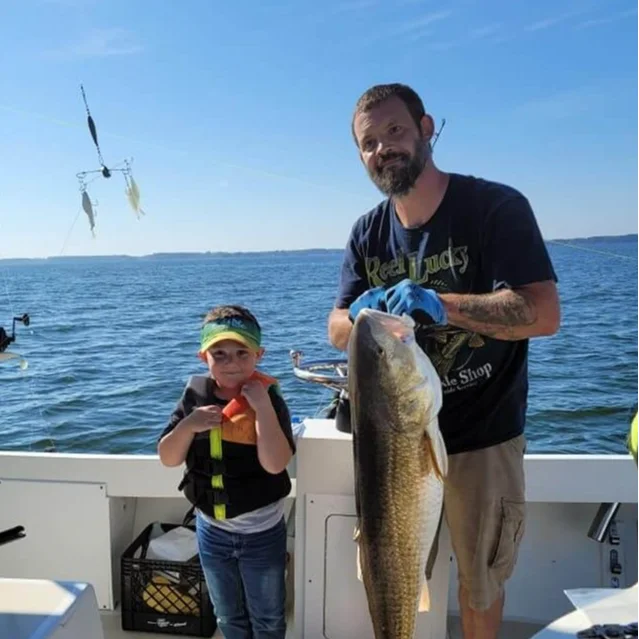
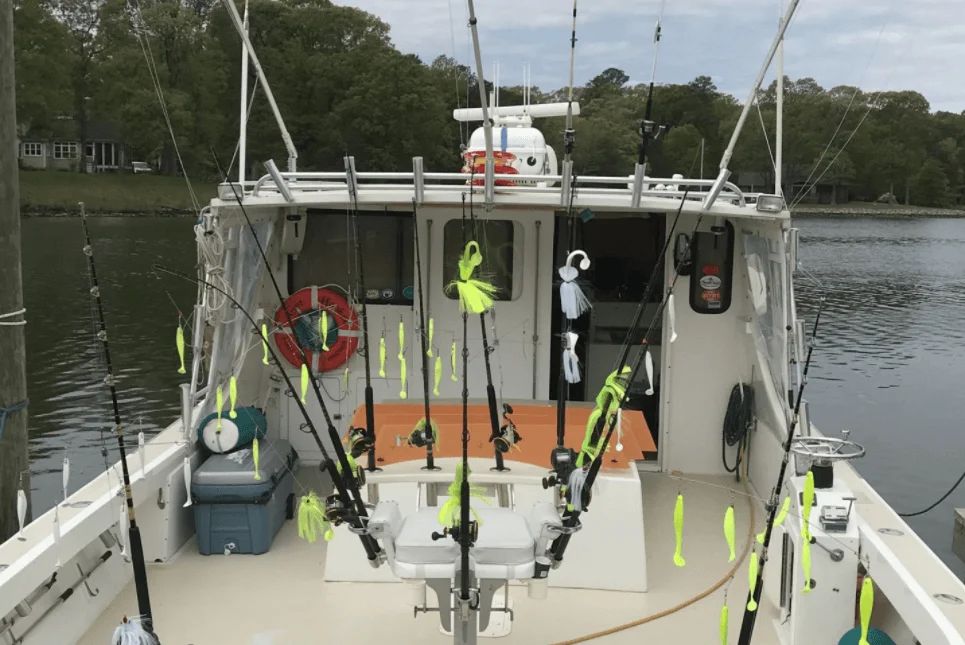
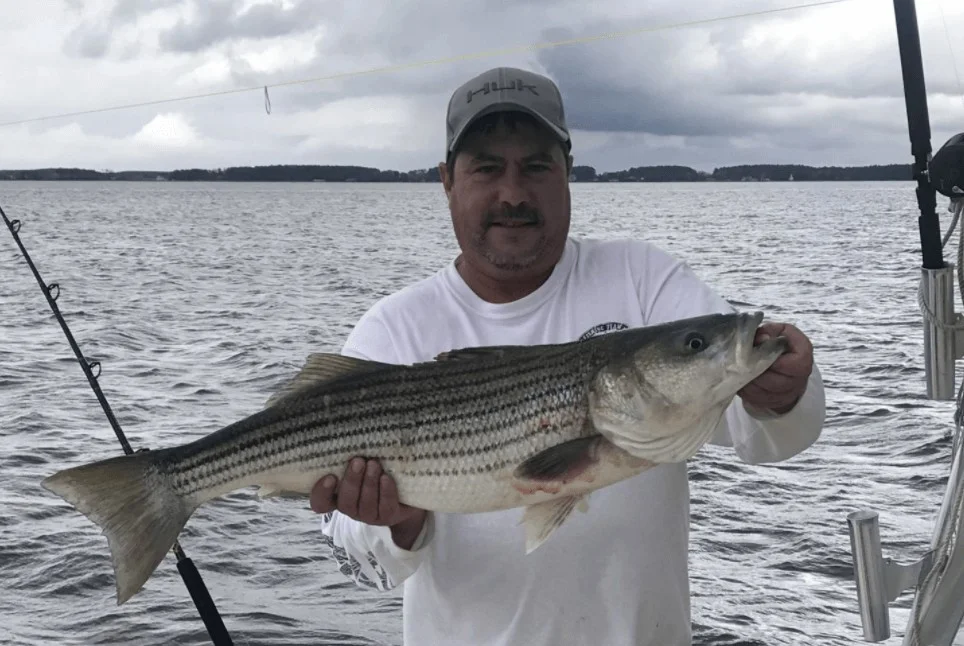
Inshore, Nearshore, River in Reedville
Full Day Fishing Trip - 40’ Evans
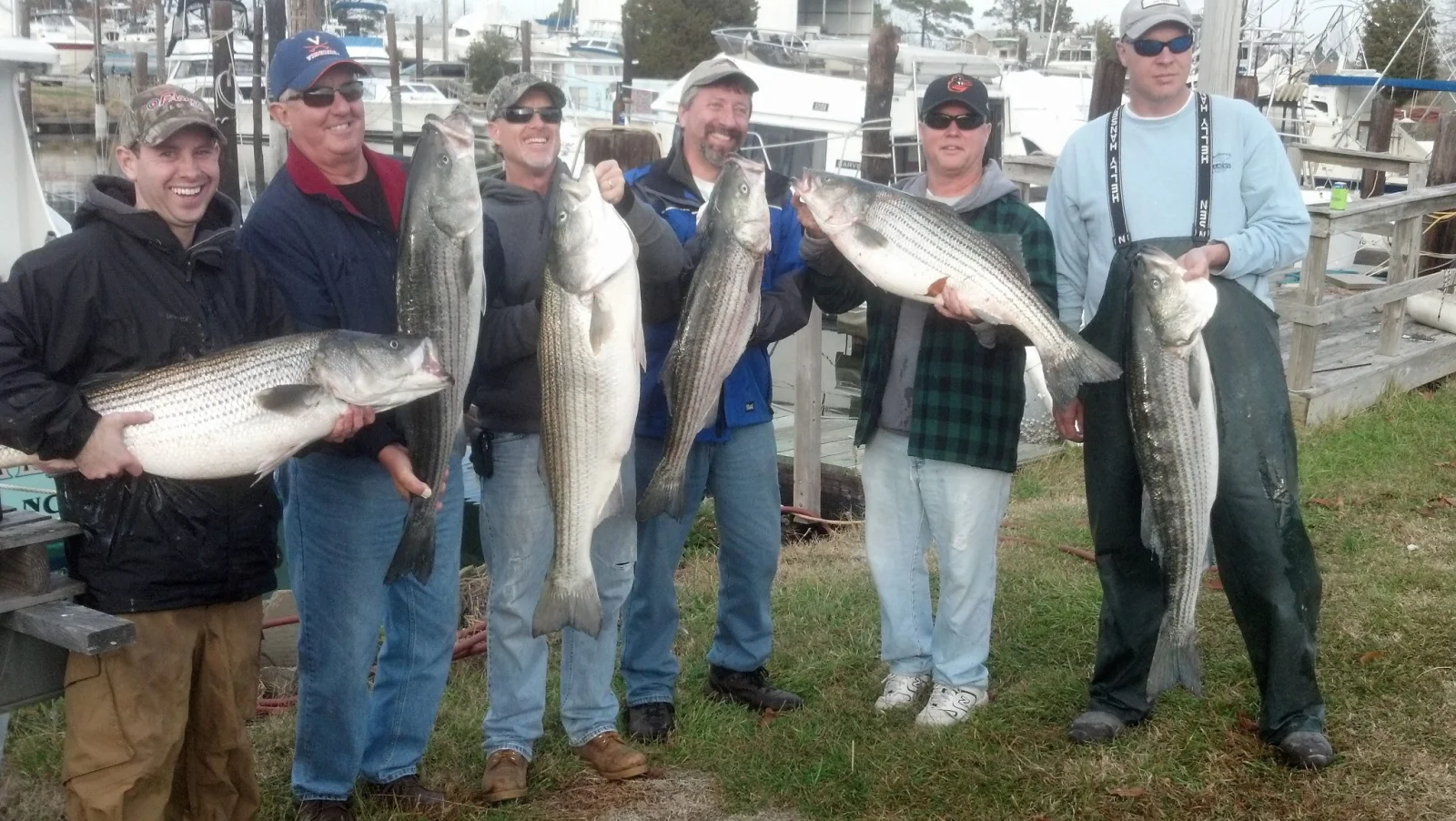
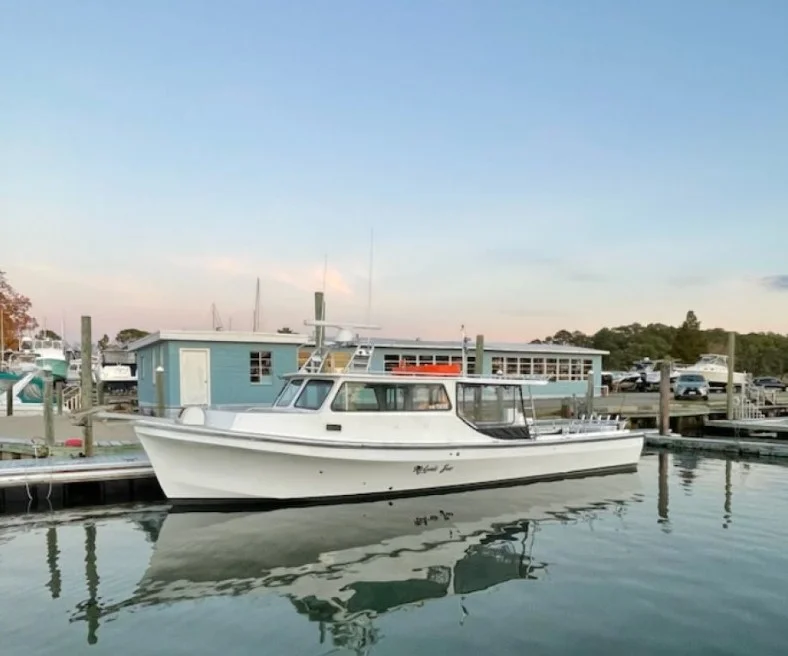
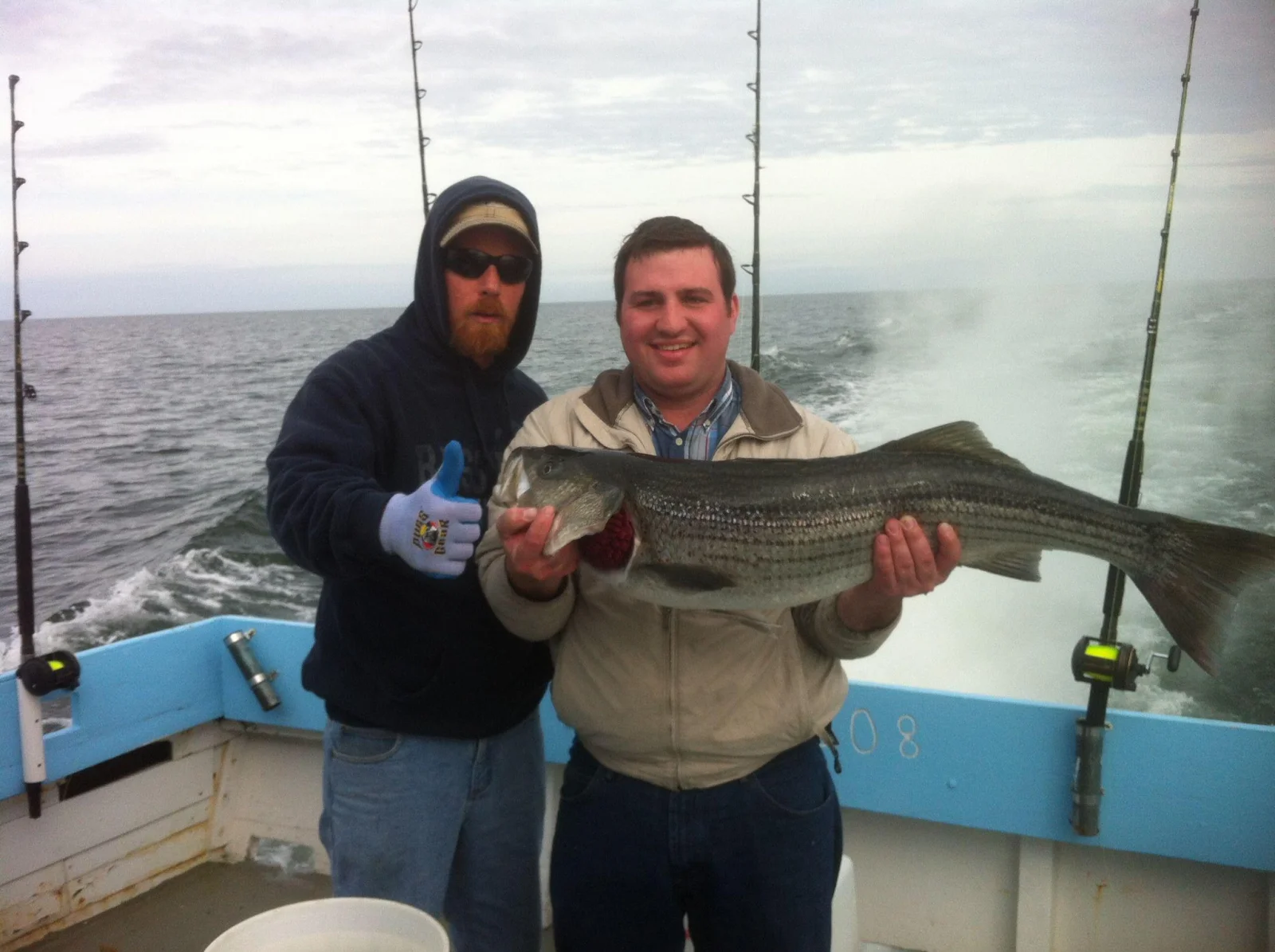
Inshore, Nearshore Fishing in Hampton
Chesapeake Bay Half & 3/4 Day Trips
What makes Captain Experiences Damn Good?
Damn Good Guides
You will only find quality, vetted guides on Captain Experiences, and we know them all on a first-name basis.
Experts Available 24/7
Our US-based team is available 24/7 to help you with any questions or concerns.
100% Weather Guarantee
We want to keep everyone safe, so if the weather is bad we'll work with you to reschedule at no cost.
4.9 / 5 Average Rating
We hand pick our Damn Good Guides, and our network spans across North America and beyond.
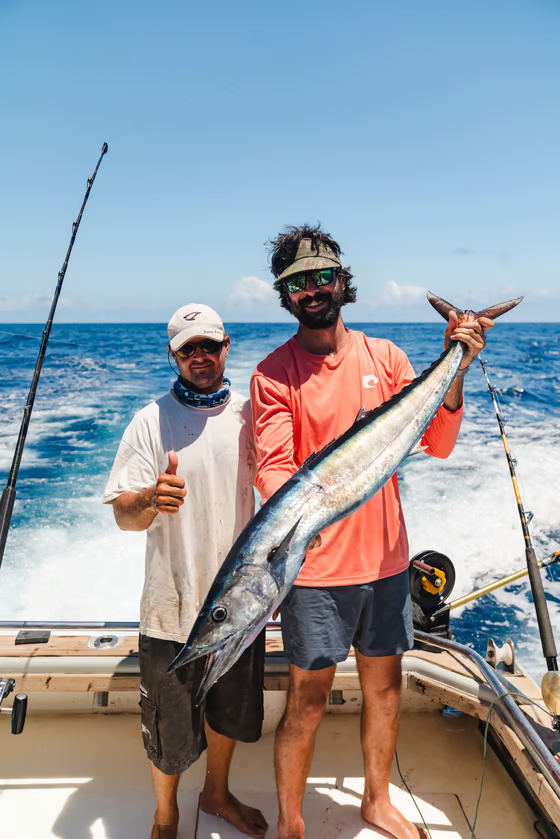
“Our Damn Good Guides go above and beyond, and we've handpicked every single one. We're passionate about the outdoors and look forward to getting you out on the trip of a lifetime, every time.”
Jonathan and Attison | Co-founders | Austin, Texas
Top Species for Nearshore Fishing in Virginia
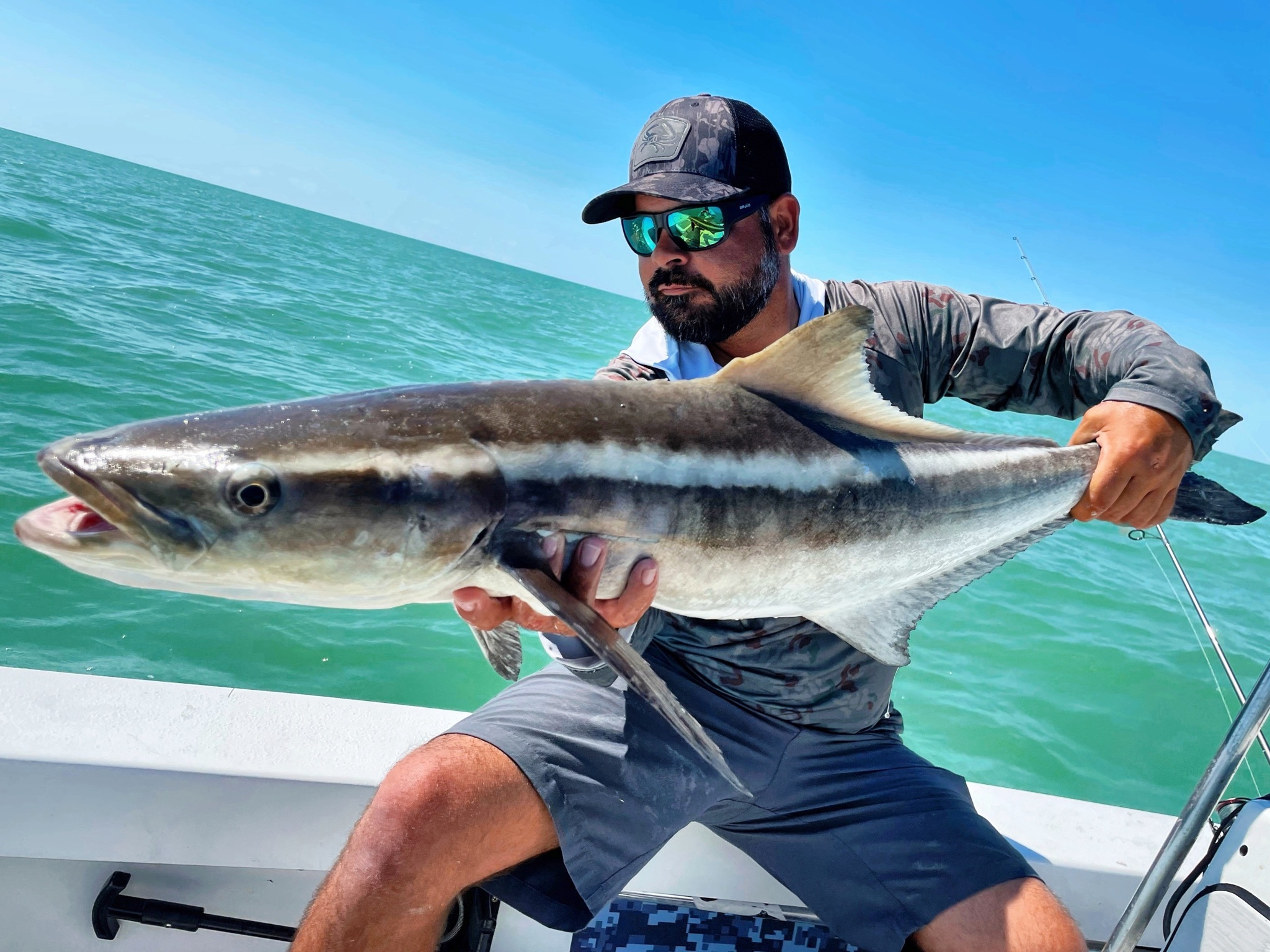
More Nearshore Fishing Charters In Virginia
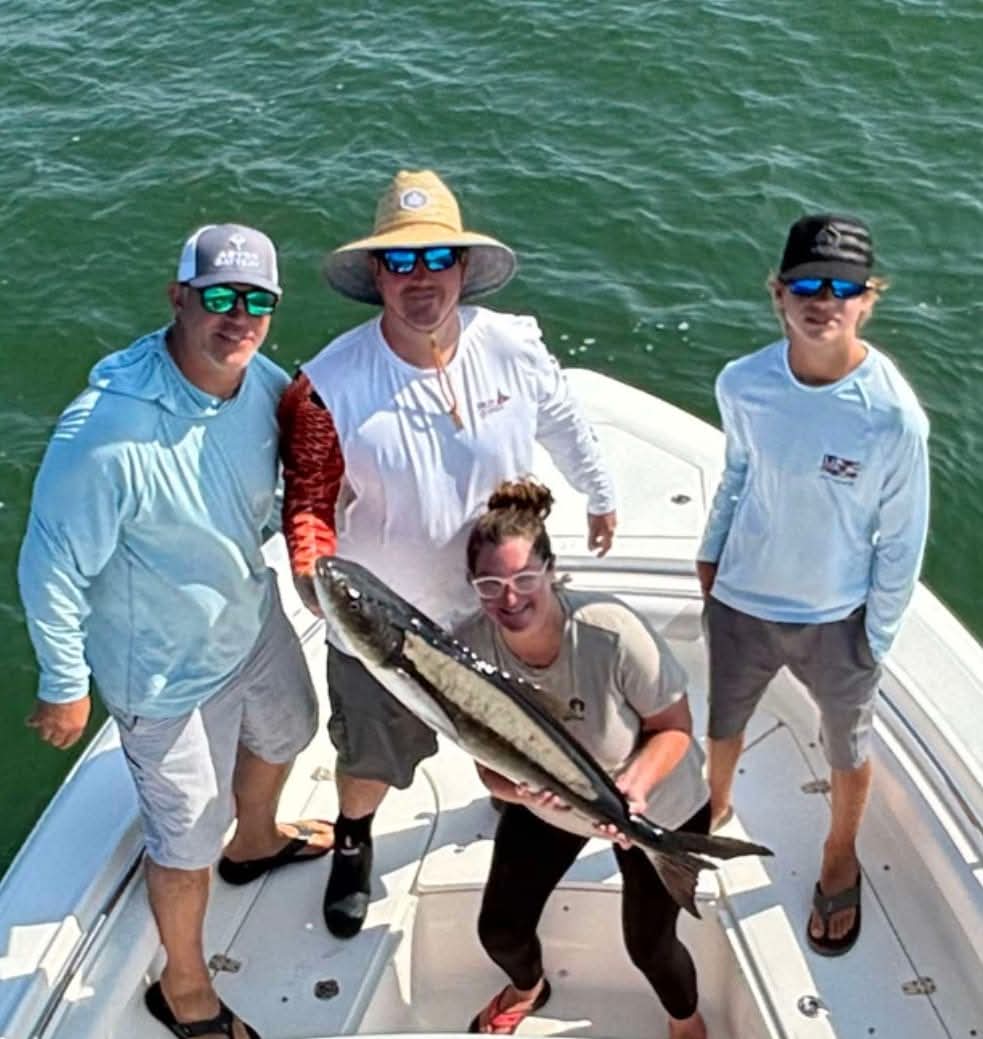
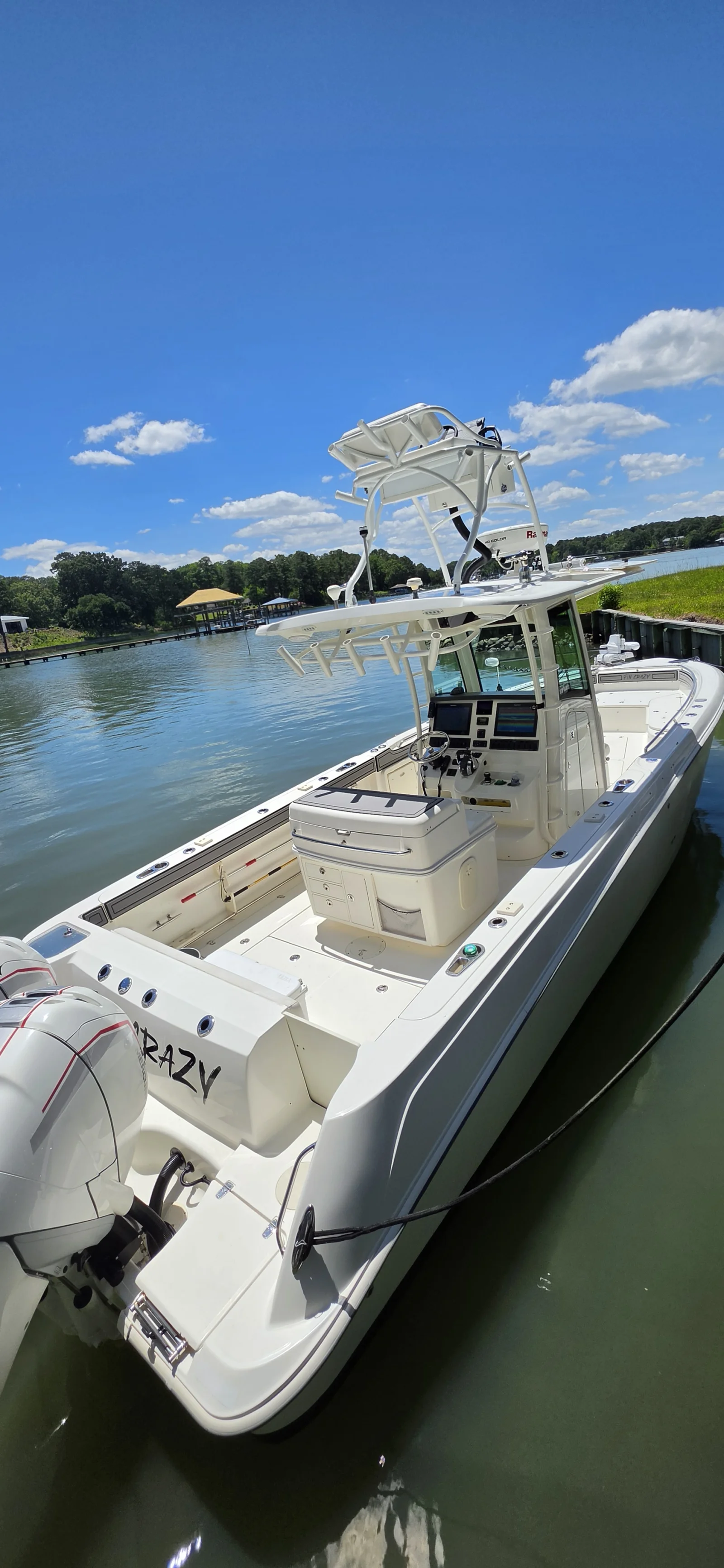
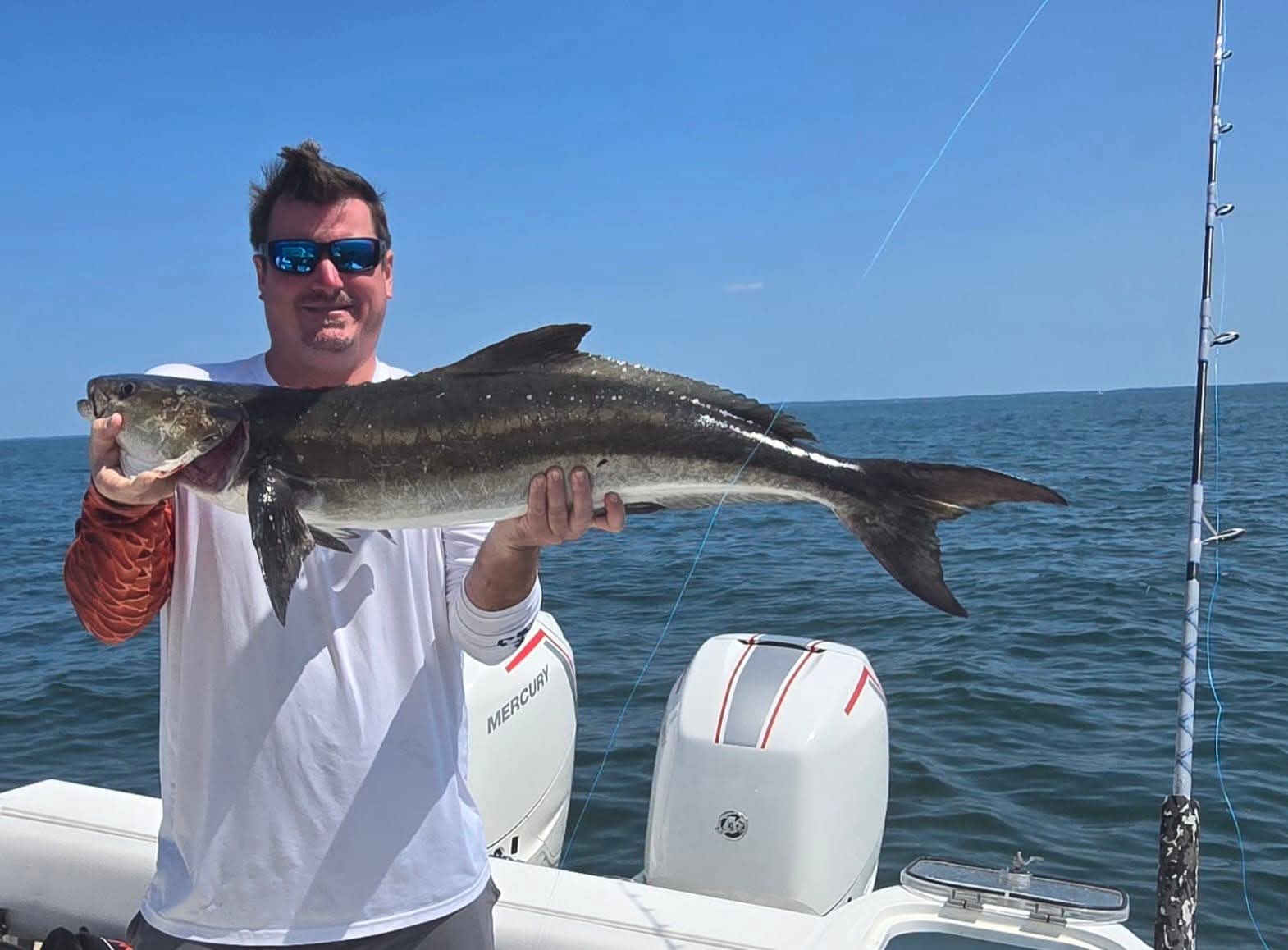
Nearshore Fishing in Virginia Beach
Cobia Sight Fishing
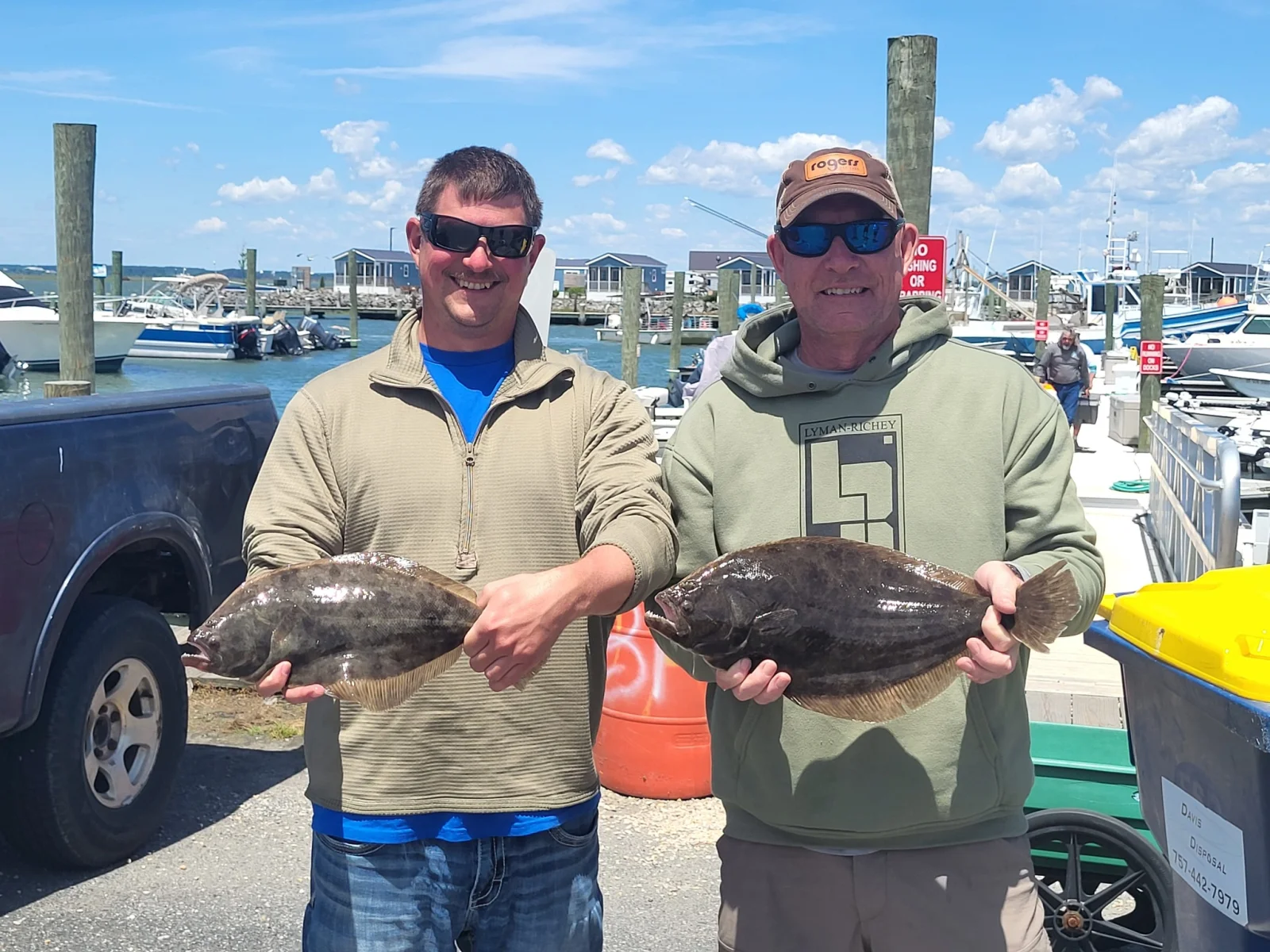
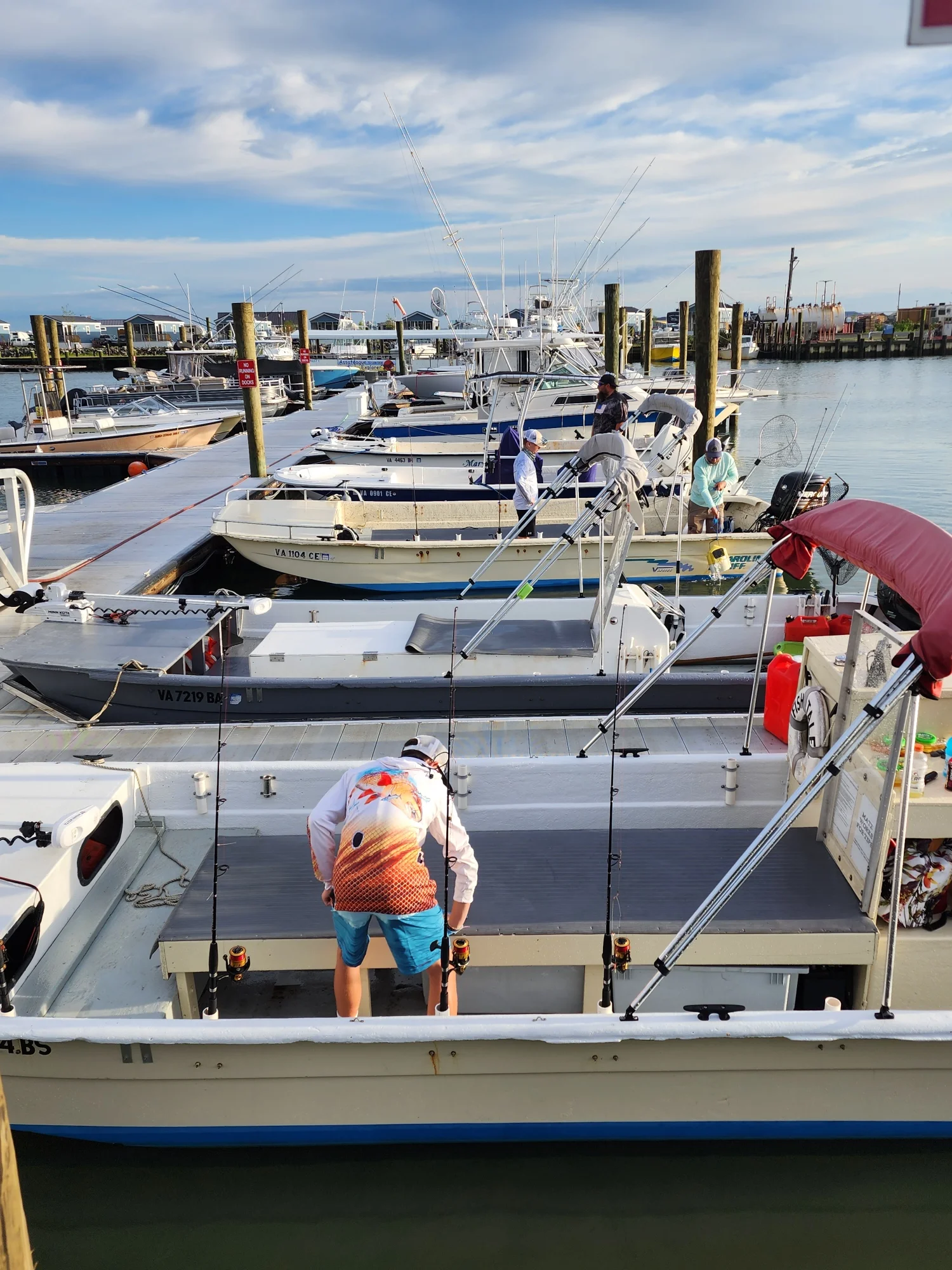
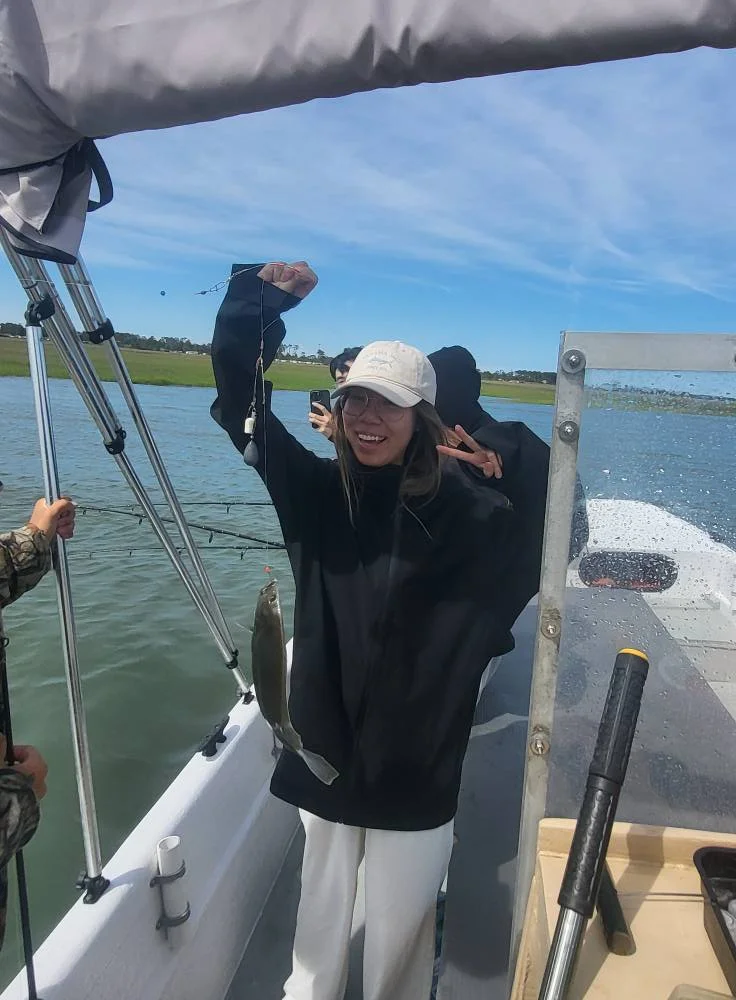
Inshore, Nearshore Fishing in Chincoteague
4hr Fishing Trip
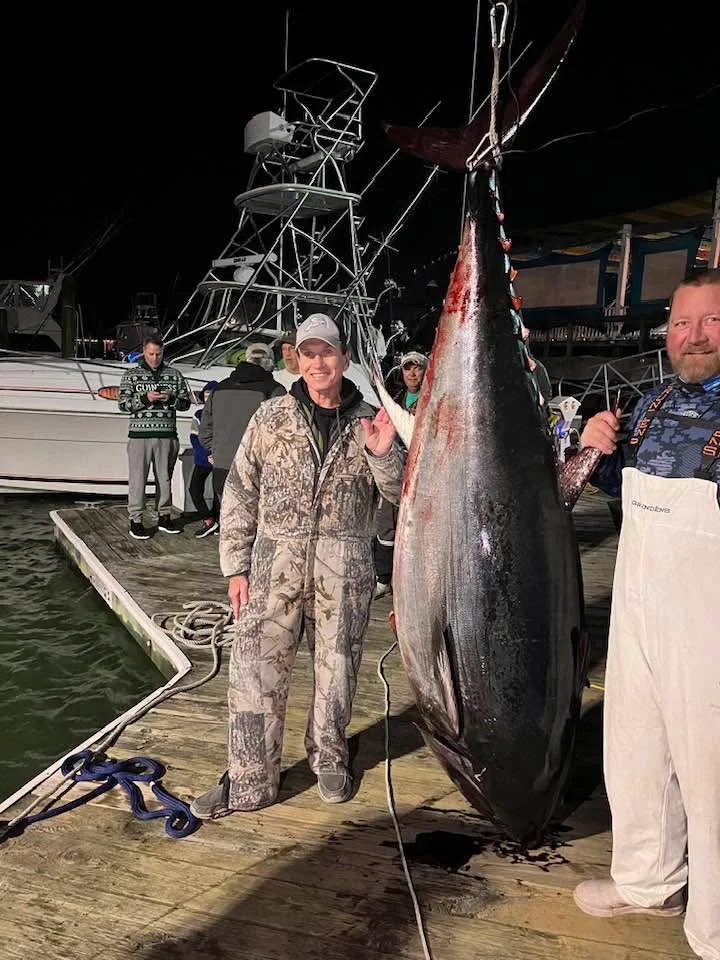
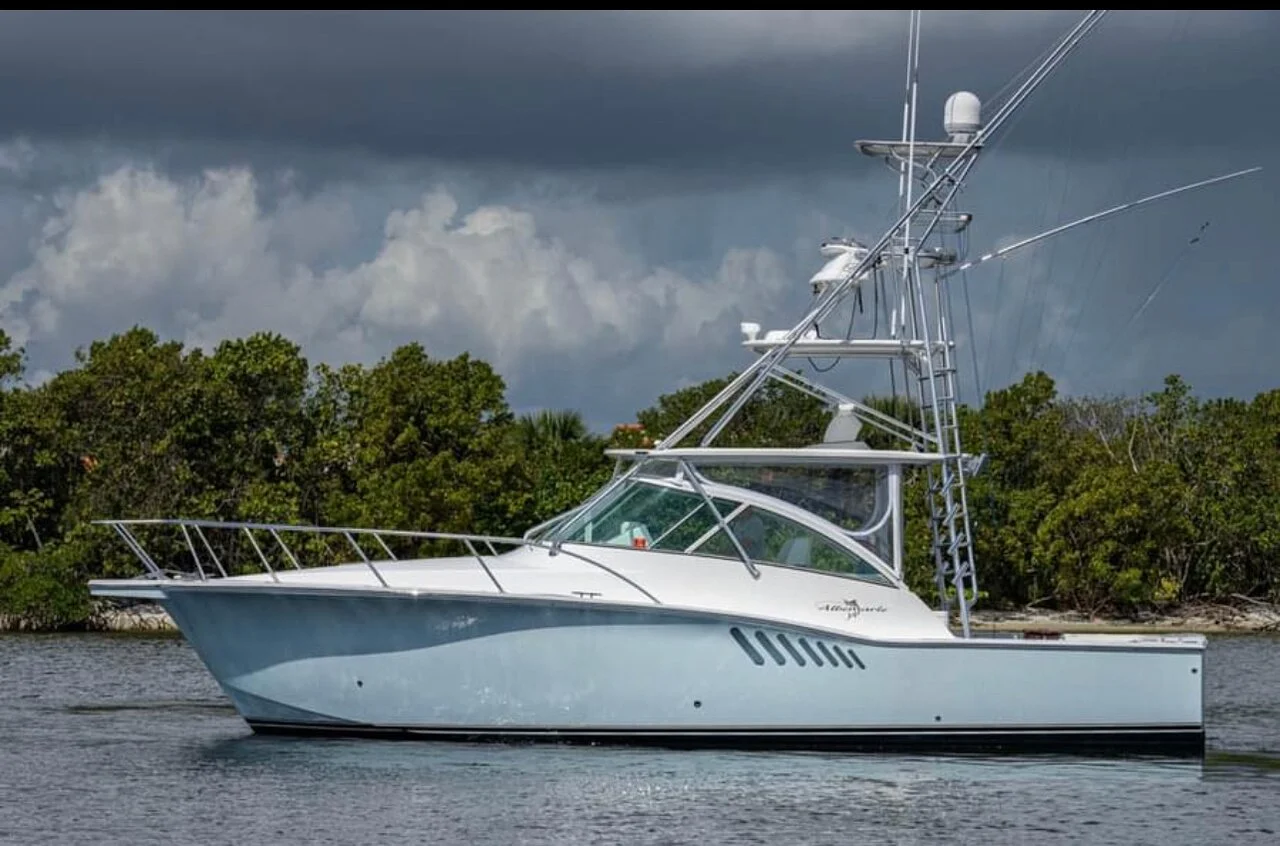
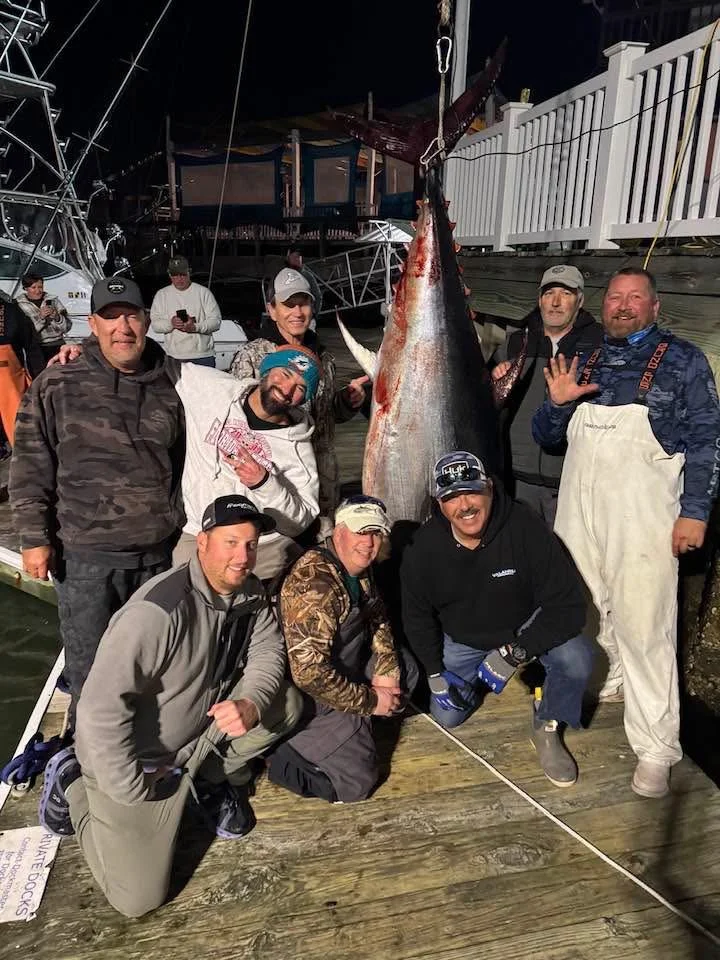
Nearshore Fishing in Virginia Beach
Winter Bluefin Tuna Fishing
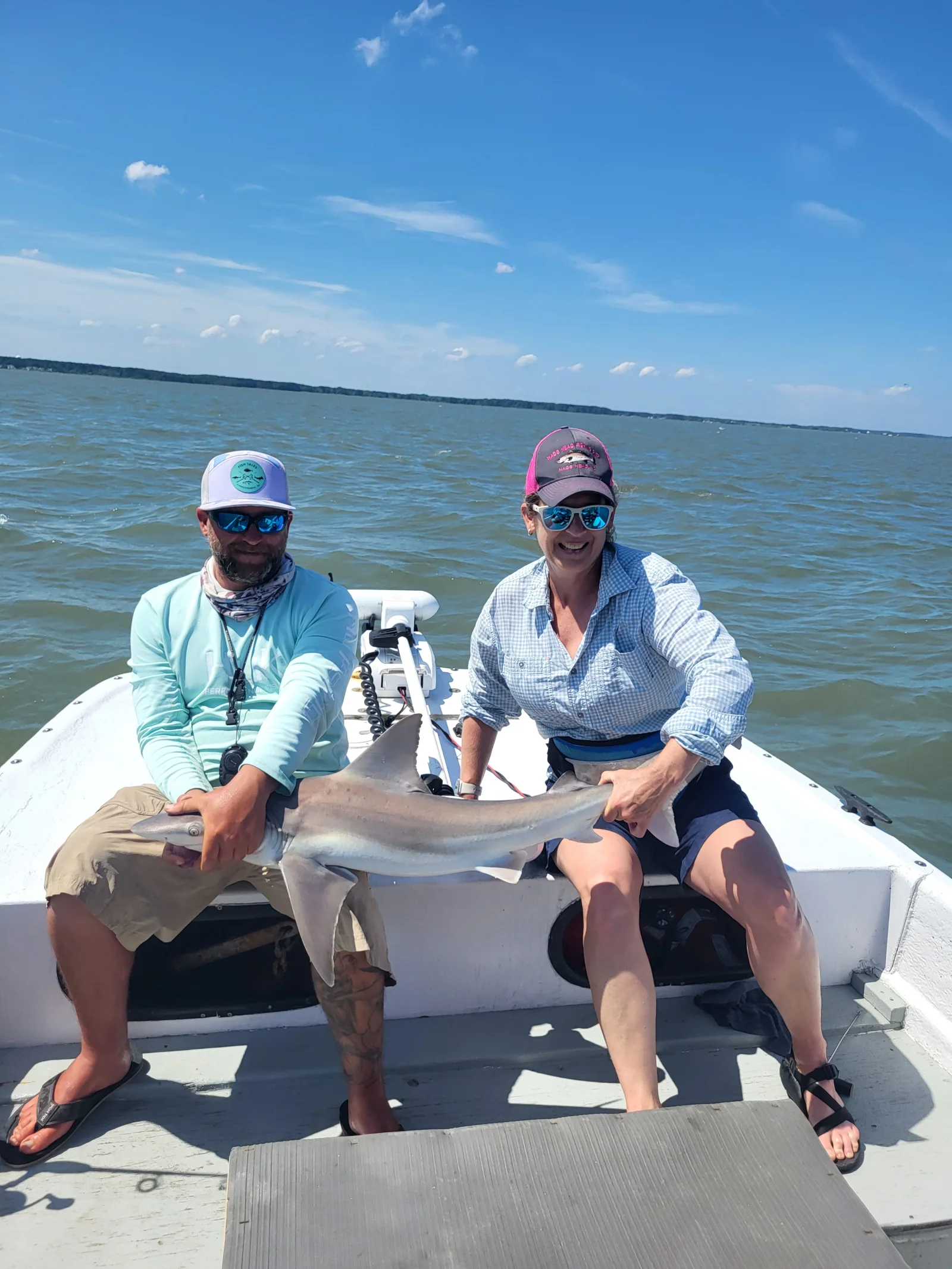
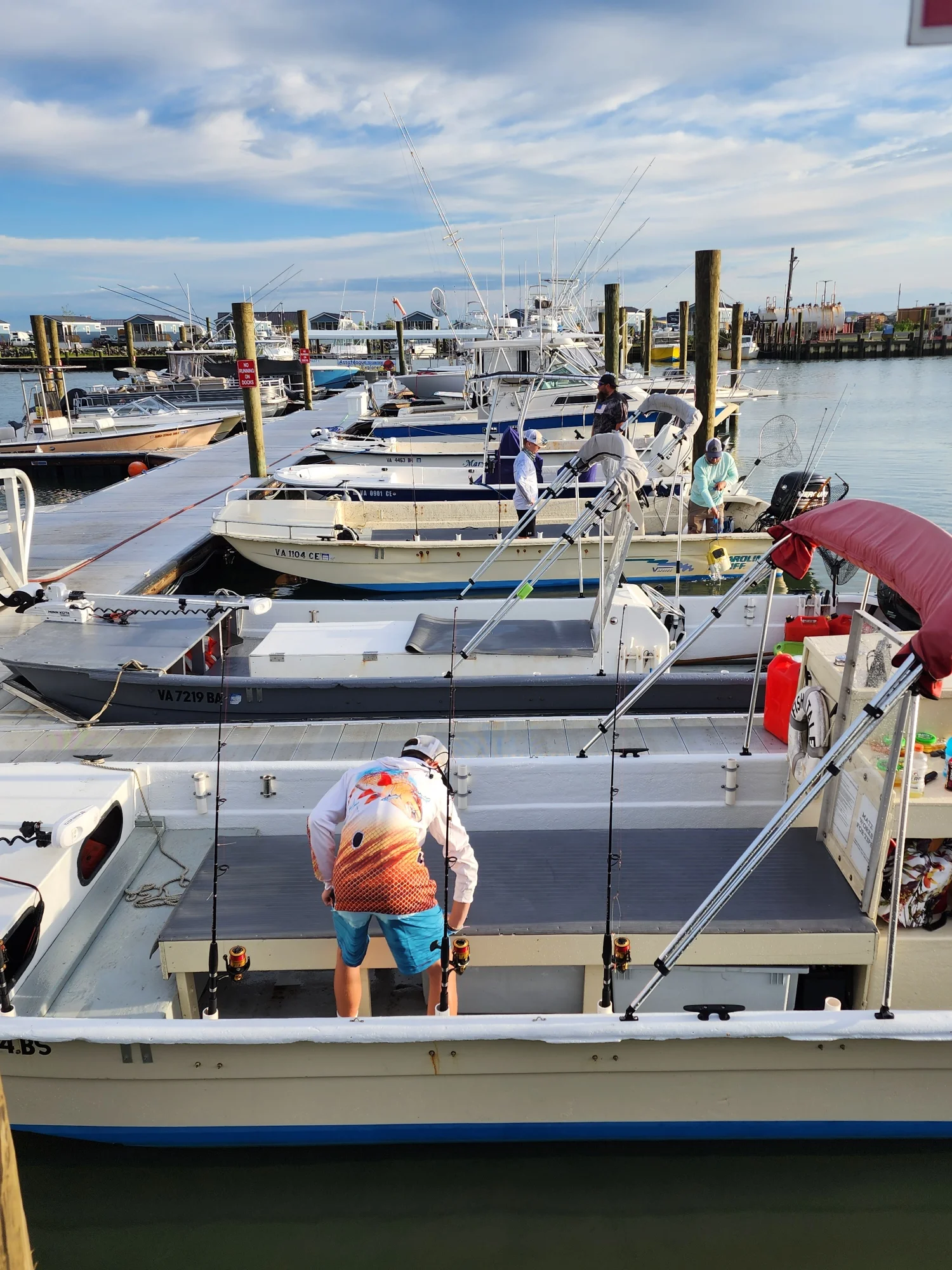
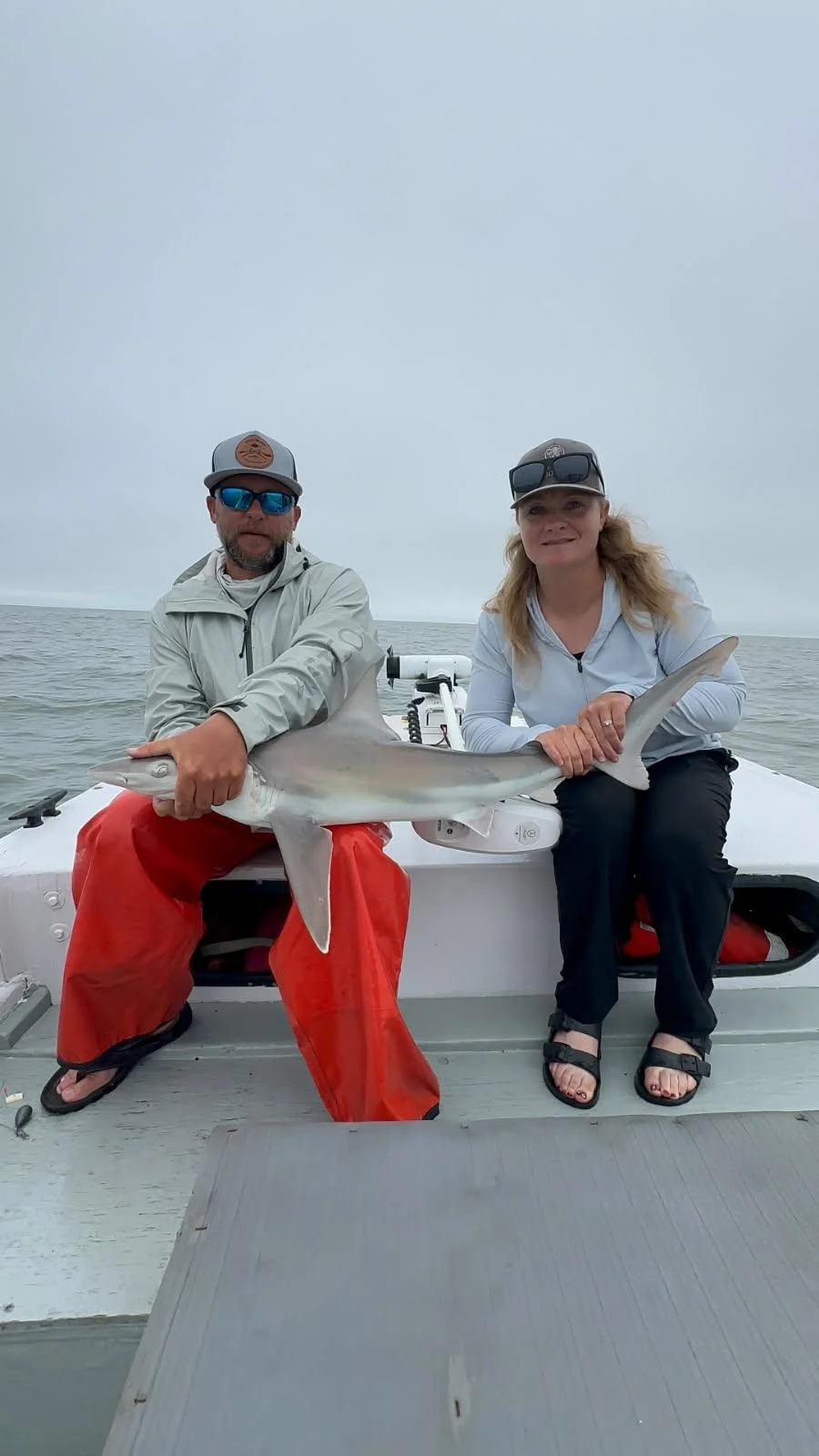
Inshore, Nearshore Fishing in Chincoteague
Shark Fishing
Inshore, Nearshore Fishing in Virginia Beach
Virginia Beach Inshore/Nearshore
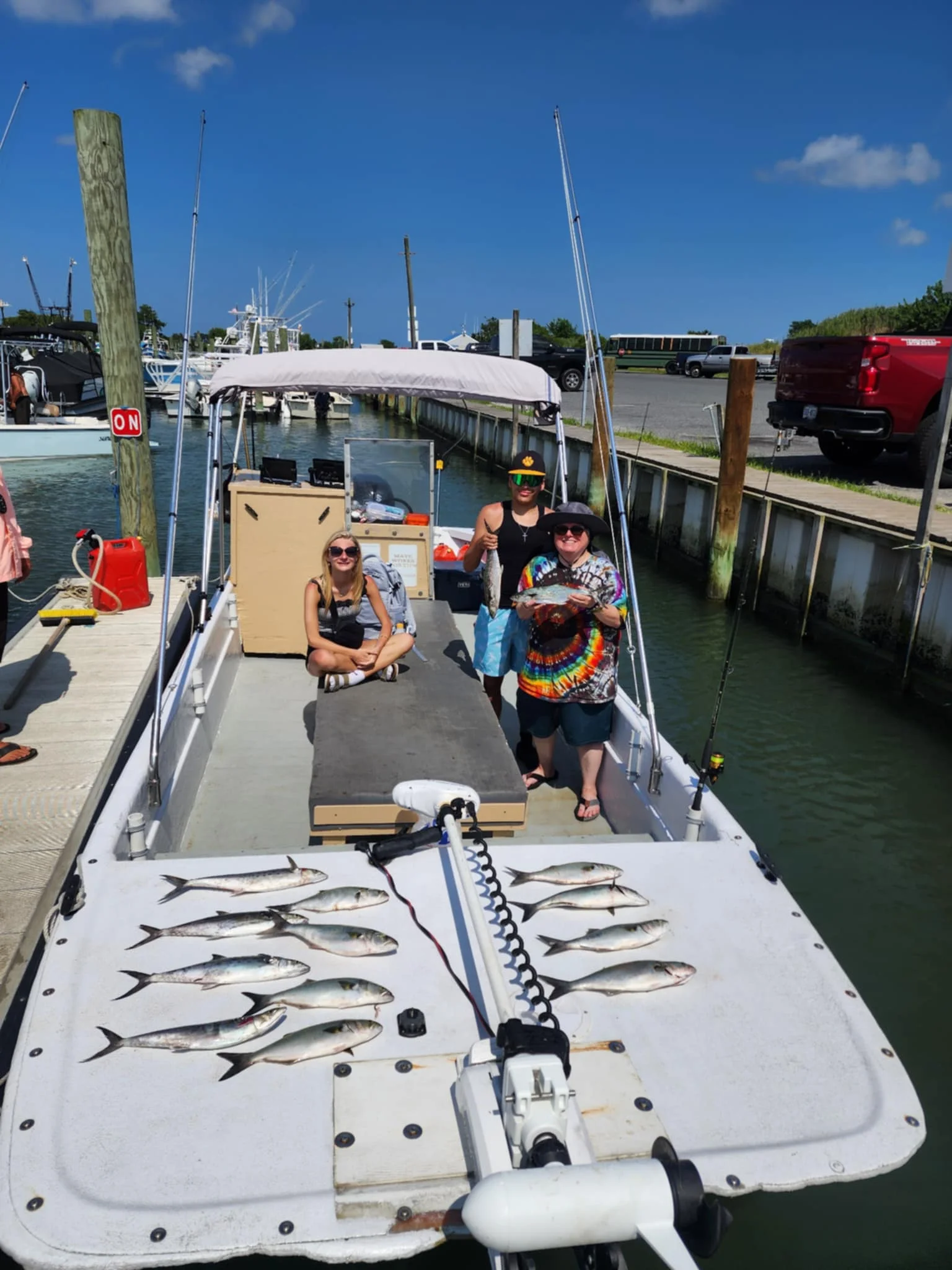
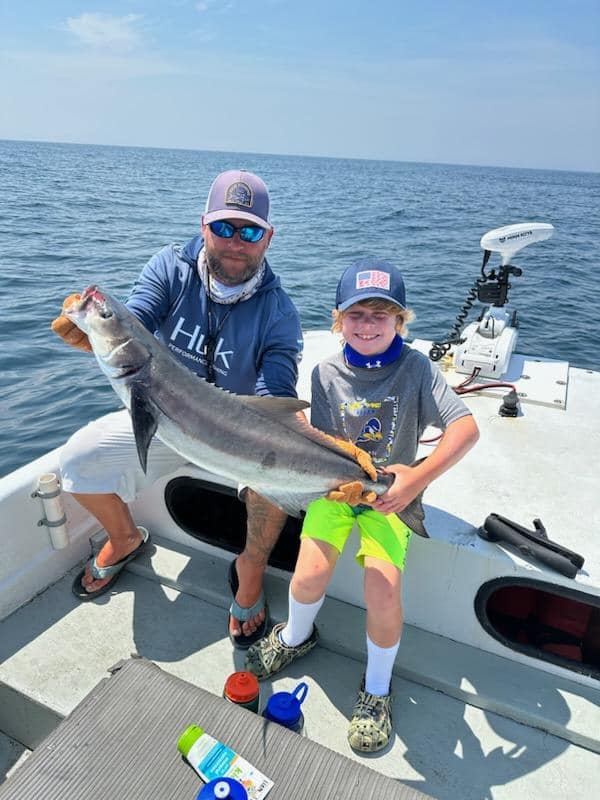
Nearshore Fishing in Chincoteague
4-8 Hr Ocean Trip
Didn't Find What You Were Looking For?
Our guides are Damn Good Guides, which means they’re vetted by our team of outdoor experts who know them on a first-name basis. We hand pick each and every one of them, and our network spans all across the US and beyond.
The proof is in the pudding, and we’re incredibly proud of our 4.9 / 5 average review score. Hit the button below to see more trip options:
Everything to Know About Booking a Virginia nearshore fishing charter
What are the best nearshore fishing charters in Virginia?
The best nearshore fishing charters in Virginia are:
- Fish tales guided by Andrew P.
- Nauti Dog Sportfishing guided by Kaleb U.
- Puttin'n Sportsfishing guided by Preston H.
- Knot Tell'n Fishing Charters guided by Scott H. with 29 years of experience
- Get Hooked Charters guided by Buck S. with 33 years of experience
Why should I book a nearshore fishing charter in Virginia with Captain Experiences?
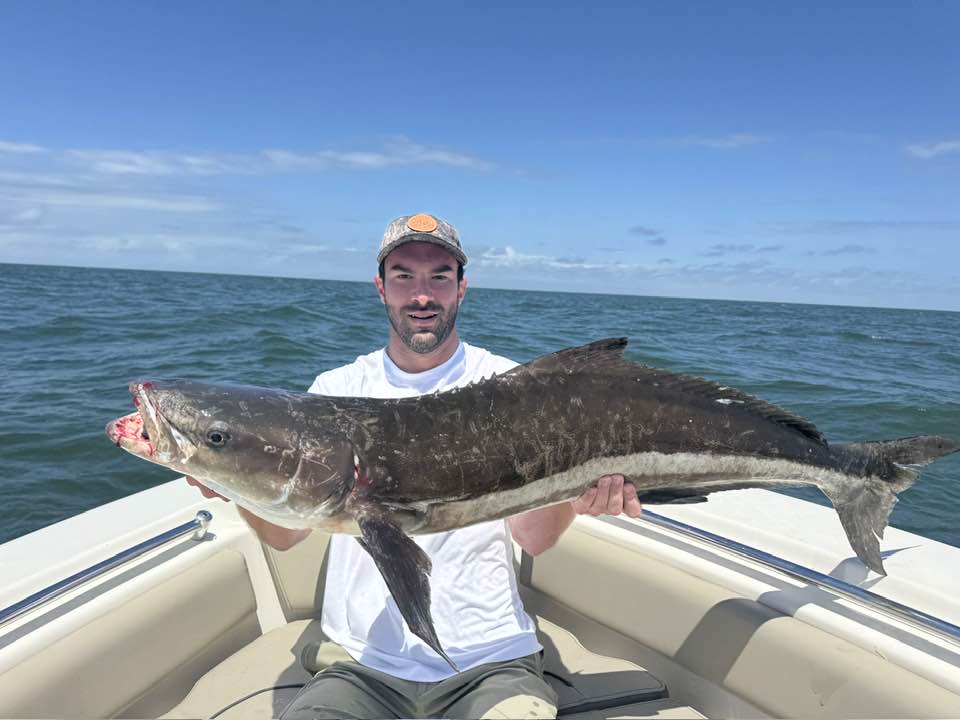
Our Damn Good Guides currently offer 14 nearshore trips in Virginia, and the most popular trips in the area are Chincoteage Trips guided by Billy, Cobia Fishing Charter guided by Kaleb, and Half Day Bay Trip guided by Preston.
Our guides in Virginia are rated a 4.5 out of 5 based on 9511 verified reviews on Captain Experiences.
All guides on Captain Experiences are vetted by our team. You can access their reviews, click through trip photos, read bios to get to know them, and preview trip details like species, techniques, group sizes, boat specs and more.
Looking for kid friendly nearshore guides / fishing lessons in Virginia? Check out our beginner and family friendly nearshore guides in Virginia.
What types of nearshore fishing charters are common in Virginia?
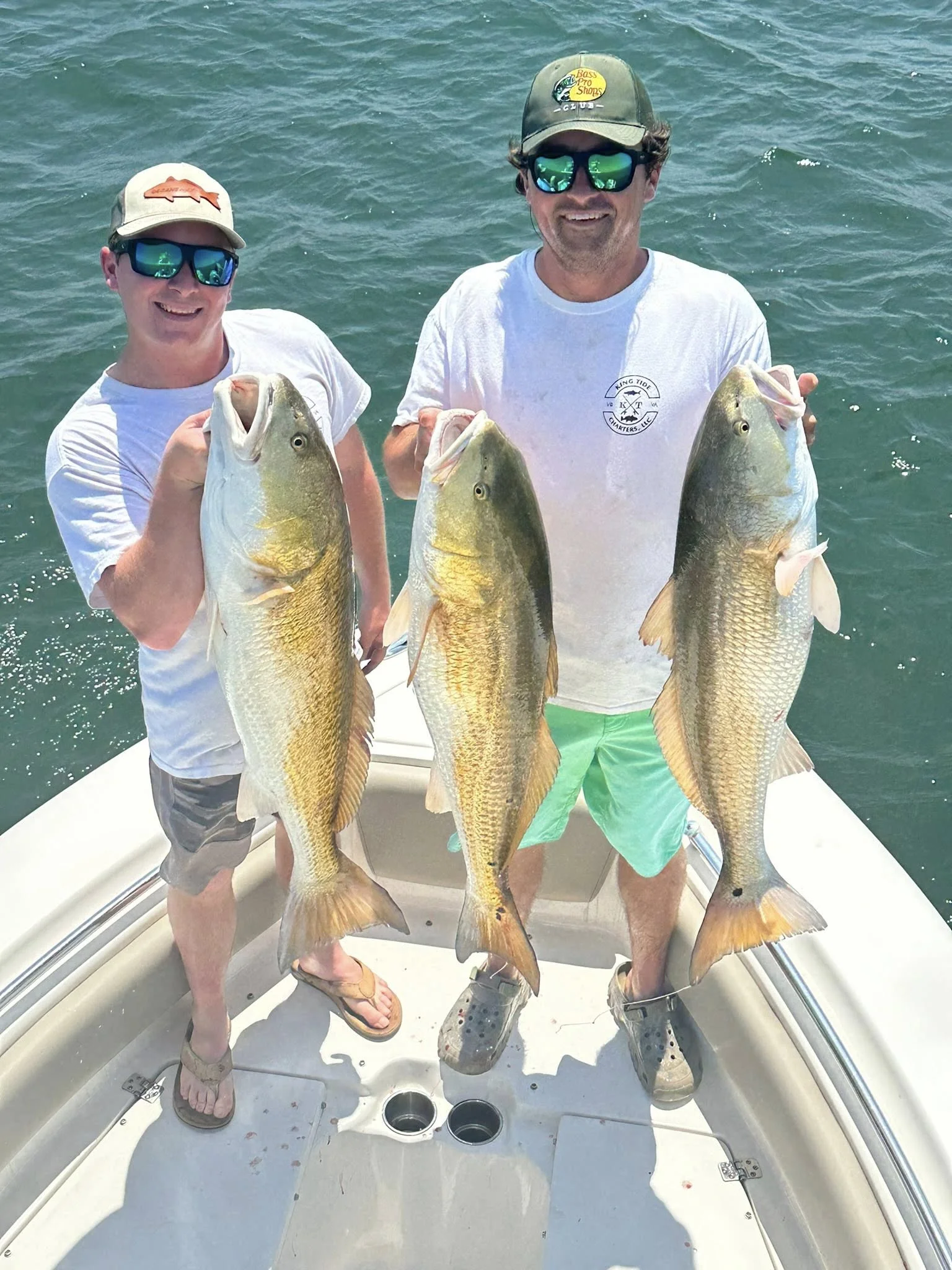
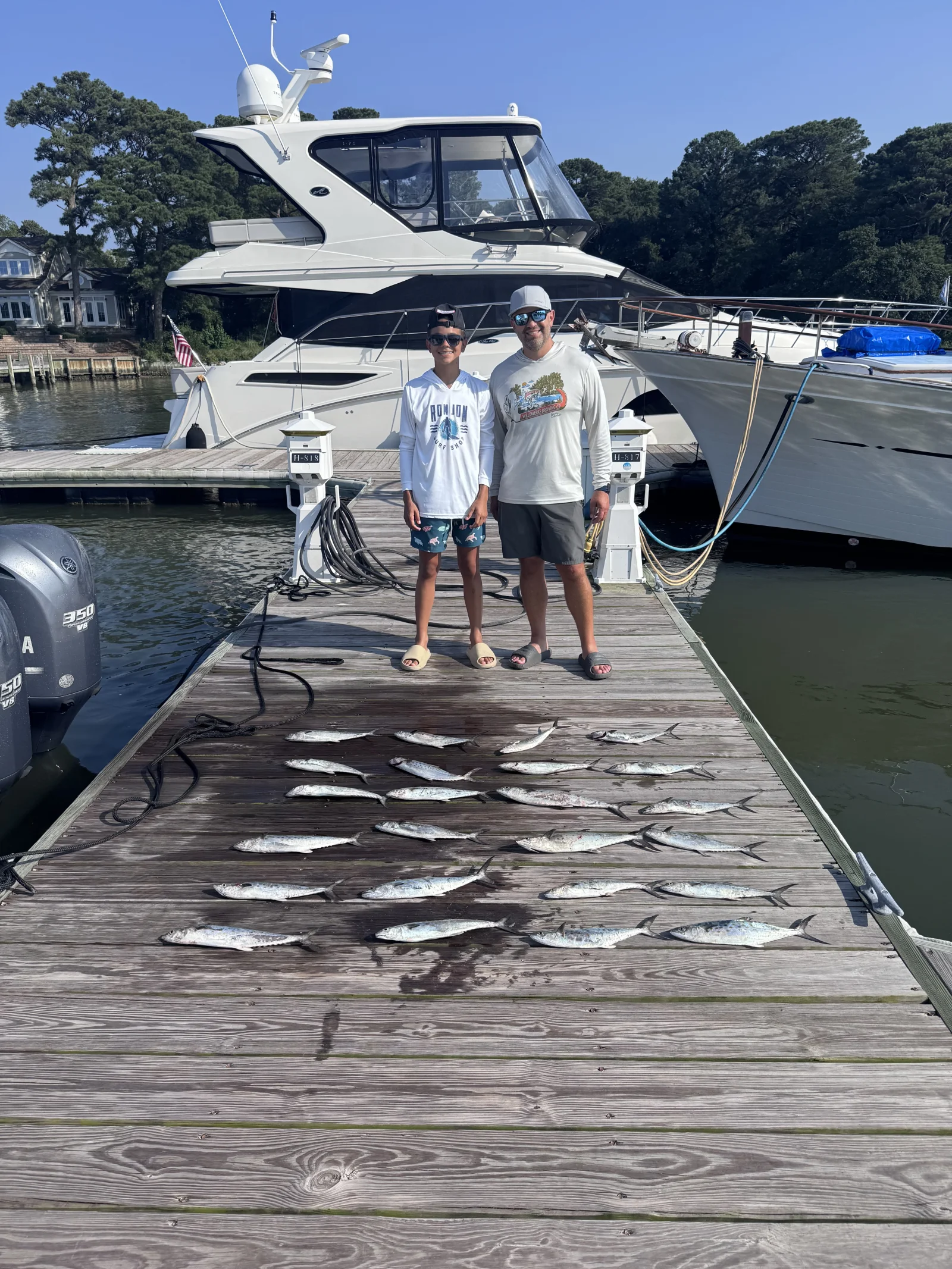
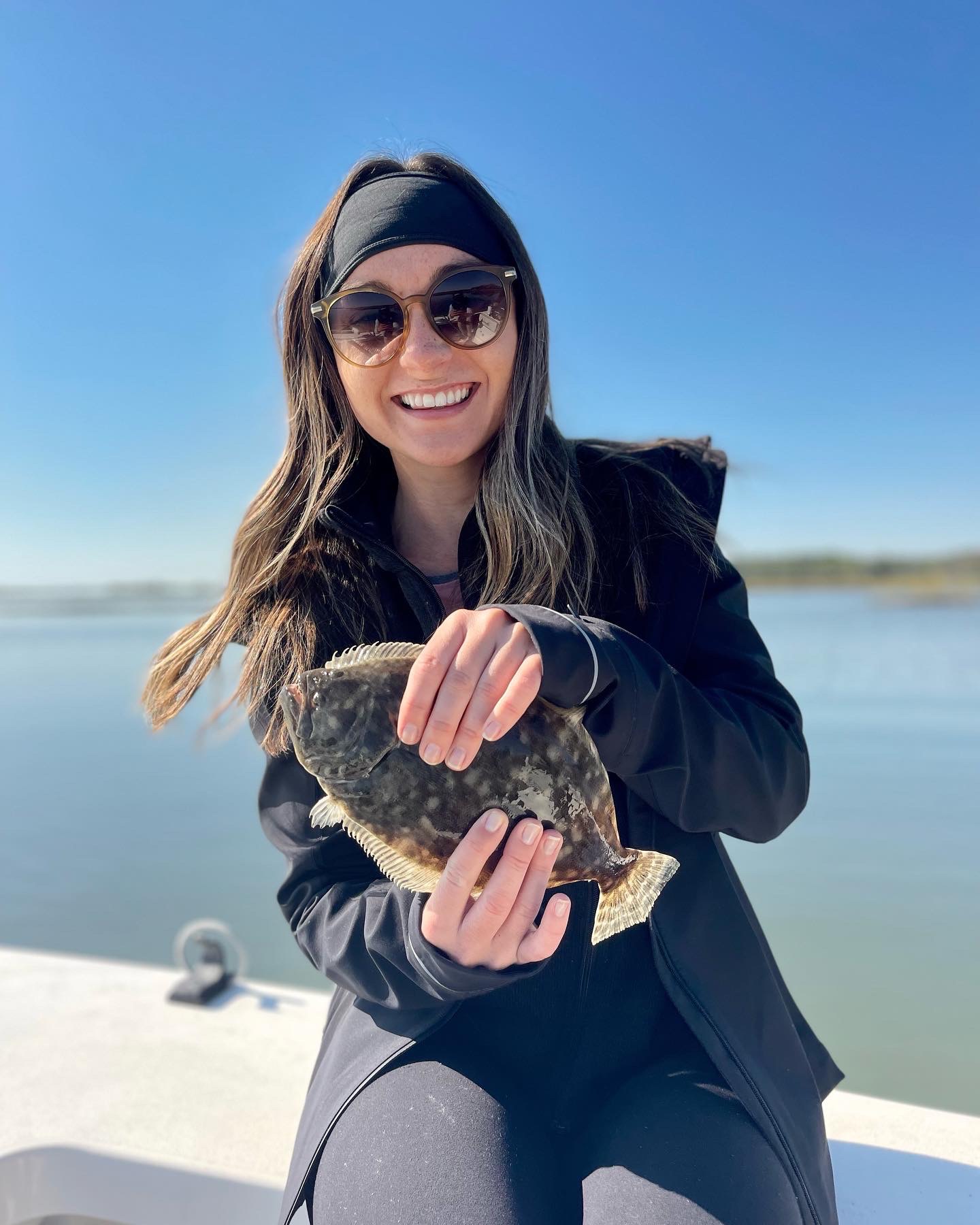
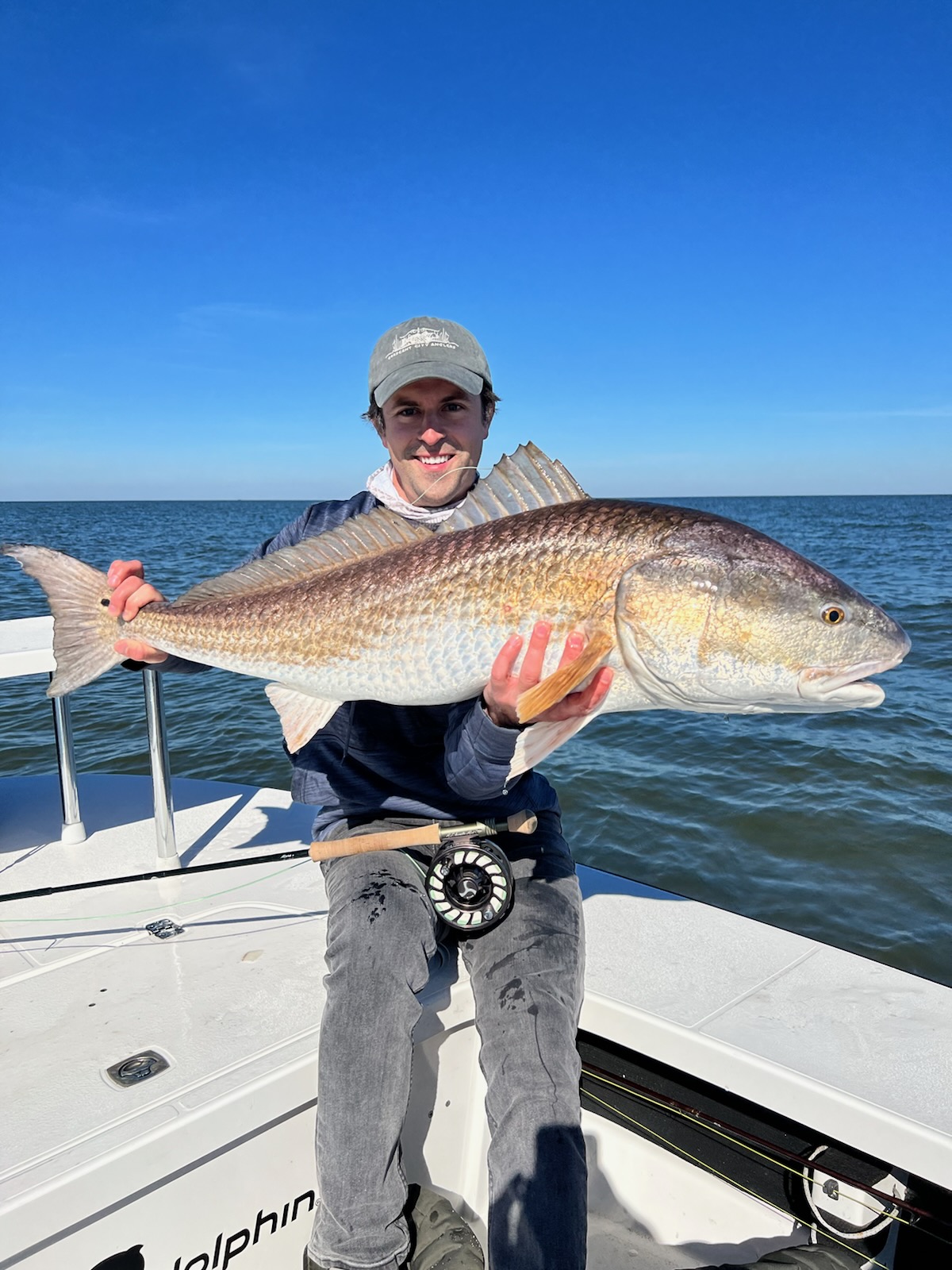
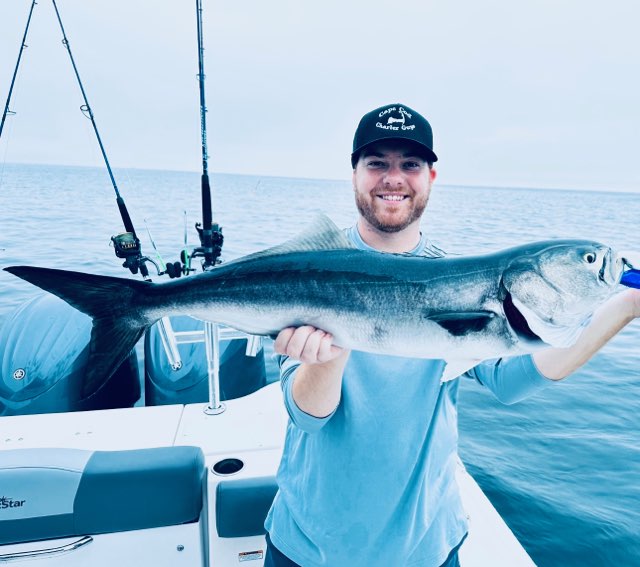
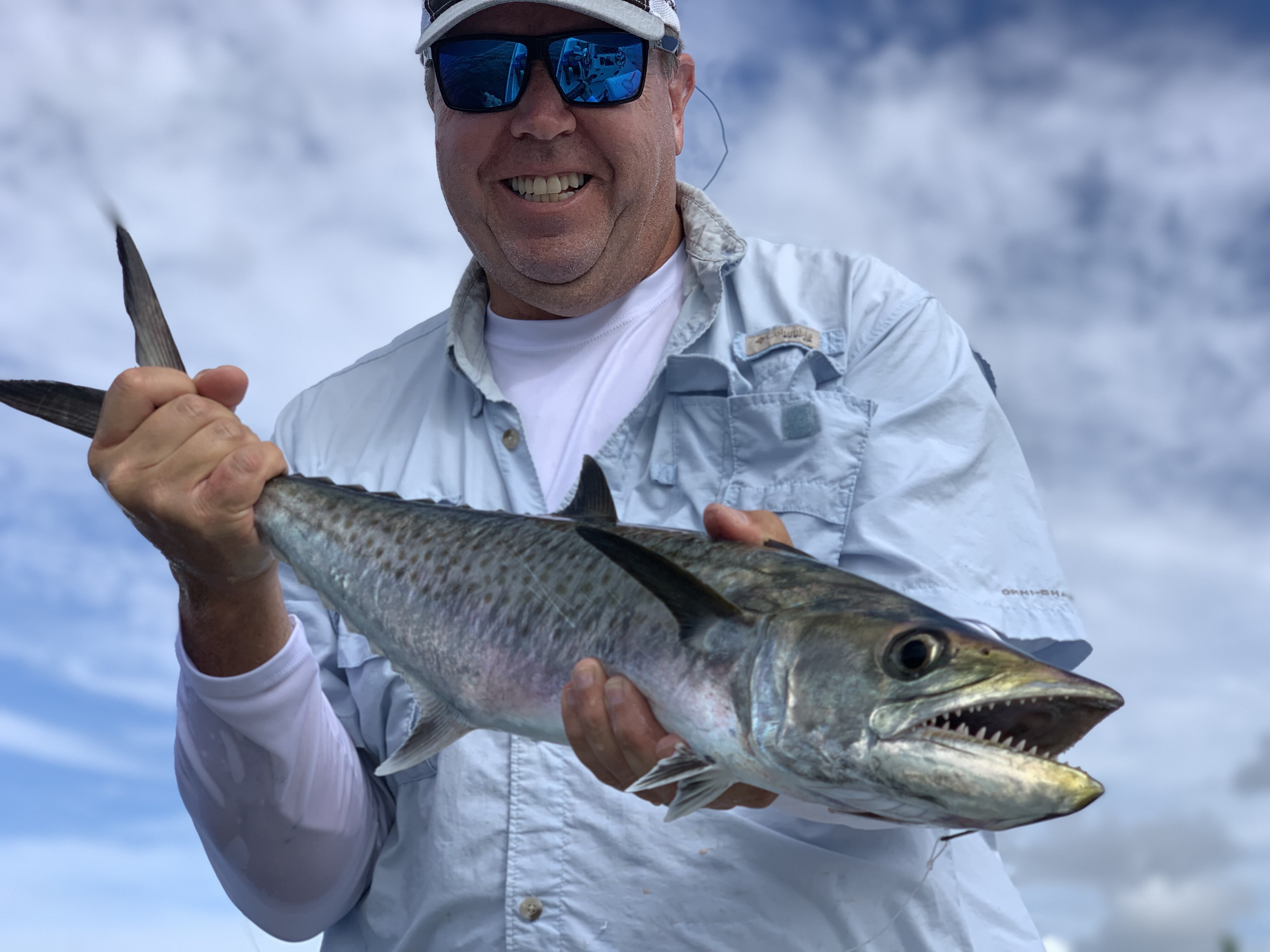
The most commonly sought after species for nearshore fishing are: 1. cobia, 2. flounder, 3. redfish, 4. bluefish, and 5. spanish mackerel.
The most common fishing techniques in Virginia are bottom fishing, trolling, and jigging but light tackle fishing and live bait fishing are popular as well.
How much do Virginia nearshore fishing charters cost?
Prices for nearshore fishing in Virginia can range anywhere from about $650 to $1,994, but the average price for a half day trip for nearshore fishing in Virginia is $982. The average price for a full day trip for nearshore fishing in Virginia is $1,551.
Is booking a fishing guide worth the money?
Hiring a guide provides a number of benefits and many choose to book a fishing guide for a combination of experience, local knowledge, convenience, and cost-effectiveness.
Working with experienced fishing guides who know the best local spots and techniques can dramatically increase your odds of a great day. Having someone who is on the water every day and knows the area like the back of their hand is going to give you the best chances of success.
Booking a guide is also more cost effective, especially if you only get out a handful of times per year. When you consider all of the costs you would incur on your own such as the price of a boat, maintenance, insurance, gas, high-quality gear and tackle, repairs, and more, you’ll find that DIY is sometimes not worth the expense.
Even if you’ve got a great setup already in your home waters, booking a guide also provides a great opportunity to experience new techniques, new locations, or even a chance at a new target species to knock off the bucket list.
What month is best for nearshore fishing in Virginia?
The most popular season for nearshore fishing in Virginia is summer, and most anglers book their trips 62 days in advance.
Do I need a Virginia fishing license and what are the bag limits in Virginia?
See here for more information on fishing licenses in Virginia, bag limits for target species, and fishing season regulations in Virginia. When in doubt, your guide will always know all the relevant rules and regulations in Virginia.
What is nearshore in Virginia all about?
Nearshore environments in Virginia, encompassing areas from the coastline to the deeper oceanic zones, are crucial for the state's ecological and economic well-being. These zones include the Chesapeake Bay, its tributaries, and the Atlantic Ocean coastline, hosting diverse marine habitats like wetlands, oyster reefs, and seagrass beds. They provide essential services such as water filtration, habitat for marine life, and protection against storm surges, making them invaluable for maintaining the health and resilience of coastal ecosystems.
The economic significance of Virginia's nearshore areas cannot be overstated. These waters support a robust fishing industry, including commercial fisheries for species like blue crabs, oysters, and various finfish. Recreational fishing, boating, and tourism also thrive in these areas, contributing significantly to the local economy. The coastal management programs in Virginia aim to balance economic activities with conservation efforts, ensuring that the natural resources are sustainably managed for future generations.
Moreover, nearshore zones are critical for scientific research and education. Institutions and organizations in Virginia conduct extensive studies to monitor environmental changes, track marine biodiversity, and develop conservation strategies. Public awareness initiatives and educational programs often focus on the importance of these areas, fostering a sense of stewardship among local communities. By understanding and protecting nearshore environments, Virginia aims to preserve its natural heritage while supporting a vibrant, sustainable coastal economy.
What are the most popular months to go nearshore in Virginia?
Nearshore seasons in Virginia bring dynamic changes to the coastal and marine environments, each marked by distinct weather patterns and biological activities. Spring signals a period of rejuvenation along Virginia's coastlines, with rising temperatures melting winter's chill and promoting the growth of seagrass beds and phytoplankton. These serve as critical food sources for a variety of marine species, from small fish to larger predators. Spring also sees the migration of several fish species, including striped bass and bluefish, moving towards the warmer nearshore waters to spawn.
Summer in Virginia's nearshore areas is characterized by warm temperatures and increased human activity. This season supports vibrant recreational activities such as swimming, boating, and fishing. The warm waters attract tourists and local residents alike, boosting the coastal economy. Marine life is abundant during summer, with blue crabs and various finfish species reaching peak populations. However, the increased heat can also lead to challenges like algal blooms, which require careful monitoring and management to prevent adverse effects on water quality and marine habitats.
As fall approaches, Virginia's nearshore waters begin to cool, prompting another wave of migration for many marine species. Fish like menhaden and spot move offshore or southward to avoid the dropping temperatures. Fall is also a critical time for oyster harvesting, as cooler waters improve the quality and flavor of these shellfish, making it a prime season for local fisheries. The changing foliage along the coastlines adds to the region's scenic beauty, attracting visitors for autumnal activities. Winter brings the coldest conditions, reducing human activity but providing a period of dormancy and regeneration for marine ecosystems. Despite the harsh weather, some species like striped bass remain active, offering year-round opportunities for sport fishing.
What techniques are popular for nearshore in Virginia?
In Virginia, nearshore fishing is a popular and diverse activity, offering anglers various types and techniques to explore. One of the most common methods is surf fishing, where fishermen cast their lines from the beach or shoreline. This technique often targets species like red drum, flounder, and bluefish. Surf fishing requires specialized gear, including long rods and heavy weights, to cast beyond the breaking waves and into the feeding zones of these fish.
Kayak fishing is another growing trend in Virginia’s nearshore waters. This technique allows anglers to reach areas that are inaccessible by larger boats, such as shallow bays, estuaries, and around structures like piers and jetties. Kayak fishing provides a stealthy approach, which is particularly effective for targeting species like speckled trout and striped bass. Anglers use lightweight rods and reels, and often employ lures or live bait to attract fish. This method combines the thrill of fishing with the physical challenge and enjoyment of kayaking.
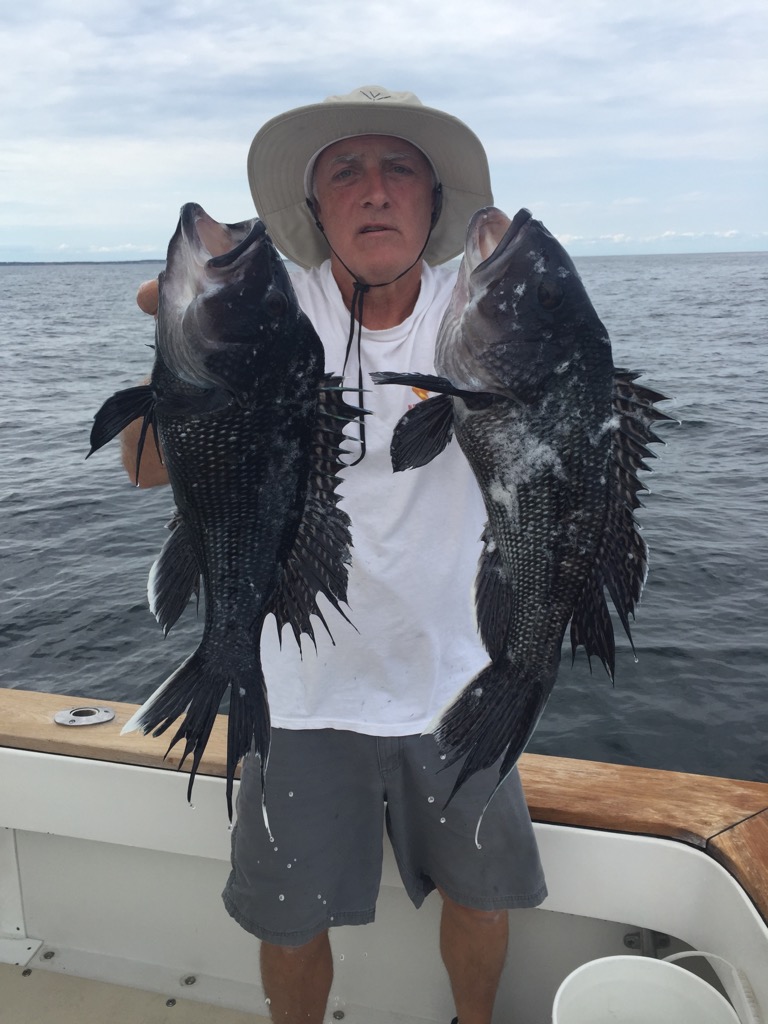
Boat fishing, including both inshore and offshore trips, is also a popular technique in Virginia’s nearshore environments. Inshore boat fishing typically takes place within a few miles of the coast, targeting species like cobia, Spanish mackerel, and spadefish. Anglers use a variety of methods, including trolling, bottom fishing, and casting. For those venturing slightly further offshore, nearshore reefs and shipwrecks provide excellent opportunities for catching larger species like tautog and black sea bass. Boats equipped with advanced electronics and fishing gear enable anglers to locate and target these fish more effectively, making for a productive and exciting fishing experience.
What species are popular for nearshore in Virginia?
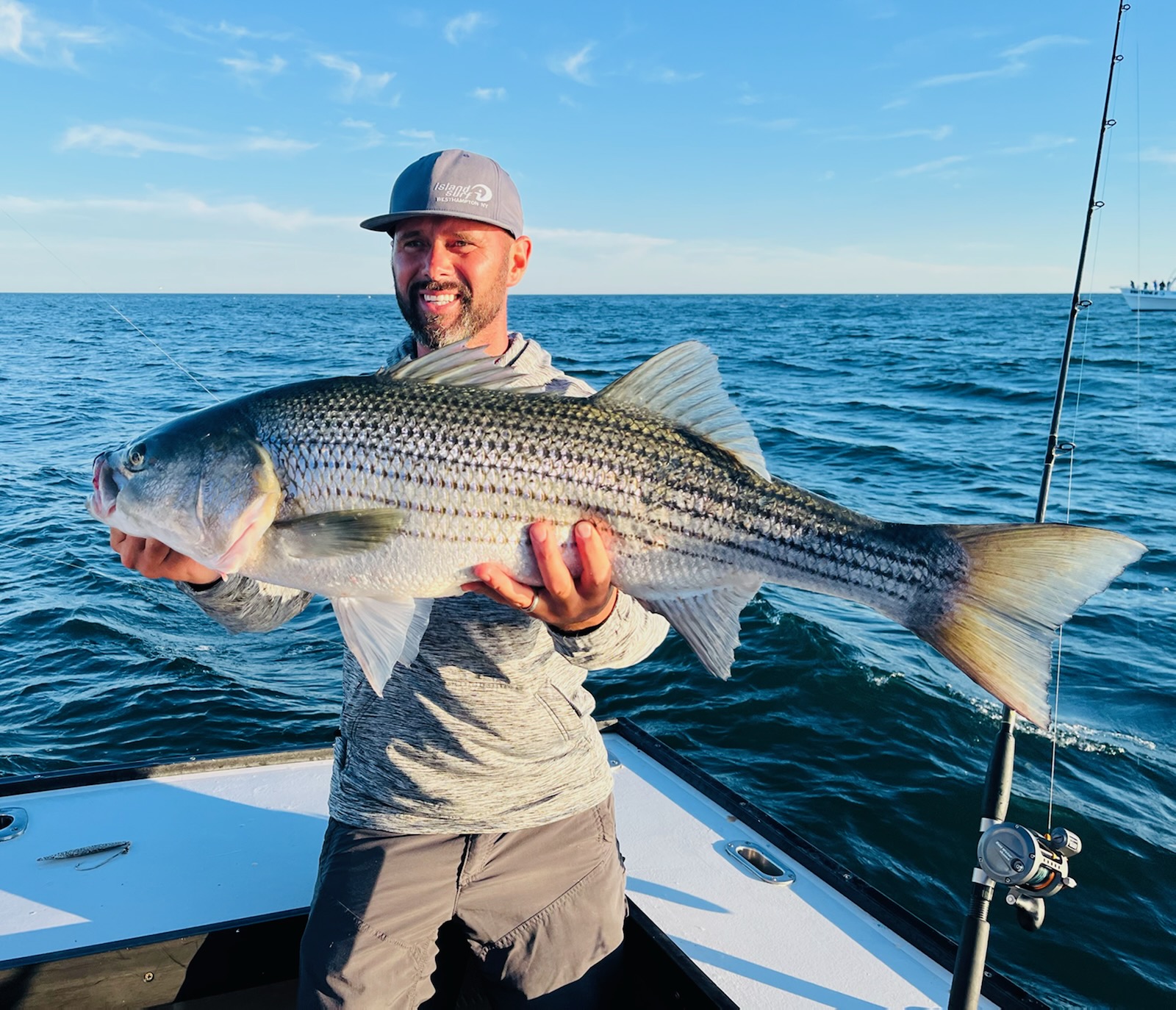
Nearshore waters in Virginia are teeming with a variety of fish species, making it an ideal location for anglers of all skill levels. One of the most sought-after species in these areas is the striped bass, also known as rockfish. These fish are particularly abundant during the cooler months of spring and fall, when they migrate closer to the shore. Striped bass are prized for their size and fighting ability, providing an exciting challenge for anglers. They can be caught using a range of techniques, including trolling, jigging, and casting with lures or live bait.
During the warmer months, bluefish and Spanish mackerel are prevalent in Virginia's nearshore waters. Bluefish are known for their aggressive behavior and sharp teeth, making them a thrilling catch. They can be found in large schools and are often caught using spoons, jigs, or live bait. Spanish mackerel, on the other hand, are fast swimmers and are typically targeted by trolling small, shiny lures that mimic their prey. Both species are popular among recreational anglers for their fighting spirit and the quality of their meat.
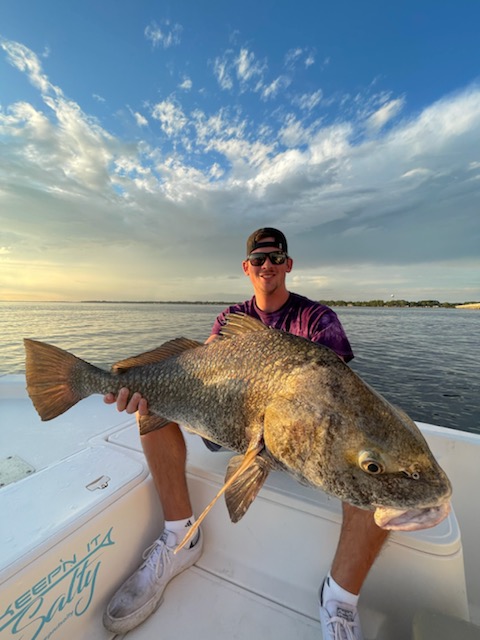
Flounder and red drum are also popular targets in Virginia’s nearshore fishing scene. Flounder, particularly summer flounder, are known for their delicious taste and are often found in sandy or muddy bottoms near structures like piers and jetties. Anglers typically use bottom rigs with live bait such as minnows or squid to catch them. Red drum, also known as redfish, are often found in the shallow waters of bays and estuaries. They can be caught using a variety of methods, including casting artificial lures, live bait, or even fly fishing. These fish are known for their strength and stamina, making them a favorite among sport fishermen.